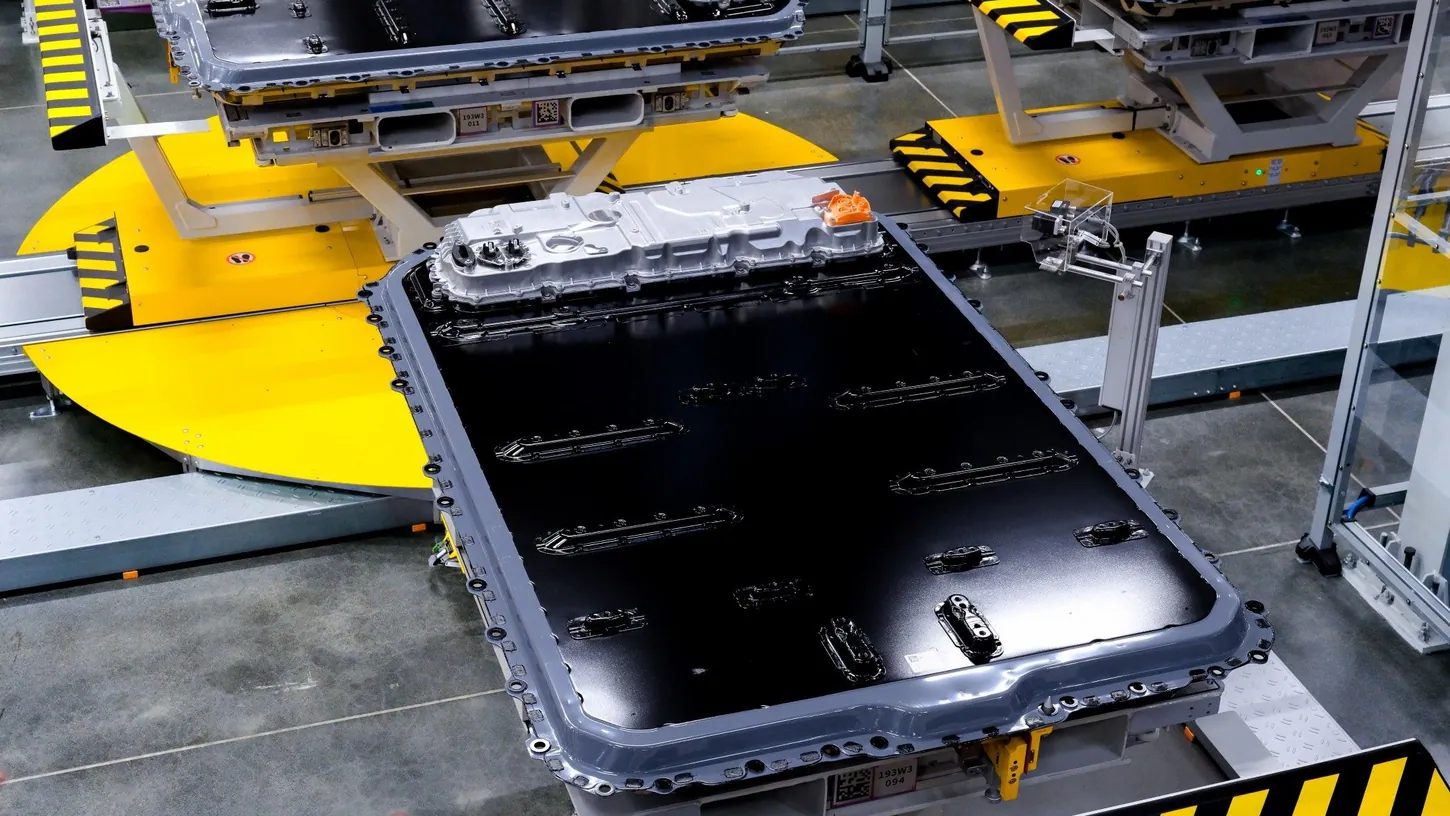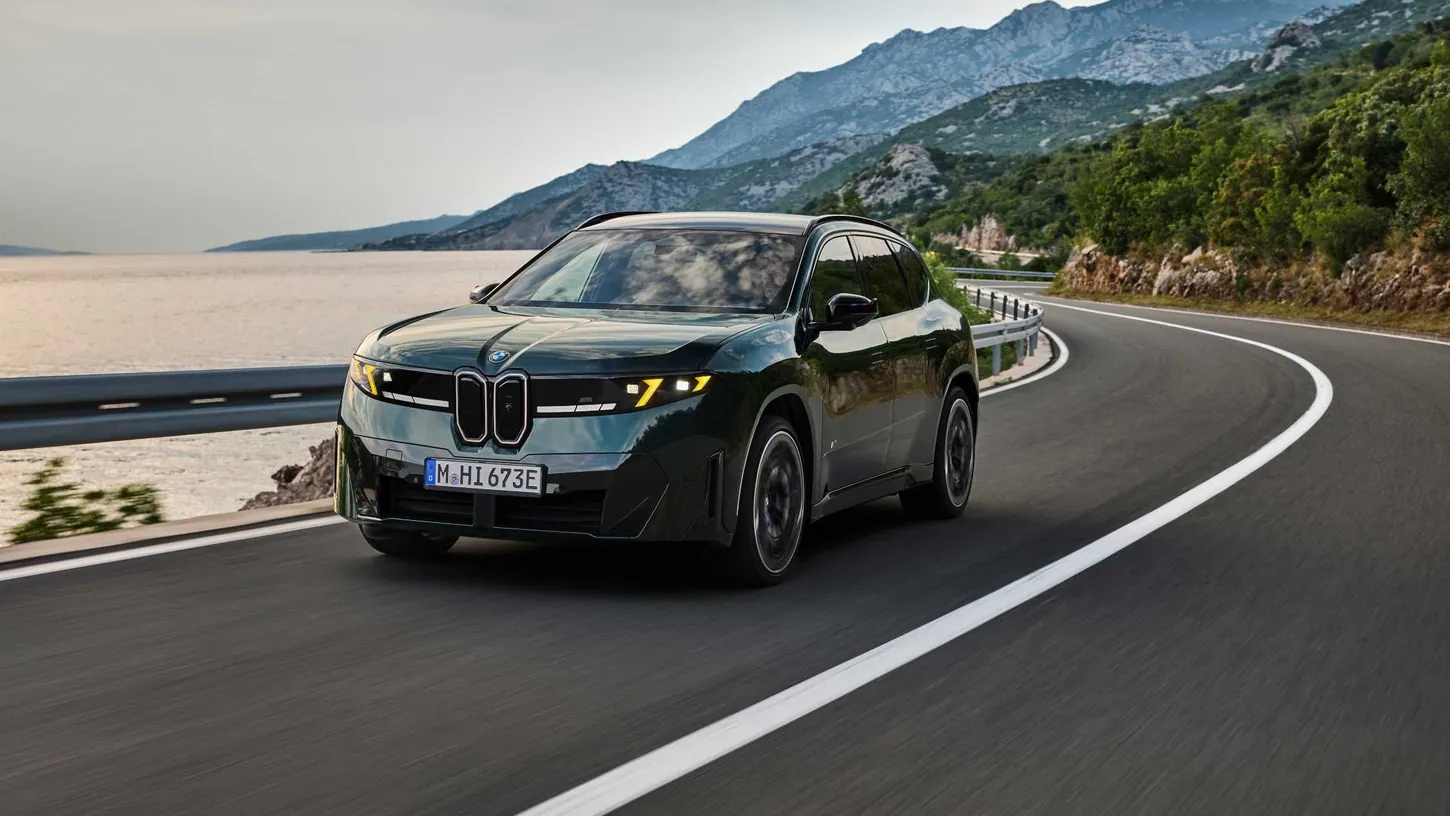

BMW peeled the covers off the facelifted 7 Series and i7 today, April 22, 2026, at Auto China 2026 in Beijing, and the headline is buried underneath the usual grille-and-screen noise. The electric i7 now runs a jointly developed battery pack from Rimac Technology, using BMW’s Gen6 4695 cylindrical cells inside the outgoing car’s Gen5 module housing. BMW confirmed the partnership in a press release two weeks before the reveal, with a specific claim attached: a 20 percent jump in volumetric energy density over the prismatic Gen5 cells.
That is a real gain. It is also the only genuinely new hardware under the skin. The updated i7 stays on the modified CLAR platform it launched with in 2022, meaning the 400-volt electrical architecture carries over. The Neue Klasse 800-volt system that lets the new iX3 and i3 pull 400 kW peak DC charging is not part of this upgrade. For an $107,000 flagship going up against the Lucid Air and Tesla Model S in the United States, that is the fact American buyers need to sit with.
Production of the facelifted G70 starts at BMW’s Dingolfing plant in July 2026, with U.S. deliveries expected for the 2027 model year. The battery is built on two new production lines at Rimac Technology in Croatia and shipped to Germany ready for installation.

Gen6 Cells Fix The i7’s Worst Spec Sheet Number
The pre-facelift i7 charges at a peak of 195 kW, which has been its single worst headline spec since launch. A 10 to 80 percent fill takes 34 minutes at a proper DC station, and ten minutes of charging adds 106 miles. That was fine in 2022. In a market where the Lucid Air pulls above 300 kW and the iX3 hits 400 kW, it stopped being fine a while ago.
BMW has said the new i7 will charge “much faster” and deliver a meaningfully increased range, without publishing the kW figure at launch. Independent outlets reporting from the reveal expect a notable bump over 195 kW but well short of the 400 kW the 800-volt Neue Klasse cars can sustain. That is a function of physics, not marketing: you cannot push Neue Klasse charging rates through a 400-volt system without melting something.
The range story is more straightforward. The outgoing i7 xDrive60 is rated at up to 318 miles EPA with 19-inch wheels. Converting the 20 percent energy density gain from Gen6 cells into actual range, assuming BMW keeps the pack size roughly in the same envelope, a realistic EPA target for the facelifted i7 60 xDrive sits in the 360 to 380 mile band. WLTP figures will be higher. BMW has not confirmed U.S. certification numbers yet. For context, the current WLTP peak is 625 km, or 388 miles under that more generous cycle.

The Split Headlights And Huge Grille Stay
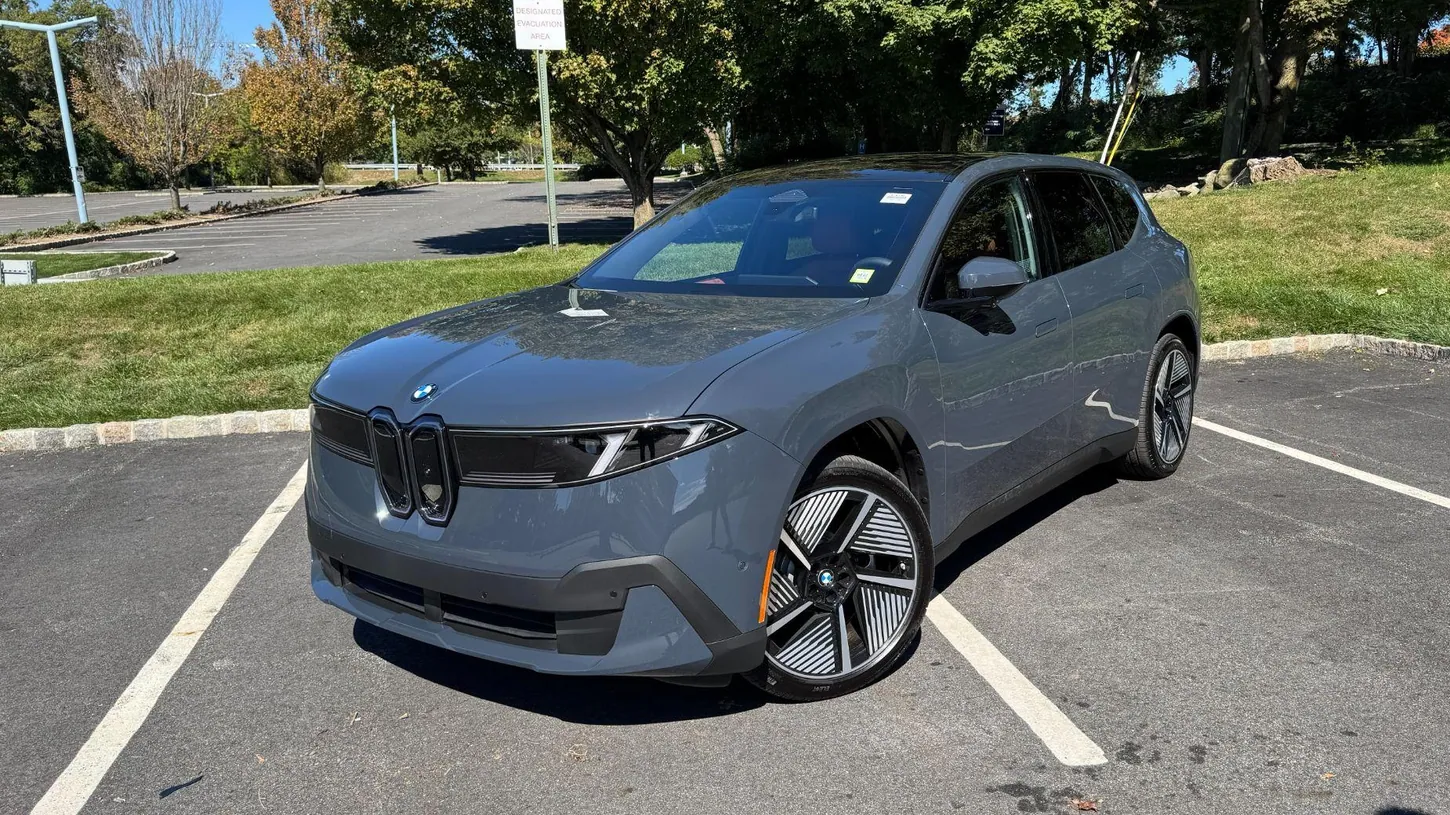
Anyone hoping BMW would quietly retire the split-headlight setup and the oversized illuminated kidney grille can stop hoping. The facelift keeps both. The grille gets a new horizontal-bar treatment in place of the outgoing vertical slats, the upper LED daytime running light strip is slimmer, and the main lights below have been reorganized into a more vertical stack.
Side profile carries over. Rear taillights get a revised two-line graphic. New wheel designs use up to 70 percent secondary aluminum, the same recycled-content approach BMW is running on the Neue Klasse iX3. Across the full supply chain, BMW says the new cell chemistry cuts the battery’s CO2-equivalent footprint by 33 percent versus the Gen5 prismatic cells.

The Interior Is Where The Real Overhaul Lives
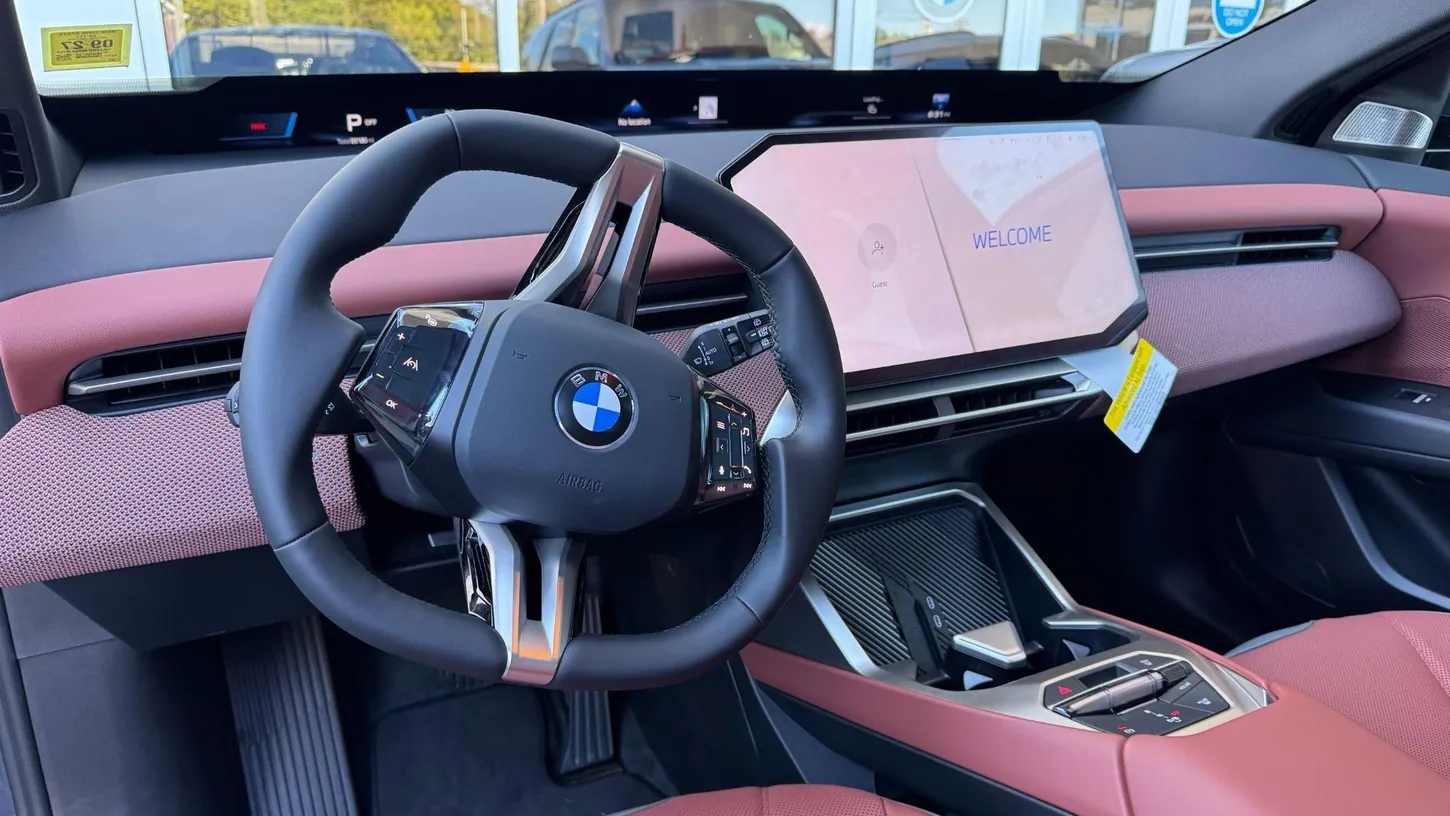
The dashboard gets a clean-sheet rework. Gone is the iDrive rotary controller, replaced by a touch-first layout borrowed and scaled up from the new i3. A large central touchscreen anchors the design, with a new passenger-side screen added on higher trims. Early reporting from carwow at the reveal describes a 32-inch 8K unit and a 36-speaker Dolby Atmos audio system, plus native apps for YouTube and Disney+ on the passenger display. BMW has not yet published the full infotainment spec sheet on its global press site.
The 31-inch rear Theater Screen carries over in function if not exact dimensions. BMW’s Panoramic Vision, the pillar-to-pillar head-up display strip that replaces the traditional instrument cluster, makes the jump over from the Neue Klasse i3 to the flagship. That is the single most useful interior change. Anyone who has driven the current i7 knows the instrument cluster is the one layout element that needed a rethink.

Combustion Lineup Gets Euro 7 Compliance And A V8 Return
On the combustion side, BMW updated engines to meet Euro 7 rules. The range opens with the 735 inline-six, followed by the 740 with the updated B58TÜ3 reportedly rated at 400 hp. The 750e plug-in hybrid continues. The M760e PHEV returns at a reported 612 hp, up roughly 41 hp over the current car. The V8 M760 xDrive is back for the first time since the V12 was retired, though it may not reach U.S. showrooms until 2027.
The top i7 M70 xDrive gains output on paper, now reported at 680 hp and 1,000 Nm with a 3.8 second 0 to 62 mph time. The current M70 is rated at 650 hp with an EPA range of 291 to 295 miles. If the 20 percent density gain translates directly, the new M70 should clear 340 miles EPA, a meaningful gain in a segment where the Lucid Air Sapphire costs $250,000 and the Mercedes EQS AMG trails BMW at every wheel size.

EVXL’s Take
The Rimac partnership is the interesting story, and BMW nearly buried it. A German flagship automaker farming out battery development to the Croatian company best known for the roughly 1,900-hp Nevera hypercar is not a line that would have shipped five years ago. It shipped today because BMW knows the Neue Klasse architecture rollout will take years, and the i7 cannot wait for the eighth-generation 7 Series to fix a charging spec that was already behind the competition at launch.
Covering BMW’s EV rollout since the original i7 launched in 2022, the same pattern keeps repeating: the car is engineered beautifully, the infotainment gets rave reviews, and the charging curve gives back on road trips what the luxury ride delivers in comfort. Independent testing from Edmunds and InsideEVs has been consistent on that last point. The Rimac pack fixes the range headline. It does not fix the architectural ceiling. That is the compromise buyers are paying six figures to live with for the next four years.
Here is the prediction. The facelifted i7 xDrive60 will land at 360 to 380 miles EPA with peak DC charging between 250 and 290 kW when U.S. specs are published. That will be enough to stop the bleeding against the Lucid Air, which already delivers up to 512 miles EPA in the Grand Touring trim, but not enough to close the gap when the successor 7 Series arrives on a proper 800-volt platform in 2029 or 2030. Anyone buying an i7 in 2027 is buying a very good car with a known expiration date on its charging hardware. That is worth knowing before signing.

FAQ
When does the 2027 BMW i7 reach U.S. dealerships?
Production of the facelifted 7 Series and i7 begins at BMW’s Dingolfing plant in Germany in July 2026. European deliveries start in the fall of 2026. U.S. customers should see the 2027 model year i7 in showrooms in the first quarter of 2027.
Does the new i7 use the same battery as the BMW iX3 and i3?
Partly. The i7 uses the same Gen6 4695 cylindrical cell chemistry as the iX3 and i3, developed with Rimac Technology. It does not use the Neue Klasse 800-volt architecture. The i7 packages Gen6 cells inside the existing Gen5 module design on its CLAR 400-volt platform.
How much will the 2027 BMW i7 cost?
BMW has not published 2027 U.S. pricing. The current 2026 i7 eDrive50 starts at $106,875, the xDrive60 falls between that and the top trim, and the i7 M70 xDrive opens at $169,675. Expect the facelifted versions to carry a modest premium over those figures.
Will the V8-powered M760 xDrive be sold in the United States?
BMW has not confirmed U.S. availability. Early reporting suggests the V8 variant may not reach U.S. showrooms until 2027, if it arrives at all. The 760i xDrive with the S68 twin-turbo V8 remains the V8 option for American buyers in the interim.
Source: BMW Group PressClub.
EVXL uses automated tools to support research and source retrieval. All reporting and editorial perspectives are by Haye Kesteloo.