
EPA · BMW
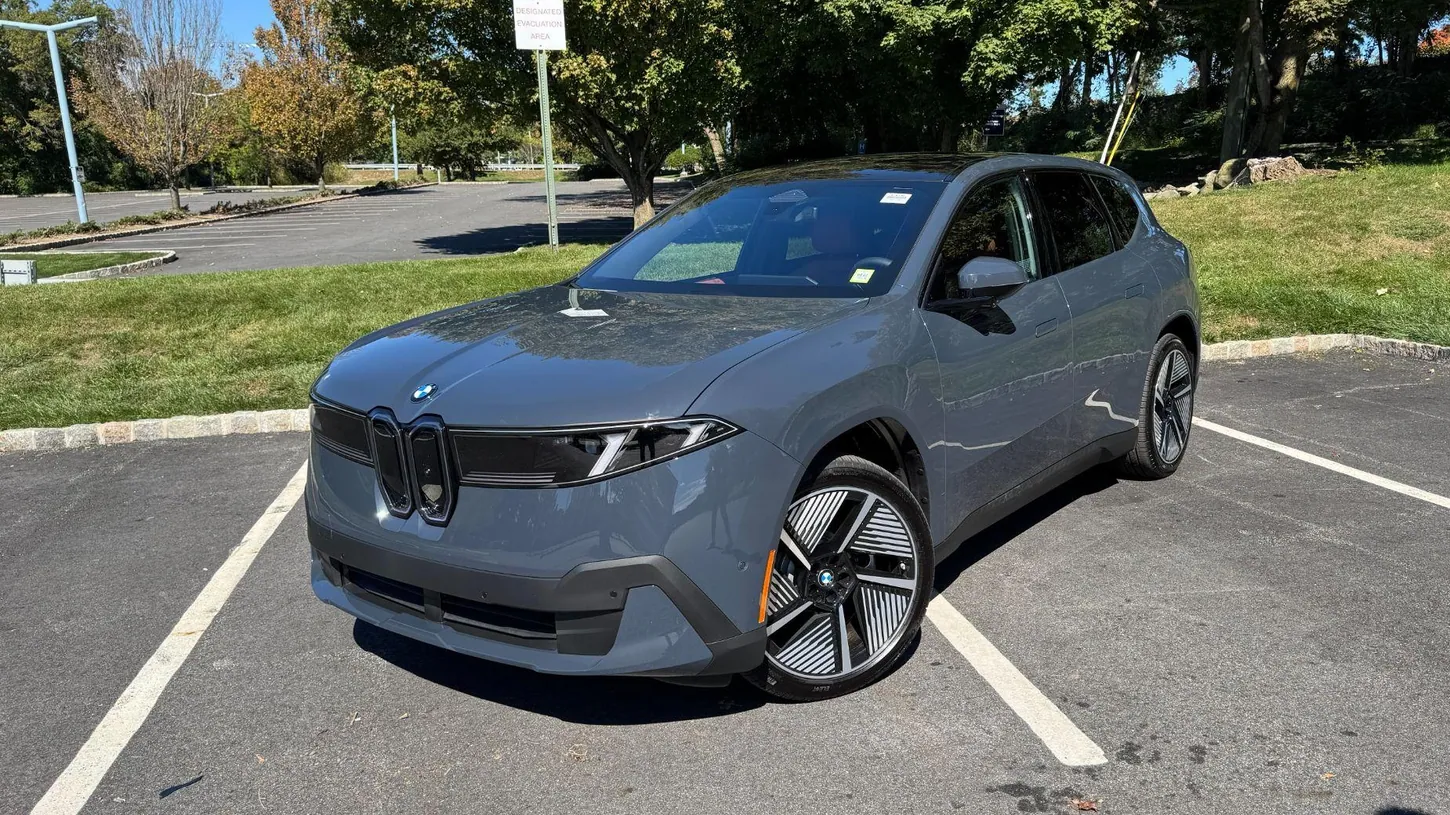
BMW iX3 First Drive: A 5,000-Pound SUV That Corners Like a Sports Car
We drove the BMW iX3 50 xDrive. Its Heart of Joy computer hides 5,154 pounds in corners, and Silent mode makes one-pedal driving easy.
EPA range and efficiency ratings explained and tracked: how the US test cycle compares to CLTC and WLTP, why claimed ranges shrink on American stickers, and the ratings news as it lands.
We drove the BMW iX3 50 xDrive. Its Heart of Joy computer hides 5,154 pounds in corners, and Silent mode makes one-pedal driving easy.
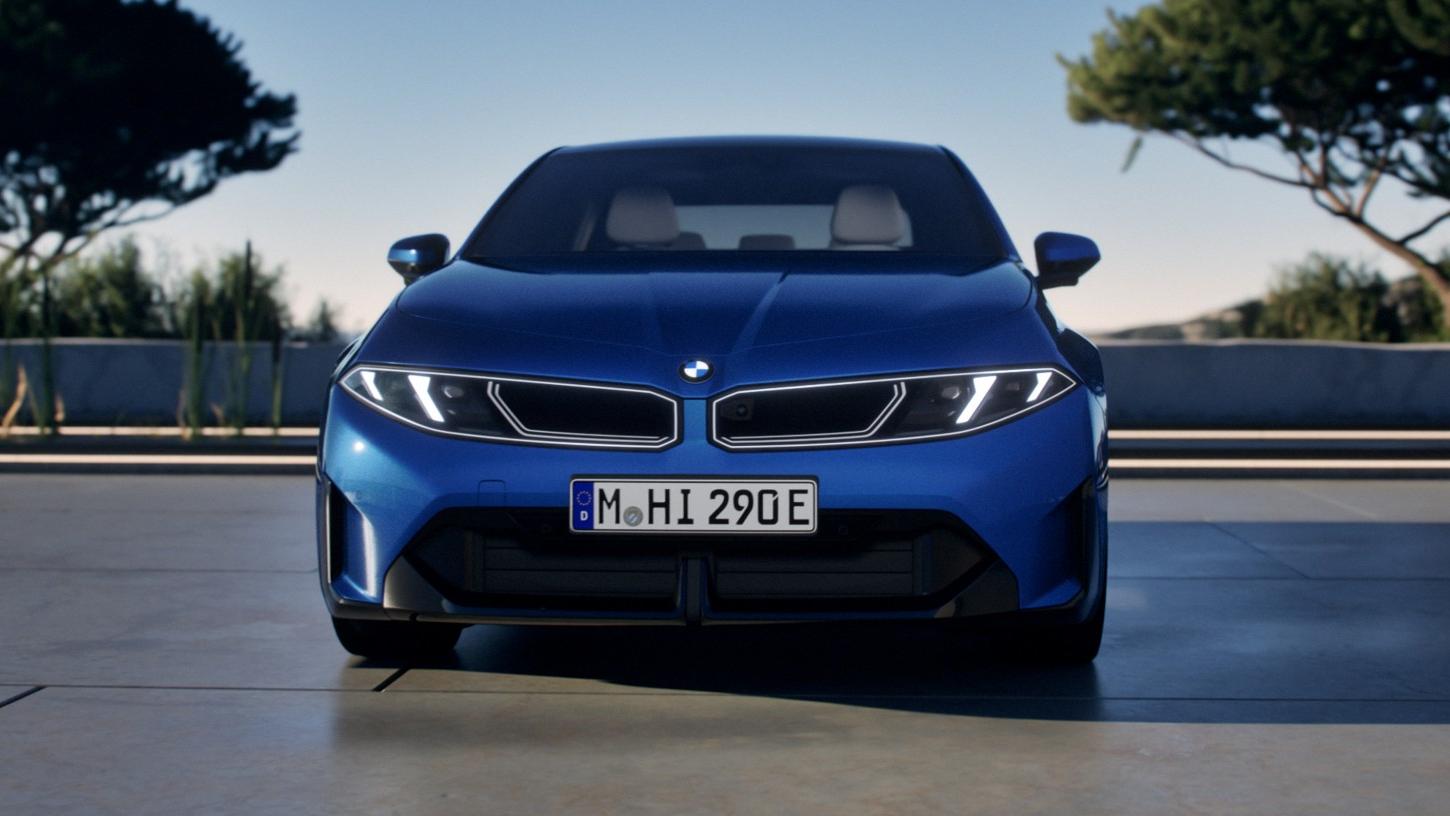
BMW now takes $1,000 deposits on the electric i3 50 xDrive, rated at 446 to 468 miles by BMW's estimate, with no U.S. price and deliveries in early 2027.

Rivian filed to sell 75 million new Class A shares after Monday’s market close, a deal worth roughly $1.5 billion at the day’s $20.14 closing price. The company says the proceeds will fund general corporate purposes, including the equity contribution requirements tied to its Department of Energy (DOE) loan for the Georgia factory. The timing…

Bentley will call its first electric car the Torcal, the company announced from Crewe on July 6, 2026, ahead of a full reveal set for London on September 23. The name draws on El Torcal de Antequera, a limestone formation in Andalusia, Spain, and on the Latin torquere, to twist, the root of the modern…

The average electric vehicle still delivers up to 95% of its original range after five years on the road, according to battery-data firm Recurrent, and the highest-mileage cars are making the point hard to ignore. Richard Symons, who runs a used-EV dealership in southern England, has logged 247,000 miles on his five-year-old Tesla Model 3…

Rivian delivered 12,194 vehicles in the second quarter of 2026, up about 14% from the 10,661 it delivered a year ago and comfortably ahead of the 10,518 analysts expected, according to estimates compiled by Visible Alpha. And Rivian paired the beat with a bigger statement: it raised its full-year 2026 delivery forecast from 62,000-67,000 to…

Tesla registrations climbed across most of Europe’s big EV markets in June. France more than doubled from a year earlier, Sweden rose 56%, Portugal and Italy each gained 43%, Denmark added 39%, and Spain managed 5.6% growth. Norway went the other way and dropped 43%. The numbers land as Tesla prepares to publish second-quarter delivery…

A Tesla Semi slammed into two passenger vehicles stopped at a red light on U.S. 50 in Dayton, Nevada, on Sunday morning, June 28, killing a married couple and leaving a third person with life-threatening injuries. Preliminary statements gathered at the scene suggest the truck driver may have fallen asleep, according to the Lyon County…
EPA ratings are the honest number in a market that advertises three different ones. The same car carries a CLTC figure in China, a WLTP figure in Europe and an EPA figure in the US — and the EPA number, from the most demanding cycle of the three, is the one that lies to you least.
The conversion discipline matters more every quarter as Chinese makers claim records on the generous cycle: BYD’s Denza Z9GT claimed 1,036 km — a CLTC number that needs context. Our rule on the BYD and China desks is the same as here: name the cycle or the number is marketing.
The deeper story under every range rating is the pack itself, covered on the battery desk — including the 0.3% real-world battery failure rate that buyers persistently misprice, and the lab chemistry that decides what future stickers will say.
Every ratings story lands in the feed below.
Different test cycles. CLTC (China) and WLTP (Europe) run gentler profiles; EPA's cycle is the most demanding of the three and lands closest to real-world driving. Same car, three numbers — and the EPA one is the number to plan a road trip around.
Discount the CLTC figure heavily — BYD's Denza Z9GT claimed 1,036 km on CLTC, a number that needs exactly that context. Comparing a CLTC claim to an EPA rating without conversion is comparing fiction to sticker.
Occasionally the other way — some EVs beat their EPA rating in gentle driving. Highway speed, cold and load cut every rating; the EPA figure is simply the one that lies to you least.
One email with the EV news that matters — Tesla, Rivian, BYD, and everything in between, straight from the newsroom. No spam, no fluff.