
China · BMW
BMW Starts Gen6 Batteries in China as Its U.S. Cell Source Stays Vague
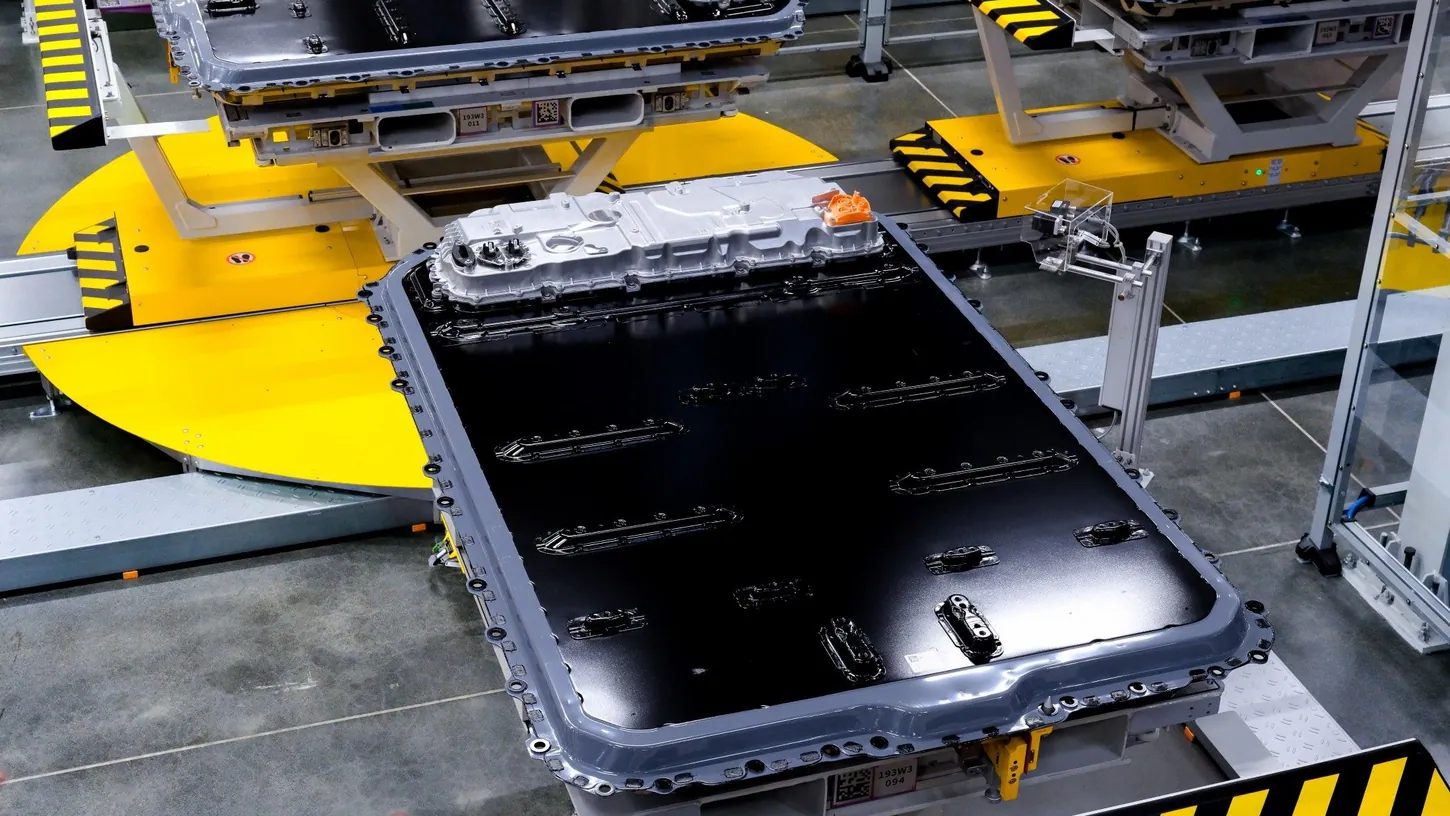
BMW began Gen6 battery output in Shenyang, its third site. Woodruff starts iX5 packs in December with AESC cells from a plant neither firm has named.
China's EV industry and the Western response, tracked: BYD's export machine, the range claims that need cycle labels, US bans on Chinese-linked cars, and the strategy bets in both directions.
BMW began Gen6 battery output in Shenyang, its third site. Woodruff starts iX5 packs in December with AESC cells from a plant neither firm has named.
France's EV share hit 42% in September as Macron touted four gigafactories. The top EV was a Tesla Model Y, and only the Renault 5 is French-built.
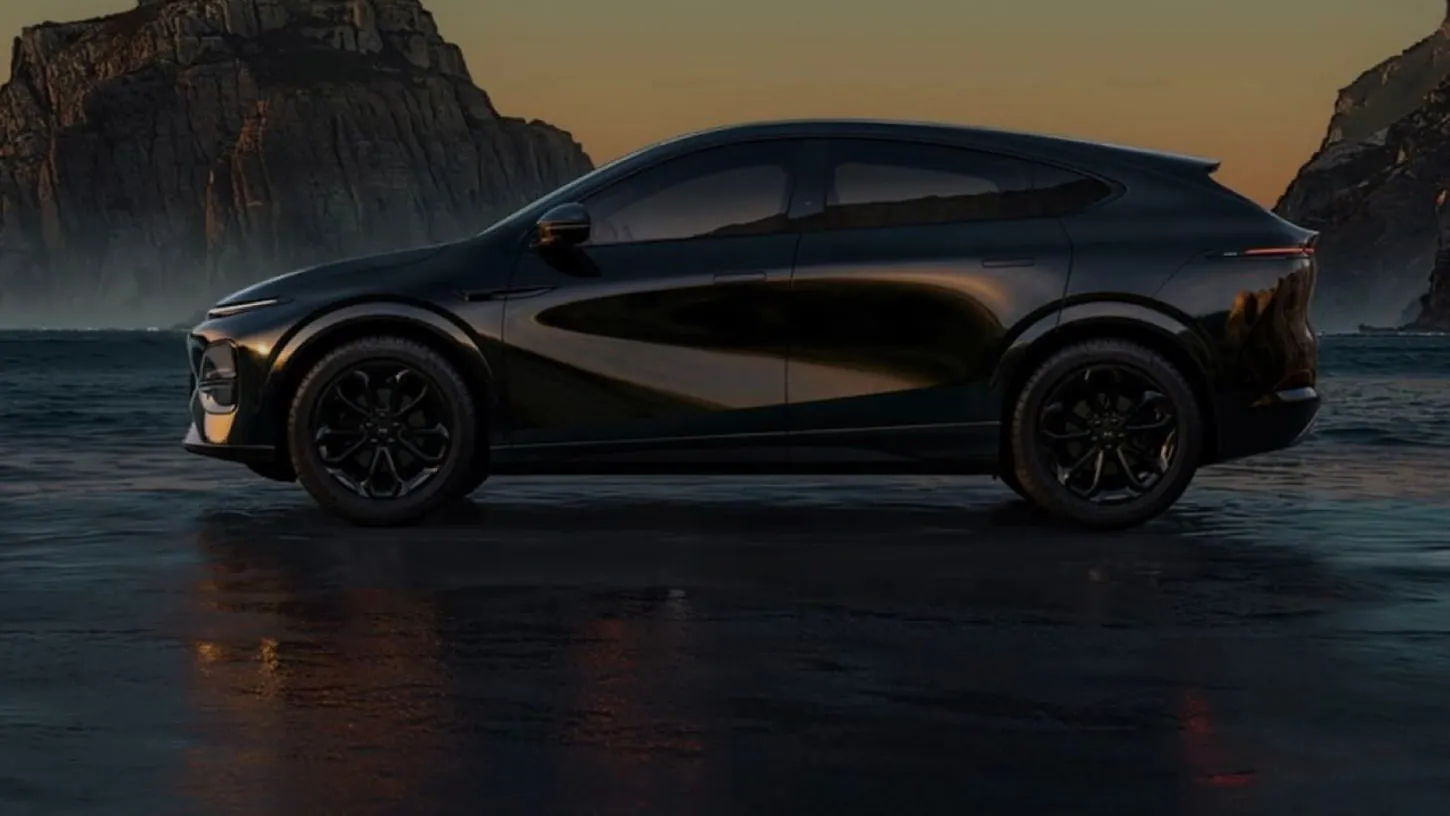
Xpeng says Magna's Graz plant can't keep up and plans a lower-cost second European line ahead of EU 'Made in Europe' rules that also count battery cells.
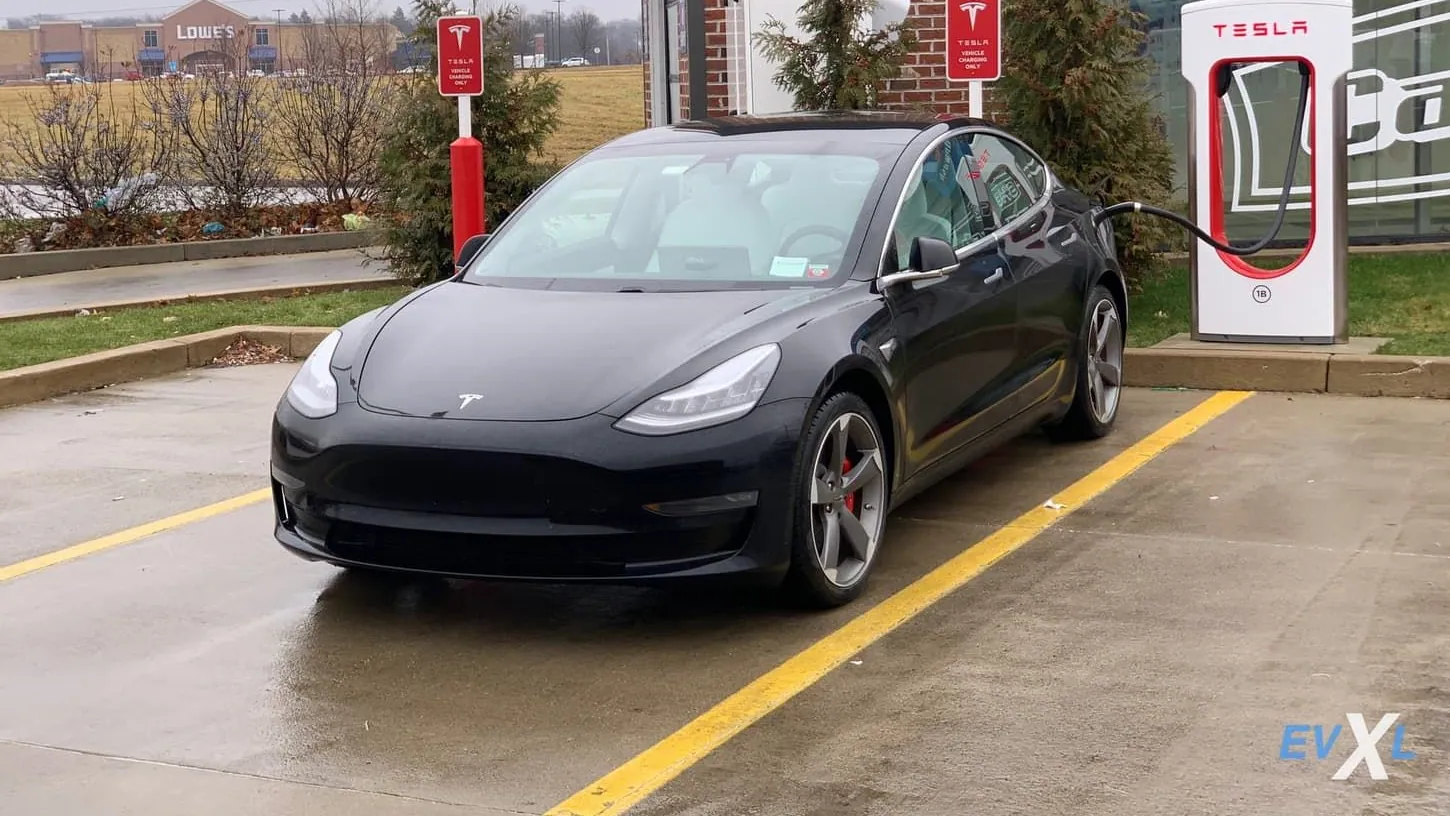
Gas-only cars fell to 49% of global sales in H1 2026, a first. U.S. new EV share is stuck near 6% as buyers answer $4 gas with hybrids and used EVs.
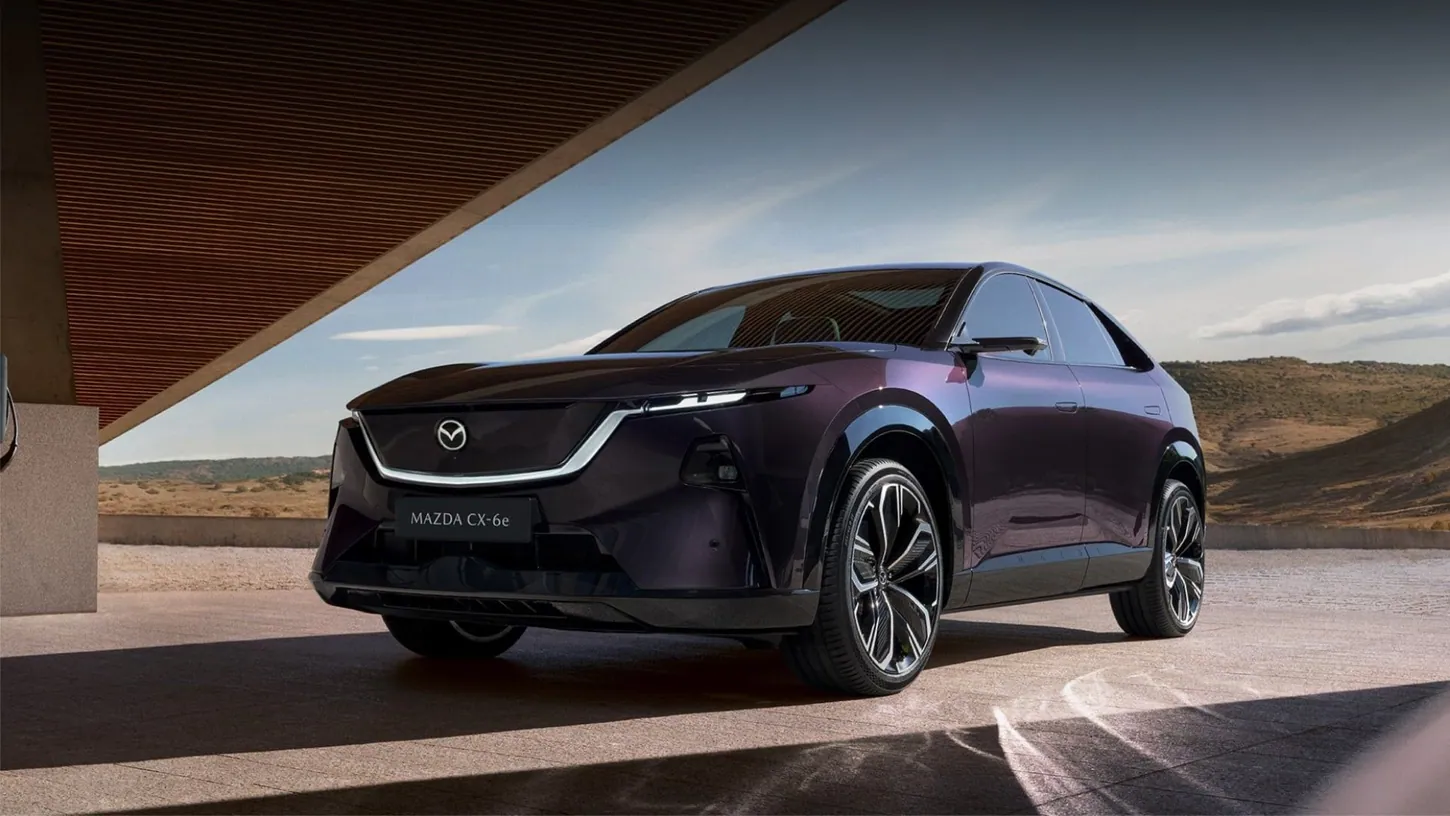
Australian testers found the Mazda CX-6e reads any typed message, profanity included, through its front speaker. NHTSA pulled Tesla's Boombox for less.
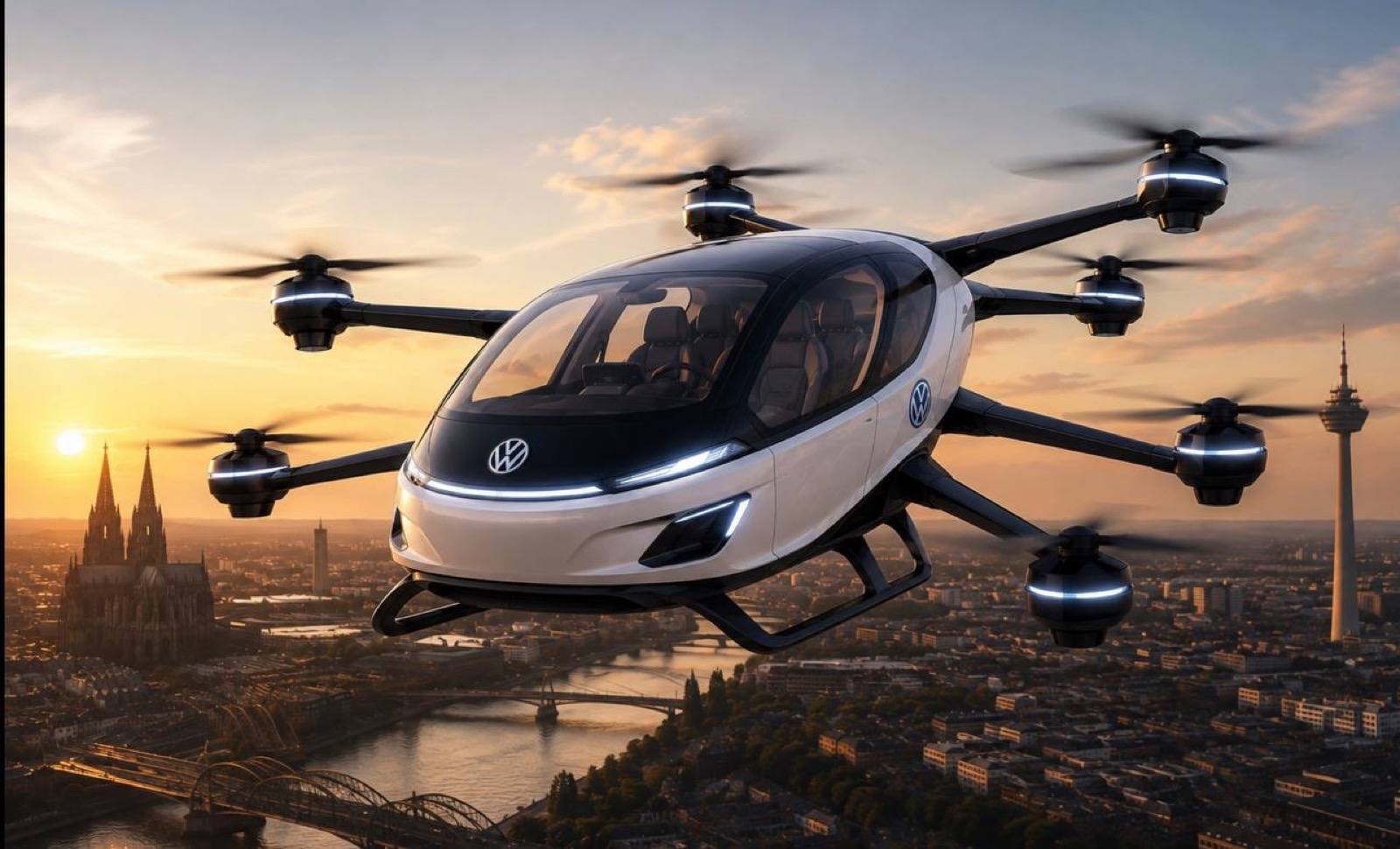
Reuters obtained hundreds of pages on Volkswagen's failed V.MO flying car. The program died in June 2024, and the Chinese manager VW promoted as the face of its innovation is now the named suspect in a Shanghai trade-secrets investigation.

Exports hit a monthly record and drove a third straight month of growth. Run the arithmetic on the full-year guidance, though, and BYD finishes more than a million vehicles short of its own floor.

Tesla launched the Model Y Long Wheelbase in the US and Puerto Rico today, a stretched, three-row, six-seat version of its best-seller with 325 miles of range and a 4.4-second 0-60 time. Tesla’s configurator lists it as the Model Y L Premium at $61,990, in Launch Series trim with all-wheel drive, sitting above the $57,990…
China is the center of gravity of the global EV industry, and everything else on this site — the price wars, the tariff walls, Detroit’s strategy — is in some way a response to that fact.
The champion is BYD, which retook the global crown and keeps setting export records; its full story lives on the BYD desk. The walls going up produce sibling-model absurdities: Geely ships Lotus EVs to Canada while the US bans their Polestar twin.
The bets run in both directions. Ford reportedly courts Xiaomi for Chinese EV speed; Volkswagen chased a Chinese flying car for five years and left its project lead facing criminal charges — the cautionary tale in the same genre. And every range headline from this market needs its cycle label, which is the EPA desk’s whole job.
Every China EV story lands in the feed below.
Because they set the world price and pace. Every US-market decision — Ford's reported Xiaomi talks, GM's cost panic, the tariff walls — is a response to what BYD and its peers ship. You can't buy the cars; you're already living in their market.
Increasingly, including by lineage: Geely can ship Lotus EVs to Canada while the US bans their Polestar twin. The wall is drawn around software and ownership as much as sheet metal, which produces exactly these sibling-model absurdities.
They are CLTC-cycle numbers — the most generous test in use. BYD's 1,036 km Denza claim is real on that cycle and would land far lower on an EPA sticker. Name the cycle, or the number is marketing.
One email with the EV news that matters — Tesla, Rivian, BYD, and everything in between, straight from the newsroom. No spam, no fluff.