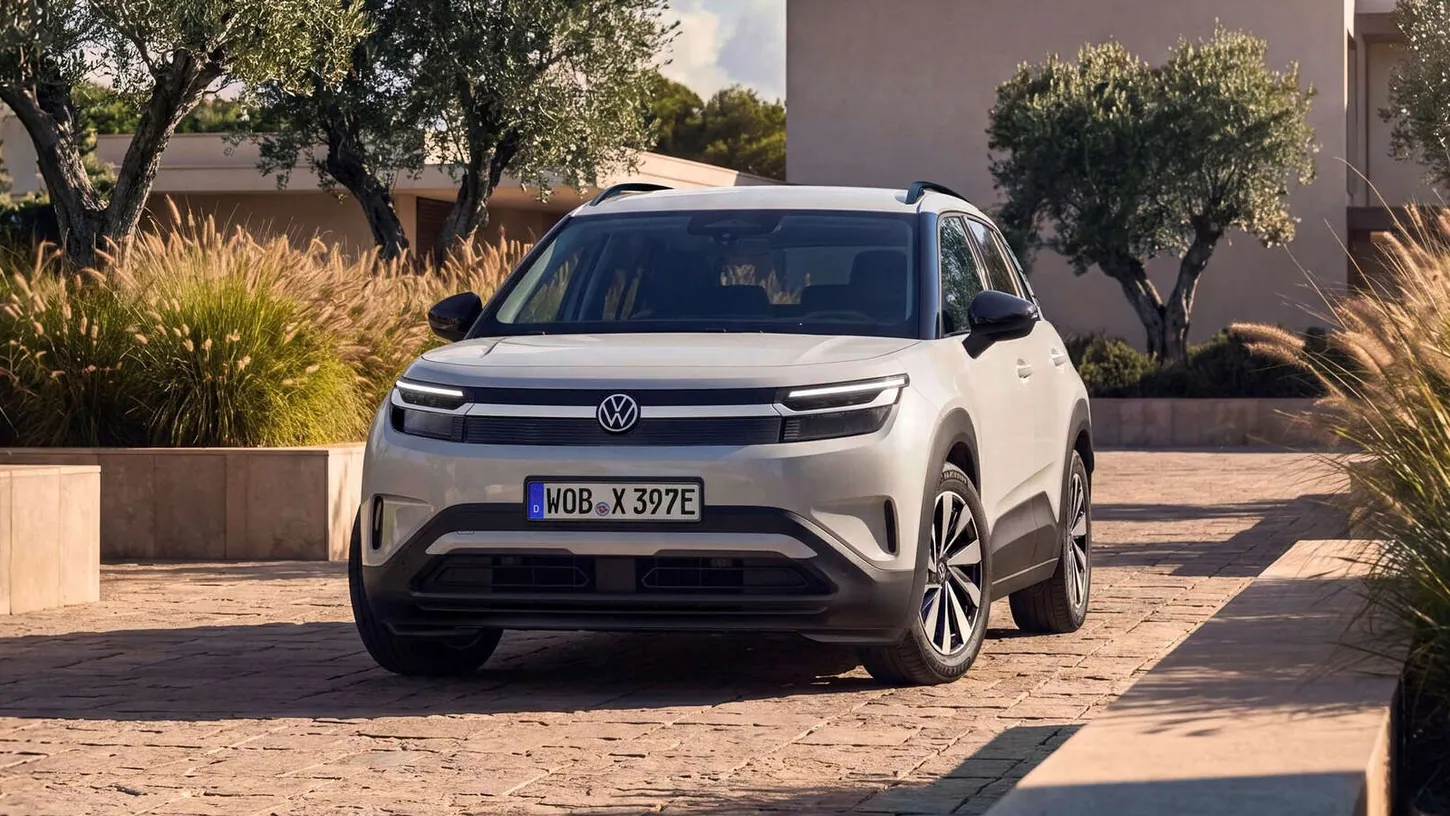

Volkswagen is considering cutting as many as 100,000 jobs and closing four German factories, two people familiar with the matter told Reuters on Friday, June 26, in what would be the largest restructuring in the company’s 89-year history. The plants on the list are Volkswagen‘s sites in Hanover, Zwickau and Emden, plus Audi‘s factory in Neckarsulm. Closing them would put more than 45,000 jobs at risk, on top of the roughly 50,000 cuts the company already agreed with unions in late 2024.
CEO Oliver Blume presented the plan to senior executives earlier this week, ahead of a July 9 supervisory board meeting where directors will discuss it. The package, first reported by German business magazine Manager Magazin, would also cut planned investment by about 15% to just over €130 billion ($148 billion) over five years, and split the core VW brand and the parts operation into separate companies. Blume and CFO Arno Antlitz want to break apart a structure that has shielded the carmaker from exactly this kind of decision for decades.
Roughly 15% of a 657,000-person workforce would go. Two years ago that number would have been unthinkable. The detail that tells you how far things have moved: as recently as June 18, at the annual shareholder meeting, Blume was still talking about 19,000 German departures by the end of 2026. Eight days later the figure under discussion is five times larger.
The plants on the list build Volkswagen’s electric future
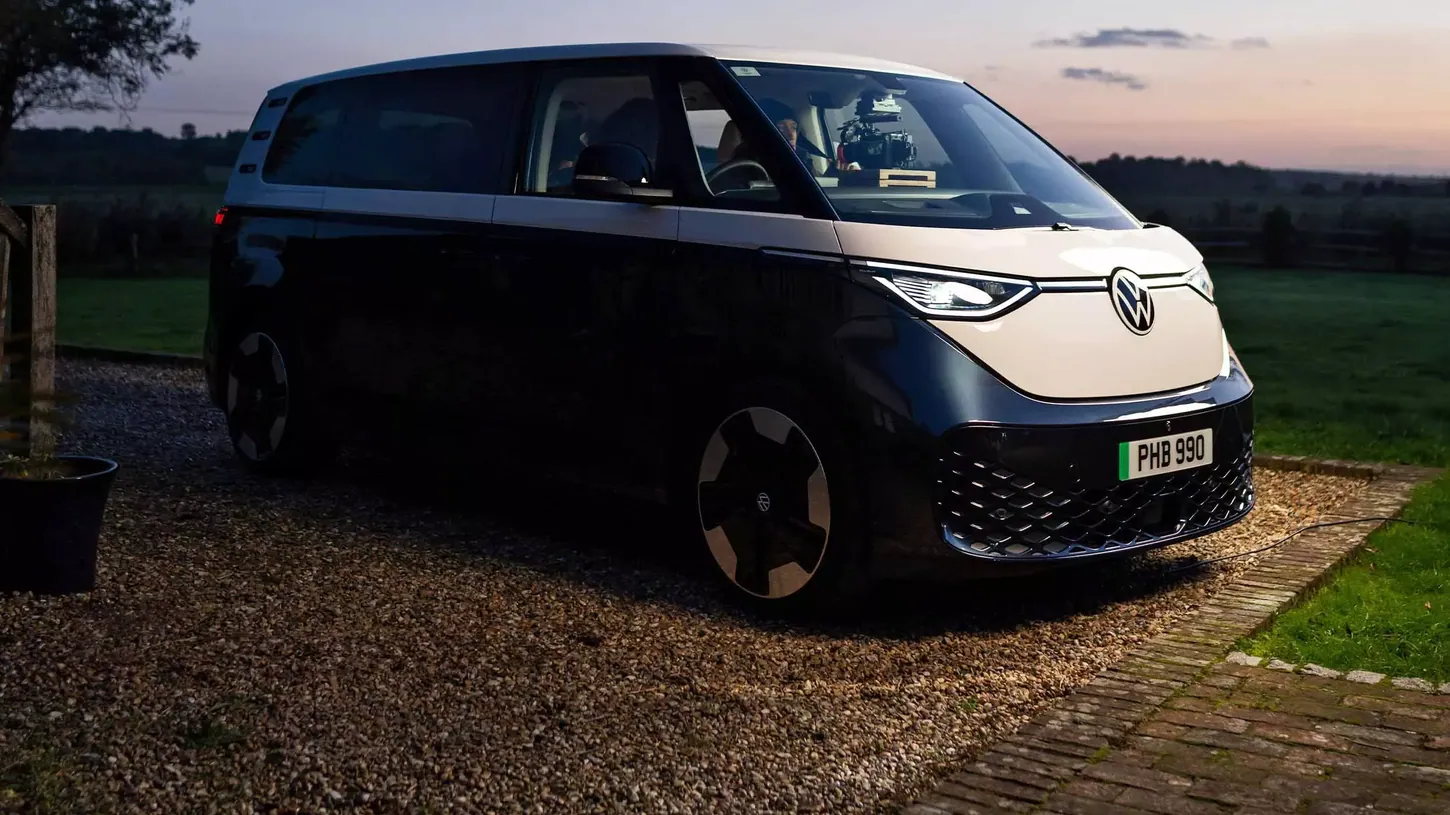
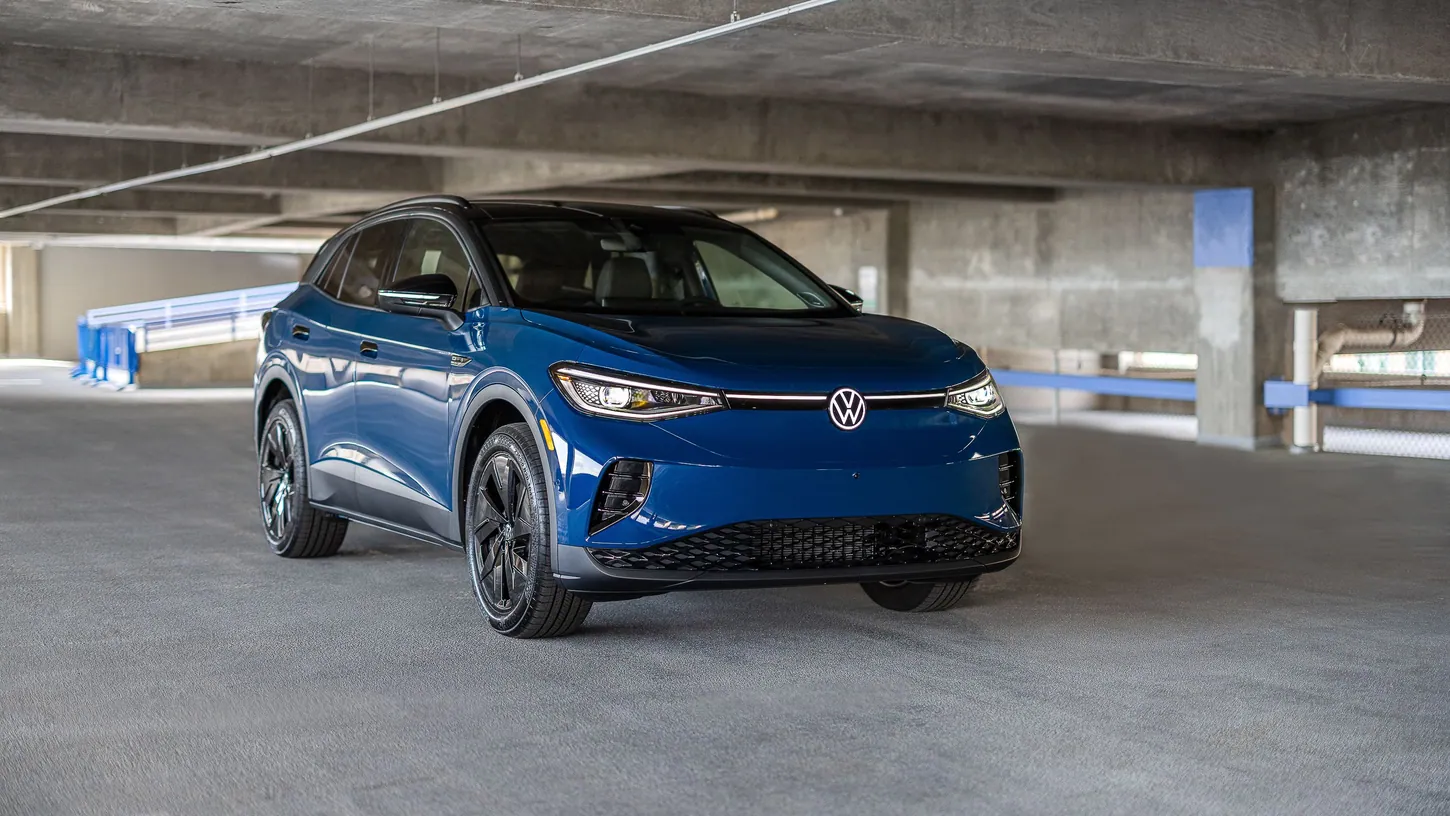
Three of the four sites slated for closure are core to the group’s EV output, which is what makes this more than an ordinary cost story. Zwickau builds the ID.3, ID.4 and ID.5, plus the Audi Q4 e-tron and the Cupra Born. Emden assembles the ID.4, ID.7 and ID.7 Tourer. Hanover makes the ID. Buzz alongside commercial vans. Under the reported plan, production would wind down as the models currently built there reach the end of their cycles, rather than through immediate shutdowns, a distinction that will matter enormously once labor lawyers get involved.
That timing detail is doing a lot of work. Volkswagen’s job security agreement runs to the end of 2030, and Audi’s to the end of 2033. Winding down a plant when its product cycle ends, instead of announcing a closure outright, is the kind of maneuver that lets management argue it is honoring those deals while still emptying the buildings. The works council will not read it that way.
The EV exposure here is not incidental. Volkswagen poured years and billions into the ID line as its answer to Tesla and the Chinese entrants, and the cars never sold at the volumes the factories were built for. The ID. Buzz makes the point cleanly: VW killed the 2026 model year for the US market in December after fewer than 5,000 American sales, with dealers cutting up to $25,500 off remaining stock. Hanover’s van plant, the one that builds it, has a 130,000-unit capacity it has never come close to filling.
China turned from Volkswagen’s profit engine into its biggest problem
For years China was where Volkswagen made the money that paid for everything else. That cushion is gone. Non-Chinese automakers’ share of the Chinese market fell to 32% in 2025 from 57% in 2020, according to AlixPartners. Volkswagen, China’s top-selling brand for years, was knocked into second place by BYD in 2024 and dropped to third behind Geely in 2025.
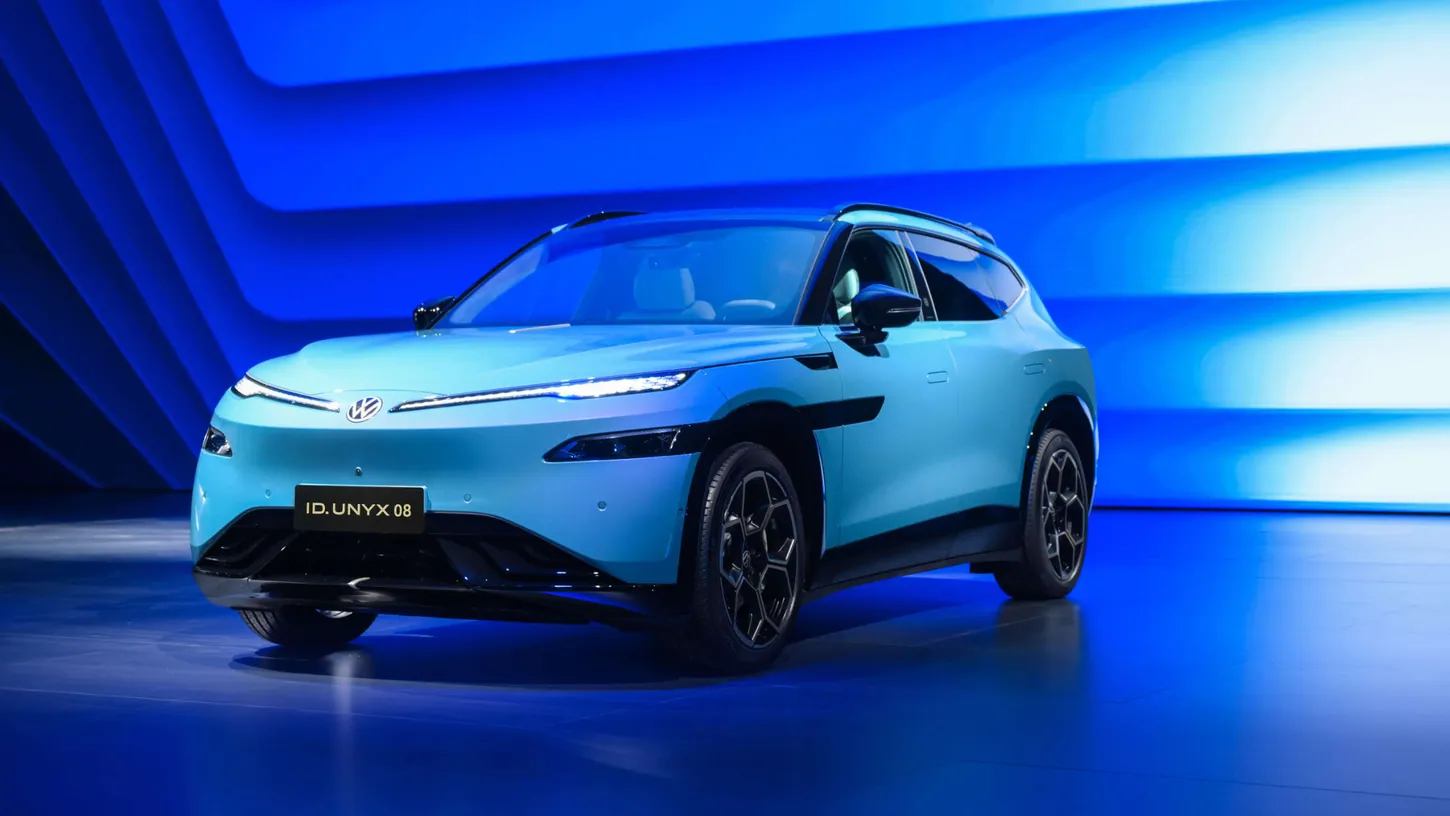
The competitive gap is most visible in what VW has resorted to doing. The company now co-develops cars with Xpeng for the Chinese market, and the resulting ID. Unyx 08 carries almost no recognizable Volkswagen design, because VW concluded it could not out-engineer the locals on software and chose to license from them instead. Its in-house software division, Cariad, ran years late and billions over, which is why VW turned to a $5.8 billion partnership with Rivian for Western-market architecture. Both moves are admissions that a company with a century of engineering history could not build the electronics buyers now expect.
The pressure has spread beyond the mass market. BMW issued a profit warning last week tied partly to weak China sales, and BYD, Chery, SAIC and Leapmotor doubled their combined European market share through May from a year earlier, per ACEA data. The home turf is contested now too.
Volkswagen’s governance is built to stop exactly this
What separates Volkswagen from a typical restructuring is who gets a vote. Lower Saxony, the German state, is the second-largest shareholder and holds blocking rights under a law written specifically to protect VW jobs. Labor representatives control half the supervisory board. The IG Metall union and the works council have power here that unions at most automakers can only imagine.
They have already said no. In a joint statement Friday, the works council and IG Metall said they would do everything in their power to prevent the plans. This is the second time Blume has reached for deep cuts: his 2024 attempt to close German plants triggered strikes and ended in a negotiated retreat that produced the 50,000-job deal now being treated as a floor rather than a settlement. The investor view is its own verdict. VW shares traded near 16-year lows on Friday and have lost close to 60% of their value since Blume became CEO nearly four years ago. Antlitz put it plainly to investors earlier this year, warning that the savings planned so far were not enough and that the company was putting its future at risk.
EVXL’s Take
This is the bill arriving for a decade of treating electrification as a press-release commitment rather than a real one. Volkswagen built ID factories sized for a demand wave that its own products never generated, then watched Chinese rivals it dismissed in 2018 take both China and a growing slice of Europe. The 100,000 figure is not a Chinese-competition story alone, whatever the wire framing suggests. It is the cost of overbuilding for EVs VW could not sell, running a software division that burned years and billions, and protecting plants long past the point the math worked.
I want to be precise about where I land, because it cuts against the easy reading. I am not cheering plant closures, and I do not think Chinese state subsidies are a fair fight; we have argued repeatedly that BYD’s cost advantage is mostly vertical integration and scale, not Beijing handouts, and that protectionism aimed at incumbents rather than consumers is the wrong tool. But Volkswagen’s wound here is largely self-inflicted. The company that admitted its Rivian-derived platform might end up powering gas cars, and that white-labeled an Xpeng for China, was telling you its EV conviction had a subsidy-shaped expiration date. The buildings in Zwickau and Emden are where that lack of conviction becomes 45,000 people’s problem.
Here is the part to watch. Blume tried this in 2024 and the unions broke him. The July 9 board meeting is the real test of whether anything has changed. Lower Saxony’s blocking rights and labor’s half of the supervisory board have not moved, and the “wind down as models phase out” language reads like a lawyer’s workaround for a job-security deal that runs to 2030. Watch that meeting for whether the 100,000 figure survives contact with the people who hold the votes, or whether it gets negotiated down to something closer to the 50,000 already on the table, the way every prior VW cut target has been softened. The track record says softened. The difference this time is that the China cash that funded past compromises is no longer there to spend.
Sources: Reuters, first reported by Manager Magazin.
EVXL uses automated tools to support research and source retrieval. All reporting and editorial perspectives are by Haye Kesteloo.