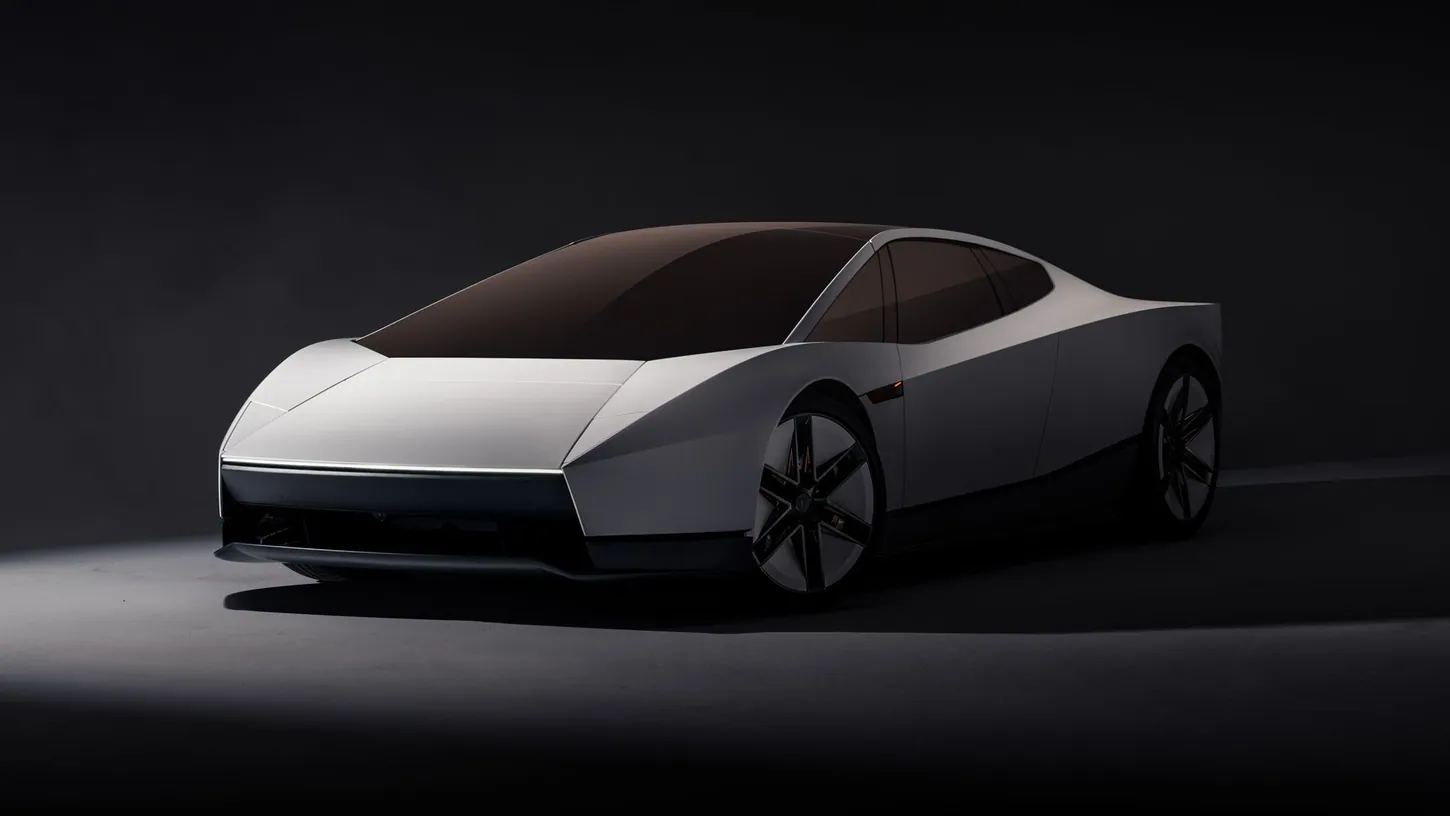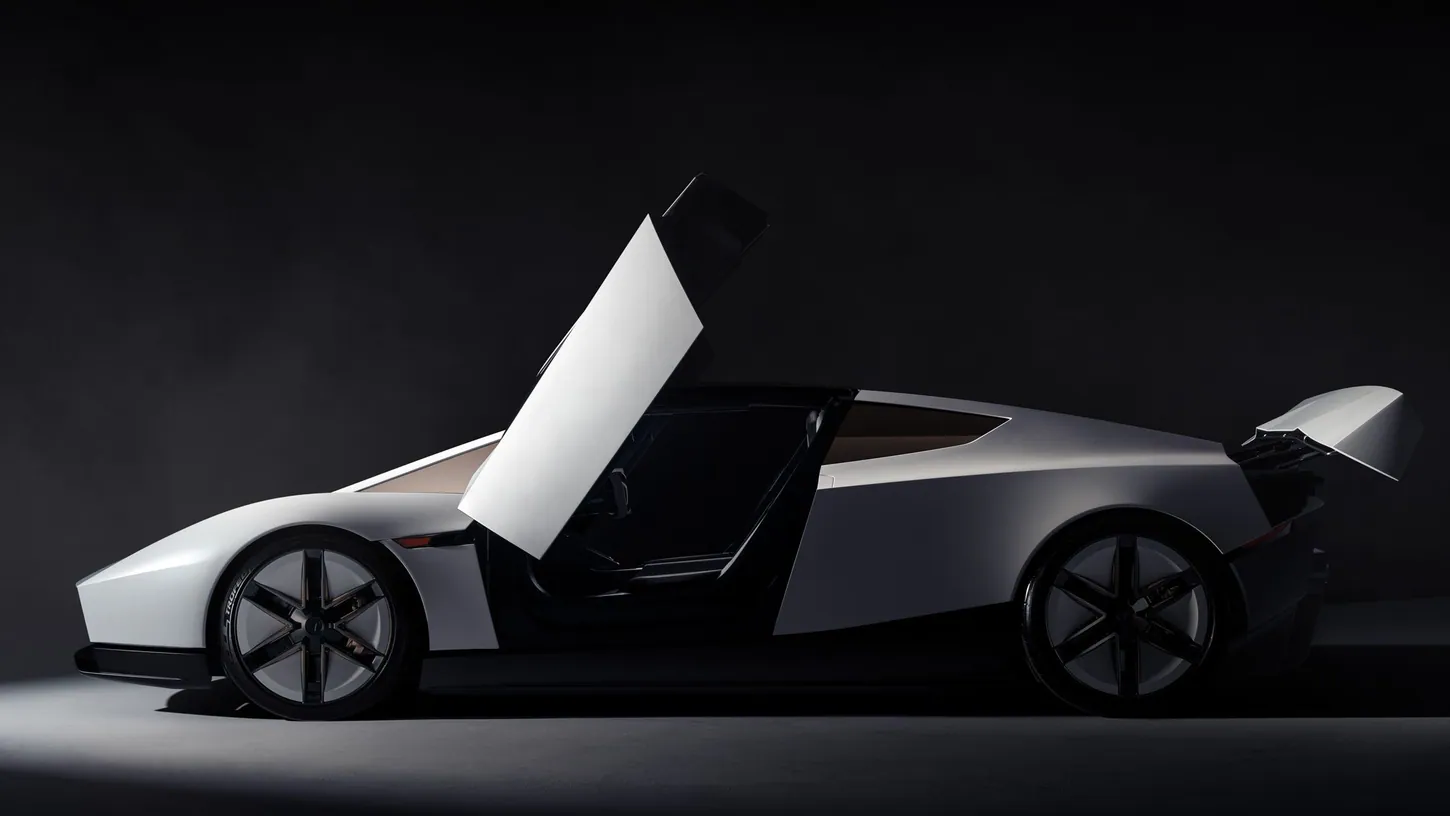

Ferrari released another interior video of the Luce, its first all-electric car, as the May 2026 full exterior reveal in Italy approaches. The clip continues the brand’s three-stage rollout: powertrain details emerged in Maranello in October 2025, the interior and name landed in San Francisco on February 9, and a series of video episodes has kept the Luce in front of buyers since. The car costs more than €500,000 ($535,000) and deliveries are slated for late 2026.
The headline specs were set at the October reveal: 1,113 horsepower from four electric motors arranged in a Halbach array configuration borrowed from Ferrari’s Formula 1 division, a 122 kWh NMC battery with cells sourced from South Korean supplier SK On, and 350 kW peak DC fast charging. Curb weight lands at approximately 5,100 pounds. That places this four-door, four-seat car squarely alongside the Porsche Taycan Turbo S by mass, not alongside traditional Ferrari supercars that weigh under 4,000 pounds.
What the new video makes plain is that Jony Ive, the LoveFrom co-founder who designed the original iPhone and iPad, built the Luce’s cockpit as a direct rebuttal to the touchscreen-first interiors his Apple work helped inspire across the industry.

LoveFrom’s Interior Puts Physical Controls Ahead of Touchscreens
The Luce cabin centers on a three-spoke steering wheel machined from 100 percent recycled aluminum in 19 separate CNC parts, with analog control pods for driving mode and chassis configuration on either side of the lower spars. The instrument binnacle, mounted to the wheel column for an unobstructed sight line, uses layered Samsung OLED panels: the speedometer graphic sits below the level of a physical needle, with drive information in front of that, all beneath a curved inset lens. The result is visual depth that reads as analog at a glance and digital on inspection.
There is a central touchscreen, but it is repositionable and secondary. Physical buttons handle the most-used functions. Ive, speaking to Top Gear earlier this month, drew the contrast with Tesla’s approach bluntly: “Practically and functionally, a large touchscreen doesn’t work in a car. That’s incontrovertible.” He added that designing it that way was “easy and lazy.”
The Range Figure Ferrari Is Citing Is Not an EPA Number
The 330-mile figure Ferrari has quoted consistently is WLTP (Worldwide Harmonised Light Vehicle Test Procedure), the European standard used in Ferrari’s home market. WLTP ratings typically run 15 to 25 percent higher than their EPA equivalents for the same vehicle under the same conditions. Applying that conversion to 330 WLTP produces an expected EPA-equivalent range of roughly 260 to 280 miles, with 265 miles a reasonable midpoint estimate. Ferrari has not yet submitted the Luce for EPA certification; official figures will emerge around or after the May reveal.
The 350 kW DC charging claim is peak, not sustained. No charging curve data has been released. How the Luce performs from 10 to 80 percent in a real session will matter more than the headline kilowatt number, and Ferrari has not addressed this publicly.

EVXL’s Take
The Jony Ive paradox is real. He spent years making touch interfaces the default way humans interact with devices. Now he is calling large touchscreens in cars lazy and functionally broken, and his reasoning holds up: buried menu hierarchies force eyes off the road, and touch controls offer no tactile confirmation without looking. His credibility on this is genuine. The problem is he is making this argument in a car positioned as a low-volume model at over $535,000. It will not move Tesla’s interface strategy one degree.
I haven’t driven the Luce. No journalist has, yet. What I’d need before forming a firm view on the physical-versus-digital balance: whether the repositionable touchscreen actually repositions without stopping the car, and how that layered OLED binnacle reads in direct afternoon sun at the May reveal in Italy. Elegant photography in a dark room is not a usability test.
I’ve been tracking Ferrari’s EV plans since the June 2025 reports of a second EV being pushed to 2028 and the August clarification from CEO Benedetto Vigna that no second model had been officially announced. Both episodes confirmed that Ferrari is treating electrification as a careful, low-volume experiment. At $535,000 and deliberately low volume, the Luce is a proof of concept with a price tag. Ferrari will publish EPA range figures at or before the May reveal. They will land below 280 miles. If the certified number comes in under 250, the pricing defense gets harder even in this segment. Expect that figure by June 2026.
EVXL uses automated tools to support research and source retrieval. All reporting and editorial perspectives are by Haye Kesteloo.