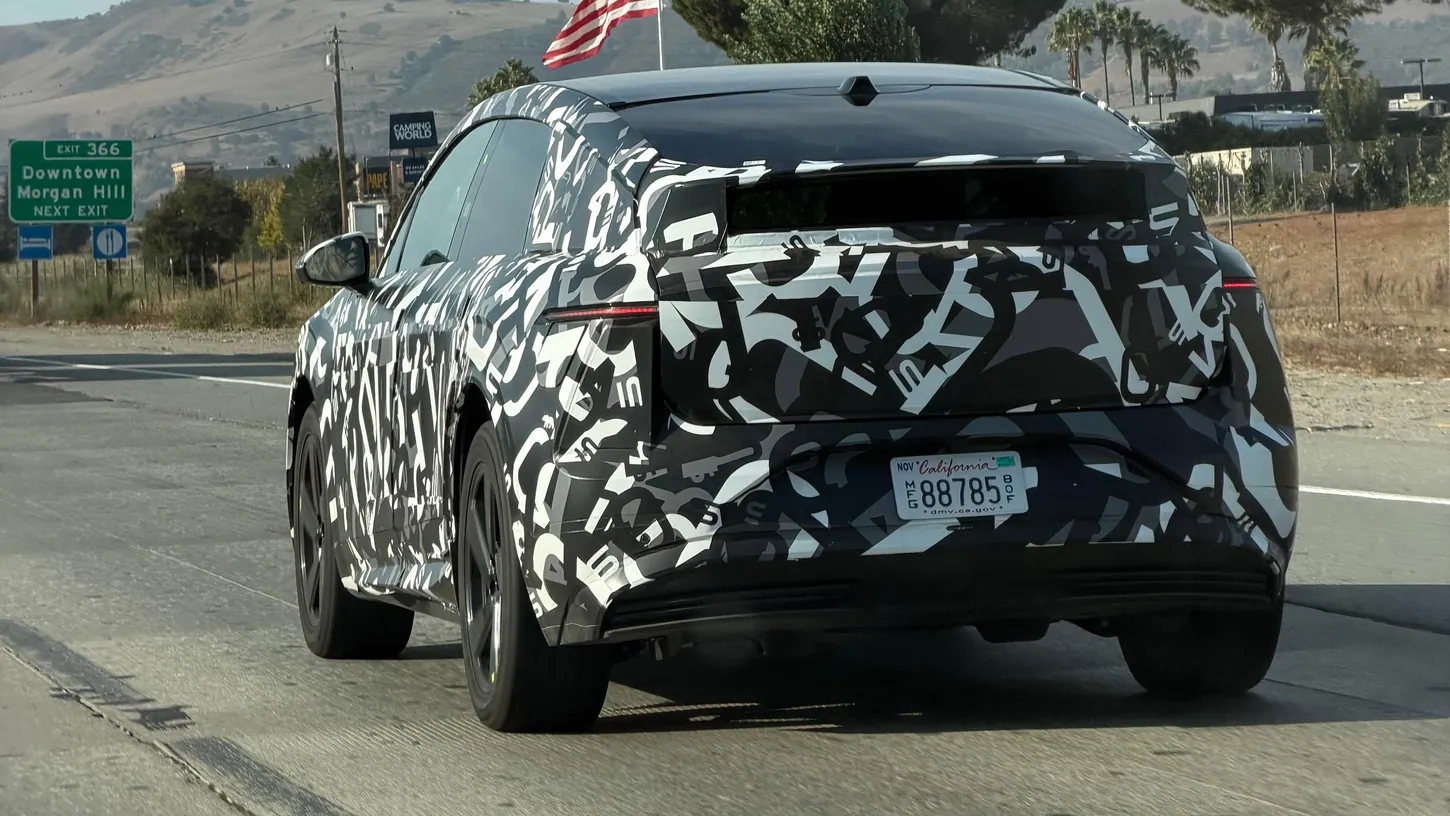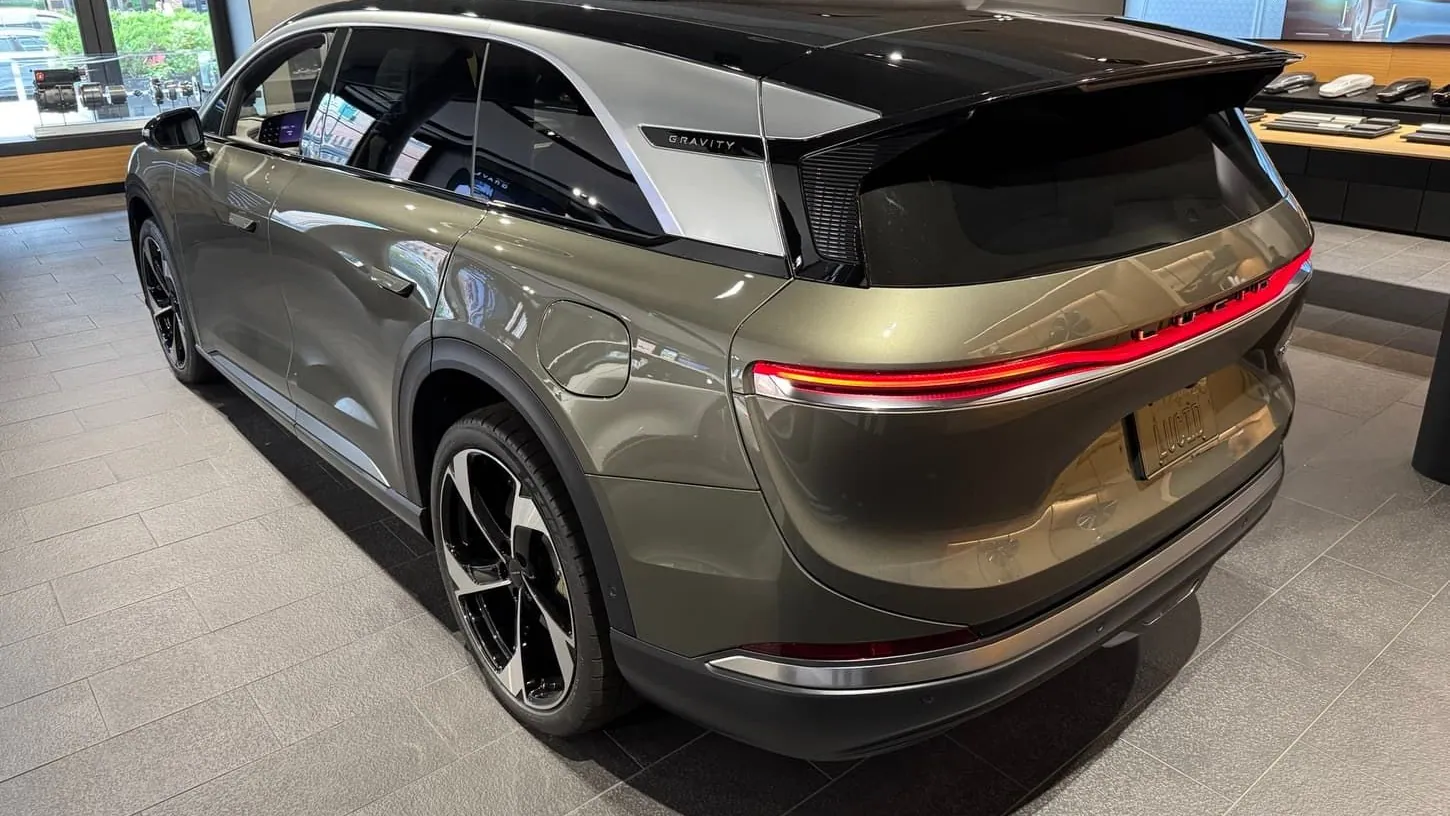

Lucid Group produced 5,500 vehicles in the first quarter of 2026 but delivered just 3,093, the company disclosed on April 3. The gap traces directly to a supplier quality problem with second-row seats in the Lucid Gravity that halted deliveries for 29 days during the quarter. Lucid says the issue has been resolved and is holding its full-year 2026 production guidance at 25,000 to 27,000 vehicles. Full financial results come on May 5, 2026, at 2:30 p.m. PT.
A Seat Defect Cost Lucid Nearly A Month Of Gravity Deliveries
The Lucid Gravity sat idle in delivery queues for 29 of Q1’s 90 days because of a supplier quality defect affecting second-row seats. Lucid did not name the supplier or specify whether the issue triggered a formal recall. The company described it as a quality problem that has since been corrected. That single disruption explains most of the spread between 5,500 units produced and 3,093 delivered, a gap of more than 2,400 vehicles. Those units presumably sit as finished inventory heading into Q2.
This is not the first time quality execution has put Lucid in an awkward position. The Gravity launched without Apple CarPlay (a feature already standard on the older Air sedan) and took until March 2026 to deliver it via OTA update, one day before the company’s investor day in New York. Software and supplier quality have been recurring friction points for a brand that charges $79,900 for the Gravity Touring.
Lucid Changed How It Counts Production This Quarter
Buried in the press release is an accounting change that matters for anyone tracking Lucid’s production numbers over time. Starting Q1 2026, Lucid is including all vehicles produced at AMP-1 in its production totals, including those shipped to Saudi Arabia. Previously, Saudi-bound vehicles were apparently counted differently. This means the 5,500 figure is not directly comparable to prior quarters on an apples-to-apples basis. Lucid did not quantify how many of the 5,500 units are destined for Saudi Arabia versus North America and Europe.
For context: Lucid delivered 15,841 vehicles globally in all of 2025, up 55% year over year. The 2025 guidance was approximately 18,000 vehicles. The 2026 guidance of 25,000 to 27,000 implies roughly 40% to 50% growth. To hit the midpoint of 26,000, Lucid needs to average about 6,500 deliveries per quarter for the rest of the year after delivering only 3,093 in Q1. That math requires no further disruptions and a strong ramp in Q2 through Q4.
EVXL’s Take
The 29-day Gravity delivery halt is genuinely damaging, not just as a one-quarter miss but as a brand signal. When you sell a $79,900 SUV, buyers expect the seats to work. A seat defect that freezes deliveries for a third of the quarter is the kind of story that follows a brand into showroom conversations for months.
I’ve been skeptical of Lucid’s 2026 delivery guidance since we covered the 319-person Newark layoff in February, where I called for Lucid to miss delivery guidance by at least 15%. Q1 reinforces that view. Even with the seat issue resolved, Lucid needs to deliver about 23,000 vehicles over the next three quarters. That’s an average quarterly pace the company has never come close to before. The production accounting change adds another wrinkle: if a meaningful share of the 5,500 Q1 units are Saudi-bound, the domestic and European demand picture could look even softer than the headline suggests.
The inventory overhang from Q1 gives Lucid a cushion heading into Q2, those 2,400-plus finished vehicles can be delivered without additional production. That may flatter Q2 deliveries and mask the underlying demand question. The real test comes in Q3, when that buffer runs out and the company needs organic buyer demand to carry the number. My call: Lucid delivers fewer than 22,000 vehicles in 2026, missing its 25,000-to-27,000 guidance by more than 10%.
EVXL uses automated tools to support research and source retrieval. All reporting and editorial perspectives are by Haye Kesteloo.