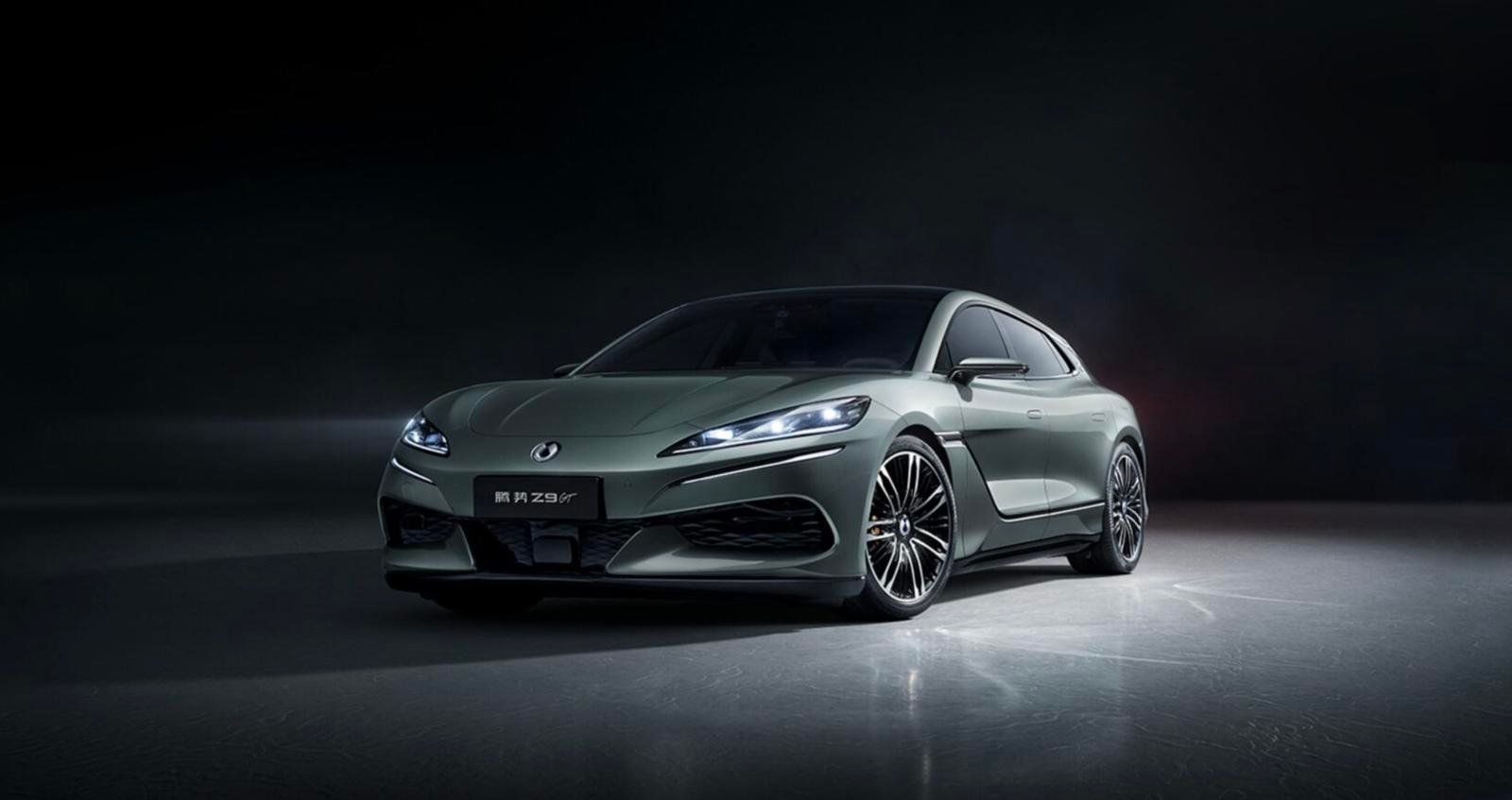
Range claims from China’s test cycle deserve scrutiny. The CLTC (China Light-duty vehicle Test Cycle) consistently produces numbers well above what real-world driving delivers — typically estimated at 20-30% higher than EPA-rated figures. Keep that in mind when reading what BYD‘s luxury brand Denza just announced for the refreshed Z9GT, as reported by CNEVPost on February 27, 2026.
- The Fact: Denza previewed the updated Z9GT on February 27, 2026, with a claimed CLTC range of up to 1,036 km — a 64% jump over the outgoing model’s 630-km CLTC figure.
- The Delta: Regulatory filings also show an updated Z9 sedan using the same 102.326 kWh and 122.496 kWh battery packs, reaching up to 1,068 km CLTC — a higher number than the GT wagon variant.
- The Battery Spread: The PHEV versions of both Z9 and Z9GT get a 63.82 kWh pack, nearly double the previous PHEV’s 33 kWh capacity, enabling over 400 km of pure-electric range under CLTC.
- The Buyer Reality: CLTC-to-real-world conversion puts the GT’s usable range closer to 700-800 km in mixed conditions — still exceptional by any global standard.
The Battery Specs Behind the 1,036-Km Claim
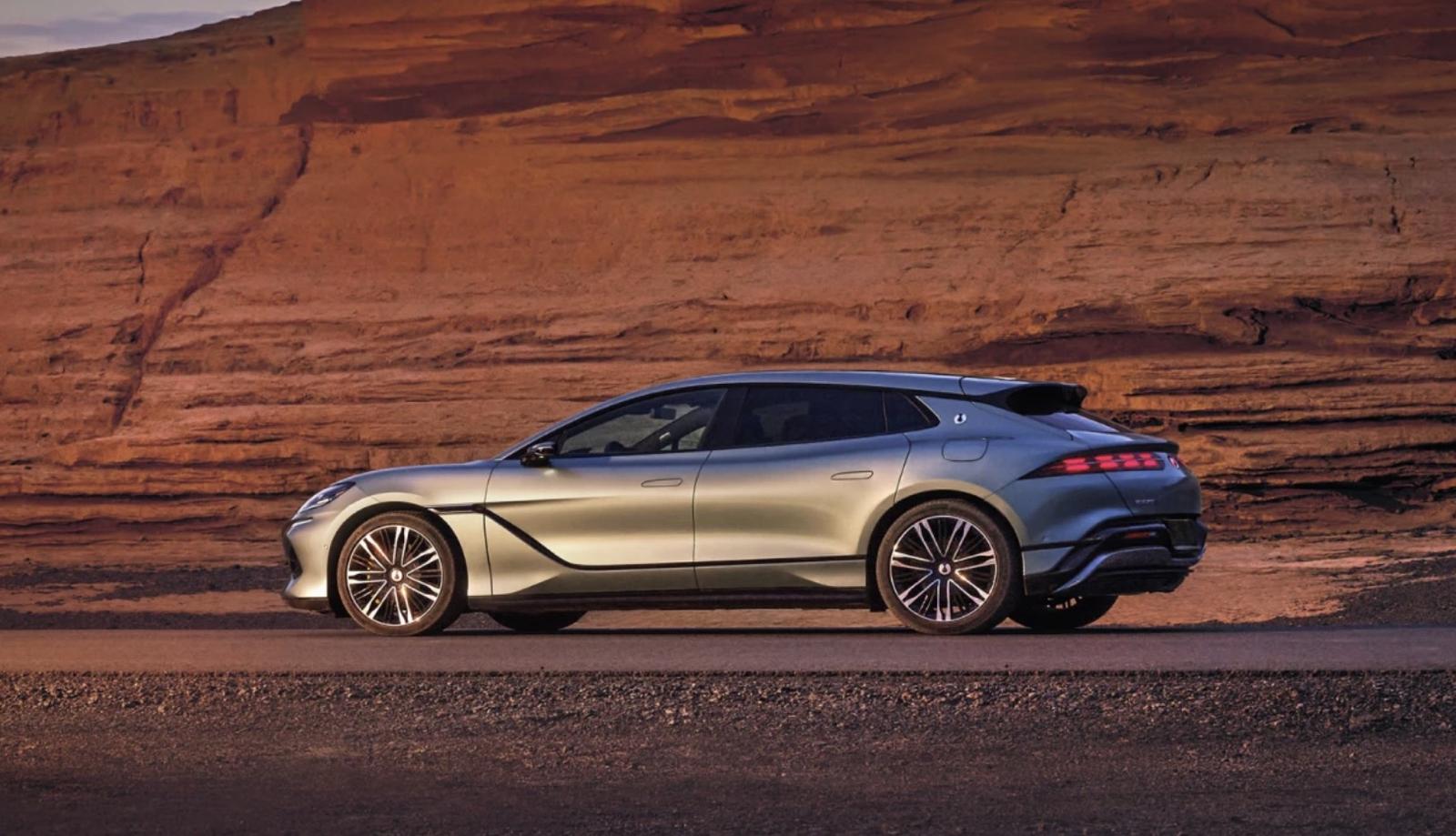
The updated Denza Z9GT will offer two battery pack options — 102.326 kWh and 122.496 kWh — delivering CLTC ranges of 820 km and 1,036 km respectively, according to regulatory filings submitted earlier in February 2026. The larger pack, at 122.496 kWh, is doing the heavy lifting for that headline number. For context, a 122 kWh pack puts this in Lucid Air Grand Touring territory on raw capacity, though Lucid’s architecture is tuned for efficiency over outright size.
The outgoing Z9GT managed 630 km CLTC from its battery. That 406-km gain points to a significant chemistry or architecture change in the new pack, though Denza has not yet disclosed cell chemistry specifics. BYD‘s Blade Battery technology uses LFP chemistry, known for longevity and safety. Whether the Z9GT’s larger packs use Blade LFP or a higher-density NMC variant remains unconfirmed ahead of the official launch.
We covered China’s “No Fire” battery mandate in December 2025, which directly benefits BYD’s chemistry approach. A 122 kWh LFP pack capable of 1,000-plus CLTC km would be a meaningful proof point for that technology direction.
Z9GT Drivetrain Expands With a Single-Motor Option
The current Z9GT lineup is exclusively three-motor, using Denza’s e3 triple-motor independent drive system. The refreshed model adds a single-motor rear-wheel-drive variant with 370 kW output, giving buyers a lower entry point while keeping the flagship three-motor setup for performance-focused buyers. The 370 kW figure is roughly 496 horsepower. Not a slow car by any measure, and likely the configuration tied to the larger 122.496 kWh pack for maximum range.
The Z9GT also gains a roof-mounted LiDAR sensor relocation to support God’s Eye 5.0, Denza’s latest advanced driver assistance system. The outgoing model carries a forward-facing LiDAR; moving it to the roof improves the sensor’s field of view, particularly for lane-change and highway merging scenarios. A new green exterior color rounds out the visual changes.
Pricing and Denza’s Position in BYD’s Portfolio
The current Z9GT starts at RMB 354,800 (roughly $51,760 at today’s rate of RMB 6.8548 to the dollar) for the BEV, with a second BEV trim at RMB 384,800. PHEV variants run from RMB 334,800 up to RMB 414,800. Pricing for the updated models has not been announced yet, though it is unlikely BYD will significantly raise the sticker given the ongoing price pressure across China’s premium segment.
Denza started as a 50/50 joint venture between BYD and Daimler in 2011. BYD raised its stake to 90% in 2022, and Mercedes-Benz sold its remaining 10% in September 2024. The brand now operates fully under BYD’s control, targeting Chinese buyers who want domestic prestige without the German badge premium.
That positioning matters more now than it did two years ago. As we reported in January, BYD doubled its exports while Western automakers retreated, and Denza sits at the top of that domestic premium push. Meanwhile, Porsche announced plans to wind down its China charging network, effectively ceding a premium experience argument it once used to justify its pricing against local rivals.
How 1,036 Km Stacks Up Against Global Rivals
Denza’s claim of “world’s highest range for a pure electric vehicle” holds up for now. No production BEV from any other manufacturer currently reaches 1,000 km under any major test cycle. The closest competitor in a real-world sense is the Lucid Air, which achieved an EPA-rated 516 miles (830 km) in earlier Grand Touring model years. And BMW’s iX3 demonstrated 1,007.7 km in a team-driven real-world test, though that was a controlled efficiency run, not a rated figure.
The comparison problem is the test cycle gap. CLTC allows lower speeds and more favorable conditions than EPA or WLTP. A car rated at 1,036 km CLTC likely delivers 700-800 km in mixed European-style driving, and possibly less at highway speeds. That’s still excellent. But “world’s longest range EV” in a press release does not automatically translate to that in a cross-country drive at 120 km/h.
For additional context, the Volvo EX60 targets 400 miles of EPA-estimated range, which is roughly 644 km. That is a figure North American buyers treat as a credible reference point. Denza’s 1,036 km CLTC is considerably higher on paper, but once you normalize for test cycle differences, the real-world gap narrows considerably.
EVXL’s Take
The 1,000-km CLTC threshold is becoming a marketing benchmark in China the same way 300-mile EPA range became a credibility floor in the US around 2021. BYD is smart to get there first with a production vehicle, even if the real-world number is materially lower. The headline wins the news cycle. The footnote about CLTC vs. real-world stays in the article.
What actually interests me here is the 122.496 kWh pack size. That’s a large battery for a GT wagon. The efficiency required to push 1,036 km CLTC from that capacity works out to roughly 11.8 kWh/100 km under test conditions. Most performance-oriented EVs in this segment burn 18-22 kWh/100 km in mixed real-world conditions. If Denza is genuinely approaching 14-15 kWh/100 km in actual driving, that’s the real story, not the CLTC headline.
The single-motor RWD addition also signals something: Denza wants the Z9GT to sell volume, not just serve as a halo product. A three-motor flagship at RMB 384,800 is a narrow market. A single-motor variant with 1,000-plus km range on the sticker is a different conversation entirely. I’d expect that configuration to drive the majority of Z9GT sales once launched, probably by mid-2026, assuming Denza prices it below the current entry BEV trim.
One thing worth watching: whether BYD’s three consecutive months of declining deliveries through November 2025 affects how aggressively Denza prices the refresh. Three straight months of year-over-year declines suggest BYD is not immune to China’s price war pressure, even at the premium end. If they hold pricing at current levels while putting a 122 kWh pack in, the Z9GT refresh is genuinely competitive on value. If they push the sticker up to reflect the larger battery, the calculus changes.
Editorial Note: AI tools were used to assist with research and archive retrieval for this article. All reporting, analysis, and editorial perspectives are by Haye Kesteloo.
Discover more from EVXL.co
Subscribe to get the latest posts sent to your email.