BYD Denza Z9GT Claims World’s Longest EV Range at 1,036 Km, But CLTC Numbers Need Context
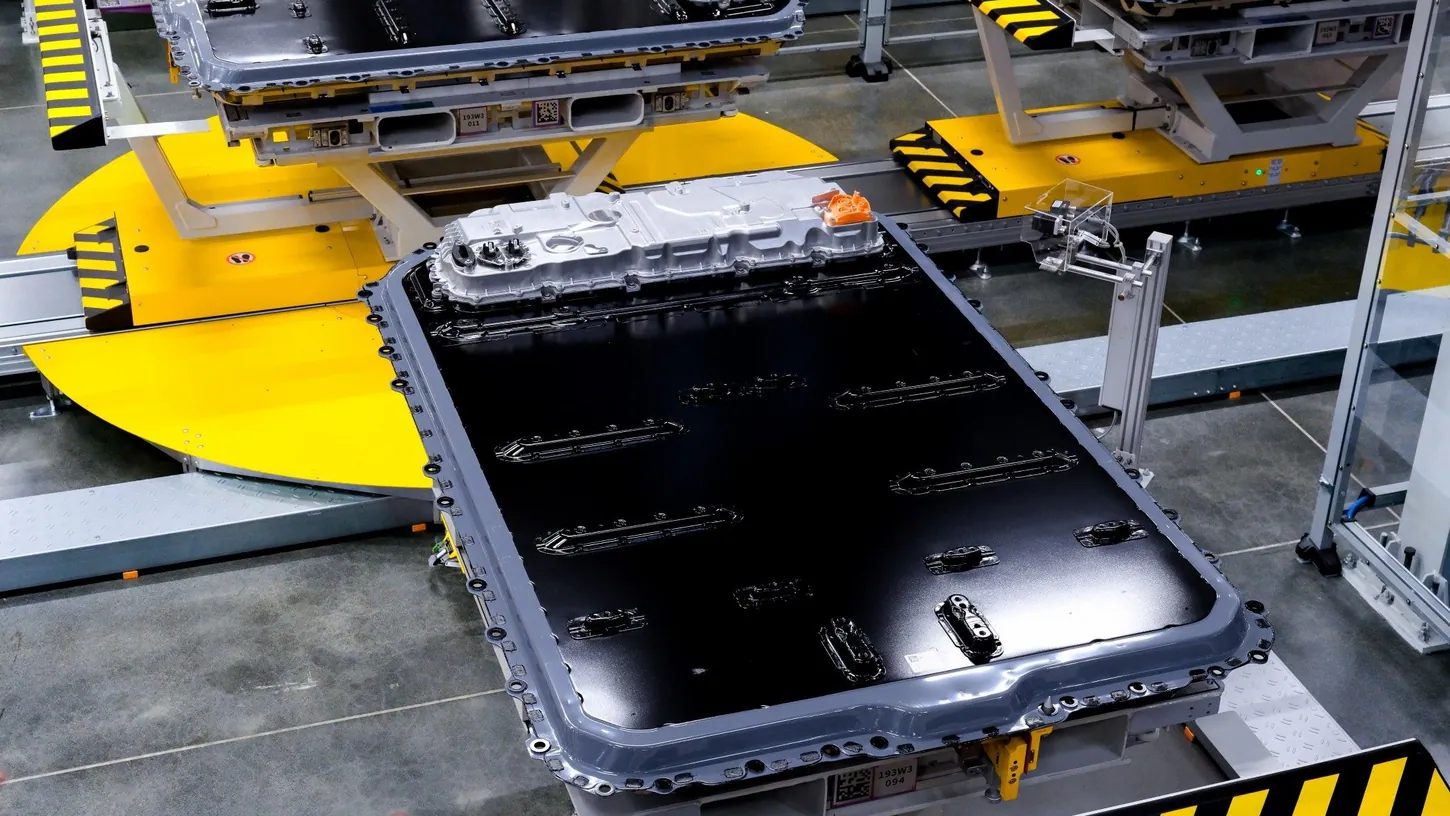
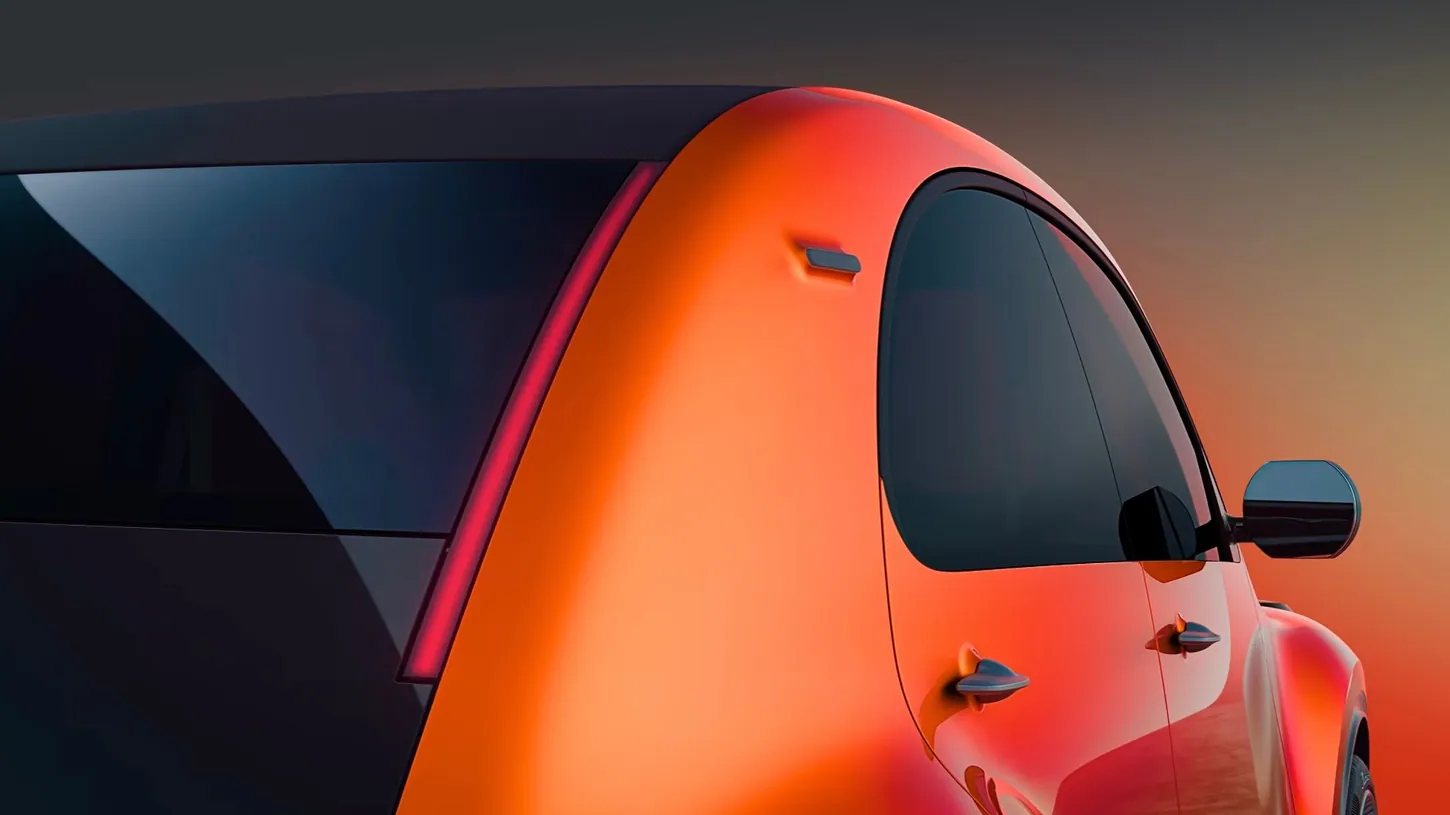
The updated Denza Z9GT will offer two battery pack options -- 102.326 kWh and 122.496 kWh -- delivering CLTC ranges of 820 km and 1,036 km respectively
EV battery technology without the hype: the lab results that matter (and how far from production they are), real-world failure and longevity data, and the chemistry race under every range claim.
The updated Denza Z9GT will offer two battery pack options -- 102.326 kWh and 122.496 kWh -- delivering CLTC ranges of 820 km and 1,036 km respectively
Nankai University researchers published a 700 Wh/kg lithium metal battery in Nature on February 25 — nearly three times the energy density of CATL's Qilin. The same team already has a 500 Wh/kg battery installed in a FAW Hongqi vehicle targeting mass production by end of 2026.
Ford CEO Jim Farley has been driving a Xiaomi SU7 for over a year and openly admits he doesn’t want to give it up. Now the Financial Times reports Ford and Xiaomi held actual talks about building EVs together on American soil. Ford says the report is “completely false.” Ford’s denial came directly from the…
Renault SA plans to reintegrate its Ampere electric vehicle and software operations back into the parent company, reversing a strategy that never delivered the €10 billion valuation former CEO Luca de Meo once promised investors. The French automaker is meeting with labor unions today to discuss the reorganization. Bloomberg reports that CEO François Provost is…
Finnish electric motorcycle maker Verge Motorcycles and its technology spinoff Donut Lab just announced the world’s first production vehicle with solid-state batteries at CES 2026. The $30,000 TS Pro promises 200+ miles of range, sub-10-minute charging, and 100,000 charge cycles. There’s just one problem: the company has shared zero technical data, zero third-party validation, and…
For years, the biggest anxiety holding back prospective EV buyers wasn’t range – it was battery degradation. We’ve been covering this concern since EVXL’s founding, watching the narrative shift from “EV batteries die after 5 years” to something far more nuanced. Now, a comprehensive new study from fleet telematics company Geotab analyzing over 22,700 electric…
The electric vehicle revolution runs on cobalt, and a devastating new book exposes exactly whose hands dig it out of the ground. “The Elements of Power” by New Yorker journalist Nicolas Niarchos traces the battery supply chain from Congolese mines to Chinese factories to the EVs parked in American driveways, and the picture isn’t pretty.…
We’ve been tracking Tesla’s 4680 battery saga since Elon Musk unveiled it at Battery Day in 2020, promising it would enable a $25,000 EV within three years. Five years later, we have the clearest evidence yet that those promises have collapsed: a $2.9 billion supply deal reduced to $7,386. That’s not a typo. That’s a…
Battery technology is the story underneath every other EV story — every range claim, every price cut, every used-car valuation — and this desk covers it with one discipline: say whether a number comes from a lab or a production line.
The production-line truth is better than the market believes: EV batteries post a 0.3% failure rate while buyers price in a repair bill that almost never comes. That perception gap misprices used EVs across the board, and closing it is worth more to most buyers than any breakthrough.
The lab frontier is genuinely moving: Nankai University’s 700 Wh/kg cell, published in Nature, is roughly triple production energy density — and a decade-scale, high-attrition road from paper to pack. Between the two sit the claims that need a cycle label: the Denza Z9GT’s 1,036 km CLTC headline reads differently on the EPA desk.
The industrial race — who builds the packs, in which country, behind which tariff wall — runs through the China desk. Every battery story lands in the feed below.
Far longer than buyers assume: real-world data puts the failure rate around 0.3%, while used-EV pricing still bakes in a phantom replacement bill. The perception gap is one of the biggest market inefficiencies in used EVs.
Roughly triple today's production energy density — the Nankai cell published in Nature is genuinely striking science. It is also a lab result, and the road from Nature paper to production pack is a decade-scale story with high attrition. We report both halves.
No. Waiting for the next chemistry is how people don't drive EVs for a decade. Today's packs post the 0.3% failure rate; buy on today's numbers and let the labs surprise you.

One email with the EV news that matters — Tesla, Rivian, BYD, and everything in between, straight from the newsroom. No spam, no fluff.