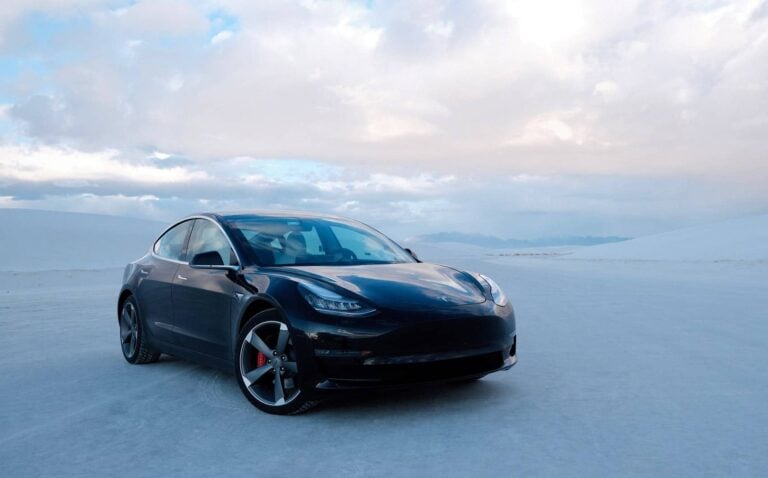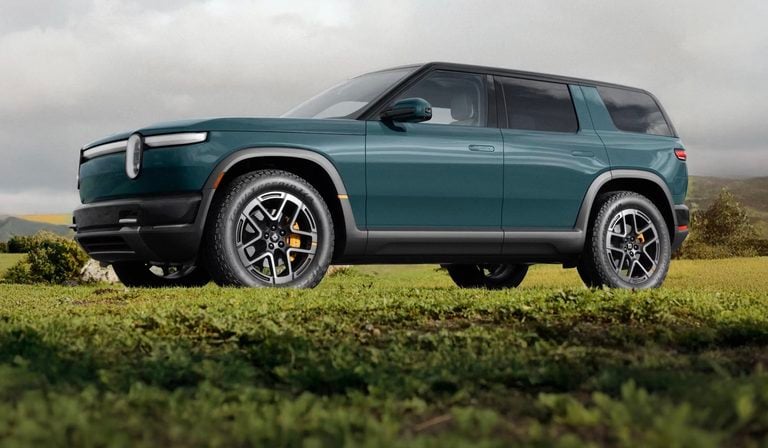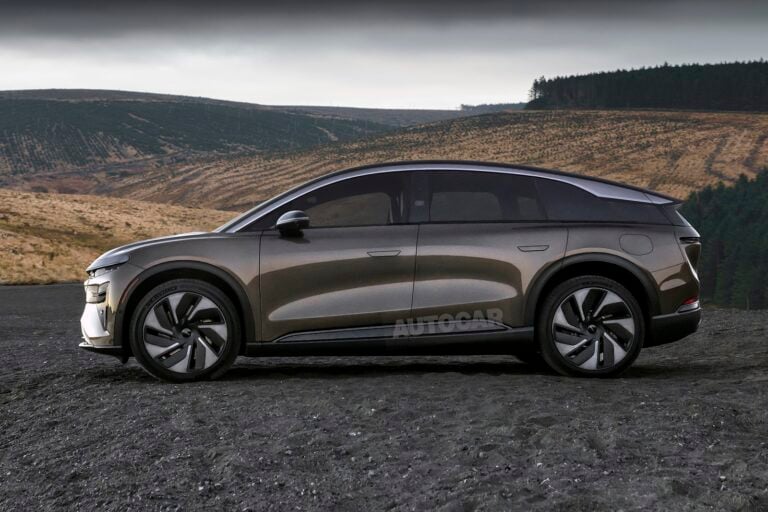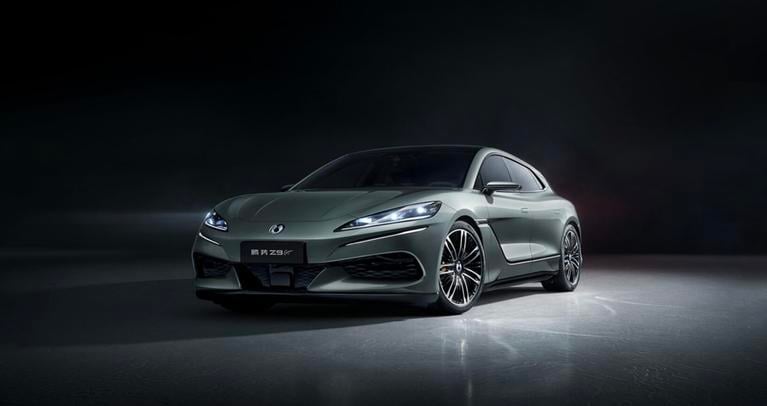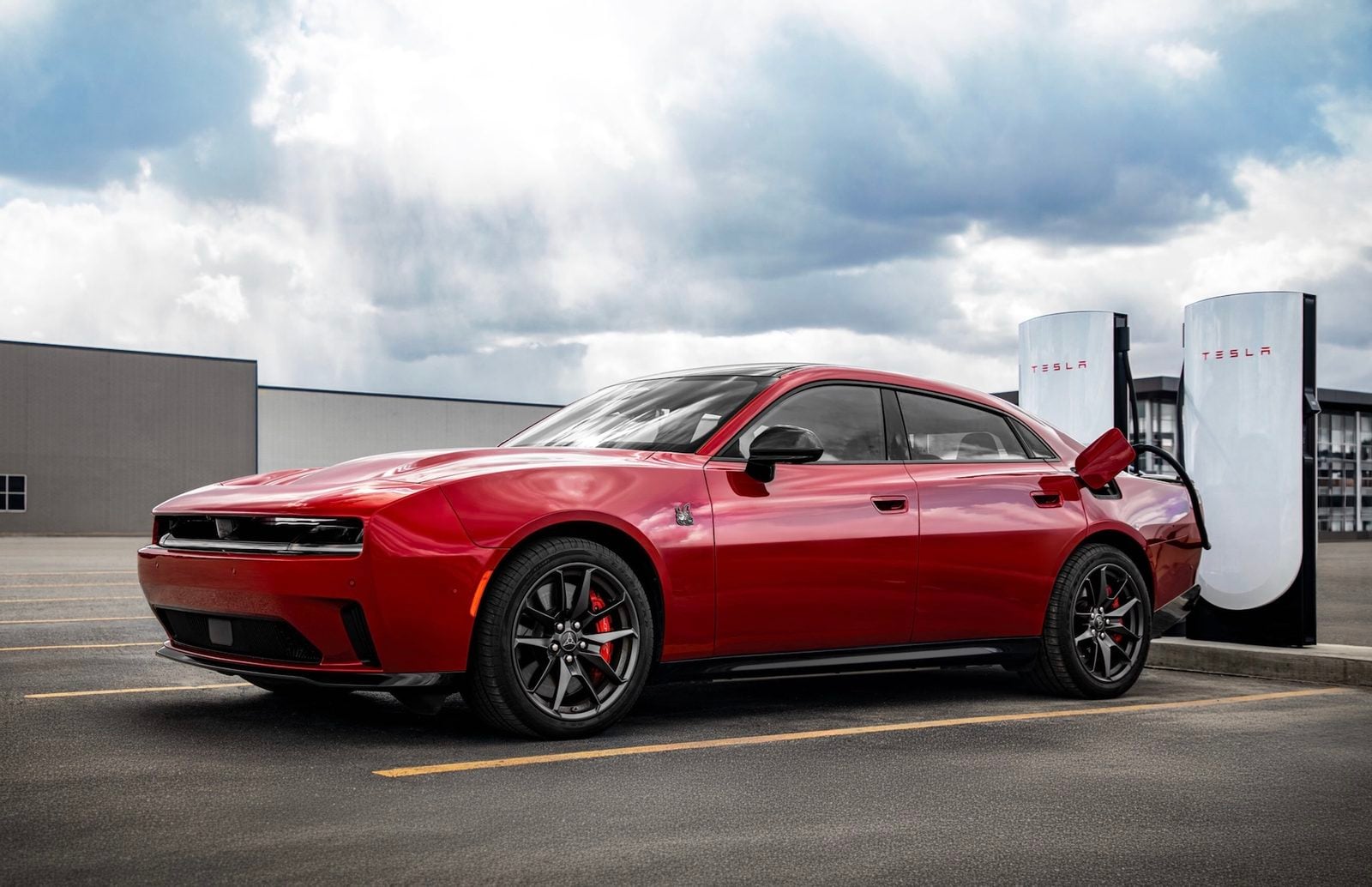
Owners of Stellantis electric vehicles, spanning the Dodge, Jeep, Ram, FIAT, and Maserati brands, can now charge at Tesla‘s Supercharger network across North America, according to a post on X by Sawyer Merritt. Tesla has not issued a separate press release confirming the change; the announcement appeared alongside a screenshot of Tesla’s updated network partner page. The access covers more than 27,500 Supercharger stalls on the continent. That figure is specific to North America and slightly lower than the 28,000 stalls Tesla cited in November 2025, which covered a broader region that included Japan and South Korea. Stellantis now brings the total to 21 automaker entries on Tesla’s published partner list, covering virtually every major EV brand sold in the United States.
The timing is pointed. Stellantis took a €22.2 billion ($26 billion) write-down earlier this year to unwind EV commitments it could no longer justify, canceling the electric Ram 1500, scaling back Jeep electrification plans, and pivoting hard toward hybrids. Stellantis is retreating from EVs. It is simultaneously gaining access to the broadest charging network in North America.
Every Automaker With Supercharger Access Now
With Stellantis brands added, Tesla’s partner list covers 21 automaker entries whose EV customers can access the North American Supercharger network, per Tesla’s published partner page at the time of this report. The rollout has moved steadily since Ford and General Motors gained access in June 2025, as we covered at the time. BMW was among the most recent additions, joining in December 2025 when the confirmed partner count stood at 19. Additional brands joined between that point and the Stellantis announcement, bringing the total to 21 per Tesla’s own list.
- Acura
- Audi
- BMW
- Ford
- General Motors
- Genesis
- Honda
- Hyundai
- JLR
- Kia
- Lucid
- Mercedes
- Nissan
- Polestar
- Porsche
- Rivian
- Stellantis (Dodge, Jeep, Ram, FIAT, Maserati)
- Subaru
- Toyota
- Volkswagen
- Volvo
What Stellantis EV Owners Actually Need to Charge
Most current Stellantis EVs, including the Dodge Charger Daytona, which launched as the brand’s first fully electric vehicle in 2024, ship with Combined Charging System (CCS) ports, not the North American Charging Standard (NACS) connector found on Teslas. A CCS-to-NACS adapter is required to plug in at a Supercharger. Tesla installs Magic Dock adapters at select Supercharger locations; these have built-in CCS compatibility and require no additional hardware from the owner, but availability varies by site. Stellantis has not confirmed when its vehicles will ship with native NACS ports from the factory.
The adapter question is not a dealbreaker, but it is friction. When BMW gained access in December 2025, the brand pointed owners toward a third-party Lectron Vortex Plus adapter at $175. The same cost and compatibility dynamics apply here. Owners who live near Magic Dock-equipped Superchargers will have an easier path. Those who do not will want to sort out an adapter before their first long-distance trip.
Tesla’s 27,500 North American Stalls Make the Difference on Road Trips
The 27,500-stall figure for North America is a subset of Tesla‘s global network, which crossed 75,000 stalls worldwide in November 2025. The density of the North American network is what makes this access meaningful for real-world driving. When we covered the Supercharger opening for GM and Ford EVs last June, the contrast with competing fast-charge networks was immediate and measurable: Supercharger sites consistently offered 12 or more operational stalls where rival networks frequently showed multiple chargers out of service.
The network has been steadily evolving from a Tesla-exclusive asset into de facto public infrastructure, and Tesla has continued deploying stalls at an accelerating rate even after dissolving its Supercharger team in April 2024. In Q3 2025 alone, the company installed 4,000 new stalls, its highest quarterly total on record. The world’s largest Supercharger, a 164-stall solar-powered facility in Lost Hills, California, opened fully in November 2025.

EVXL’s Take
There’s a real tension in this announcement worth naming directly. Stellantis just took the largest EV-related write-down in automotive history, $26 billion, and canceled its electric Ram 1500 while walking back electrification commitments across Jeep and other brands. Now the same company is announcing Supercharger access for the few EVs it still sells. That is not hypocrisy exactly. It is a reminder that individual product decisions and corporate strategy can point in completely opposite directions at the same time.
For a Dodge Charger Daytona Scat Pack owner, someone who spent $73,000 on a 3.3-second-to-60 electric muscle car, getting Supercharger access is genuinely good news. That owner made a real purchase on a product that still exists and still needs a charging network. They deserve infrastructure support regardless of what Stellantis’s CFO decided to write down in Q4 earnings.
What I find more interesting is what this does to Tesla’s business model over time. When I looked at the numbers after Ford and GM gained access in June 2025, the pattern was already clear: Tesla is converting its charging infrastructure into a recurring revenue utility. Non-Tesla EV owners pay higher per-kWh rates than Tesla account holders at the same Supercharger locations — Tesla publishes current pricing by site in its app, and the spread has consistently run above $0.10 per kWh in favor of Tesla account holders. Every non-Tesla session that runs through a Supercharger generates revenue at a margin Tesla didn’t have to build new infrastructure to capture. At 21 automakers and counting, this is no longer a partnership program. It is a toll road.
Stellantis will add NACS-native vehicles in the coming model years if its remaining EV programs survive the current restructuring. The Jeep Wagoneer S is the first Stellantis vehicle named in Tesla’s early 2026 access timeline; expect its owners to be the first who can plug into a Supercharger without an adapter, before the end of 2026. Whether the Wagoneer S finds buyers at scale is a separate question. The charging access will be there when they look for it.
EVXL uses automated tools to support research and source retrieval. All reporting and editorial perspectives are by Haye Kesteloo.
Discover more from EVXL.co
Subscribe to get the latest posts sent to your email.