

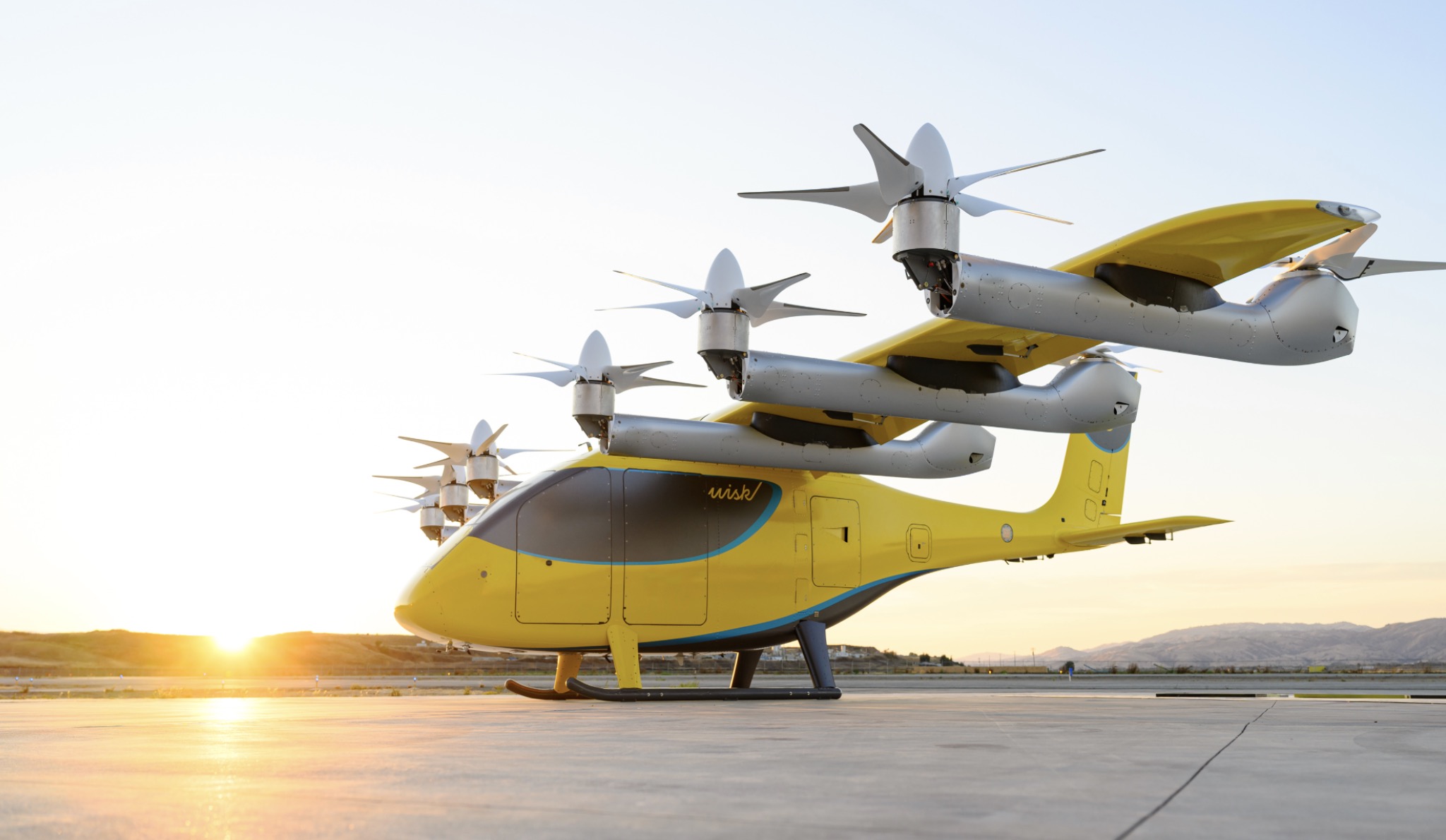
The U.S. Department of Transportation and FAA named eight advanced air mobility projects on March 9 that will put electric aircraft into real commercial airspace — Class B and C airports with active air traffic control — before those aircraft have received full FAA type certification. The program targets operational flights by summer 2026. For an industry that has been demonstrating prototypes and collecting venture capital for years, this is the moment the test environment expands to include actual airports, actual cargo, and in some cases actual paying customers.
- The Program: The eVTOL Integration Pilot Program (eIPP) was created under Trump’s June 2025 executive order on aviation innovation. It received more than 30 proposals and selected eight across 26 states.
- The Aircraft: Archer Midnight, Joby S4, Beta Alia (VTOL and CTOL variants), Wisk Generation 6, Electra EL9, and Elroy Air Chaparral are all involved, alongside Reliable Robotics’ autonomy platform.
- The Permission: Pre-certified aircraft can fly into commercial airports, interact with ATC, and carry cargo for revenue — a legal first in U.S. aviation history.
- The Source: Official DOT announcement, March 9, 2026.
The eIPP Creates a Pre-Certification Revenue Flight Pathway
The eVTOL Integration Pilot Program occupies new legal ground in U.S. aviation: it allows electric aircraft that have not yet received FAA type certification to conduct revenue-generating operations under Other Transaction Agreements that define exactly what each participant can and cannot do. Aircraft involved generally exceed 1,320 pounds and will operate piloted, optionally piloted, or fully autonomous — depending on the project and the signed OTA. Those agreements are still being finalized, with operations possible within 90 days of signing.
The precedent matters. The FAA finalized pilot training and certification rules for powered-lift aircraft in October 2024, calling the eVTOL category the first new class of civil aircraft since helicopters in the 1940s. The eIPP is the operational proving ground that generates the data behind the next layer of regulation. Participants are required to share results periodically — though they can shield anything deemed commercially sensitive, which limits how much of the most valuable data actually becomes public policy.
One practical constraint: every dollar of infrastructure comes from the participants themselves. The FAA coordinates airspace approvals but isn’t building vertiports or charging stations. Electra CEO Marc Allen described his company as “chomping at the bit” to access Class C and B airspace — which signals that the path in isn’t automatic, just more structured than it was before the eIPP existed.
Six Aircraft, Eight Projects, One Autonomous Cargo Outlier
The eIPP spans urban air taxi networks in New York and Texas, rural medical logistics in Utah and North Carolina, offshore energy cargo in Louisiana, and a standalone autonomous freight operation in New Mexico. Here’s where each project stands:
| Lead Applicant | Key Partners | Primary Focus |
|---|---|---|
| Port Authority of NY/NJ | Archer, Beta, Electra, Joby | 12 operational concepts including Manhattan heliport eVTOL ops |
| Texas DOT | Archer, Beta, Joby, Wisk | Regional air taxi routes: Dallas, Austin, San Antonio, Houston |
| Utah DOT | Ampaire, Beta, Joby | Rural cargo and medical flights across 4 states |
| Pennsylvania DOT | Beta, Electra | 13-state regional connectivity, Essential Air Service-style routes |
| Louisiana | Beta, Elroy Air | Offshore energy logistics, Gulf of America cargo |
| Florida DOT | Archer, Beta, Electra, Joby | 3-phase: cargo, passengers, medical response, automation |
| North Carolina DOT | Beta, Joby | Piloted medical ops + autonomous extension into Virginia |
| City of Albuquerque | Reliable Robotics | Autonomous cargo at KABQ, KDRO, KSAF airports |
The aircraft range widely in size and purpose. Archer’s Midnight carries four passengers at around 150 mph on 20-50 mile urban hops. Elroy Air’s Chaparral is a fully autonomous cargo drone rated for 300 pounds over 300 miles — no pilot, no passenger, just freight. Electra’s EL9 seats nine and needs just 150 feet of ground roll, which means it can operate from grass strips rather than conventional runways. Wisk’s Generation 6 is Boeing’s autonomous four-passenger air taxi, which completed its first flight in December 2025. Wisk’s Dan Dalton confirmed the company may fly helicopters first to collect operational data before transitioning to the Gen 6.
The Albuquerque project is the clearest outlier. Reliable Robotics won the only city-led slot and will run commercial autonomous cargo flights through its own Part 135 subsidiary, Reliable Airways. That means it’s already an operating air carrier — not a manufacturer seeking future certification. Flights are planned between Albuquerque International Sunport, Durango-La Plata County Airport in Colorado, and Santa Fe Regional Airport, using autonomy systems Reliable is simultaneously certifying with the FAA.
The New York Opportunity Is the Biggest Single Market
The Port Authority project covers the largest geographic scope, with 12 operational concepts planned across New England. It includes four manufacturers — Archer, Beta, Electra, and Joby — and targets flights into Manhattan’s Downtown Skyport heliport. Joby has a head start here: the company acquired Blade Air Mobility’s passenger division in 2025, which gave it existing terminal relationships across the New York area. Electra is studying a New Jersey-to-New York route with Signature Aviation and Vertiports by Atlantic. Beta will work with Metro Aviation and Bristow on medical logistics.
Texas is Wisk’s priority market. The company views the Houston area as its target launch location post-certification, and the eIPP gives it a way to start building operational data and customer relationships in the region before type certification clears. Beta’s Texas work focuses on statewide medical supply distribution with Bristow and Future Flight Global, rather than passenger transport.
EVXL’s Take
The industry has been here before — not with eVTOLs, but with EVs. Years of government-backed demonstration programs, billions in venture capital, optimistic launch timelines that kept slipping. Some companies made it. Many didn’t. The eIPP is real regulatory progress, but it’s worth separating what the program actually permits from what the press releases claim.
What it permits: pre-certified aircraft in commercial airspace, with FAA coordination, under carefully negotiated OTAs. What it doesn’t do: accelerate the underlying type certification process. Archer is still working through piloted VTOL testing on its second Midnight prototype. Short sellers have cited private investor meetings where FAA certification was reportedly pushed to 2028. The eIPP doesn’t change that clock — it just gives companies a way to build operational data and market presence while it runs.
Cargo will fly before passengers do. The autonomous freight operations — Reliable Robotics in Albuquerque, Elroy Air’s Chaparral in Louisiana, Beta’s medical supply runs in Texas and Utah — face a simpler liability picture and don’t need passenger type certification timelines to line up. Expect revenue cargo flights under this program by Q4 2026. Paying passengers in U.S. urban airspace is still 2027 at the earliest, and that’s an optimistic read. The summer 2026 start date is real for cargo. For air taxis, it’s a press release target.
Editorial Note: AI tools were used to assist with research and archive retrieval for this article. All reporting, analysis, and editorial perspectives are by Haye Kesteloo.
Discover more from EVXL.co
Subscribe to get the latest posts sent to your email.










This move on the part of DOT and the FAA is nothing short of monumental. The clear message to candidate concepts and companies is this- Don’t be bold, Don’t try to impress anyone, DON’T BLOW IT! If in doubt, CANCEL OUT! ONE F—- Up will fuel the enemies of progress, and set you all back big time. If you just make it through this without any big disasters, the sky is literally the limit!