The vacant lot next to Fred Ippolito’s Volkswagen dealership in West Islip, New York, says more about the current state of auto retail than any industry report. According to the Wall Street Journal, Ippolito bought it four years ago, convinced Scout Motors would need dealer partners to move its American-built trucks and SUVs. Today it’s still empty, and Ippolito is suing Volkswagen and Scout in federal court.
- The Fact: Scout Motors, the VW Group-backed American truck brand, plans to sell its vehicles directly to consumers, bypassing the roughly 600 dealers in Volkswagen’s U.S. franchise network entirely.
- The Delta: Because Scout is a VW Group company, dealers argue it is legally bound to sell through franchised dealerships under state franchise laws, unlike startups such as Rivian or Lucid that never established dealer networks in the first place.
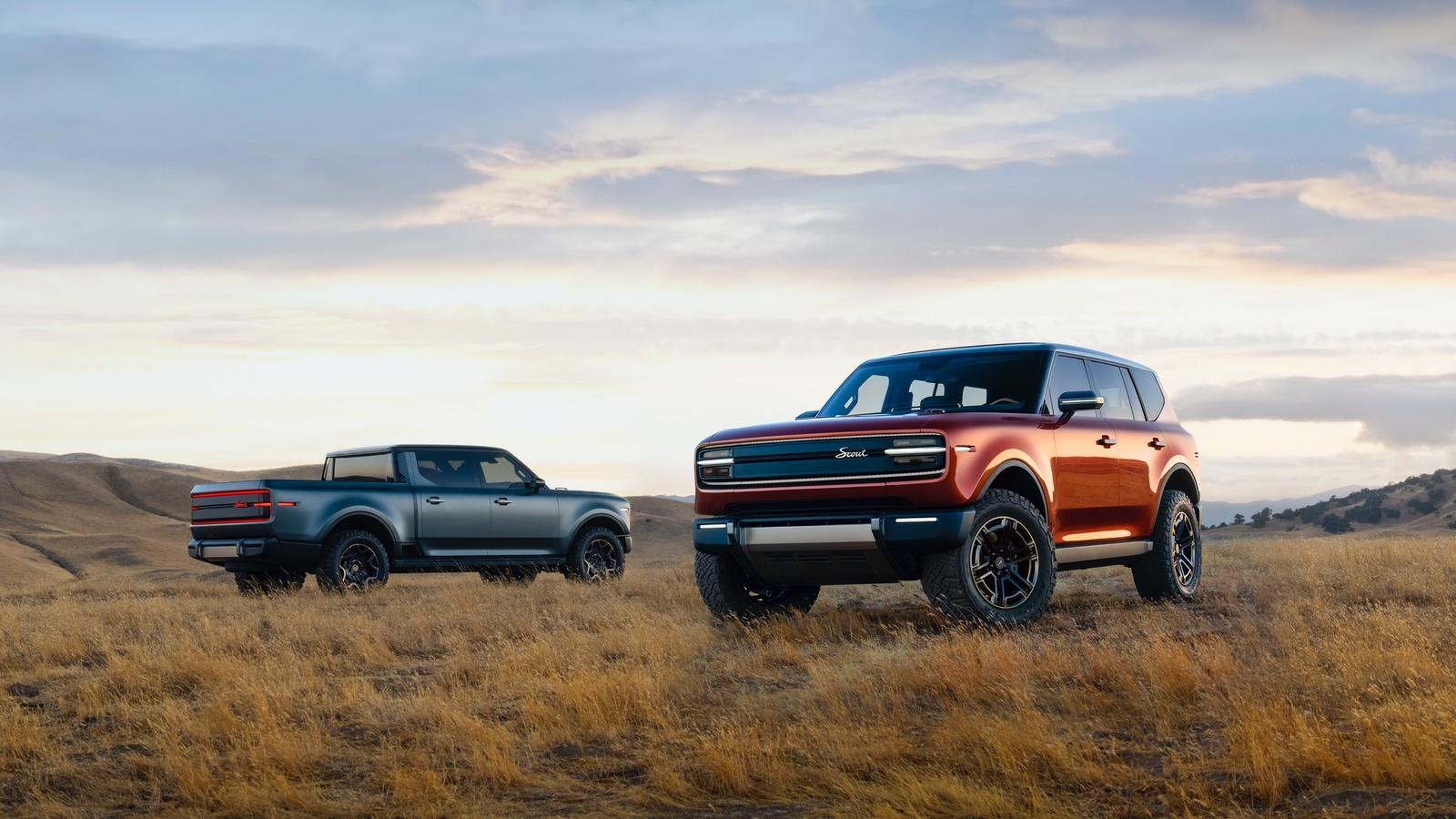
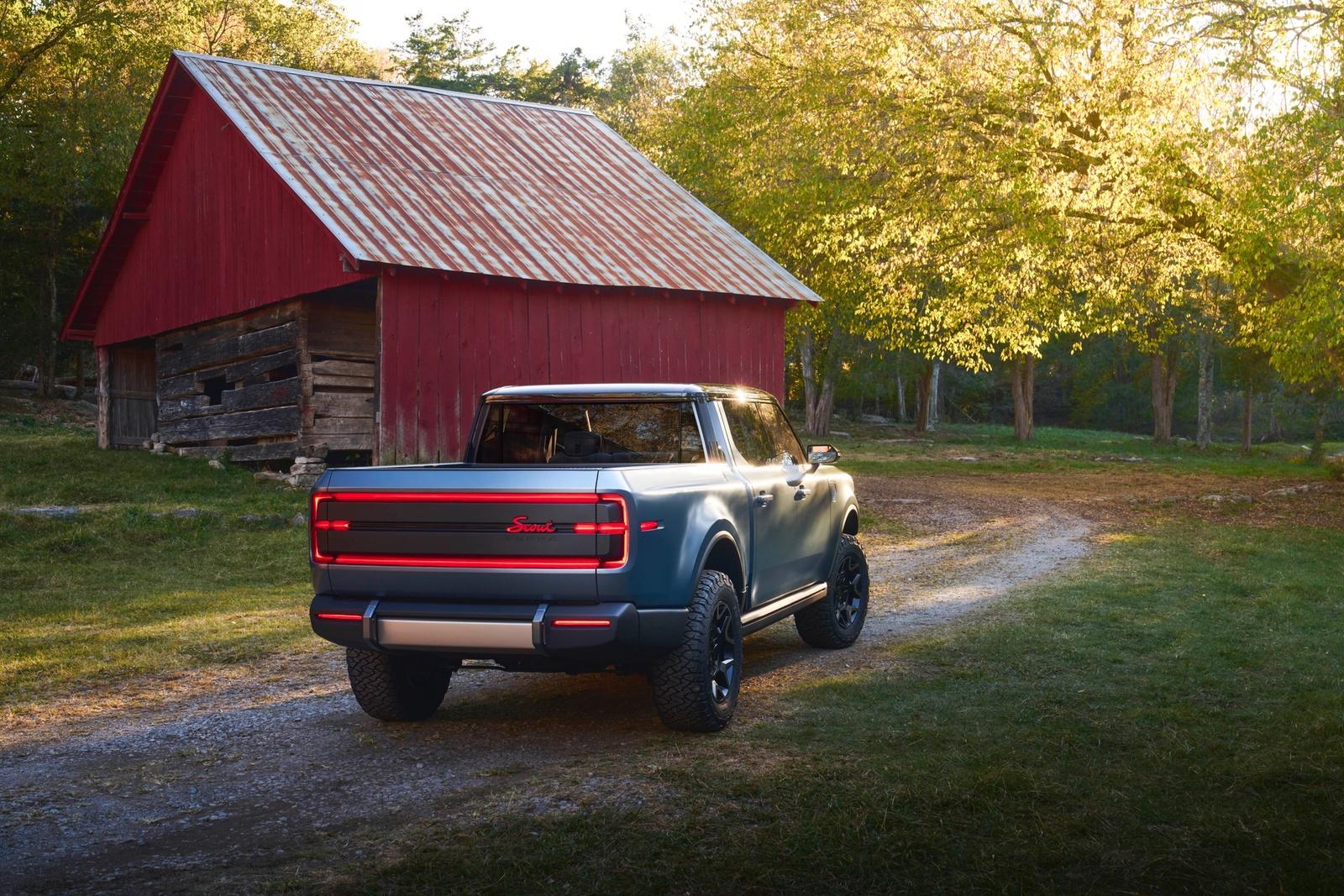
- The Buyer Impact: Scout’s Traveler SUV and Terra pickup are targeting a late 2027 production start as 2028 model year vehicles from a new South Carolina plant. This lawsuit, which seeks class-action status on behalf of all VW dealers, could force a rethink of that sales model before a single vehicle ships.
The Lawsuit at the Center of Scout’s Sales Strategy
The federal lawsuit, filed by Ippolito and a second Volkswagen dealer in Virginia, argues that Scout Motors cannot legally operate as a direct-to-consumer brand because it is a Volkswagen Group entity, and VW has sold vehicles through franchised dealers in the U.S. since the 1950s. The case seeks class-action status to cover all VW dealers nationally, skipping the slower state-by-state legal fights that have historically defined this kind of battle.
This is not the first lawsuit Scout has faced. The National Automobile Dealers Association filed suit against Volkswagen Group and Scout in February 2025, and dealer associations in California and Florida followed with separate actions. The Ippolito filing adds a class-action dimension that the earlier suits did not. The timing matters too: Scout is building a factory in South Carolina to employ 4,000 workers, yet the company currently cannot obtain a dealer license to sell cars in that state.
Scout CEO Scott Keogh, who previously ran Volkswagen of America, is not backing down. Speaking at an event near Detroit, he made the efficiency case plainly: “You can be dramatically more efficient with every single car that you make and exactly where that car goes. I think there’s no debate that the system now is inefficient.”
Why Scout’s VW Parentage Changes the Legal Math
The legal distinction separating Scout from Rivian and Lucid comes down to one thing: existing franchise relationships. Rivian and Lucid never sold through franchised dealers, so the laws protecting that system have less to grip. Scout’s parent company has decades of those agreements in place, which gives VW dealers a credible argument that Scout should be bound by the same obligations.
We’ve tracked how the direct-sales fight has played out state by state for years. Rivian and Lucid are currently pushing for direct-sales access in Washington state, where only Tesla has that legal right today. Florida carved out a Tesla-specific exemption for manufacturers that never held franchise agreements. The 5th U.S. Circuit Court of Appeals sided with Tesla against Louisiana’s direct-sales ban, reviving Tesla’s lawsuit and sending it back to district court. Scout’s situation doesn’t fit any of those templates cleanly.
Dave Cantin, who runs an automotive M&A firm, called it a cutthroat move: “To have a wholesaler like VW support and back this direct-to-sale philosophy — changing the way that it’s operated for generations — is what’s creating this uproar.”
The fear among dealers goes further than Scout. If VW can launch a direct-sales brand under its corporate umbrella, what stops Ford, GM, or Toyota from doing the same with a new nameplate?
Scout’s Counterargument: 100 Showrooms, In-House Service
Scout’s vice president of commercial operations, Cody Thacker, said consumer frustration with traditional car buying is the actual problem here. Scout plans 100 company-owned showrooms and service centers across the U.S. and Canada, with enough service technicians to handle customer needs without relying on third-party shops. “We have heard over and over again, ‘Please give me an alternative,'” Thacker said. “You see that there is very little trust in auto dealers today.”
Ippolito’s rebuttal gets at a different tension: “Selling the car is the easy part. It’s maintaining the customer for the next 10 years and servicing them and taking care of them — that’s where the difficulty comes in, and the manufacturer is just not equipped to do that.”
That argument had more weight when EVs were simpler to dismiss. Scout’s Traveler and Terra have now surpassed 160,000 reservations with 87% of buyers choosing the extended-range EREV variant. Based on Scout’s October 2024 reveal estimates, these are complex vehicles on an 800V platform with projected DC fast charging up to 350kW. Servicing them well will require real infrastructure.
Tesla Opened the Door; Scout Is Walking Through a Different One
Tesla built its direct-sales network by fighting and winning legal battles in dozens of states over more than a decade. The Justice Department backed Tesla against Louisiana’s sales ban. New York lawmakers, for political reasons, tried to reverse Tesla’s direct-sales rights entirely in 2025. The legal map Tesla drew has been selectively redrawn ever since.
Scout is not Tesla. It enters as a subsidiary of a legacy automaker with established franchise contracts. Keogh’s efficiency argument has a data-collection dimension too — direct sales gives Scout full visibility into every transaction — but that doesn’t resolve the legal exposure that comes with VW’s franchise history.
Honda is running into a similar wall in California, where dealers are challenging the direct-sales plan for the Afeela 1, a high-end EV developed in partnership with Sony. The pattern is spreading: legacy relationships are being used as leverage against direct-sales ambitions, regardless of whether the new brand is genuinely distinct from the parent company.
Meanwhile, Rivian, which Scout will compete with directly in the electric truck segment, continues to operate its own direct-sales model built from scratch, without the legal complications that come with franchise history.
EVXL’s Take
The dealers have a real legal argument, but they’re also defending a model that serves them more than it serves buyers. The franchise system’s core pitch — that local dealers provide better service and competitive pricing — is harder to sustain when survey after survey shows consumers rank car dealerships near the bottom on trust. Thacker at Scout isn’t making that up.
That said, Scout’s position is genuinely different from Rivian’s or Lucid’s, and the class-action framing is smart on the dealers’ side. Rather than fighting state by state, they’re trying to establish a federal precedent before the first truck ever rolls off the South Carolina line. That’s a real threat, not a nuisance lawsuit.
The irony isn’t lost on me: VW’s American dealers spent years asking for a real truck and SUV to sell. Scout is exactly what they asked for. Now VW is delivering the product while cutting them out of the sale entirely.
My read: this case doesn’t get resolved before 2028, which means Scout launches into legal uncertainty. The more likely outcome is a negotiated settlement that forces Scout to offer some dealers a limited partnership role — a service agreement, a referral structure, something — rather than a court ruling that dismantles the direct-sales plan entirely. VW has too much invested in the South Carolina plant to reverse course. But the dealers have enough legal standing to extract a concession. Watch for a quiet deal before the first Terra reaches a driveway.
Source: Wall Street Journal
Editorial Note: AI tools were used to assist with research and archive retrieval for this article. All reporting, analysis, and editorial perspectives are by Haye Kesteloo.
Discover more from EVXL.co
Subscribe to get the latest posts sent to your email.