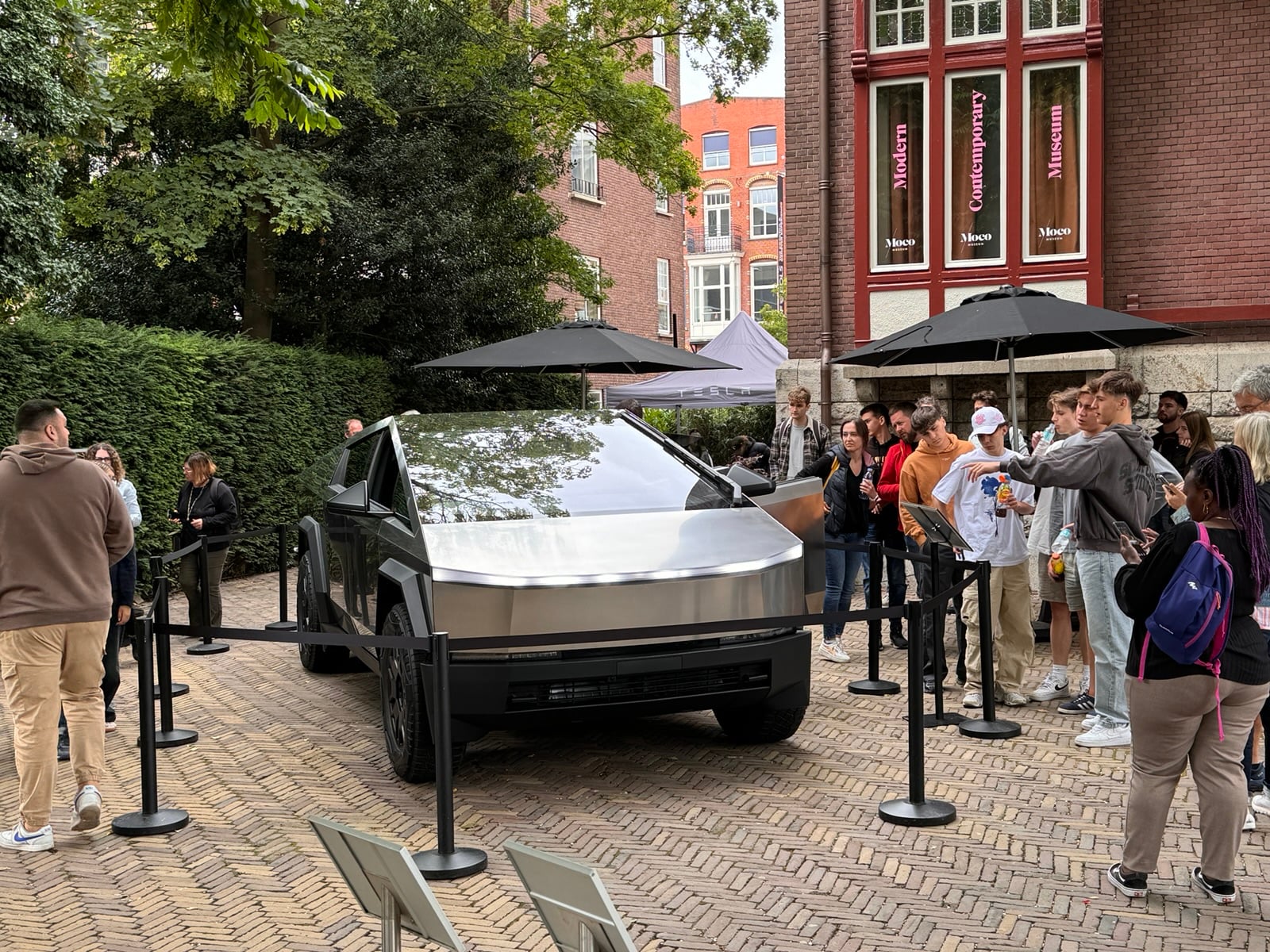
The RDW (Rijksdienst voor het Wegverkeer, the Dutch vehicle authority) issued a formal type approval for Tesla‘s driver assistance system, FSD Supervised (Full Self-Driving Supervised), on April 10, 2026, making the Netherlands the first European market to authorize the software on public roads. The RDW published its official explanation directly on rdw.nl, confirming that FSD Supervised had been tested on the RDW’s own track and on public roads for more than a year and a half. The approval is provisionally valid in the Netherlands only. EU-wide use requires a separate vote by European Commission member states — a process that has not yet started.
The date held, as we predicted was more likely than not in our March 20 analysis. What’s harder to predict is what happens next.
What the RDW Actually Approved — and What It Did Not
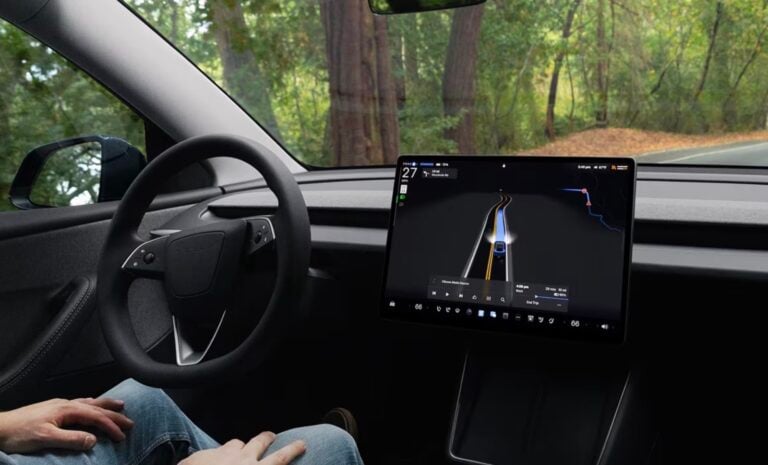
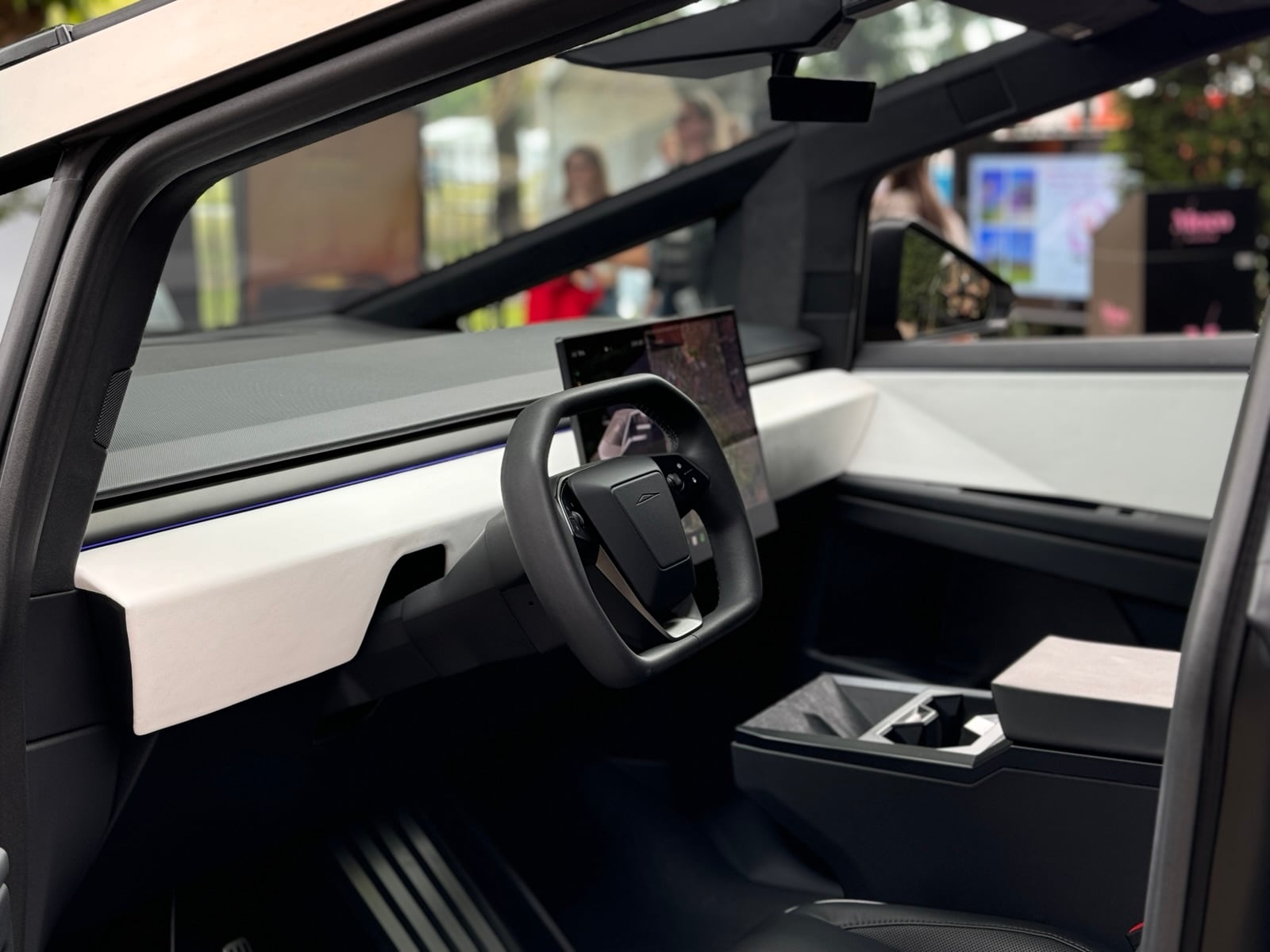
The RDW approved FSD Supervised as an advanced driver assistance system, not autonomous or self-driving technology. Drivers are not required to keep hands on the steering wheel while the system is active, but they must remain alert and able to intervene at any moment. Full driver responsibility stays in place throughout any FSD Supervised session.
When the system detects insufficient alertness, it sends progressive warnings. In extreme cases it can temporarily disable itself. The RDW gives a specific example of what is not permitted: reading a newspaper at the wheel. Sensors continuously monitor whether the driver’s eyes are on the road and hands are available to take over.
This is a type approval for public road use by Tesla owners — distinct from the supervised testing exemption Norway received in April 2025, which authorized data collection under controlled conditions with trained drivers. The Netherlands approval is for normal consumer use on Dutch public roads.
The RDW explicitly notes that the U.S. and EU versions of FSD Supervised run different software and are not directly comparable. That distinction matters for anyone tempted to use American safety statistics to evaluate the European system’s approval. The RDW reviewed the EU-specific build — the one that will actually deploy to Dutch owners — not the version accumulating data on California freeways.
For context on where this sits relative to other approvals: BMW already holds approval to keep hands off the wheel on the highway combined with automated lane changes. Ford has Article 39 approval for hands-off highway driving through Blue Cruise. Tesla’s approval covers a broader operational envelope — city streets, roundabouts, complex intersections — but carries a lower legal autonomy level. Mercedes Drive Pilot in Germany allows legally hands-off and eyes-off operation, but only below 60 km/h on mapped motorways in clear weather. FSD Supervised requires continuous driver attention but works across a far wider range of speeds and road types.
The Path to the Netherlands Was Longer Than Tesla’s Own Statements Suggested
The RDW tested FSD Supervised for more than 18 months before issuing this approval — on its own test track and on Dutch public roads. That timeline sits awkwardly alongside Tesla’s history of announcing European approvals before regulators had agreed to anything. In November 2025, Tesla’s European social media account claimed the RDW had committed to Netherlands National approval in February 2026. The RDW denied this publicly and asked Tesla fans to stop calling their offices. March 20 came and went as the originally cited approval date, then slipped to April 10.
What changed between November’s denial and today’s approval is not Tesla’s pressure campaign. It’s the evidence base. The RDW processed more than 18 months of track and road test data before reaching a conclusion. As recently as late March, the RDW’s posture was final review underway with no date committed. The regulator finished that review, judged the data sufficient, and approved. That is the process working correctly — not quickly, but correctly.
The regulatory framework that made this legally possible is also worth noting. As EVXL reported in February, the updated UNECE autonomous driving framework approved in draft in January 2026 replaced prescriptive hardware requirements with an outcome-based Safety Case approach. Tesla’s neural network vision system was never designed to satisfy rules written for deterministic sensor-fusion systems. Without that framework change, the RDW would have had no clean legal mechanism to issue this approval at all. The UNECE framework itself has not yet entered formal force — that vote is expected in June 2026 — but the Netherlands appears to have applied its principles provisionally.
What Dutch Tesla Owners Get — and When
Tesla owners in the Netherlands with AI4 hardware — the hardware generation required for FSD — are currently limited to standard Autopilot. This approval moves them to FSD Supervised, now at v14.3, which shipped with a rewritten AI compiler and claimed 20% faster reaction times. The capability gap between Enhanced Autopilot and FSD on a complex urban route is large. Having used FSD V14 extensively on U.S. roads, the difference on a busy city route with traffic lights, unprotected left turns, and pedestrian crossings is substantial. Whether that behavior transfers cleanly to Amsterdam’s tram tracks and unmarked bike lanes is a real question that only post-deployment data will answer.
Rollout timing to owners is not yet confirmed by Tesla. The approval is in place; activation depends on Tesla’s OTA deployment schedule.
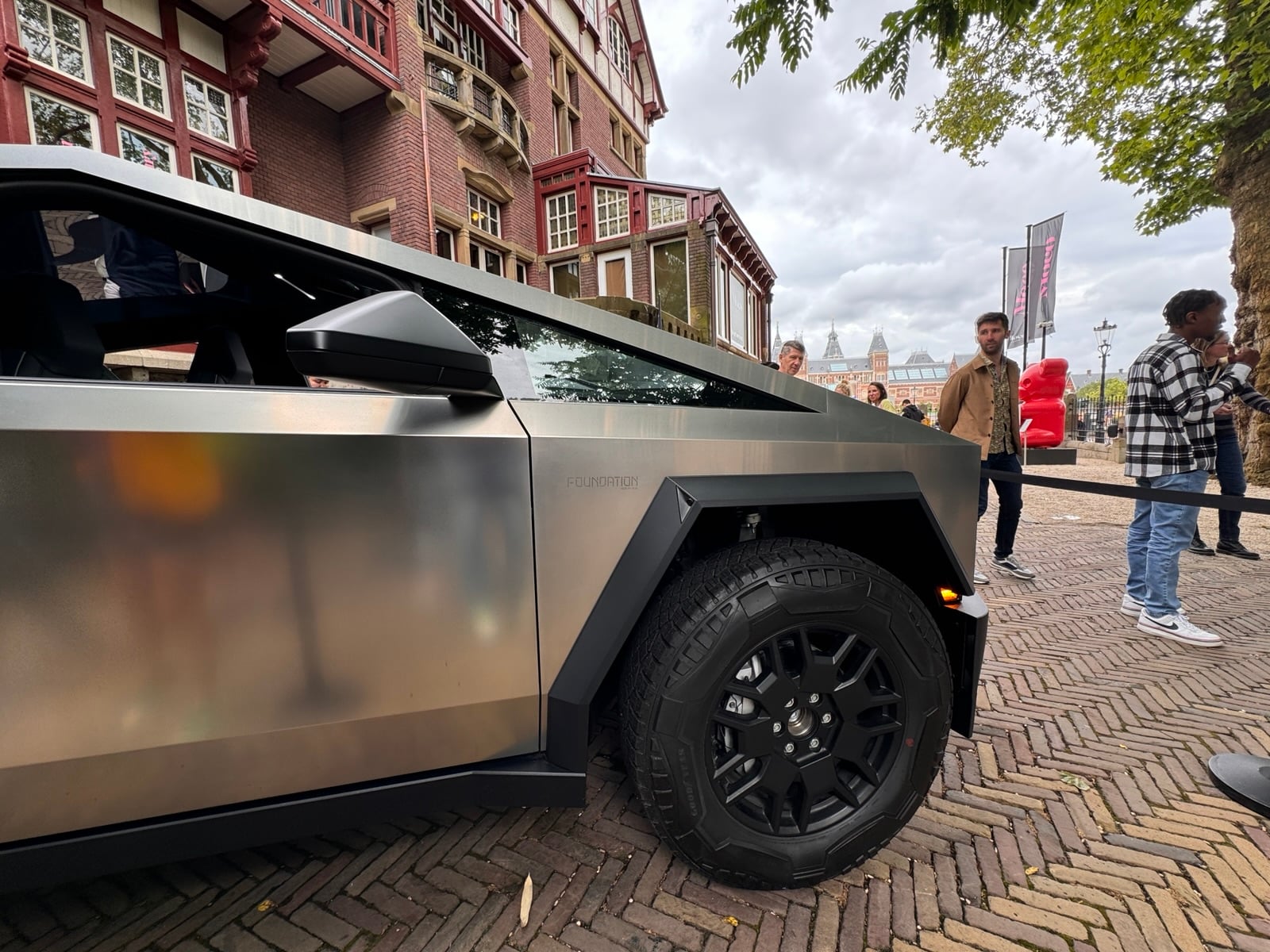
EU-Wide Approval Is a Separate Process With No Confirmed Timeline
The Netherlands approval is provisionally valid in the Netherlands. To extend it across the EU, the RDW must file with the European Commission, all 27 member states must vote, and a majority must approve. Tesla has said it anticipates EU-wide recognition during summer 2026. That is Tesla’s projection. The European Commission has not committed to any timeline, and the UNECE framework underpinning this approval has not yet entered formal force. Germany, France, Spain, and every other EU member state conduct their own certification reviews; Netherlands approval does not automatically transfer.
The RDW’s document also flags that the process Elon Musk described at Giga Berlin in March is accurate in broad strokes: the Netherlands approval creates the basis for a bloc-wide application. But “creates the basis” and “achieves bloc-wide approval” are separated by a vote of 27 member states, several of which have their own national interests in slowing or scrutinizing any Tesla-specific regulatory expansion.
EVXL’s Take
April 10 happened. After tracking this saga since the RDW publicly contradicted Tesla’s social media account in November 2025, the approval is real, it’s documented, and it comes from a regulator that spent 18 months reviewing the system rather than rubber-stamping a press release.
Here’s what the celebration is glossing over: the RDW’s own statement explicitly distinguishes the EU software from the U.S. version and places full responsibility on the driver. The approval is for an advanced driver assistance system with continuous monitoring requirements. It is not the hands-off, eyes-off autonomy that Mercedes Drive Pilot users in Germany have had since 2022 — and those users have that privilege only below 60 km/h on mapped highways. The marketing around “Full Self-Driving” remains ahead of what the regulator approved.
The EU-wide vote is the bigger story, and nobody knows how it plays out. Xpeng and BYD are pursuing their own European supervised autonomy approvals under the same UNECE framework. If the European Commission opens the door via majority vote, it opens it for Chinese competitors too. Tesla won’t hold exclusive European autonomous driving access for long regardless of how the summer vote goes.
My prediction: Tesla will activate FSD Supervised in the Netherlands within 30 days. EU-wide recognition will not arrive before Q4 2026 at the earliest, and at least two major member states — Germany and France — will require separate national reviews that push full EU availability into 2027.
Frequently Asked Questions
What did the RDW approve?
The RDW issued a type approval for Tesla’s FSD Supervised driver assistance system on April 10, 2026. This authorizes FSD Supervised for use on Dutch public roads. The driver must remain attentive and available to intervene at all times.
Is FSD Supervised now available in all of Europe?
No. The Netherlands approval is currently valid only in the Netherlands. Expansion to all EU member states requires a separate European Commission process: the RDW files an application, all 27 member states vote, and a majority must approve. That process has not started.
Is the EU version of FSD Supervised the same as the U.S. version?
No. The RDW explicitly states in its approval document that EU and U.S. vehicles run different software versions with different functionality. The two are not directly comparable.
Does this make Tesla vehicles autonomous in the Netherlands?
No. The RDW categorizes FSD Supervised as an advanced driver assistance system, not autonomous or self-driving. The driver remains legally responsible and must be available to take control at all times.
When will Dutch Tesla owners be able to use FSD Supervised?
Tesla has not announced a specific OTA activation date. The regulatory approval is in place; deployment depends on Tesla’s software rollout schedule.
EVXL uses automated tools to support research and source retrieval. All reporting and editorial perspectives are by Haye Kesteloo.
Discover more from EVXL.co
Subscribe to get the latest posts sent to your email.