A research paper published in Nature on February 25 describes a lithium metal battery that hits 700 Wh/kg at room temperature — nearly three times the energy density of CATL’s Qilin, currently considered the ceiling of commercial battery technology. The team behind it is from Nankai University in Tianjin and the Shanghai Institute of Space Power Sources, led by Chen Jun, an academician of the Chinese Academy of Sciences and Nankai’s Vice President.
This isn’t a startup press release. It’s peer-reviewed science in the world’s most cited journal, and it changes the reference point for what’s possible.
- The breakthrough: Nankai University researchers replaced oxygen-based electrolyte coordination with fluorine, achieving over 700 Wh/kg at room temperature and nearly 400 Wh/kg at -50°C.
- The gap: CATL’s Qilin battery — today’s commercial high-water mark — delivers 250–255 Wh/kg at the system level. Current solid-state batteries in development haven’t cleared 400 Wh/kg.
- The timeline: Chen’s team has already moved beyond the lab. Earlier in February, they worked with FAW’s Hongqi brand to install a 500 Wh/kg lithium-rich manganese solid-liquid battery in a production vehicle, claiming 1,000+ km CLTC range. Mass production is targeted for end of 2026.
- The buyer impact: Nothing ships tomorrow. But the technology pipeline coming out of Chinese academia and automakers is moving faster than Western rivals can track.
Nankai’s Fluorine Swap Addresses a Core Limit of Battery Chemistry
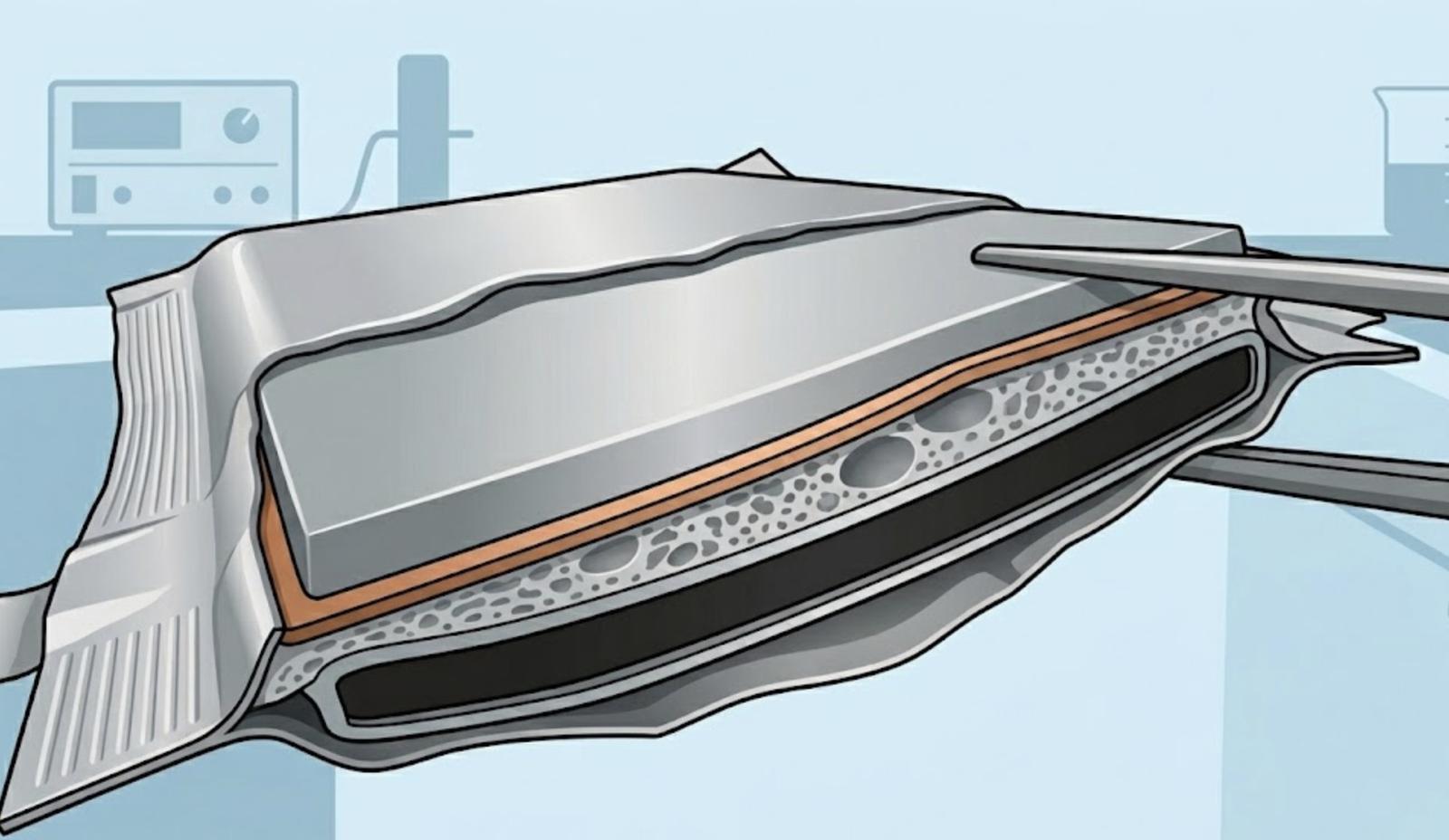
For decades, electrolyte design has relied on oxygen-based coordination — lithium salts dissolving in carbonate solvents through lithium-oxygen interaction. The Nankai team scrapped that assumption entirely. By engineering fluorinated hydrocarbon solvent molecules and tuning the electron density of fluorine atoms, they created a new electrolyte system built on lithium-fluorine coordination instead.
The practical results are striking. Lithium-fluorine interactions are weaker and more easily dissociated at low temperatures than lithium-oxygen ones, which is why the battery maintains nearly 400 Wh/kg at -50°C — conditions where most commercial lithium batteries simply stop working. Oxygen-based solvents also require large volumes to function, limiting how dense you can pack energy. Fluorine coordination removes that constraint.
Lab results showed energy density exceeding 700 Wh/kg. For context: Yan Zhenhua, a professor at Nankai’s College of Chemistry, told China News Service that mainstream lithium-ion batteries today deliver 160 to 300 Wh/kg and operate reliably only down to -20°C or -30°C. The Nankai battery operates at more than double the energy density and at temperatures 20 to 30 degrees colder.
Chen Jun summarized the ambition plainly: “We can’t always stay in the ivory tower. Our goal is to address real industrial challenges.”
Chen’s Team Already Has a Vehicle on the Road
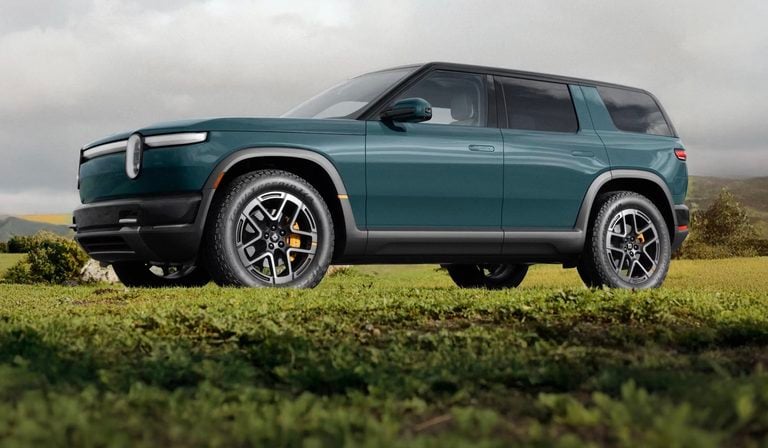
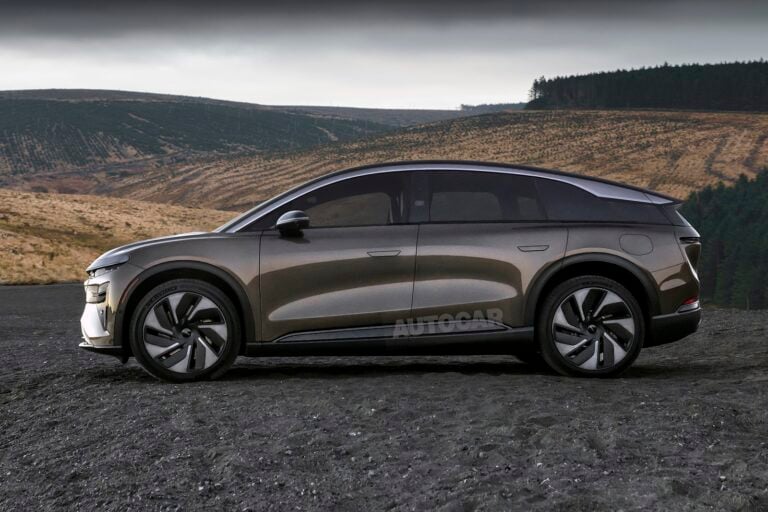
The Nature paper is the theoretical ceiling. The more immediately relevant development is what Chen’s team did two weeks earlier. Working with FAW Group’s Hongqi brand and China Automotive New Energy Battery Technology Co., the researchers installed a lithium-rich manganese solid-liquid battery with 500 Wh/kg cell energy density into a production vehicle. The claimed CLTC range exceeds 1,000 km (620 miles), with a total battery pack capacity of 142 kWh.
Lu Tianjun, GM of China Automotive New Energy Battery Technology Co., put a date on it: “Electric vehicles equipped with the new batteries can exceed 1,000 km range on a single charge and are expected to go into mass production by the end of 2026.” He added that performance would represent a roughly 50% improvement over current technology — his word was “conservatively.”
That’s not a concept car. That’s a battery already in a vehicle, with a named commercial partner and a stated production target 10 months out.
The CLTC Number Deserves Scrutiny
Every 1,000 km claim from China comes attached to the CLTC cycle, which is considerably more optimistic than EPA or WLTP testing. A rough real-world conversion puts that figure closer to 600–700 km (370–435 miles) under normal driving conditions — still exceptional, but not the headline number. Range is also a function of aerodynamics, curb weight, and powertrain efficiency, not just chemistry. A 500 Wh/kg cell in a heavy crossover won’t match the same cell in a lightweight sedan.
None of that diminishes what the Nankai research represents. It just means the 1,000 km number needs a footnote, and buyers should read it as “over 600 miles under real-world conditions” rather than a literal promise.
EVXL’s Take
We’ve covered Chery’s 600 Wh/kg solid-state claims, GM’s manganese-rich battery push, and China’s move to lock down battery technology exports. Each piece fits the same pattern: China is running the research, the manufacturing, and now the regulatory architecture of next-generation battery tech simultaneously. The West is tracking it from a distance.
What’s different about this announcement is the source. Chery and Hongqi are automakers with obvious commercial incentives to overpromise. Nankai University publishing in Nature is a different category of claim. Peer review doesn’t guarantee commercial viability, but it does mean the 700 Wh/kg figure survived independent scientific scrutiny. That’s not something you can say about most battery press releases.
The 500 Wh/kg vehicle-mounted system is the more actionable number right now. If Chen’s team and FAW hit the end-of-2026 mass production target — aggressive but not absurd given the demonstrated hardware — you’re looking at production EVs with genuine 400-mile EPA-equivalent range arriving before Western automakers have resolved their solid-state manufacturing yields. The 700 Wh/kg Nature paper figure is where the technology could go next.
My prediction: expect at least two additional Chinese automakers to announce 500+ Wh/kg vehicle integrations by Q3 2026, using the Nankai-FAW collaboration as the template. The gap between Chinese battery R&D timelines and Western equivalents isn’t closing. It’s widening.
Editorial Note: AI tools were used to assist with research and archive retrieval for this article. All reporting, analysis, and editorial perspectives are by Haye Kesteloo.
Discover more from EVXL.co
Subscribe to get the latest posts sent to your email.