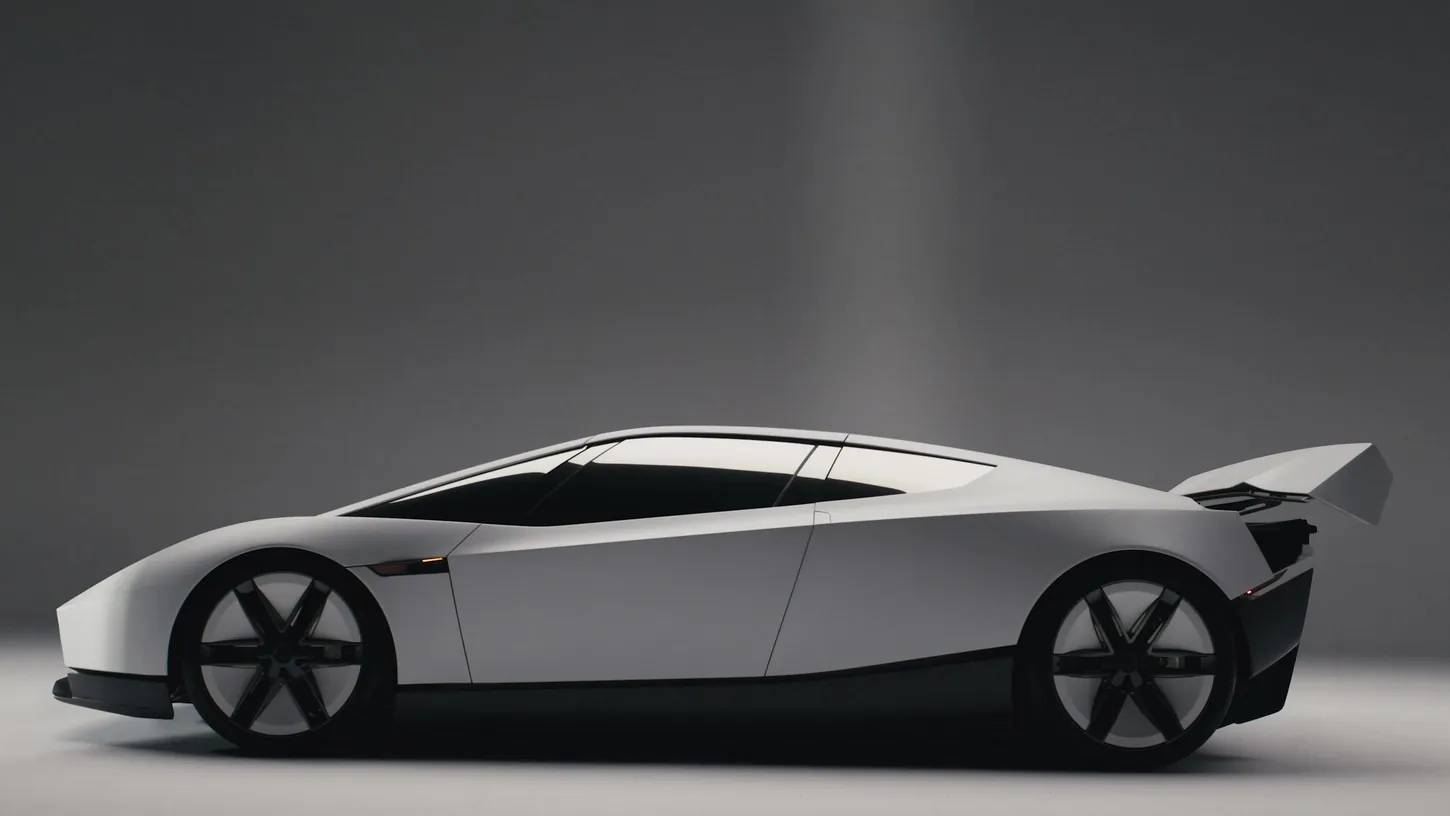
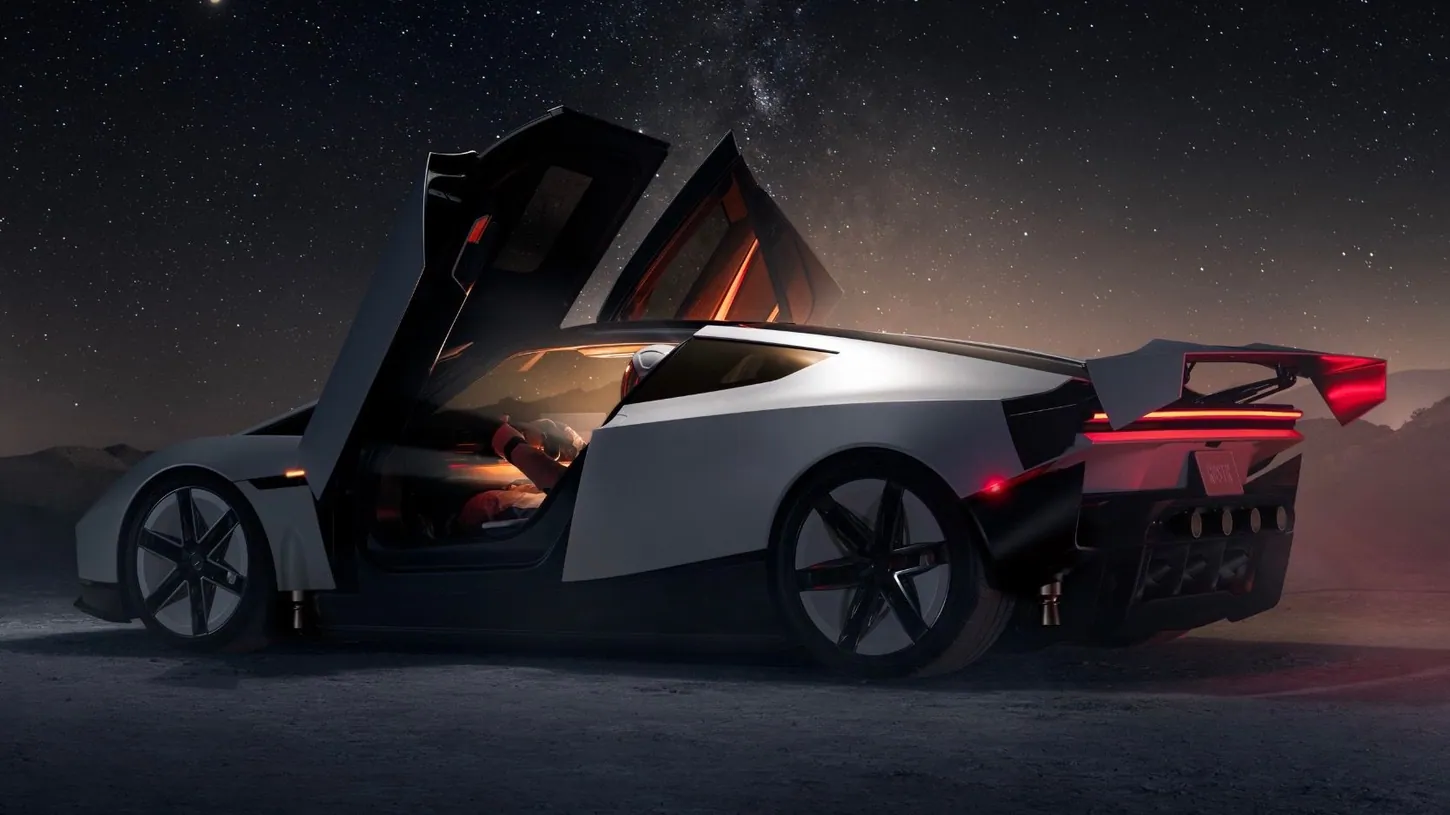
The new Tesla Roadster is a rear-wheel-drive sports car whose launch versions put more than a megawatt through two rear motors, and Tesla plans to build it in Texas from 2028. Tesla showed it on Thursday night at SpaceX’s McGregor test site, where an uncrewed Roadster kickflipped over a Semi on cold-gas thrusters.
The reveal itself left out most of the specifications. Lars Moravy, Tesla’s vice president of vehicle engineering, filled them in afterward in video interviews with Top Gear, alongside design chief Franz von Holzhausen, and with Hagerty’s Henry Catchpole. On Friday morning investor Sawyer Merritt turned the Top Gear video into a 37-point list.
Reservations cost $50,000, and Tesla still hasn’t given a price. Tesla’s own launch post gives the fastest Roadster a top speed of more than 230 mph. The target its engineers gave Top Gear is 330 mph.
Tesla Sells the Roadster in Three Trims, and Only One Flies
Tesla’s launch post lists three trims: Performance, Thrust and Rocket. Performance and Thrust seat two, and Thrust adds four rear cold-gas thrusters, according to Hagerty. Rocket seats one, adds six more thrusters around the body, and is the only version Tesla says can fly.
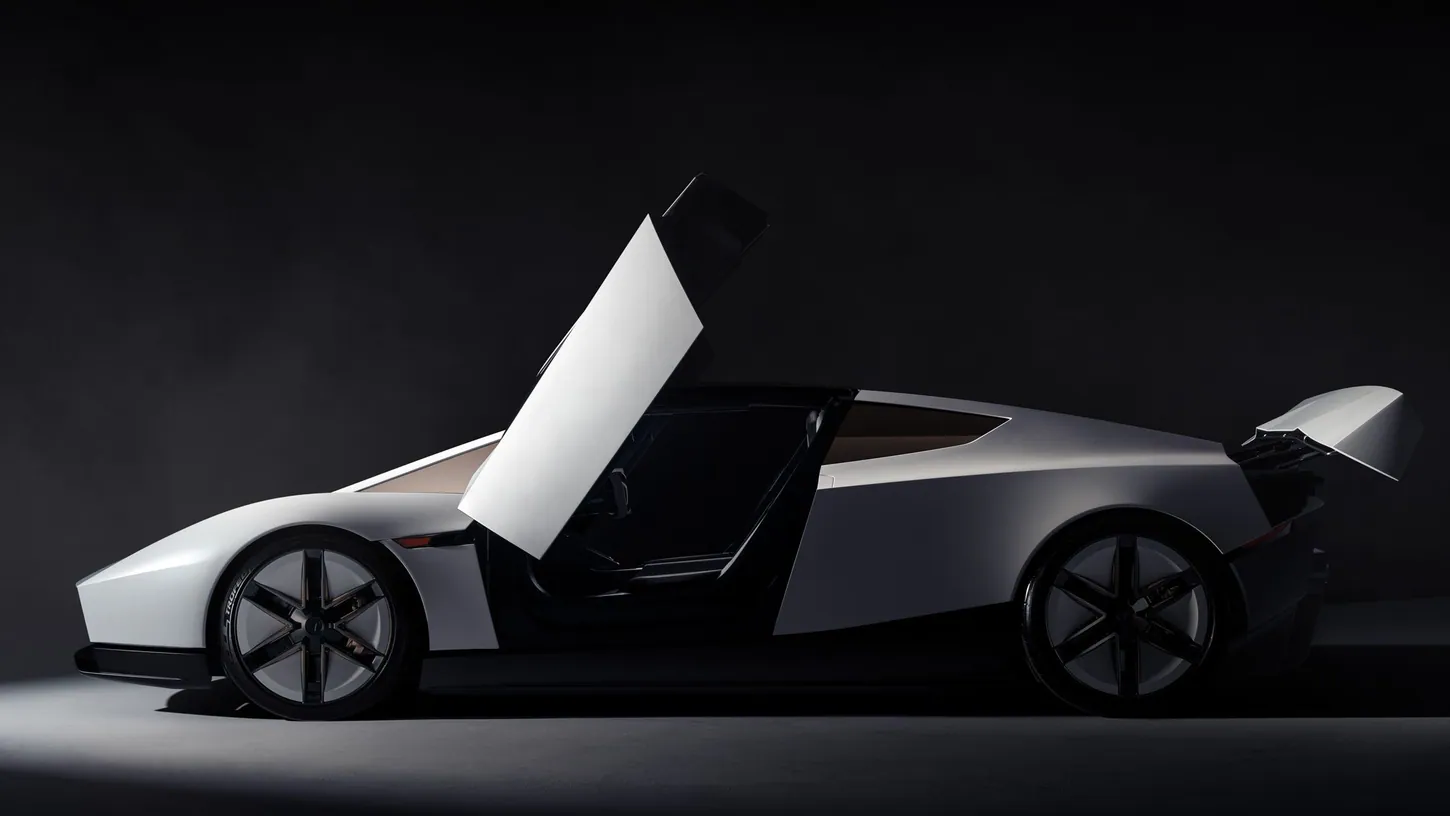
Tesla’s launch post quotes 0 to 60 mph in under 1.6 seconds for Performance, under 0.9 for Thrust and under 0.59 for Rocket. In Hagerty’s interview, Moravy says the suction system, the thrusters and the powertrain together get the car to 60 mph in 0.55 seconds. Catchpole notes that 0.55 is a rollout figure, which starts the clock after the car has rolled about a foot, and suggests adding a tenth or two. He puts the Thrust at 0.85 seconds and more than 5 g. Moravy says the thrusters make more than 80 kN (about 18,000 pounds-force), roughly a single fighter-jet engine. The run Tesla timed live on Thursday showed 0.81 seconds, according to the Detroit News.
Merritt’s list says the Rocket will be built in limited numbers, and Top Gear’s written briefing calls it limited production too. When EVXL checked Tesla’s reservation page on Friday morning, a Performance car asked for $50,000. Fox Business and TechCrunch report $250,000 for a Thrust, and the page lists no deposit for the invite-only Rocket. Tesla’s last published base price is the $200,000 it set in 2017.
Two Rear Motors Make Over a Megawatt Without a Differential
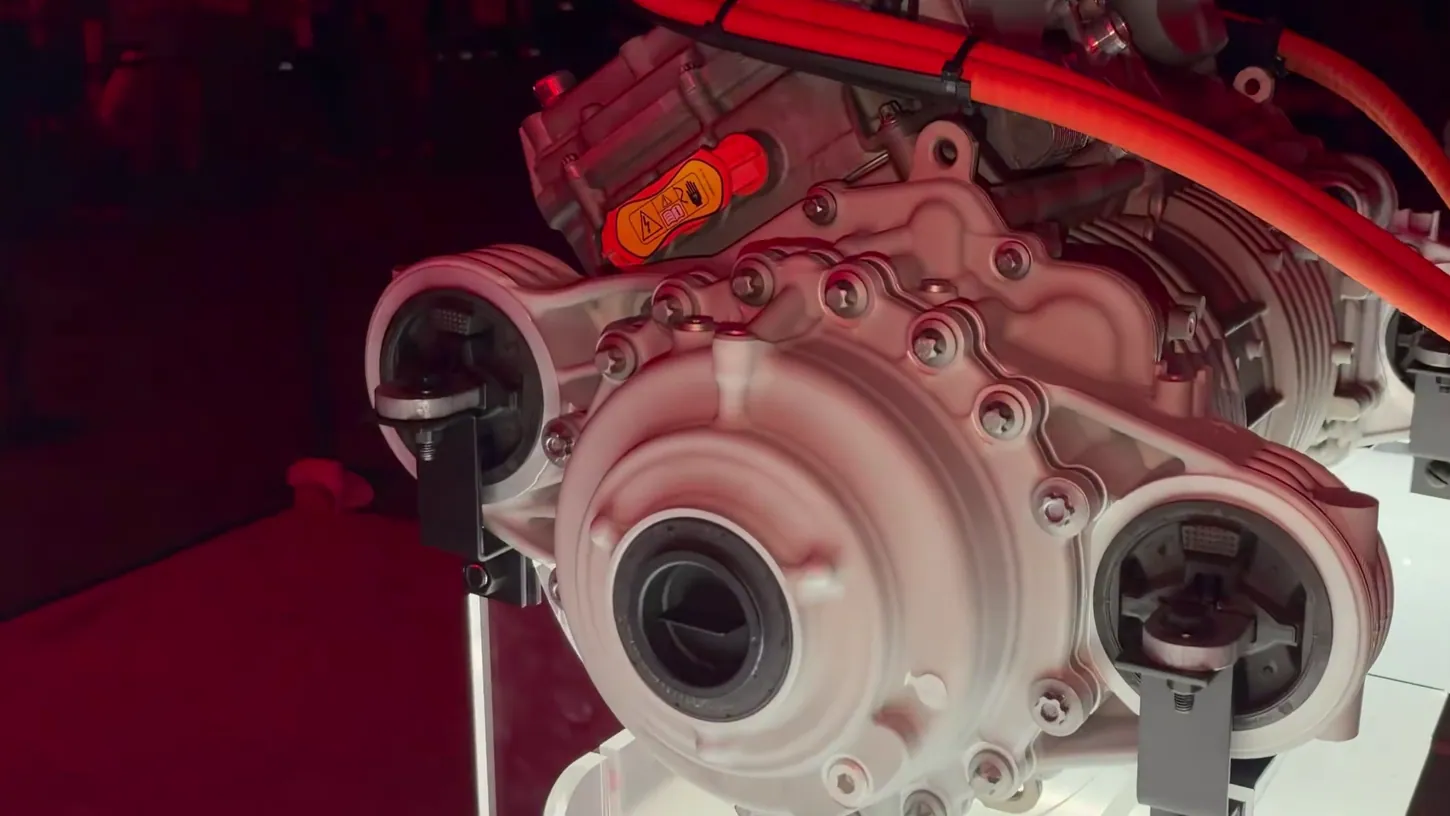
Every Roadster drives only its rear wheels. Moravy told Hagerty its two motors make more than 1 MW (1,341 hp) and over 1,033 lb-ft (1,400 Nm), more than a Model S Plaid’s three motors combined. There is no differential: each motor drives one wheel through an 8.4:1 planetary gearset.
Each motor has its own inverter, which Moravy says adds some redundancy, and each motor is smaller than the Plaid’s. The layout lets each motor speed up or slow down its own wheel, the torque vectoring InsideEVs and Top Gear describe. The drive unit Tesla put on display on Thursday night carried a plaque claiming a third more power than the Plaid at half the mass.
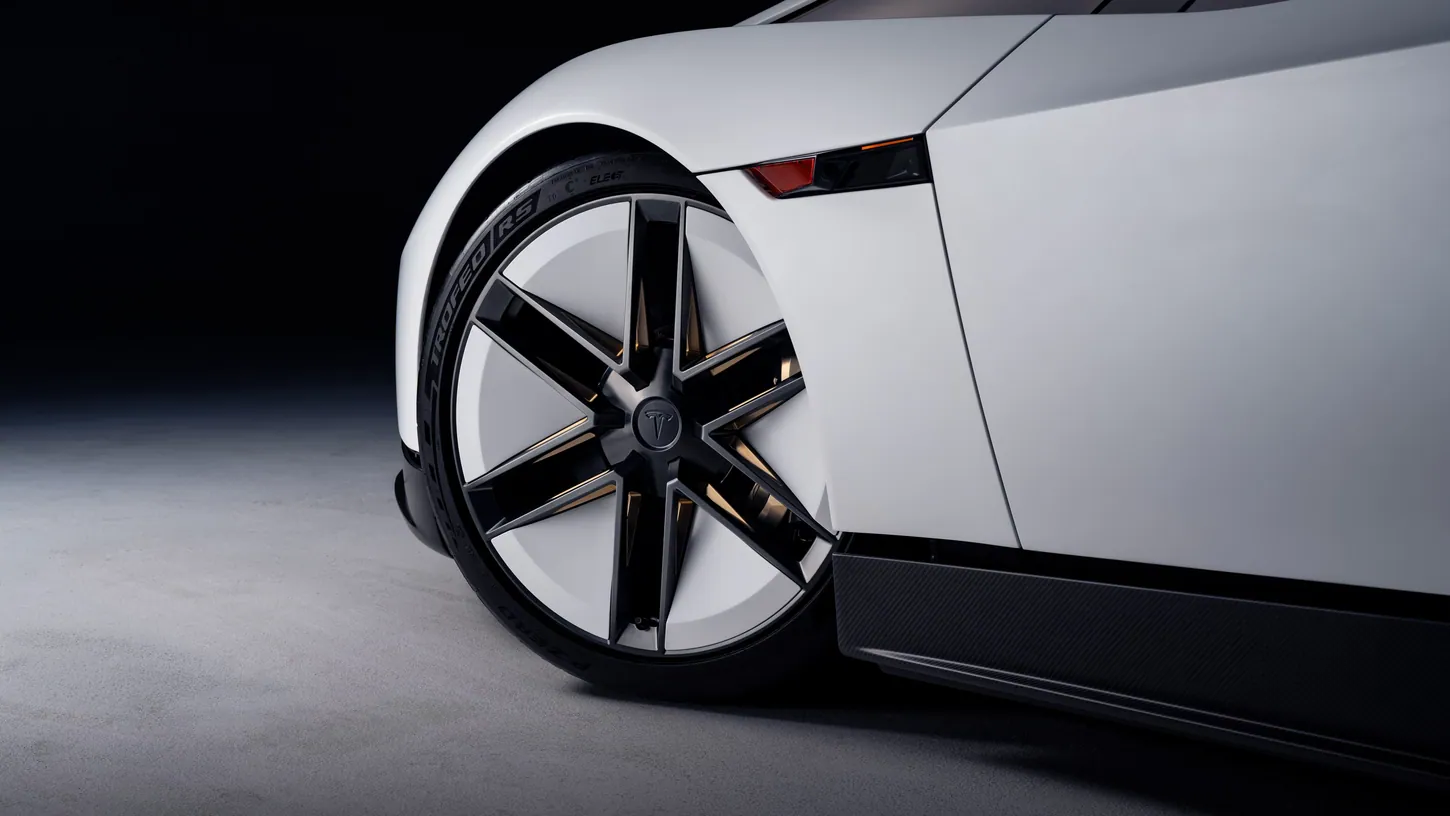
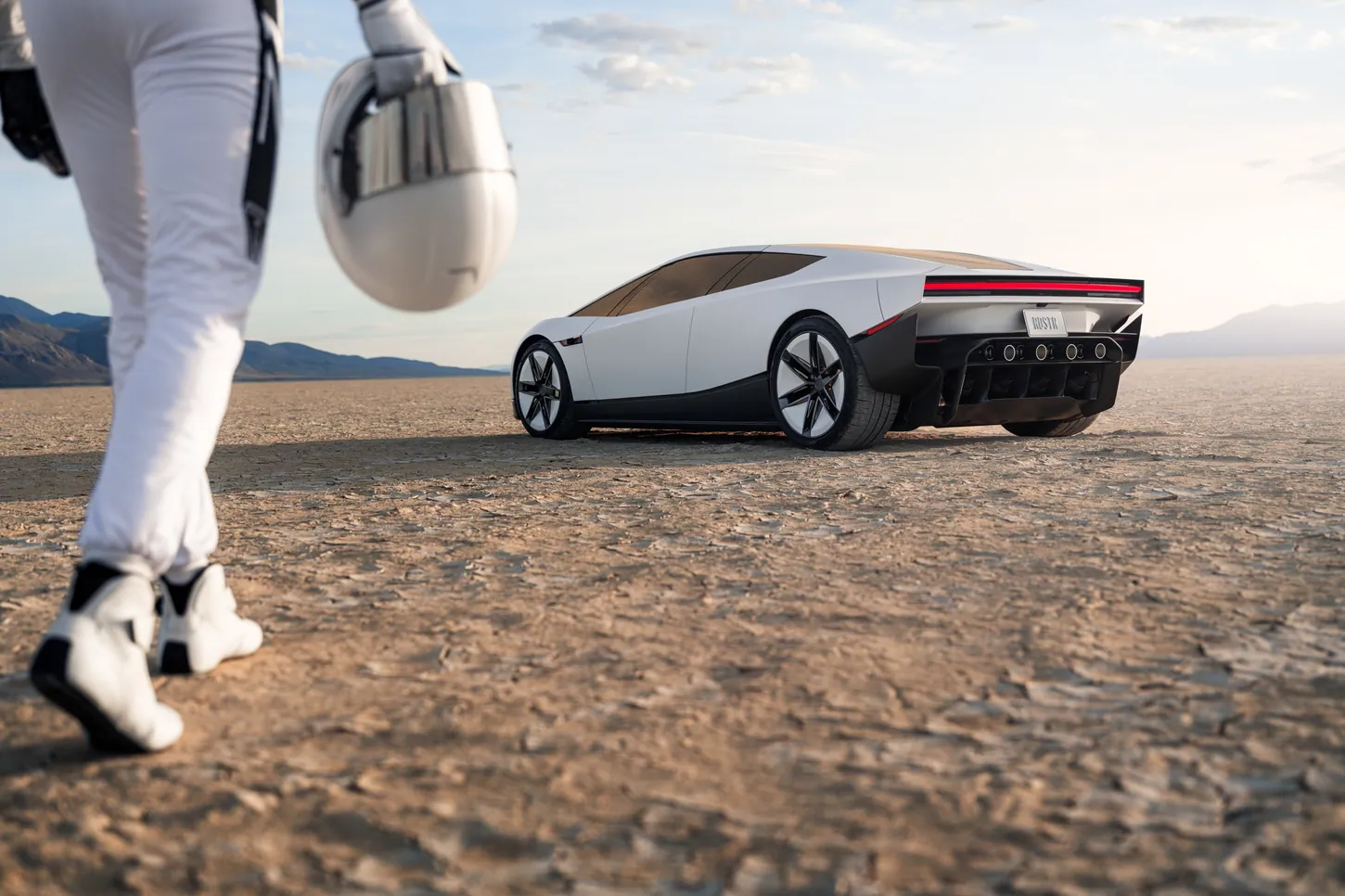
Tesla’s exterior post calls the wheels super light, with thin spokes that add strength. Its studio photos show them on Pirelli P Zero Trofeo RS tires, a road-legal track tire. Oli, who posts on X as @CARN0N, took notes from Top Gear’s walkaround that give 20-inch front and 21-inch rear wheels, with 295/30 tires in front and 335/30 at the rear.
Merritt’s list also says “up to 1,500 hp,” and the Detroit News prints more than 1,500 horsepower too. That would be about 1.1 MW, and Tesla’s display and Moravy both stop at “more than a megawatt.” Oli’s notes add cobalt-steel motor laminations from the Performance trim up. Top Gear and InsideEVs describe a cheaper base Roadster with 800 kW (1,073 hp) and 885 lb-ft. Hagerty says that car is still in development, so the Performance is the first rung for now.
A Bespoke 4680 Pack Charges at 500 kW but Its Size Is Secret
Moravy told Hagerty the Roadster uses a 4680 cell with a high-power chemistry and aluminum cans instead of steel, which are lighter and cool better. Cooling jackets run along both sides. The pack takes up to 500 kW from a V4 Supercharger, and Tesla won’t give its kWh.
The coolant crosses the pack once, from one side to the other, which Moravy says keeps heat even across the cells. The upper plate is titanium instead of the usual steel, tailor-welded to different thicknesses, and the lower plate is aluminum for impact protection. The pack runs at 800 volts, as in the Cybertruck and the Semi, and Moravy ties that to the 10-minute charge. InsideEVs, which summarized the Top Gear interview, quotes him putting it between 800 and 1,000 volts.
The charging claim exists in three versions. Hagerty and Merritt’s list say 15% to 80% in 10 minutes, which Catchpole calls the aim. InsideEVs quotes Moravy saying 15% to 85% in 10 minutes. Top Gear’s own written briefing says less than 15 minutes for 15% to 80%. All three rest on a 500 kW peak, not a sustained rate, and on a pack size Tesla is keeping secret. Oli’s notes say charging above 500 kW on V4 Superchargers came up in the Top Gear walkaround as well.
Range is 310 to 320 miles (499 to 515 kilometers) in normal driving, according to both Top Gear and InsideEVs, with no test cycle attached. Tesla’s launch post says more than 300 miles. Moravy told Hagerty he hopes for 25 to 30 minutes of unlimited track driving per charge.
The smaller range is deliberate. Moravy said Tesla dropped the 2017 car’s long-range battery because “this car needs to be lightweight,” and puts the new one at just under 1,700 kilograms (about 3,700 pounds), with final numbers still to come.
Four Fans and Rubber Skirts Pull the Roadster Into the Road
Moravy told Hagerty that four rear fans of about 20 kW each, adapted from Tesla’s heat-pump compressor motor, work with four independent drop-down skirts. Tesla calls it the sucker system, and Moravy says it holds more than 2 g in corners from 0 to 50 mph (80 km/h).
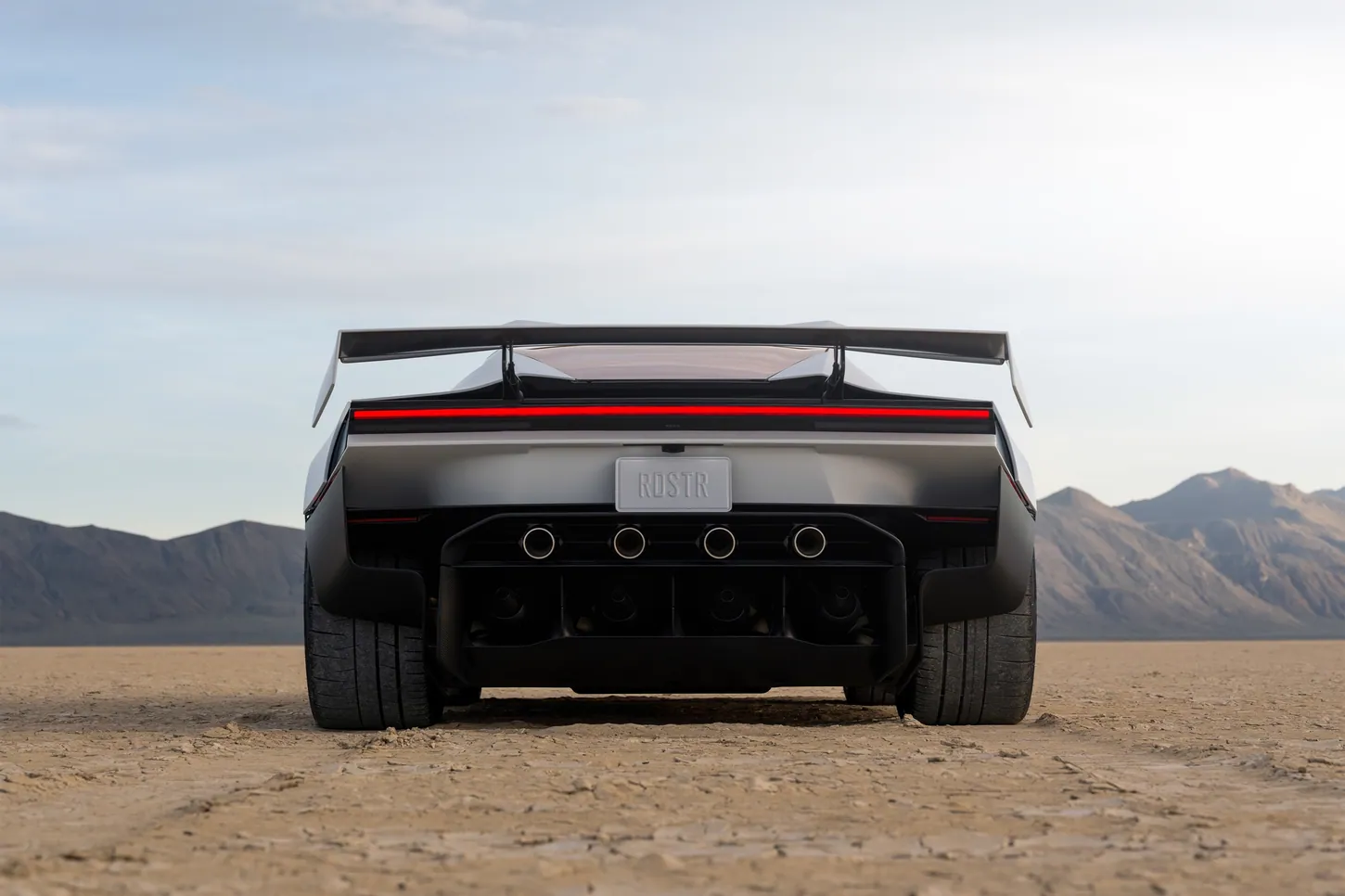
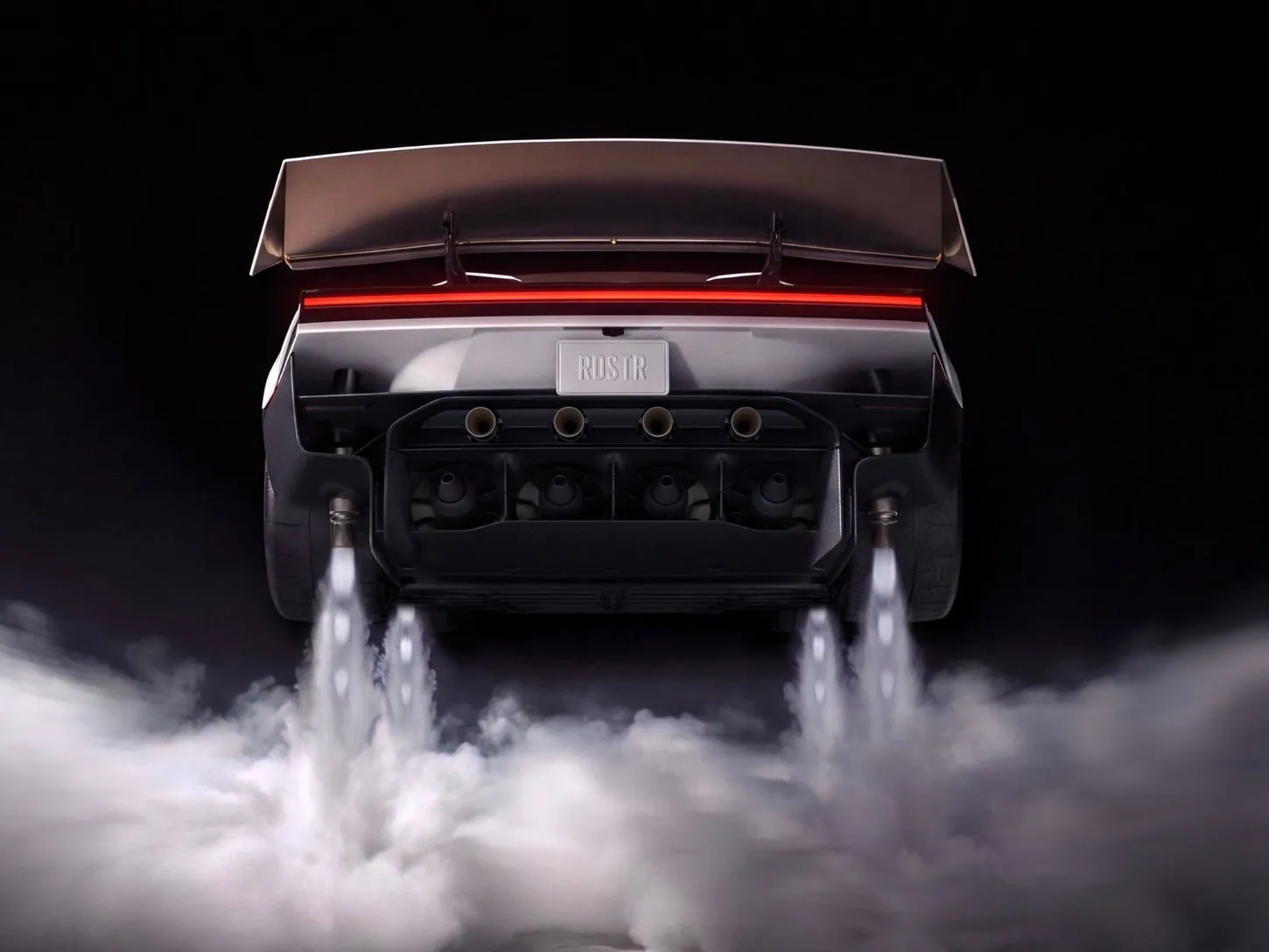
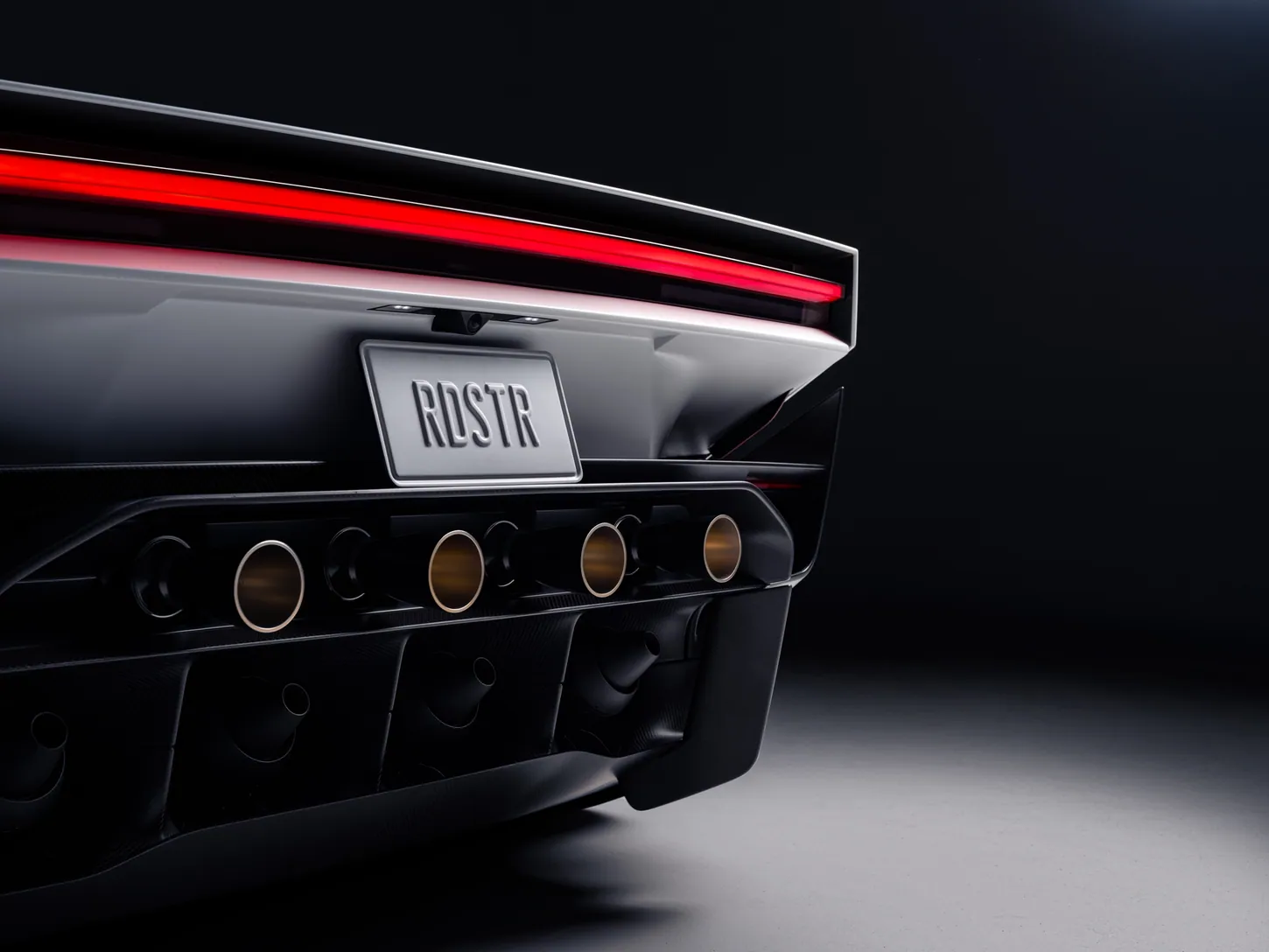
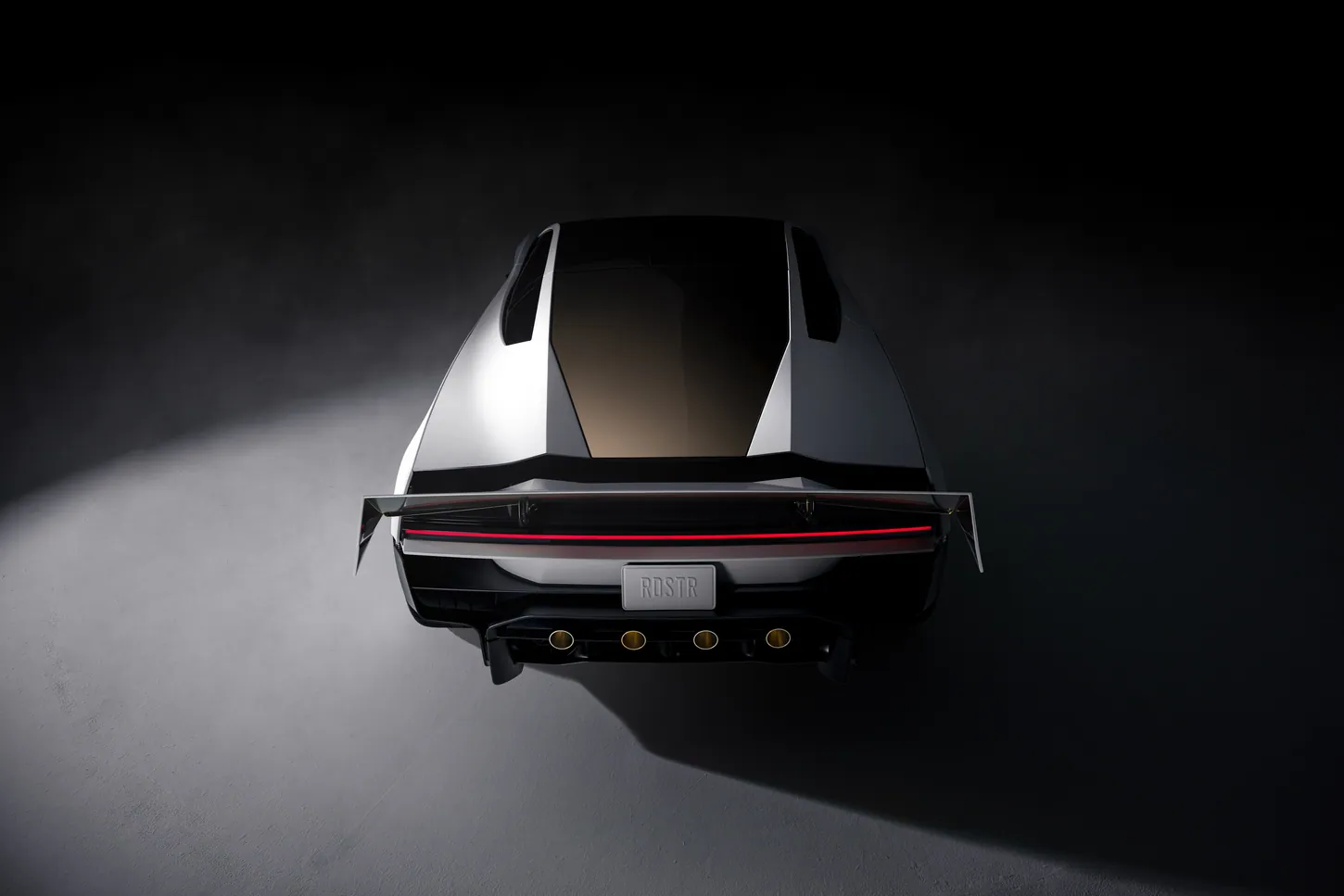
That is the same idea as McMurtry’s track-only Speirling Pure, the fan car EVXL covered in July, and it is what kept a Roadster upside down on Thursday’s curved ramp. The fans also explain why a rear-drive car with a megawatt doesn’t simply spin its tires off the line. The skirts are replaceable rubber and nylon-bristle wear parts, according to Hagerty, and Oli’s notes say they move to deal with bumps. Tesla’s rear photo shows four fans, although the Detroit News counts two.
At high speed the system changes job. Above 200 mph the front and rear skirts open and the fans pull air from under the car, and Moravy says the whole aero package then makes up to 2 g of downforce.
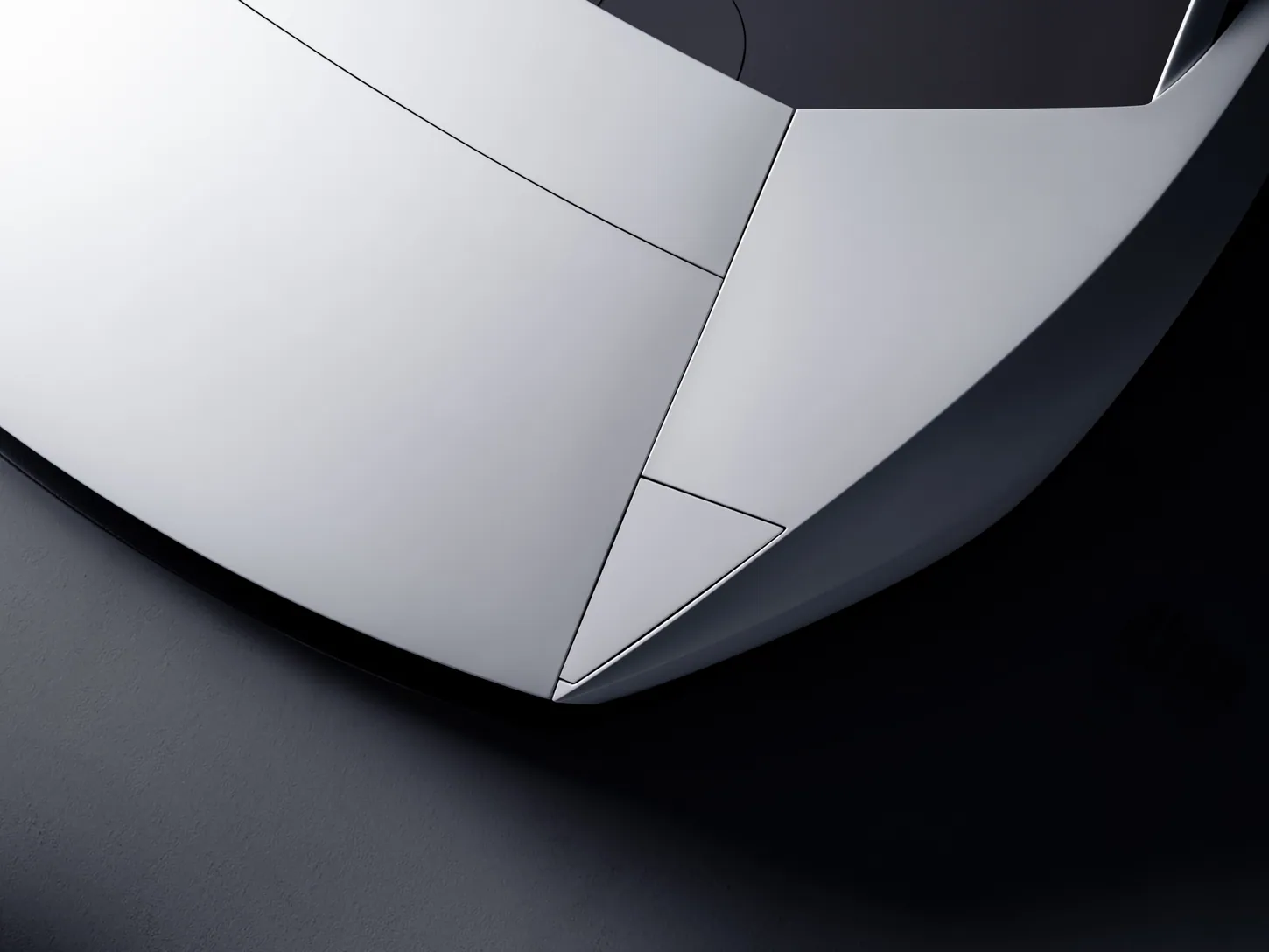
Above the fans, almost every panel moves. Moravy says the leading edges of the front wings tilt up to 80 degrees, and he calls the whole front section a massive wing with five surfaces. Panels behind the front wheels pop out as barge boards, and an active vent above the hood lets hot air out of the cooling system.
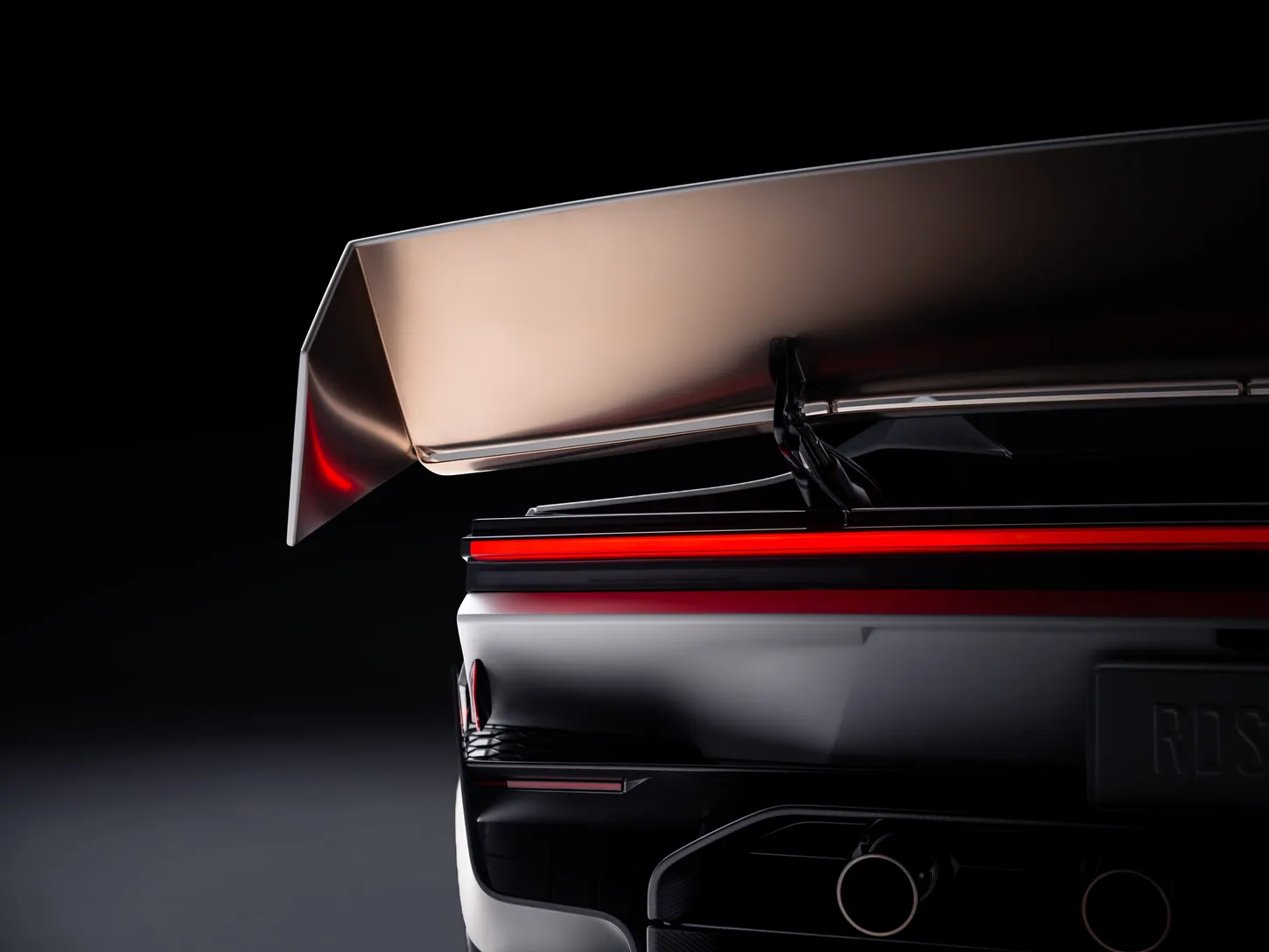
The rear wing has the road, high-downforce and low-drag positions EVXL compared with Tesla’s own wing patent, which rates a matching wing at up to 1,543 pounds (700 kg). Moravy says Optimus robot leg actuators move it, two in view and two hidden, with a brake added to hold the wing under thousands of newtons of load.
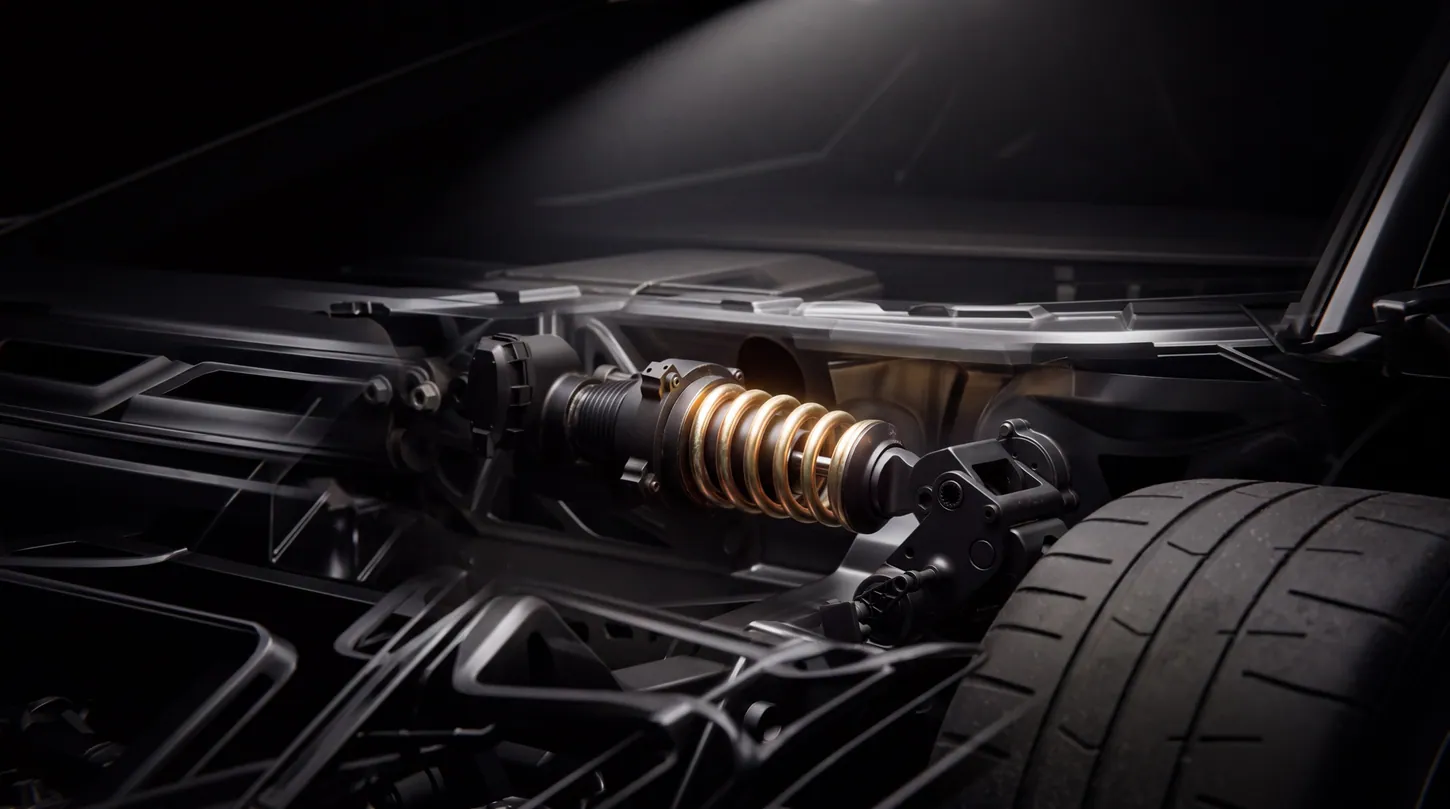
Track Mode lowers the car by 1.6 inches (40 mm) on spool-valve adaptive dampers and makes it three times stiffer, according to Hagerty. Moravy describes double wishbones with rocker arms up front and a multi-link rear. Merritt’s list gives a width of 79 inches (2 meters). The prototype’s body is all carbon fiber, and Hagerty says some production panels may be metal.
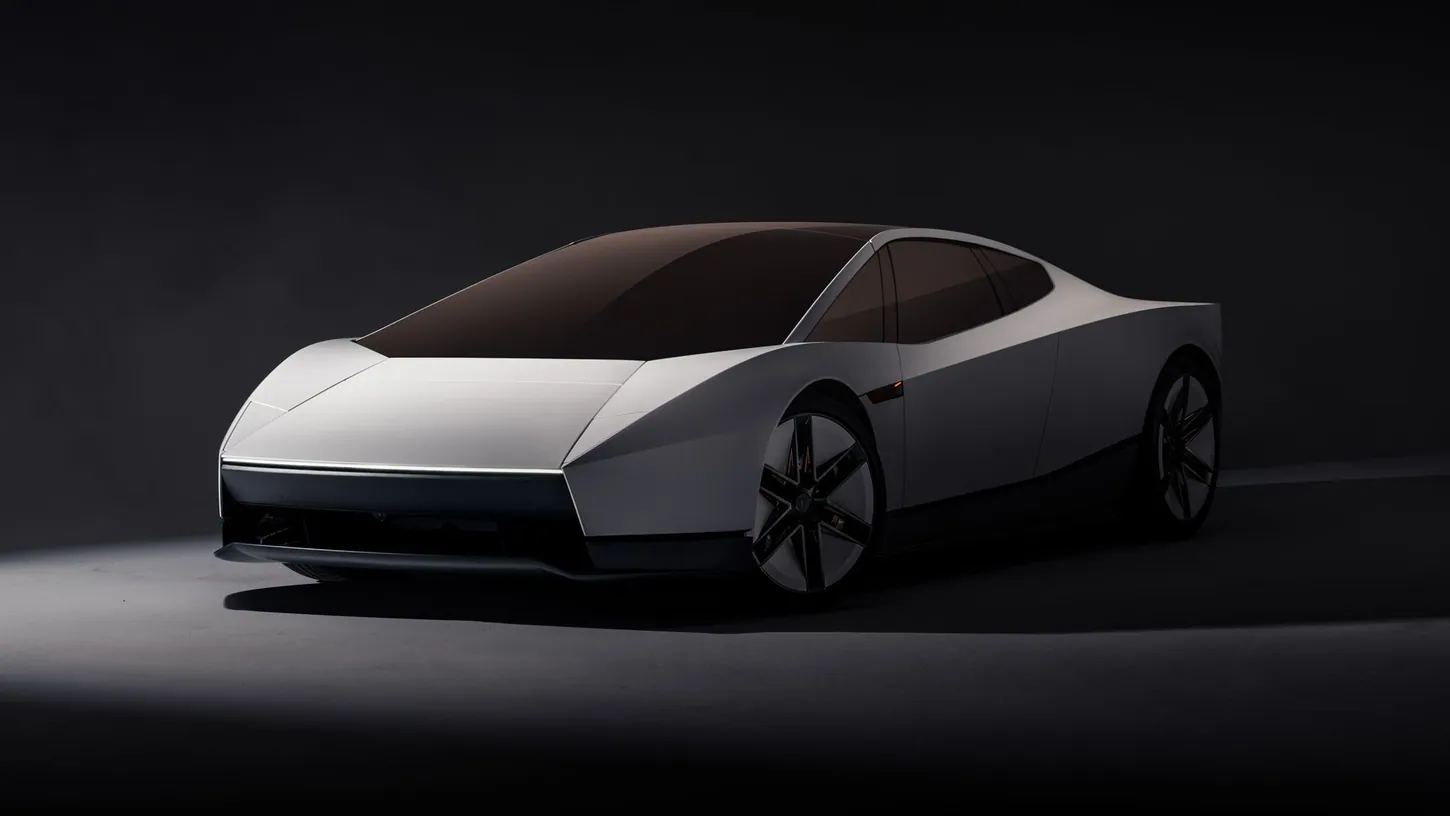
Tesla’s exterior post calls the headlights concealed. They pop down rather than up, and Moravy says each module is only about 0.6 inches (15 mm) tall, with the low and high beams in one unit.
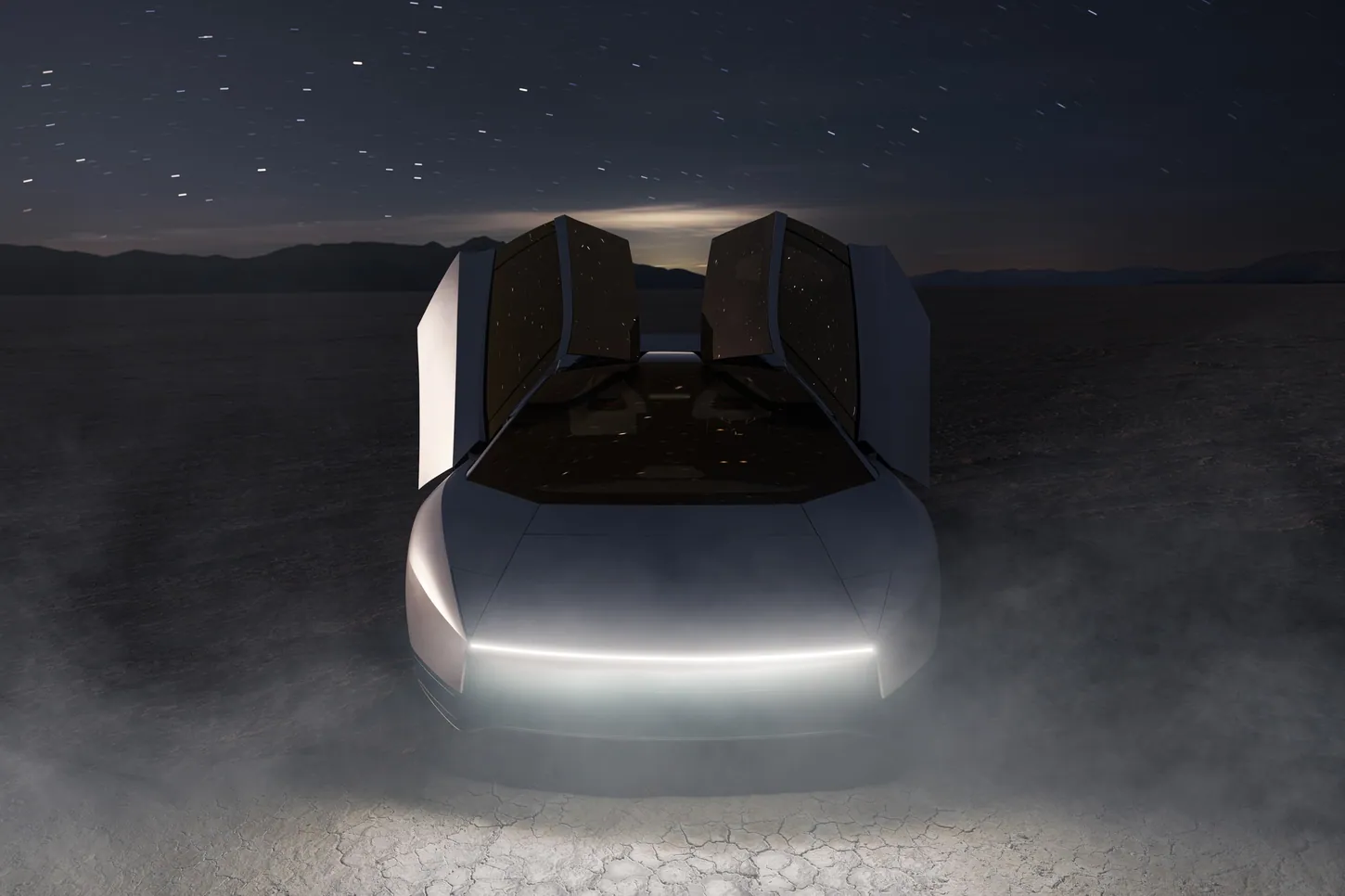
The same post names the paint Ano White, an aerospace-derived finish that Tesla says resists UV, cold and corrosion and dissipates static. Tesla calls the glass tint Gold Glazed, meant to mimic the copper coating on spacesuit visors. Moravy calls it titanium oxide glass, the orange tint used on many aircraft.
Roadster Thrusters Run for About Five Seconds Per Fill
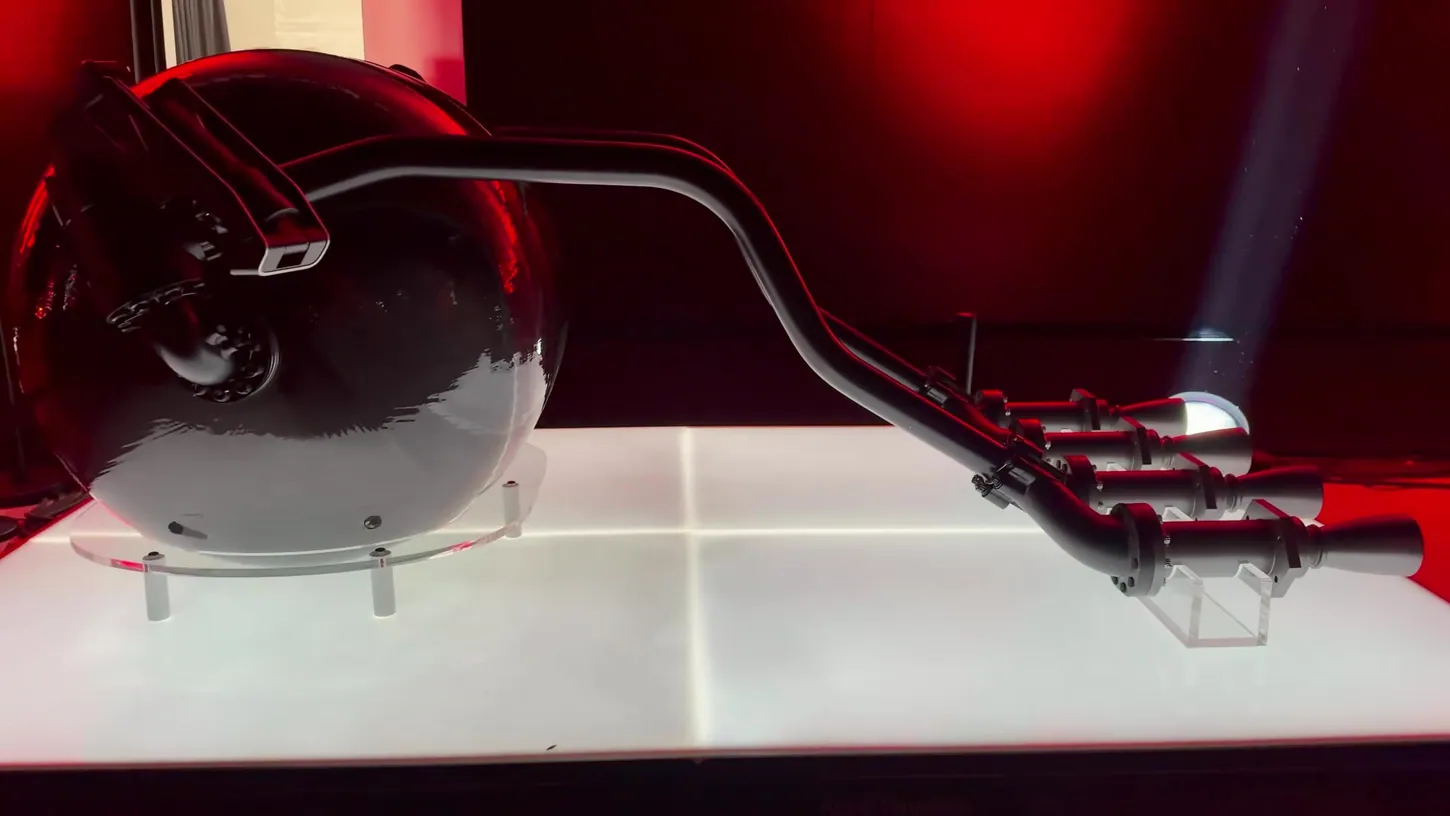
The Thrust carries a 53-gallon (200-liter) nitrogen tank in its trunk, and the Rocket adds a 106-gallon (400-liter) tank in place of the passenger seat. Merritt’s list and Oli’s notes put one fill at about five seconds of thrust. Filling all 600 liters takes six to seven hours, Hagerty says.
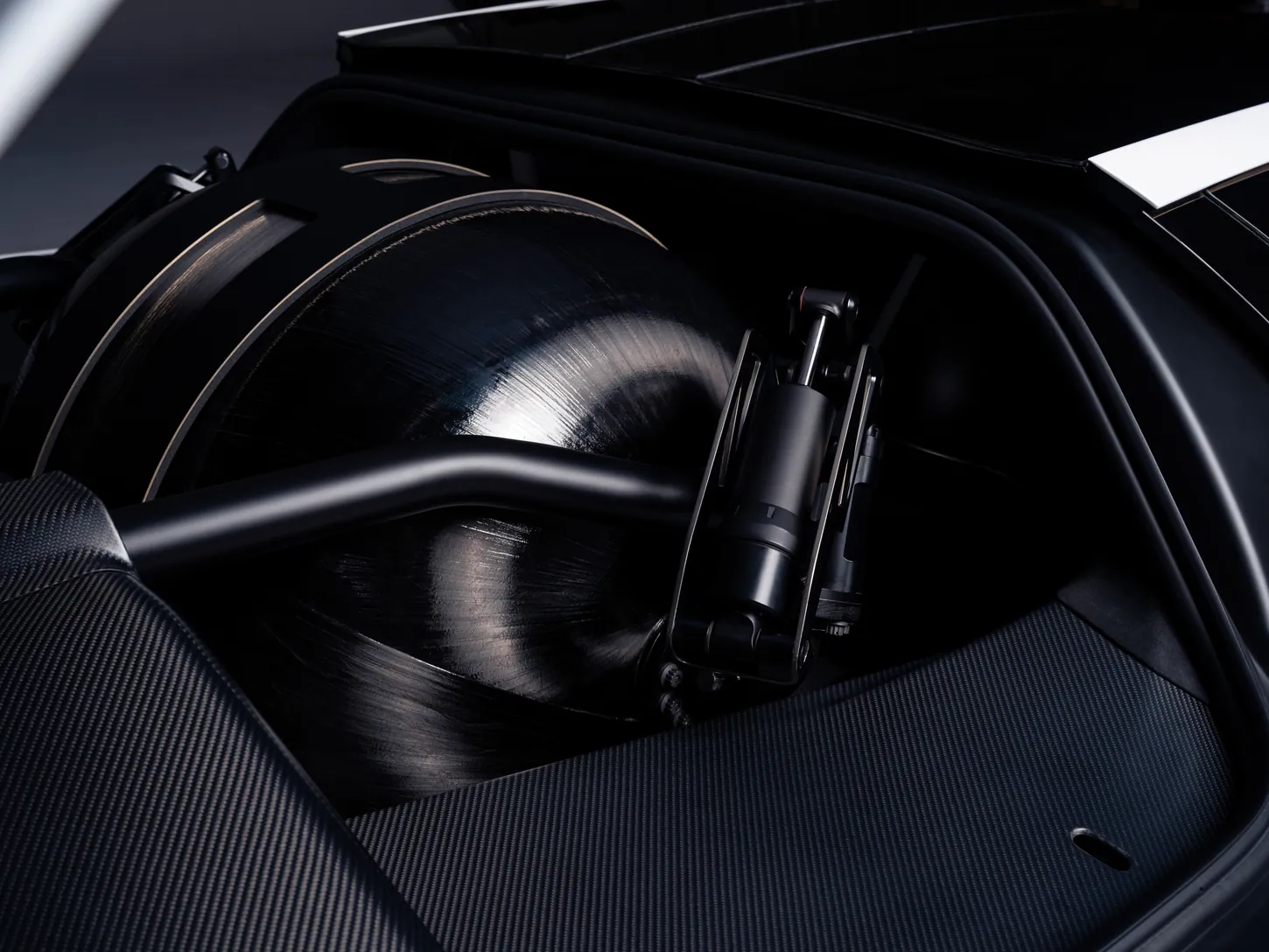
InsideEVs’ summary of the Top Gear video gives two to six hours, and both say Tesla is working to get a refill down to about 30 minutes. Merritt’s list calls the system single use: one launch, then a refill. Moravy told Hagerty that Tesla chose nitrogen because air is mostly nitrogen and spacecraft already use it in their own cold-gas thrusters. He called the gas air on the livestream.
The Rocket’s six extra thrusters sit one at each corner and two at the front for yaw. Moravy says SpaceX co-developed the thrust and flight packages, and that everything else on the car, the suction system included, is Tesla’s own work.
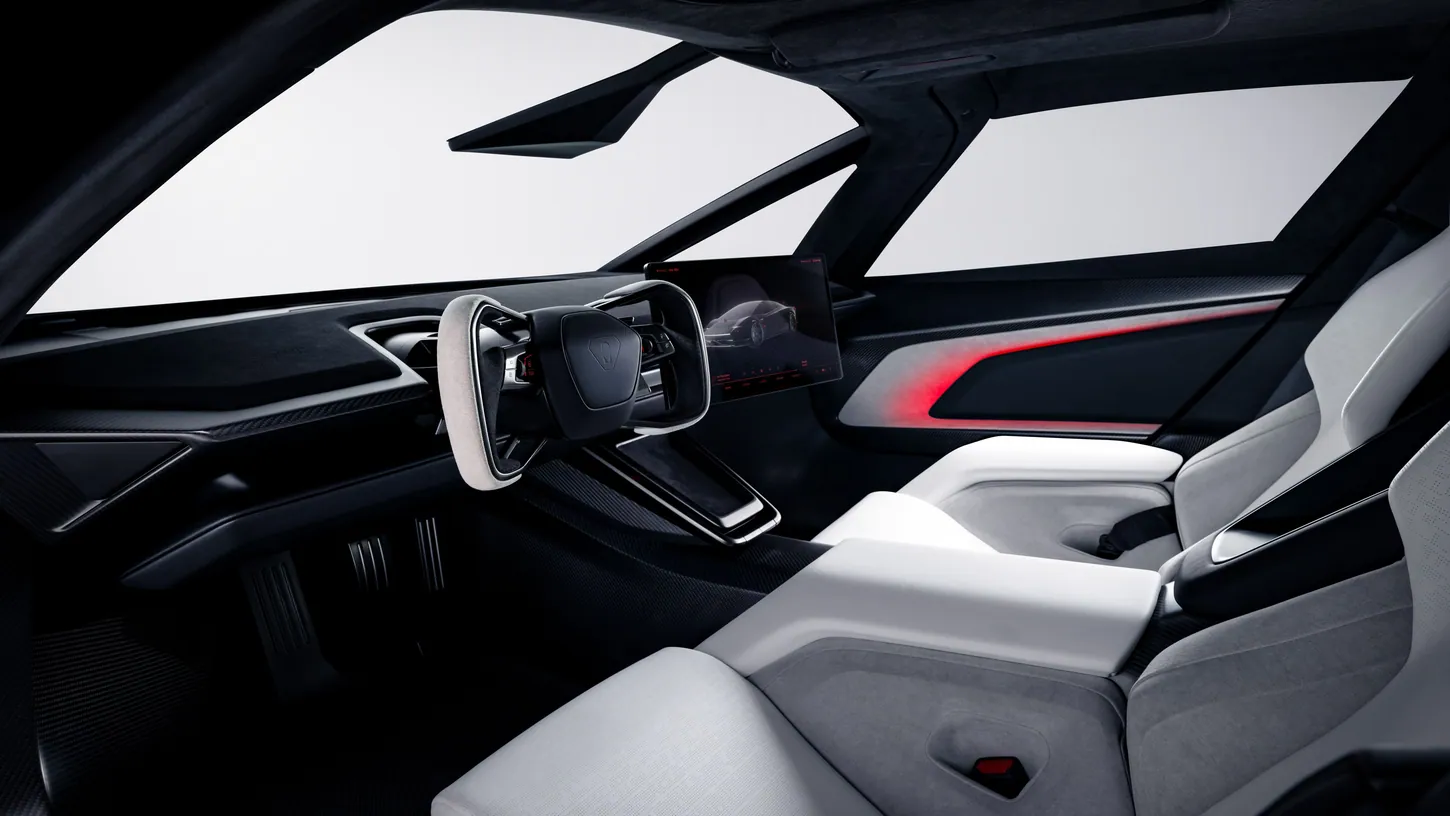
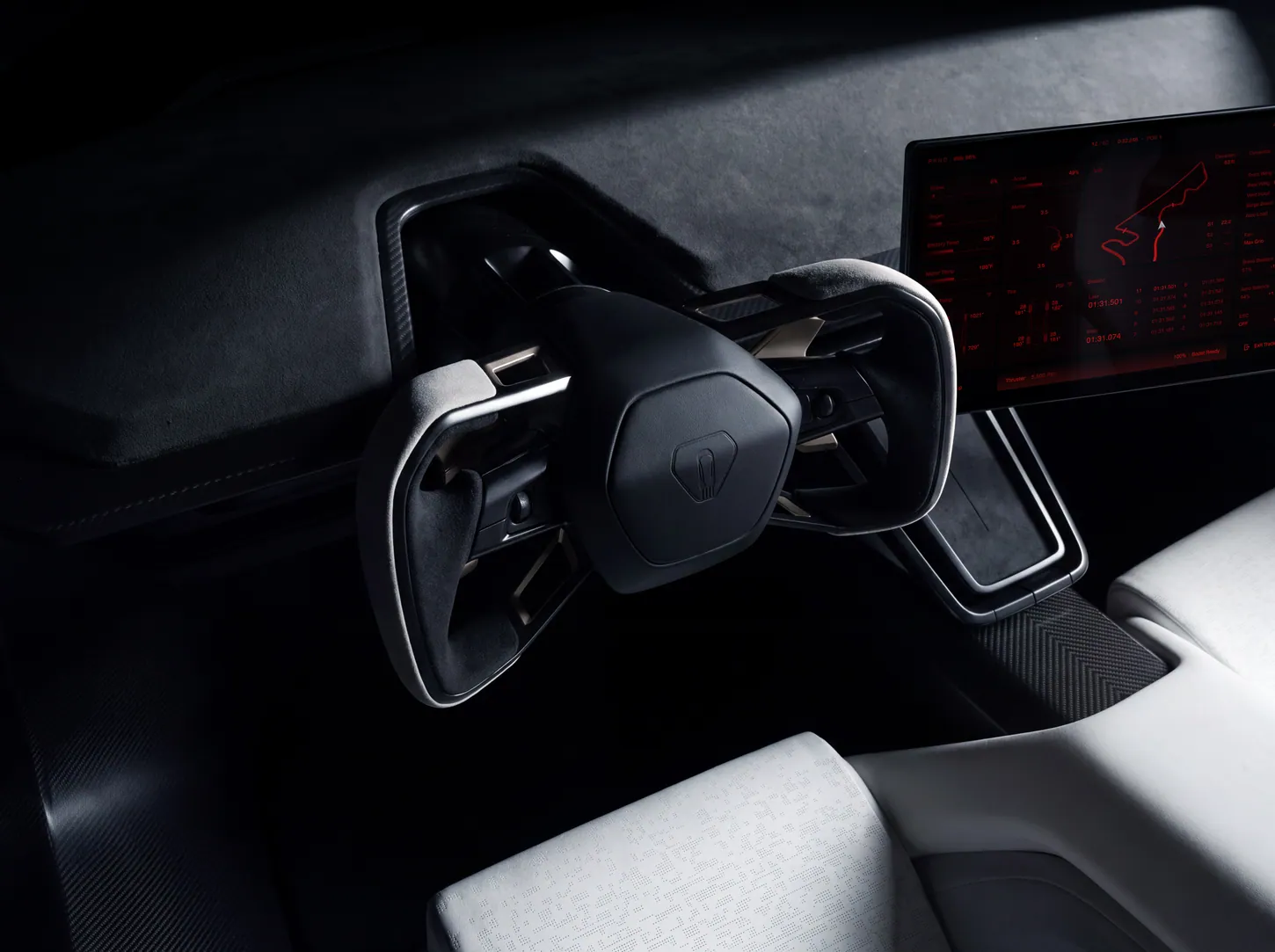
Moravy told Hagerty the carbon fiber overwrapped pressure vessels (COPVs) can hold up to 10,000 psi (690 bar). The track screen in Tesla’s own interior photo reads “Thruster · 5,500 PSI,” which EVXL reported this morning. A vessel’s capacity and the pressure it runs at can differ, and Tesla hasn’t said which one the screen shows. Gas leaves the vessel through a single valve moved by the same Optimus leg actuator as the wing.
The Roadster’s Pedals Move Because the Seat Doesn’t
Tesla fixed the seat bases to save weight, as McLaren did on the W1, and moves the controls to the driver instead. Hagerty and Top Gear both report a movable pedal box, Top Gear adds an adjustable steering column, and the seatbacks recline.
Steering and braking are by wire, with a variable rack, and the brakes use carbon-ceramic rotors. Oli’s notes give the yoke 170 degrees of travel each way, with damping on its return.
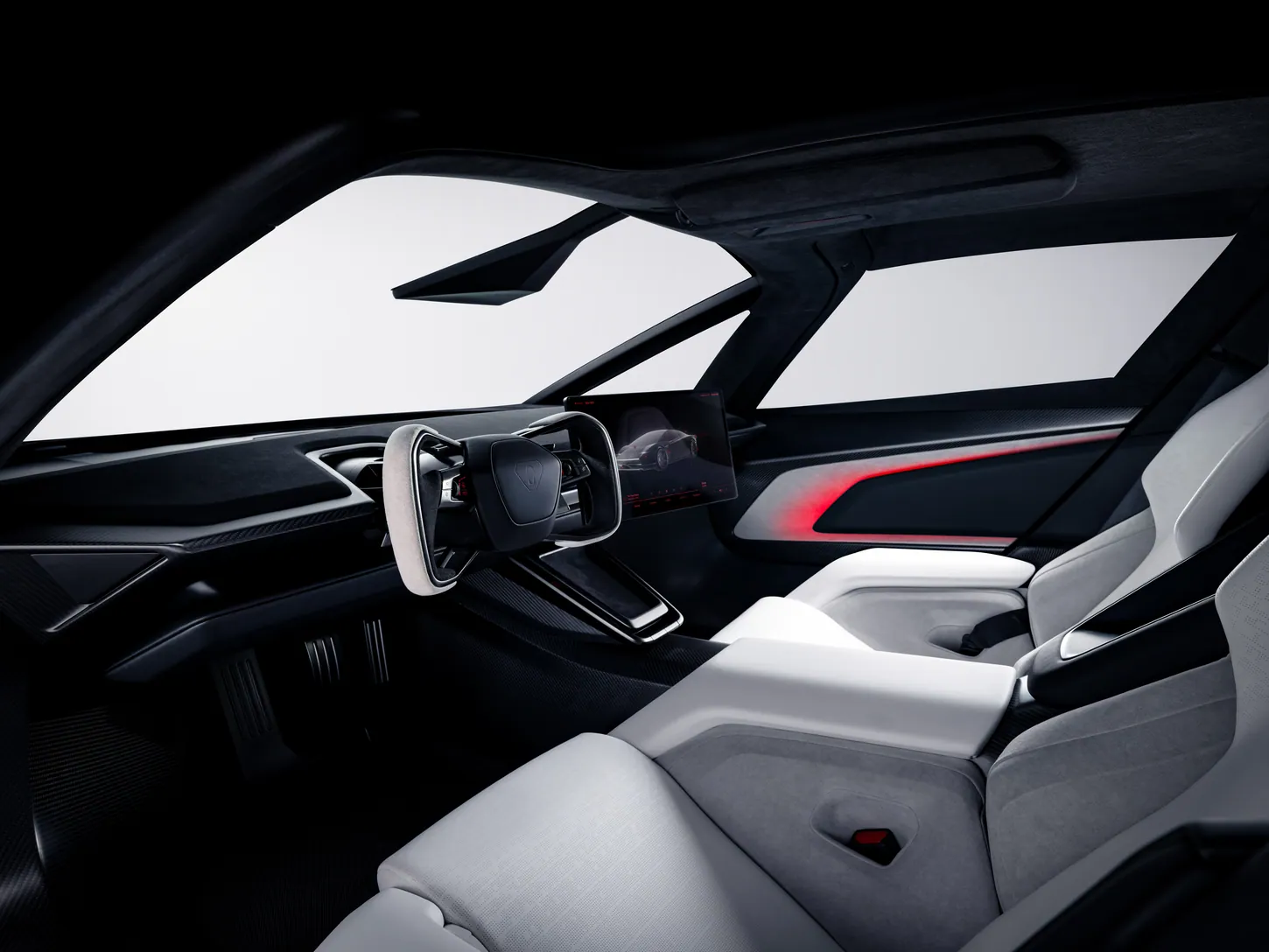
That answers the question EVXL’s interior story left open this morning, when Tesla’s post mentioned manual controls without saying what they adjust.
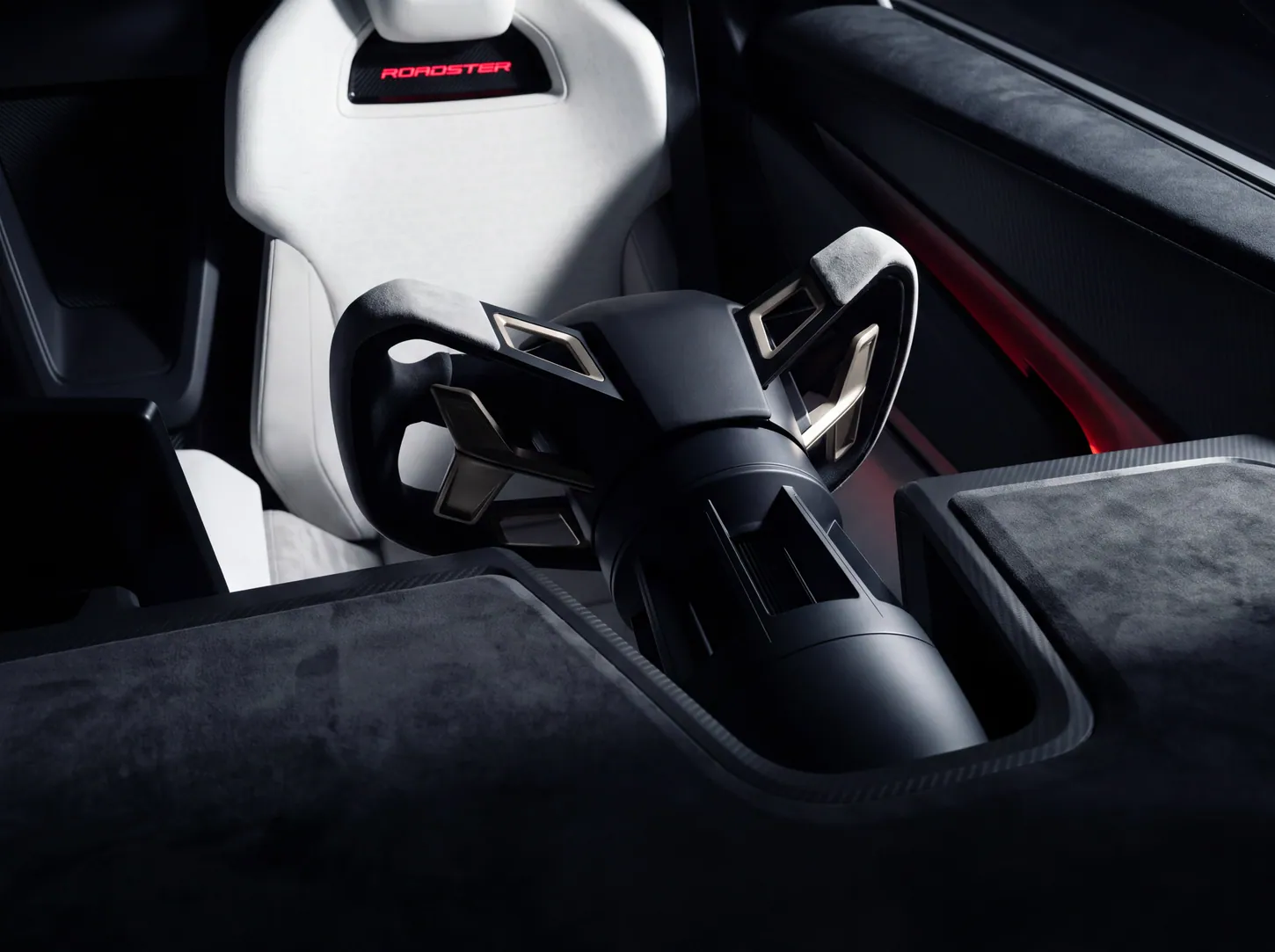
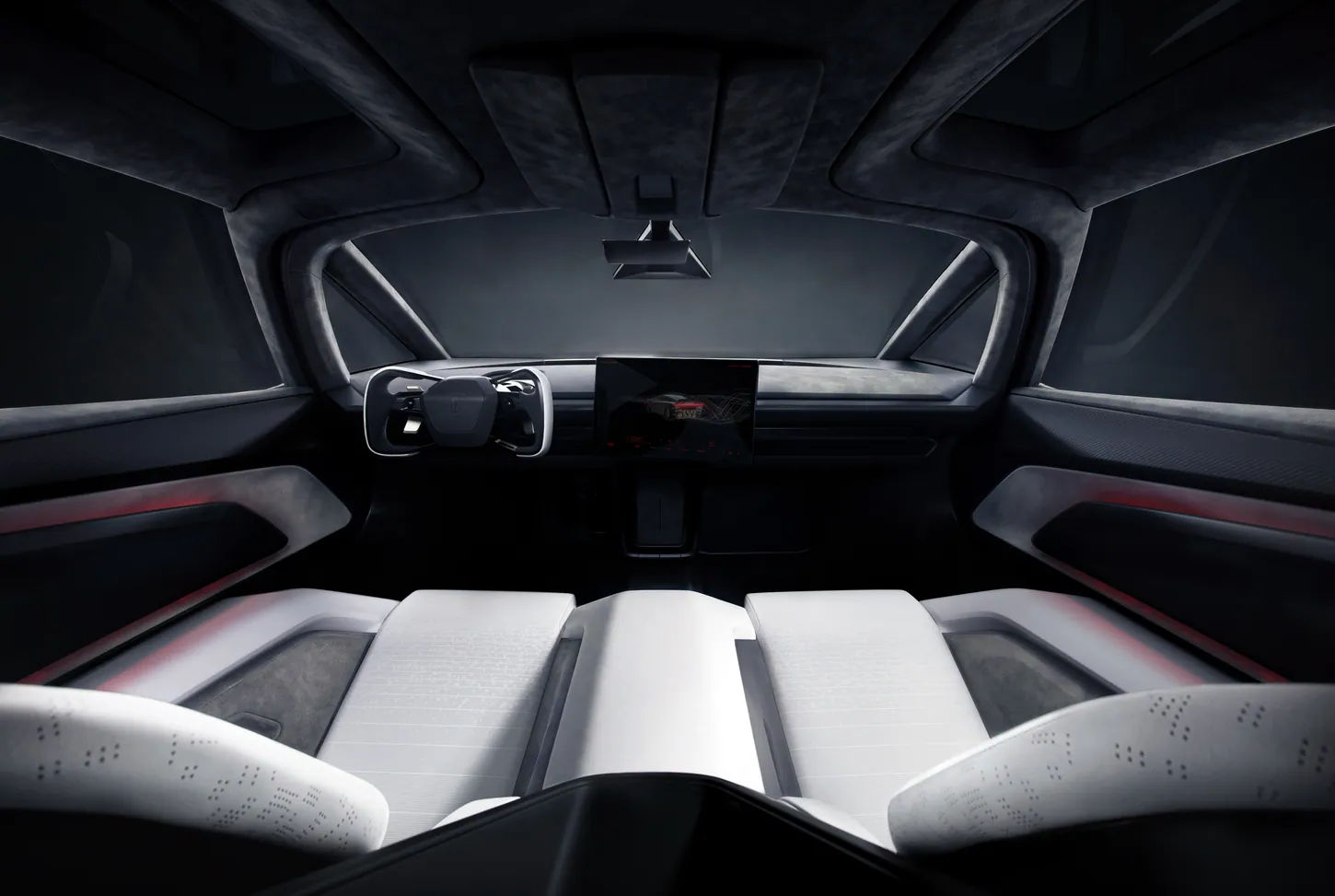
The rest of the cabin is more comfortable than the fixed seat suggests. Oli’s notes describe a padded sill to sit on and swivel into the cabin. Moravy describes a next-generation heat pump on a shared coolant loop, and Merritt’s list adds heated seats and a wireless phone charger. The center screen is angled toward the driver, according to Hagerty. The glass roof panels come out for a T-top, and Top Gear says they stow in the trunk. A thin display runs along the bottom of the windshield, according to the Detroit News.
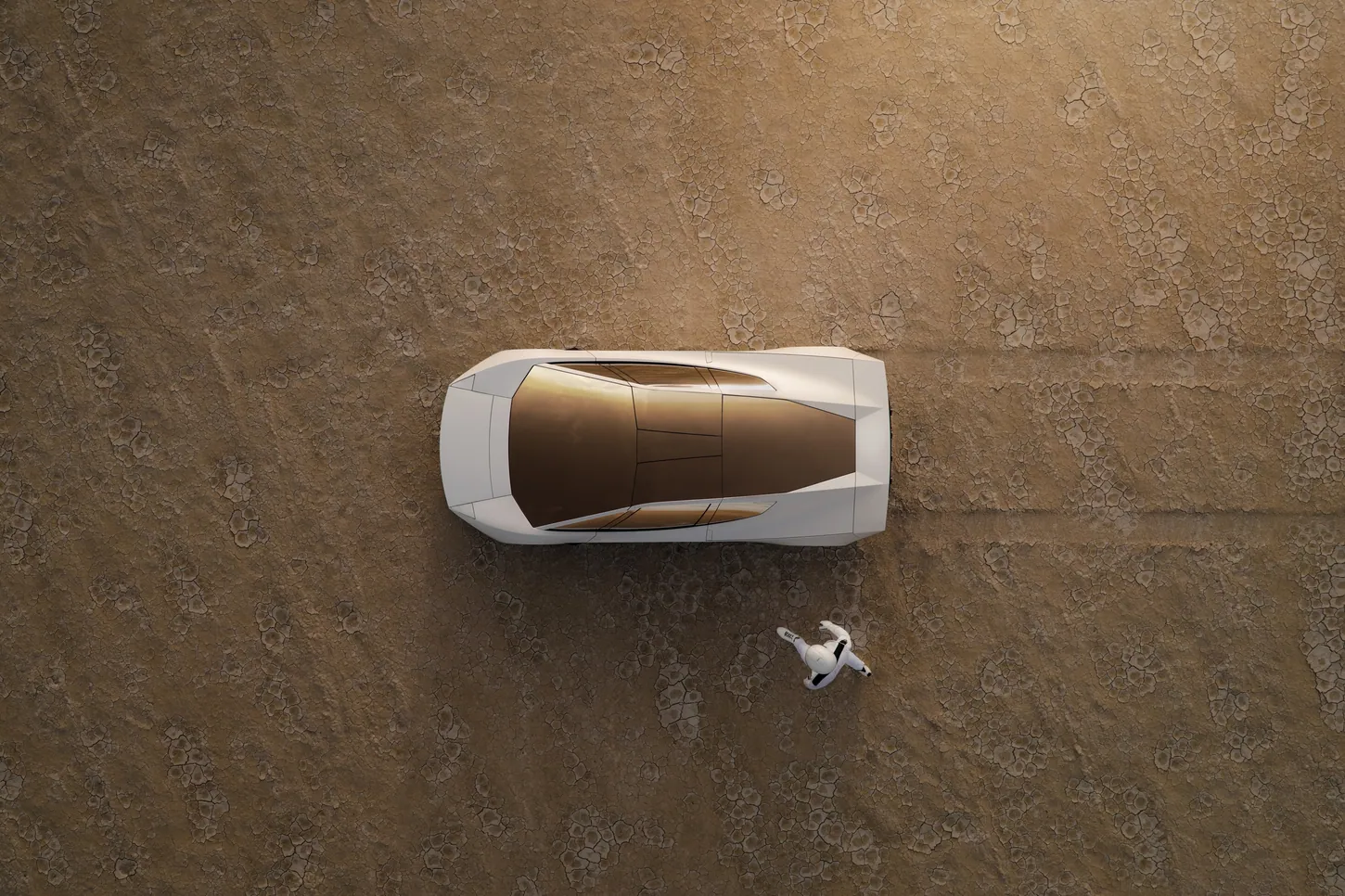
Tesla’s launch tagline calls the car “The last best driver’s car.” On stage, Elon Musk went further: “This will actually be long-term the only manually driven car that Tesla makes,” per the Detroit News.
Tesla’s Roadster Top Speed Claims Span 210 to 383 MPH
The figures differ because they describe different cars and dates. Hagerty puts the Performance at 210 mph and the Thrust at 230 mph (370 km/h), the figure Tesla’s launch post gives the Rocket. InsideEVs puts today’s car at 214 mph and the target at 330 mph (531 km/h).
Tesla is also targeting Mach 0.5, about 383 mph, according to The Autopian. Top Gear says a 300 mph version is being engineered.
The build plan is just as early. Moravy told Hagerty that Tesla has four or five development prototypes and plans a bigger build early next year. Musk puts production in 2028, after an earlier promise of 2020. At the 2017 reveal the Roadster promised four seats, 620 miles of range and more than 250 mph, and EVXL followed at least five dates for the demo before Thursday.
EVXL’s Take
The interviews made the Roadster more believable to me. Moravy talked openly about skirts that wear out, a six-to-seven-hour refill and a range cut made on purpose to save weight, and InsideEVs reports a car that does 214 mph today against a 330 mph goal. Engineers don’t usually volunteer weak points like those for a car they don’t plan to build, and Moravy told Top Gear “This one, we’re going to build,” per InsideEVs. But Tesla left the details to videos and an investor’s bullet list, and its own spec sheet is still a launch post with three acceleration times and a range floor. Tesla takes $50,000 within 10 days of a reservation. For that money it owes buyers one page with the pack size, the charge curve, each trim’s top speed and a price, and until it publishes one I’d trust Moravy’s interviews over the launch post.
Sources: Sawyer Merritt on X, Top Gear on YouTube, Top Gear, Hagerty, Hagerty on YouTube, InsideEVs, Tesla on X, Tesla on X, Tesla on X, The Detroit News, The Autopian
EVXL uses automated tools to support research and source retrieval. All reporting and editorial perspectives are by Haye Kesteloo.