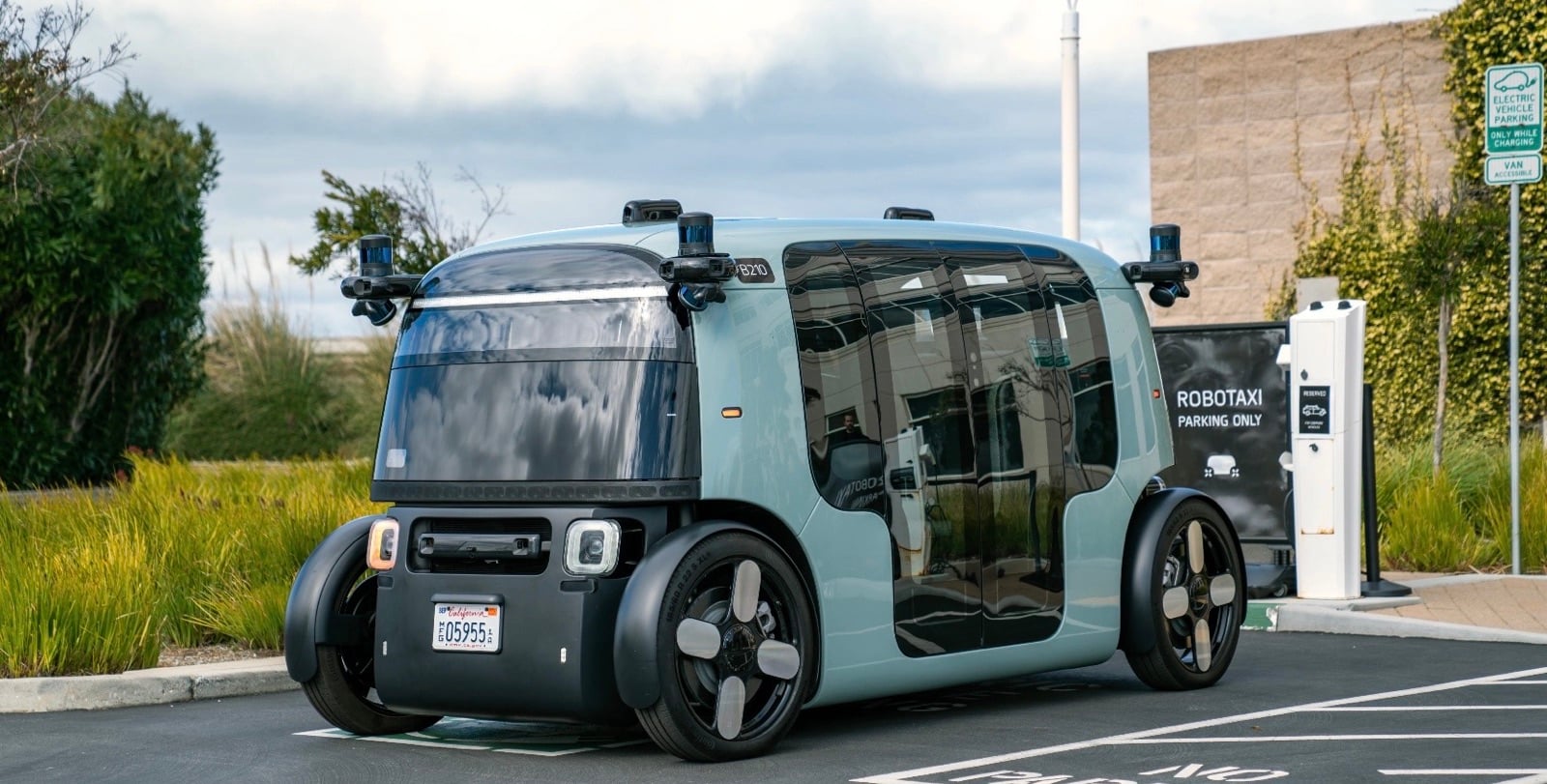
Three robotaxi CEOs will sit across from federal regulators on Tuesday. One conspicuously prominent company will not be at that table.
According to Reuters, the National Highway Traffic Safety Administration holds its National AV Safety Forum on March 10 in Washington, D.C., a day-long session at USDOT Headquarters that will feature a fireside chat between NHTSA Administrator Jonathan Morrison and the chief executives of Waymo, Zoox, and Aurora. Tesla is listed on the venue’s AV Showcase on Automation Plaza outside but is not included in the executive panel discussion with NHTSA.
That seating arrangement tells you something.
TL;DR
- The Fact: NHTSA is convening the CEOs of Waymo, Zoox, and Aurora on March 10 to discuss the path from autonomous vehicle demonstration to nationwide commercial scaling, including safety metrics, remote assistance rules, and updated federal guidance.
- The Delta: Tesla is present at the venue’s outside showcase but is not listed as a participant in the CEO-level panel, a distinction that reflects where regulators currently place the company relative to commercial-scale autonomous operators.
- The Buyer Impact: If you’re watching the robotaxi space, this forum is where the regulatory framework gets shaped. The guidance that emerges will define what it takes to deploy driverless vehicles at scale. Tesla’s absence from that conversation has practical consequences.
NHTSA’s Agenda Targets the Hardest Problems in Autonomous Deployment
The March 10 forum is structured around three questions that the robotaxi industry has been avoiding for years: how do you measure autonomous vehicle safety in a way that means something; how should remote assistance (a human operator watching and occasionally guiding a vehicle from a control room) be regulated; and what does the federal guidance framework look like now that the last major NHTSA autonomous driving document was published in 2017.
NHTSA’s own agenda frames the problem plainly: “The industry has progressed beyond the era of isolated testing, development, and pilot programs into a reality where robotaxis and commercial vehicles are now navigating American roadways daily. However, the transition from successful technical demonstration to nationwide commercial scaling remains the industry’s greatest hurdle.”
The safety metrics panel is particularly pointed. Rather than leaning on lagging indicators like crash and fatality rates, NHTSA wants to discuss “leading indicators” (safety margin violations and behavioral metrics that reveal risk before a crash occurs). CMU Faculty Emeritus Phil Koopman, one of the sharpest academic critics of industry safety claims for years, is on that panel. His presence suggests NHTSA is not simply staging a promotional event for the industry.
The remote assistance session is equally consequential. Zoox, Gatik, and an autonomous vehicles attorney are the panelists. Remote assistance (where a human operator can confirm an action, provide guidance, or in some cases take manual control) introduces network latency risks and cybersecurity vulnerabilities that no one has publicly resolved. Making rules around it matters because almost every commercial robotaxi operator uses it to some degree, including Tesla, which has acknowledged using “plenty of teleoperation” in its Austin operation.
Tesla’s Forum Role Reflects Its Regulatory Position
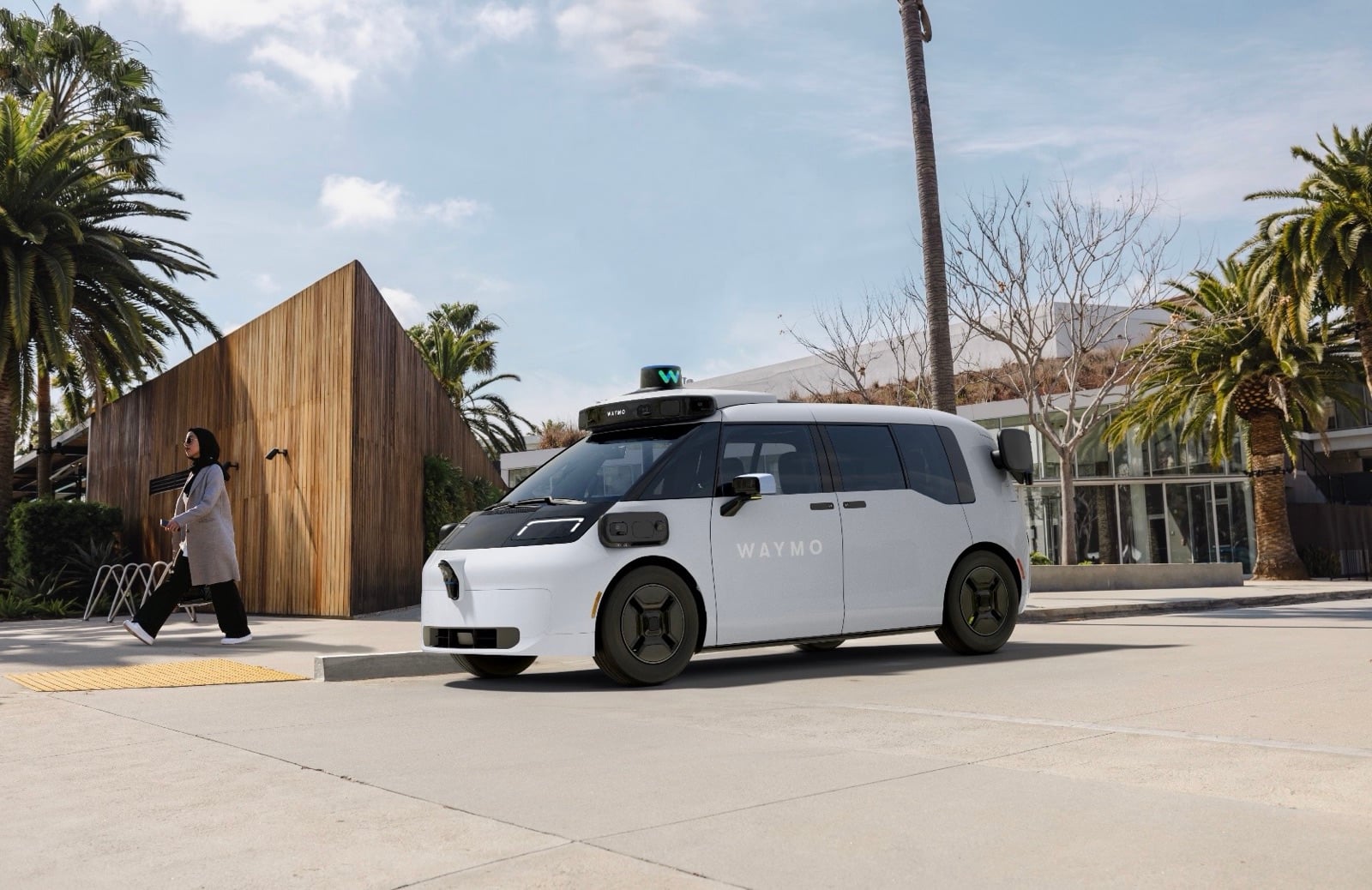
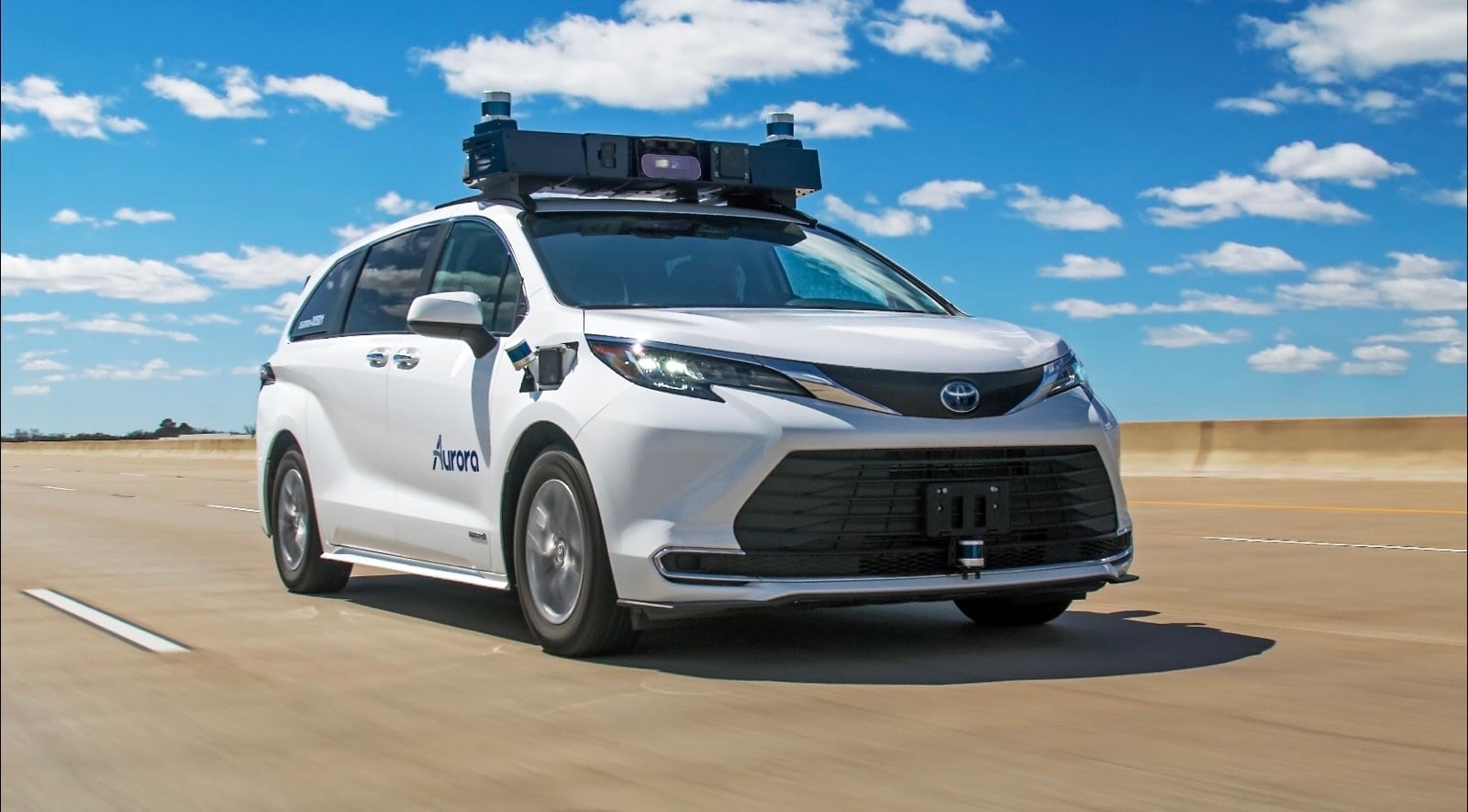
Tesla is listed in the AV Showcase on Automation Plaza alongside Holon, Lucid-Nuro-Uber, Waymo, and Zoox. That is a display event, not a regulatory dialogue. Waymo co-CEO Tekedra Mawakana, Zoox CEO Aicha Evans, and Aurora CEO Chris Urmson are seated directly across from the NHTSA administrator. Tesla has no equivalent seat.
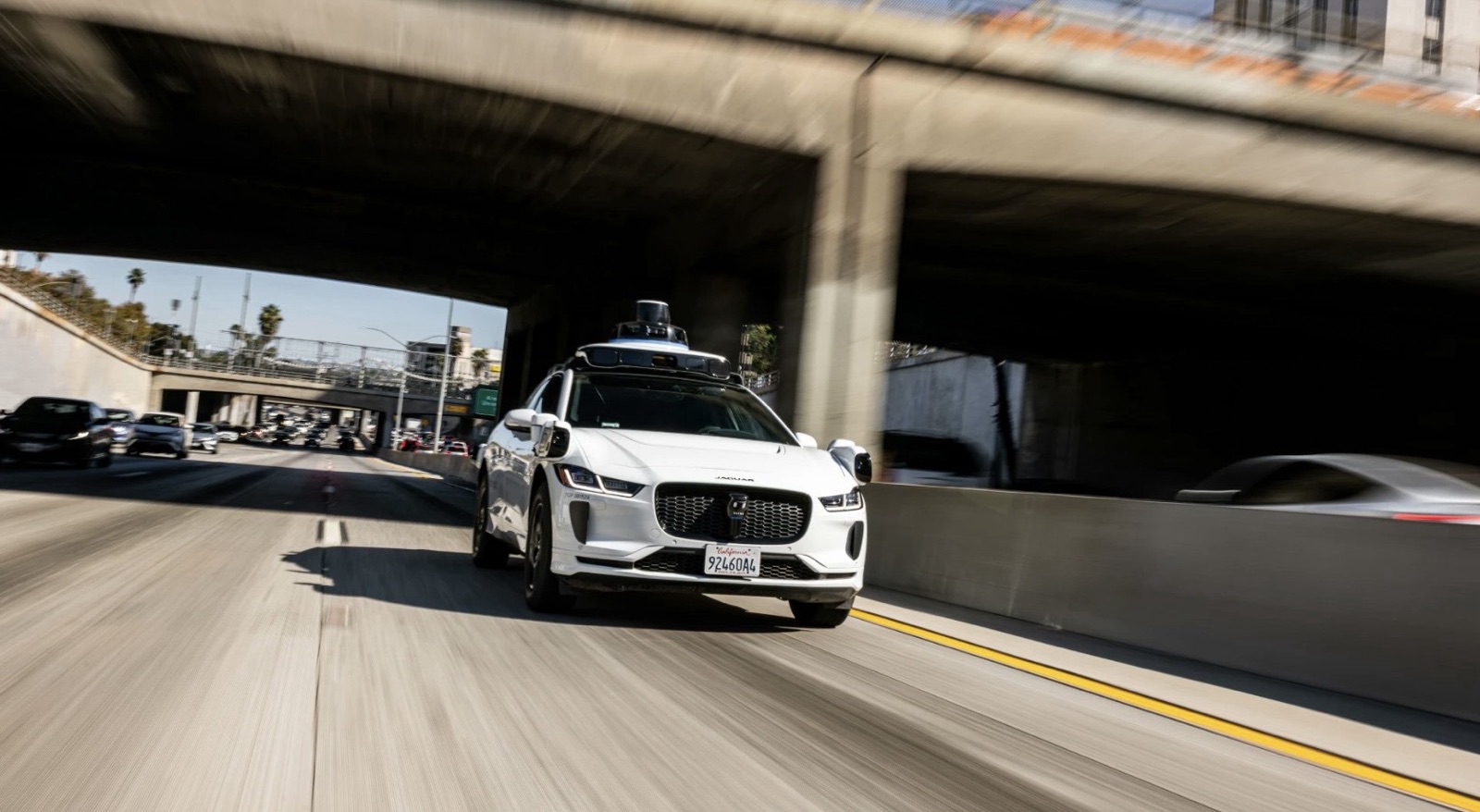
The contrast is not incidental. Waymo operates across Phoenix, San Francisco, Los Angeles, Austin, Atlanta, and Miami, has logged 200 million fully autonomous miles on public roads, and completes 400,000 weekly rides. Aurora launched the first commercial driverless freight trucking service on Texas highways. Zoox is running limited driverless rides in the U.S. These are companies that NHTSA is actively regulating and, apparently, actively consulting.
Tesla’s position is different. As we reported in February, Tesla’s own Austin crash data shows its robotaxi fleet crashing at roughly four times the rate of average human drivers by Tesla’s own internal benchmark. NHTSA and the National Transportation Safety Board are both investigating Waymo robotaxis allegedly passing stopped school buses — which tells you the agency is scrutinizing even the leading commercial operator. Tesla, meanwhile, is still operating under Texas’s comparatively permissive framework, has logged essentially zero autonomous test miles in California in six consecutive years, and redacts every crash narrative from its NHTSA filings. That practice is unique among AV operators.
Morrison told Reuters last week that the agency wants to support autonomous vehicle innovation because of the potential benefits for crash reduction and mobility access for older Americans and people with disabilities. He also said: “The technology is not perfect. We are not going to be shy when we see something that we believe presents a risk to the public.”
Congress Is Watching, Too
The forum lands at a moment when Congress is considering legislation to make it easier to deploy autonomous vehicles without human controls. Lawmakers have been divided for years on whether and how to act. The Trump administration is pushing for faster deployment and fewer regulatory barriers, which is part of why this forum exists. The political current favors the industry.
The public comment period runs 30 days after the March 10 event, until April 10, 2026. Whatever guidance comes out of this process will set the terms for the next phase of commercial robotaxi deployment in the United States.
EVXL’s Take
The forum’s structure is a quiet verdict on where the industry actually stands. Three companies with real commercial autonomous operations get a seat at the regulatory table. The fourth-most-discussed AV company in America gets a spot on the outdoor showcase.
That gap is worth watching because the guidance coming out of March 10 will likely formalize things Tesla has been resisting: documentation requirements, safety benchmarking against leading indicators rather than vague internal metrics, and clearer rules around remote assistance. Tesla has already objected to California’s minimum-mile requirements and called crash reporting rules “overly burdensome.” If NHTSA moves toward anything resembling California’s evidence-based permitting framework at the federal level, Tesla’s approach (operate aggressively in permissive states, argue against documentation standards elsewhere) gets harder to sustain.
The remote assistance session is the one I’m watching most closely. Tesla’s Austin operation relies on teleoperation to a degree the company has not publicly quantified. When NHTSA publishes guidance on what constitutes safe remote assistance (latency thresholds, operator certification, cybersecurity requirements) it will either validate or complicate Tesla’s current approach. Waymo’s attorney and Zoox’s senior director are in that room. Tesla is not.
My prediction: by Q3 2026, NHTSA will publish draft guidance on remote assistance standards that includes specific latency and cybersecurity requirements. That guidance will create compliance costs for all operators, but it will create a larger proportional burden for operators who haven’t publicly documented their remote assistance infrastructure. Tesla will push back hard during the comment period. Waymo, having shaped the conversation on March 10, will have a structural advantage in the rulemaking that follows.
To be fair: the forum’s panelists are all commercial AV operators with Standing General Order reporting obligations to NHTSA — a regulatory category Tesla technically doesn’t fit, given its Austin service operates under Texas state rules rather than federal commercial AV frameworks. But that distinction is itself the story. Tesla has been arguing against the documentation standards that would put it in that category. The result is that it’s outside the room where those standards are being written.
The company that shows up to write the rules usually ends up with better rules.
Frequently Asked Questions
What is the NHTSA National AV Safety Forum?
NHTSA’s National AV Safety Forum is a day-long public meeting held on March 10, 2026, at the U.S. Department of Transportation headquarters in Washington, D.C. It includes keynote addresses from DOT leadership, a CEO-level fireside chat with executives from Waymo, Zoox, and Aurora, panel discussions on safety metrics and remote assistance, and an afternoon workshop on potential new federal guidance for autonomous vehicle development and deployment.
Why is Waymo at the NHTSA forum but not Tesla?
Waymo, Zoox, and Aurora are participants in the executive panel discussion because they operate commercial driverless services at scale under existing regulatory frameworks. Tesla is listed in a separate outdoor showcase event but is not included in the CEO-level panel with NHTSA. Tesla’s Austin robotaxi service operates under Texas’s permissive framework, while Tesla has not applied for driverless testing permits in California and has objected to federal documentation requirements.
What will NHTSA’s new autonomous vehicle guidance cover?
Based on the March 10 agenda and the associated Federal Register notice, NHTSA is developing updated guidance on remote assistance standards, autonomous driving system behavioral competencies, and safety performance metrics. The existing voluntary guidance, “Automated Driving Systems 2.0: A Vision for Safety,” was published in 2017. The new framework will reflect nearly a decade of commercial AV deployment experience. A public comment period runs until April 10, 2026.
Editorial Note: AI tools were used to assist with research and archive retrieval for this article. All reporting, analysis, and editorial perspectives are by Haye Kesteloo.
Discover more from EVXL.co
Subscribe to get the latest posts sent to your email.