Volkswagen Group posted a €5.86 billion ($6.5 billion) operating loss for the third quarter of 2026 on October 29, deeper than the €3.48 billion it lost in the 2015 Dieselgate quarter. Most of it came from a €6.4 billion non-cash writedown of the goodwill it carries for Porsche, plus about €1 billion in impairments on its Chinese companies.
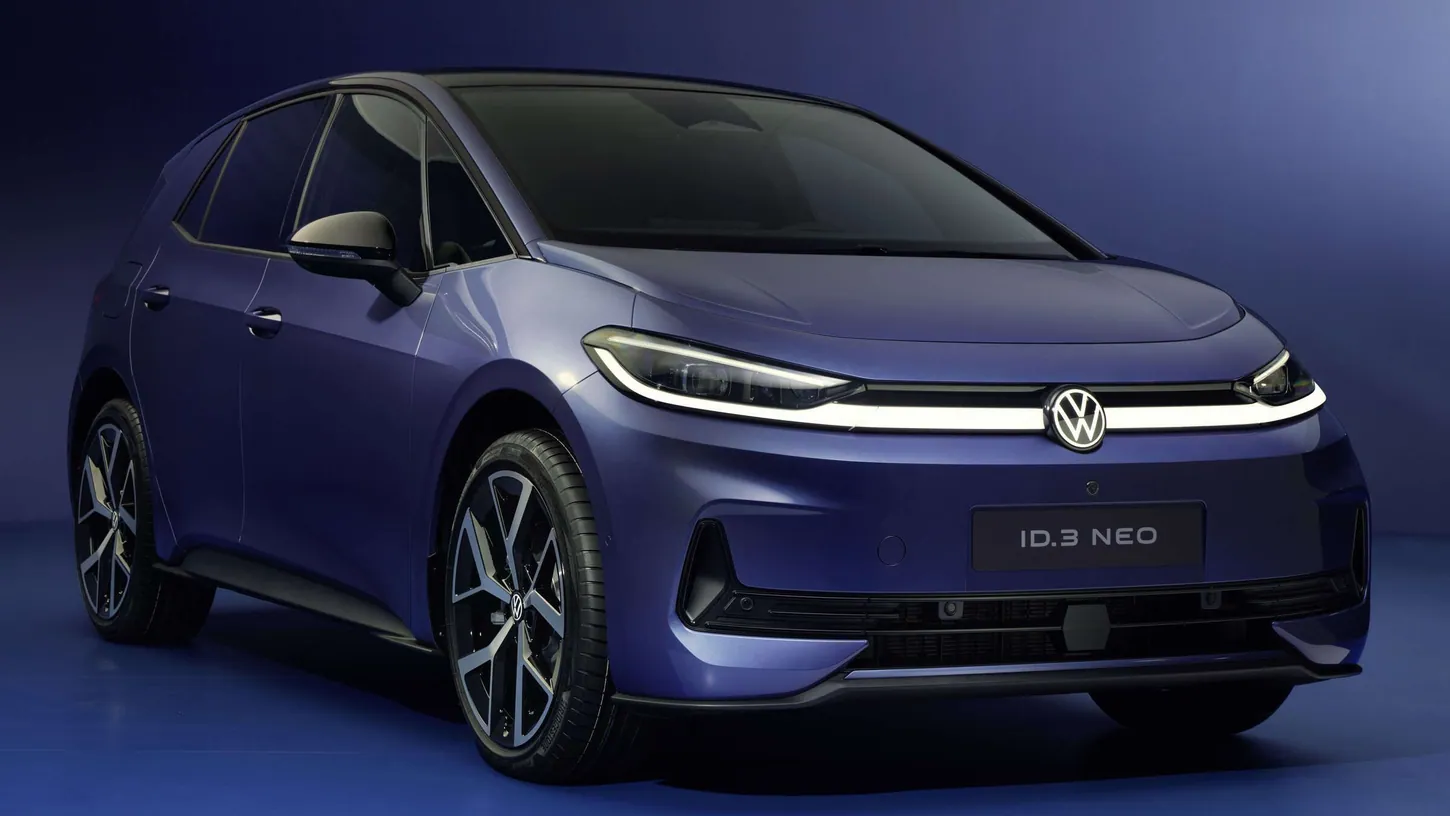
A day later, the Volkswagen brand said it is pausing development of the electric ID. Golf, the battery-powered version of its best-known nameplate, until it can afford the investment.
Volkswagen’s electric orders are climbing at the same time. Battery-electric orders in Europe rose 39% in the first nine months, and EVs now make up about 40% of its European order bank.
Porsche’s €6.4 Billion Writedown Drove Most of Volkswagen’s Q3 Loss
Special items cost Volkswagen €7.8 billion in the third quarter and €8.7 billion over nine months. Porsche goodwill took €6.4 billion of that, China impairments about €1 billion, and the planned sale of the Osnabrück plant added more. Nine-month operating profit fell to €71 million from €5.4 billion.
The writedown follows Porsche’s own reset. Porsche gave Volkswagen updated long-range plans, and VW cut the value of the business in its books accordingly, per its September 18 ad hoc filing. That same filing cut the 2026 forecast for operating return on sales to at most 1%, down from 4.0 to 5.5%.
The 2015 Dieselgate quarter carried a €6.7 billion emissions provision and still came out smaller. A year ago it lost €1.3 billion in Q3 2025, its first quarterly loss since the pandemic.
Strip the special items out and the business still earns little. Volkswagen’s nine-month results put the operating margin before special items at 3.8%, which CFO Arno Antlitz called too low to keep investing heavily in the future. Third-quarter deliveries fell 14.3% to 1.89 million vehicles, and sales at its Chinese joint ventures were down 35% through September. Cash is not the problem yet: automotive net cash flow rose to €4.4 billion for the nine months, helped by lower investment and asset sales.
Volkswagen Says Its EVs Earn Less Than the Gas Cars They Replace
Volkswagen’s CFO tied part of the earnings squeeze to its own EV success. Antlitz said in the results release that “we currently earn less from electric vehicles than from combustion-engine vehicles.” He listed US tariffs, a shrinking Chinese market and harder competition in Europe as the other pressures.
The numbers at the Volkswagen car brand show it. Its operating margin fell to 1.3% for the nine months, or 2.6% before special items. In its brand group update, VW said high fuel prices and government incentives pushed EV demand up, particularly in Germany, but the shift cost it volume and the earnings from higher-margin gas models.
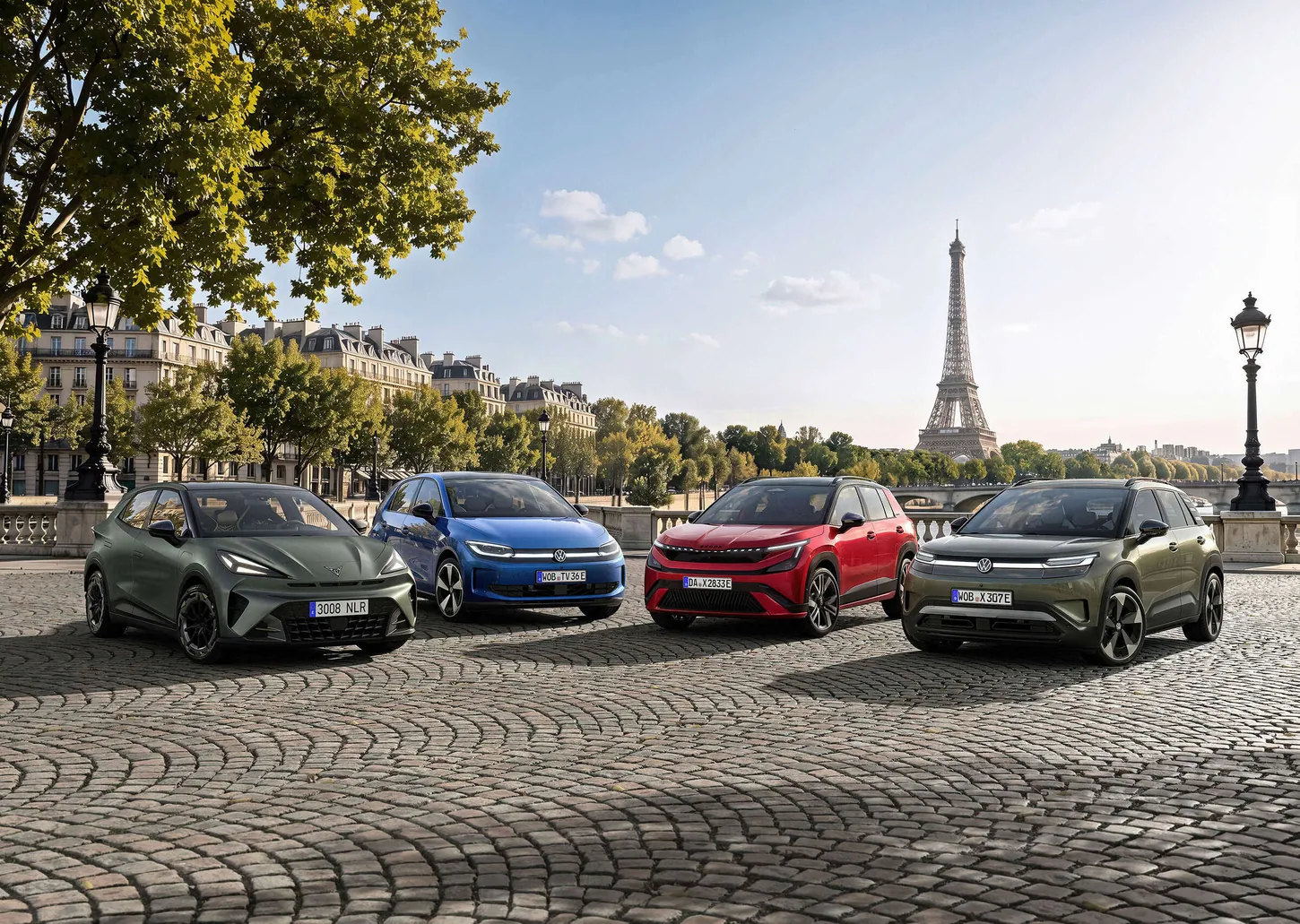
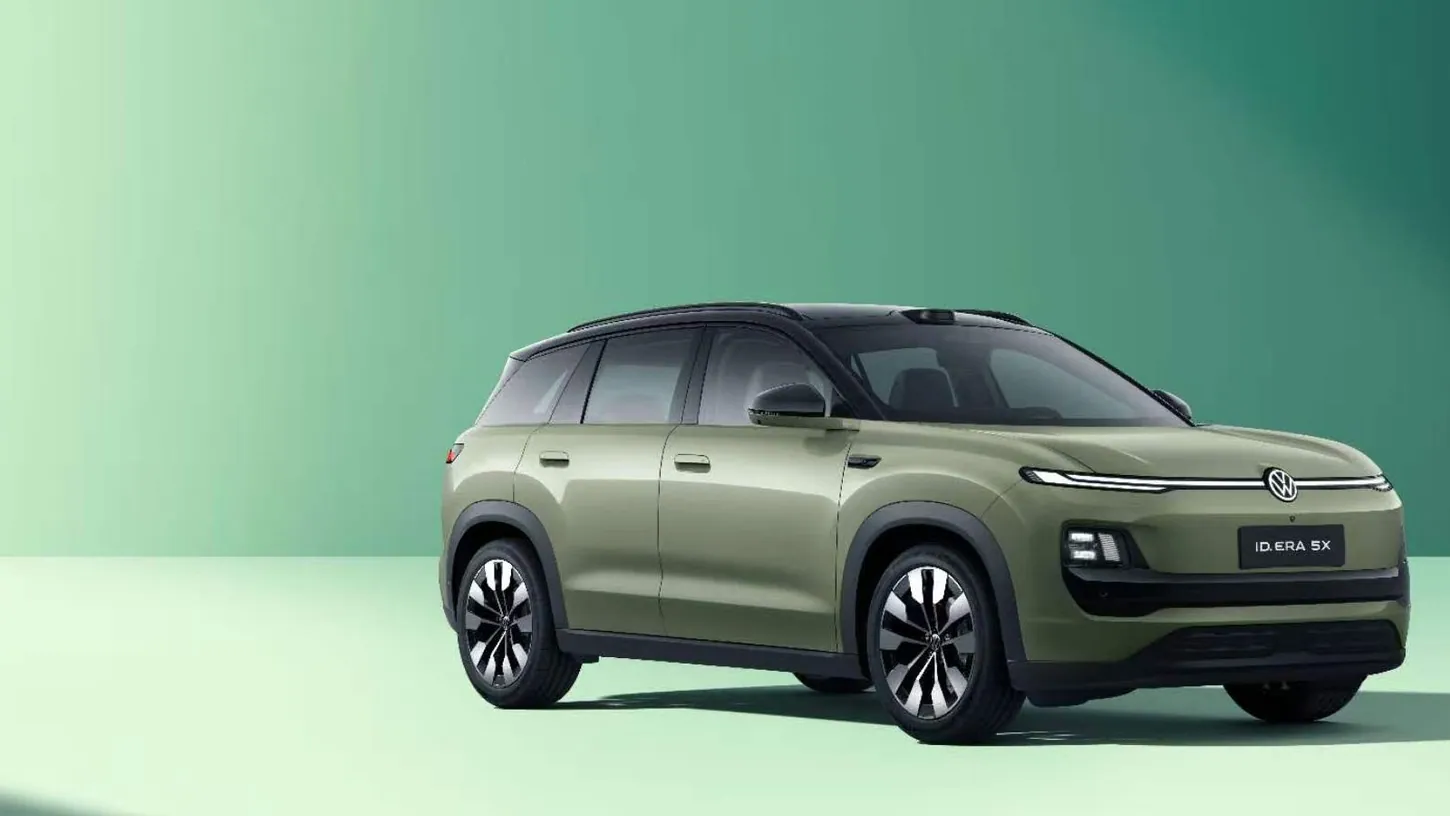
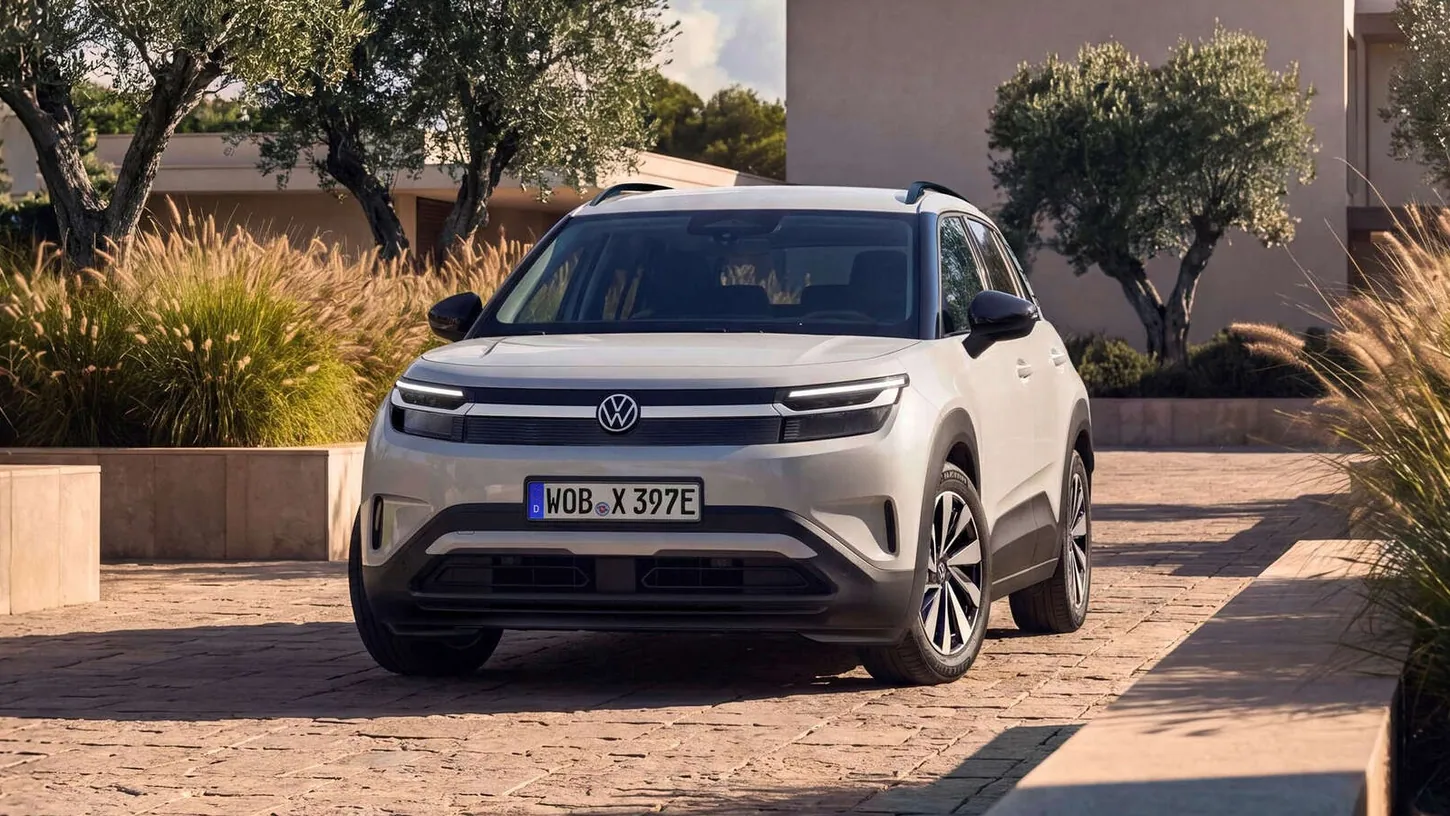
Volkswagen’s newest EVs are its smallest. The ID. Polo, ID. Cross, Škoda Epiq and Cupra Raval, sold as the Electric Urban Car Family, have taken around 150,000 orders since launch, Volkswagen said. Across the wider brand group the margin came in at 4.1%, with Škoda at 8.3%.
One of the special items in that update is American. Volkswagen booked costs for ending ID.4 production in Chattanooga, Tennessee, which it stopped building there in April. The ID. Tiguan is planned as its North American successor, with no US price or date announced.
The ID. Golf pause came from David Powels, CFO of the Volkswagen brand, in the same update. He called it a temporary stop on development work “until we can securely accommodate the necessary investments.” Volkswagen did not give a new timeline. In 2024 the company was reportedly looking to bring the electric Golf forward as the first VW-brand car on its next-generation SSP platform.
Volkswagen’s Job Plan Lands at 50,000 Positions, Not 100,000
The Future Plan 2030 that Volkswagen’s supervisory board approved on September 3 calls for cutting about 50,000 positions group-wide, management included. That is half the 100,000 figure Reuters reported in June, when Volkswagen was weighing job cuts and four plant closures.
The four plants from that report are named in the approved plan, with softer wording. The board acknowledged that Volkswagen’s European capacity exceeds demand by more than 500,000 vehicles. It also said future production for Emden, Zwickau, Hanover and Neckarsulm “cannot currently be secured” for 2031 to 2034, and it is looking at other uses for them. Emden and Zwickau are two of Volkswagen’s main EV plants. A production plan for the European sites is due by the end of June 2027.
The fight with labor starts next month. Volkswagen gave notice on ten collective agreements in September and opens negotiations with IG Metall on November 24 in Emden, with its stated goal to “reduce labor costs as quickly as possible.” Both sides invoked the reopener clause in the 2024 job-security deal, and Volkswagen says it remains committed to that deal’s job protections, leaning on voluntary departures and publicly funded transfer companies. At Volkswagen AG, the new plan adds 12,000 positions by 2030 to the more than 35,000 German job cuts agreed in December 2024.
EVXL’s Take
The €6.4 billion Porsche writedown makes the headline, but it’s an accounting entry that cost Volkswagen no cash this quarter. I’d worry far more about the 1.3% margin at the Volkswagen brand, in a year when its EVs are finally selling. Volkswagen built a European EV lineup people are ordering, and by its own CFO’s account it still earns less on those cars than on its gas models. Pausing the ID. Golf protects this year’s budget by delaying the electric car that carries VW’s most valuable name, and I think that’s the wrong place to save money. A carmaker that can’t fund the electric Golf will keep selling the gas one, and that’s the car Antlitz just told investors earns more. For American buyers, the September plan says the group will focus on “the most profitable segments” in North America. My read is that the small electric VWs selling in Europe aren’t coming here, and the ID. Tiguan is the next new EV Americans should expect from the VW brand.
Sources: Volkswagen Group nine-month results, Volkswagen Brand Group Core results, Volkswagen ad hoc filing of September 18, Future Plan 2030 release, Volkswagen AG and IG Metall release.
EVXL uses automated tools to support research and source retrieval. All reporting and editorial perspectives are by Haye Kesteloo.