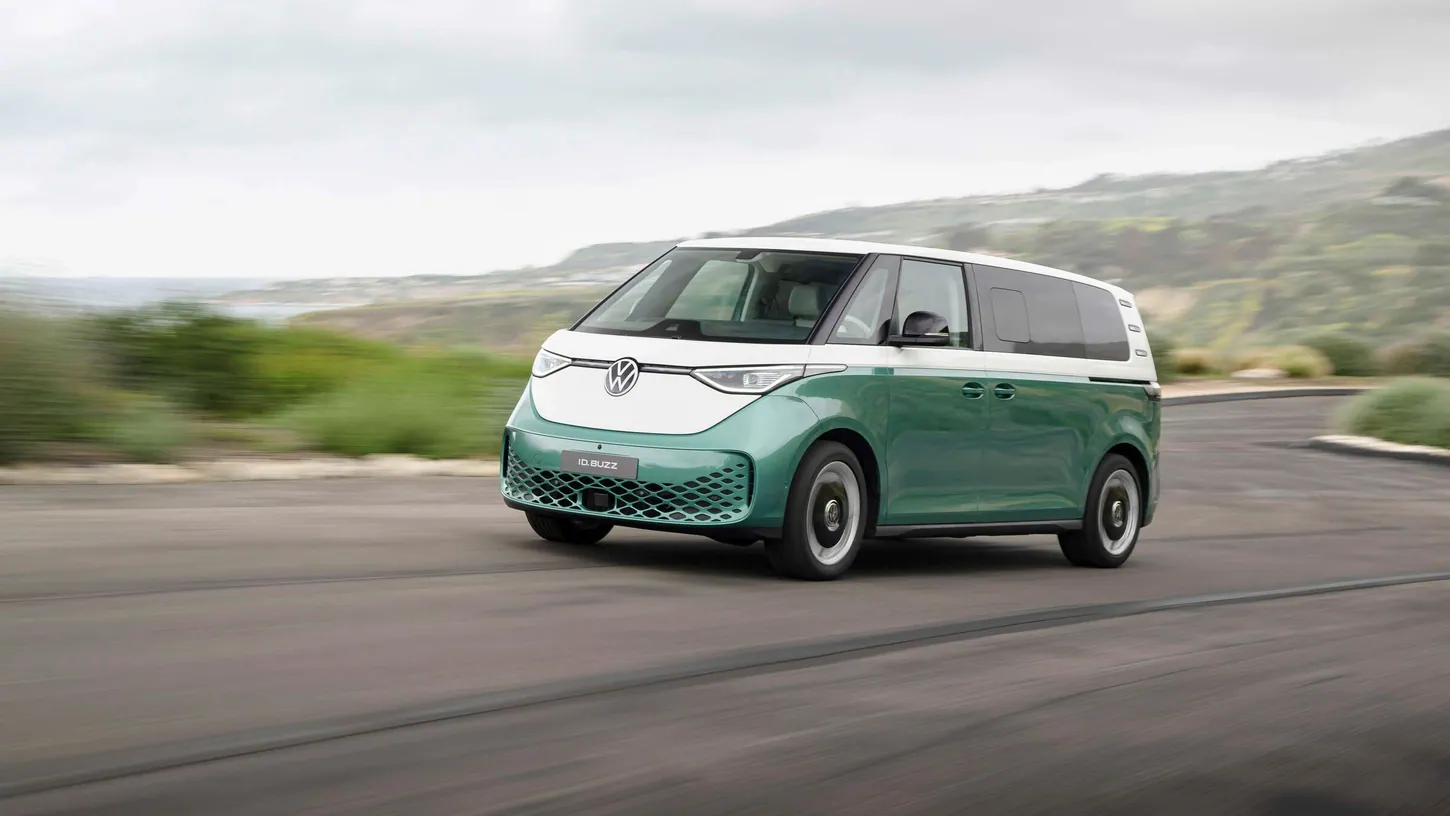
May Mobility plans to deploy more than 10,000 self-driving Volkswagen ID. Buzz vans worldwide through 2031, the company announced on November 12. Road testing in the U.S. is planned for early 2027, with the first production vehicles targeted for 2028.
The 10,000-vehicle figure is May Mobility’s deployment target, not a commitment confirmed by Volkswagen, which is not quoted in the announcement. May Mobility has not identified which companies would own and operate the ID. Buzz robotaxis, which cities would receive them or what purchase agreements would be used. It said more details on specifications, testing and deployment will follow.
May Mobility Will Add Its Own Self-Driving Technology
May Mobility will adapt the electric vans for its autonomous-driving system. Technology supplier ECARX will handle system integration, while Charlton Intelligence.ai will help deploy the vehicles, according to May’s announcement.
May Mobility aims to cut all-in costs by more than 50% compared with its current Toyota Sienna-based robotaxis. That reduction is a target, not a confirmed amount it will save. May Mobility has not disclosed the new Volkswagen ID. Buzz robotaxi’s price or final specifications.
May Mobility reports completing more than 600,000 commercial autonomous rides covering 1.1 million miles (1.8 million km) in the U.S. and Japan. The company has also run three driverless deployments where vehicles transport passengers without a human safety driver inside the vehicle.
It currently runs services in Atlanta with Lyft and in two Minnesota communities. May also plans to launch an Uber service in Arlington, Texas, in 2027.
Volkswagen Already Has a Separate Robotaxi Program
Volkswagen’s MOIA division is testing an ID. Buzz robotaxi using Mobileye technology. It began road testing with Uber in Los Angeles in April 2026 and started rides for invited passengers through Beep in Florida in September. This program is separate from May Mobility’s announced plan.
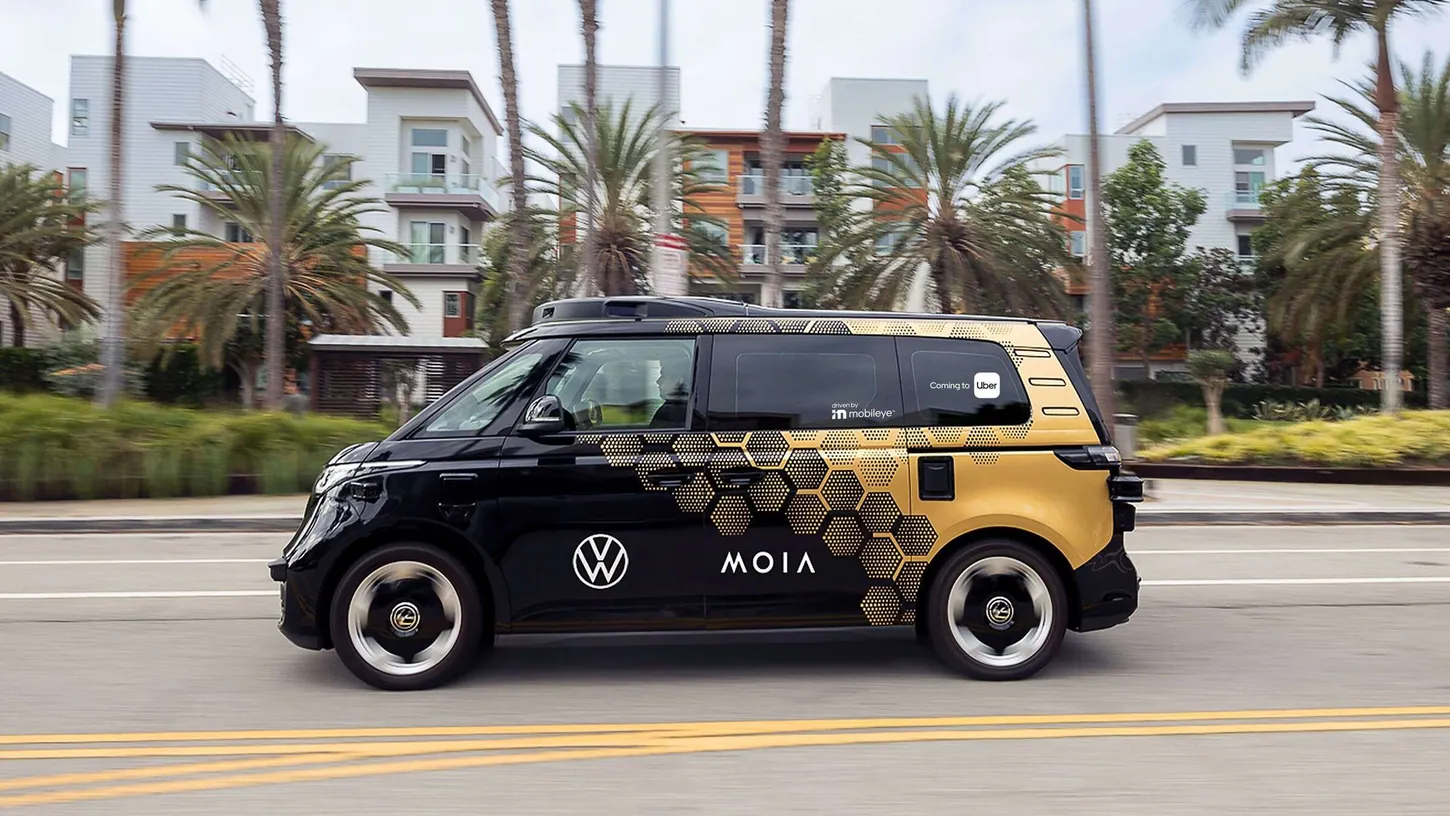
EVXL previously covered Volkswagen’s Uber project and reported the decision to skip the 2026 U.S. model year for the consumer ID. Buzz. Volkswagen has since delayed the retail van’s return to the 2028 model year, which is expected in the first half of 2027.
EVXL’s Take
Volkswagen’s ID. Buzz has struggled with U.S. retail sales, but May Mobility’s robotaxi plans could create another market for the electric van. However, the company’s goal of deploying 10,000 vehicles worldwide remains a goal, with no announced orders or launch cities. May still needs to identify fleet operators, show it has vehicle supply agreements and prove that its lower-cost design can deliver the promised savings.
Sources: May Mobility, Volkswagen, MOIA, Electrive.
EVXL uses automated tools to support research and source retrieval. All reporting is by Damien Kesteloo, edited by Haye Kesteloo.