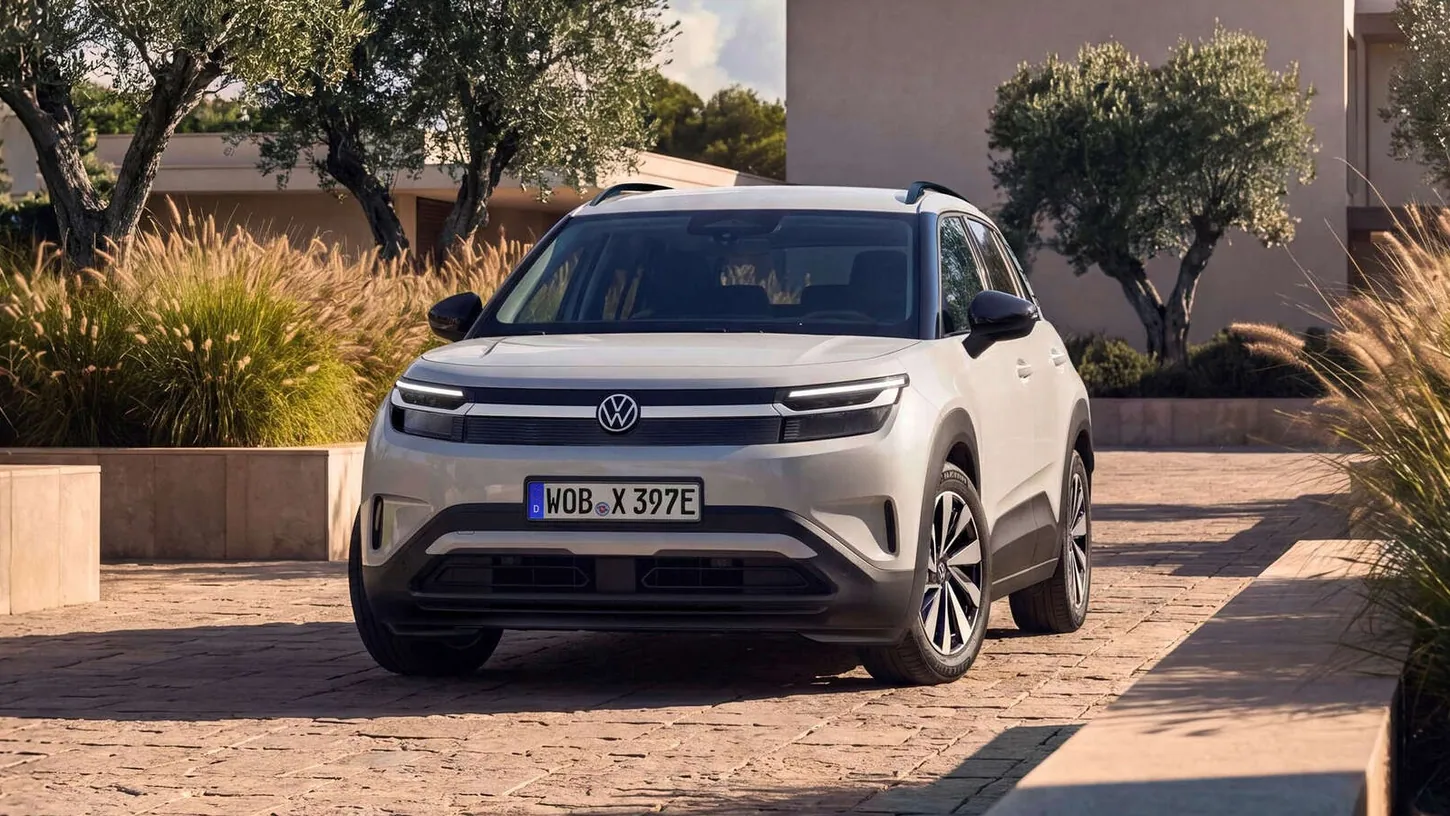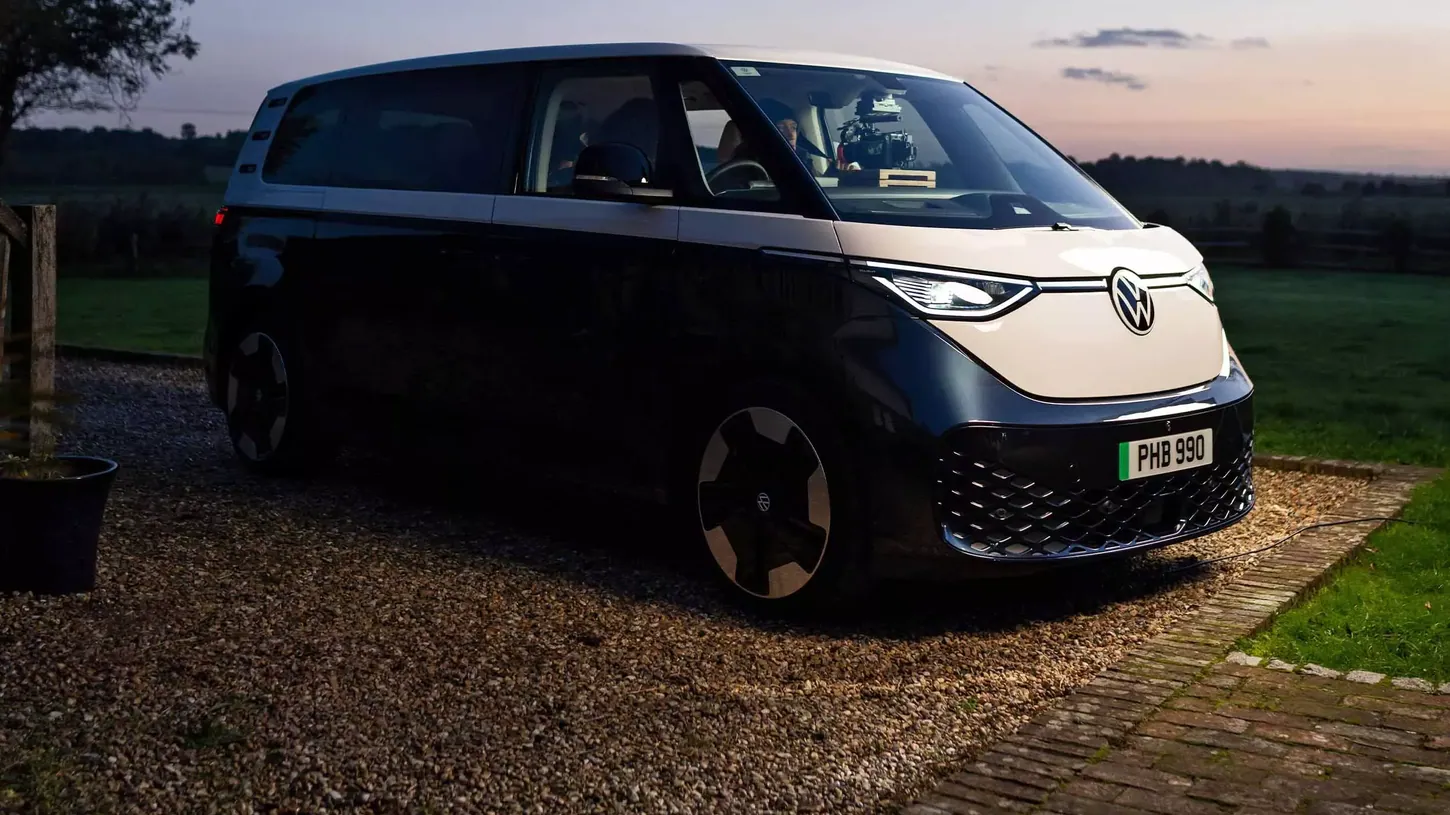
Volkswagen announced plans on October 28 to bring electric-vehicle technology developed in China to overseas markets, starting with South America by the end of the decade. The expansion could also reach South Africa, marking a turning point from Volkswagen’s original approach of developing Chinese technology exclusively for local buyers.
Volkswagen will combine its Compact Main Platform (CMP) with the China Electronic Architecture (CEA), according to Reuters. CMP forms the vehicle’s physical foundation, and CEA is the technology connecting its computers, electronics and software.
South America Comes First, While Europe Remains Uncertain
Volkswagen selected South America because buyers are price-sensitive and Chinese manufacturers already compete heavily there, according to CARIAD China CEO Frank Han, as Reuters reported from Hefei.
My October 26 article covered a separate proposal to use Xpeng-developed technology in future European Volkswagen, Škoda and Cupra vehicles, potentially challenging the company’s partnership with American EV maker Rivian.
Wednesday’s announcement rules out Europe for now rather than confirming that European proposal. Han told Reuters that bringing the technology to Europe is technically possible, but Volkswagen’s German headquarters would make the decision, considering factors including geopolitics. North America also remains outside the announced expansion.
Volkswagen’s First CMP Electric SUV Is Already in Production
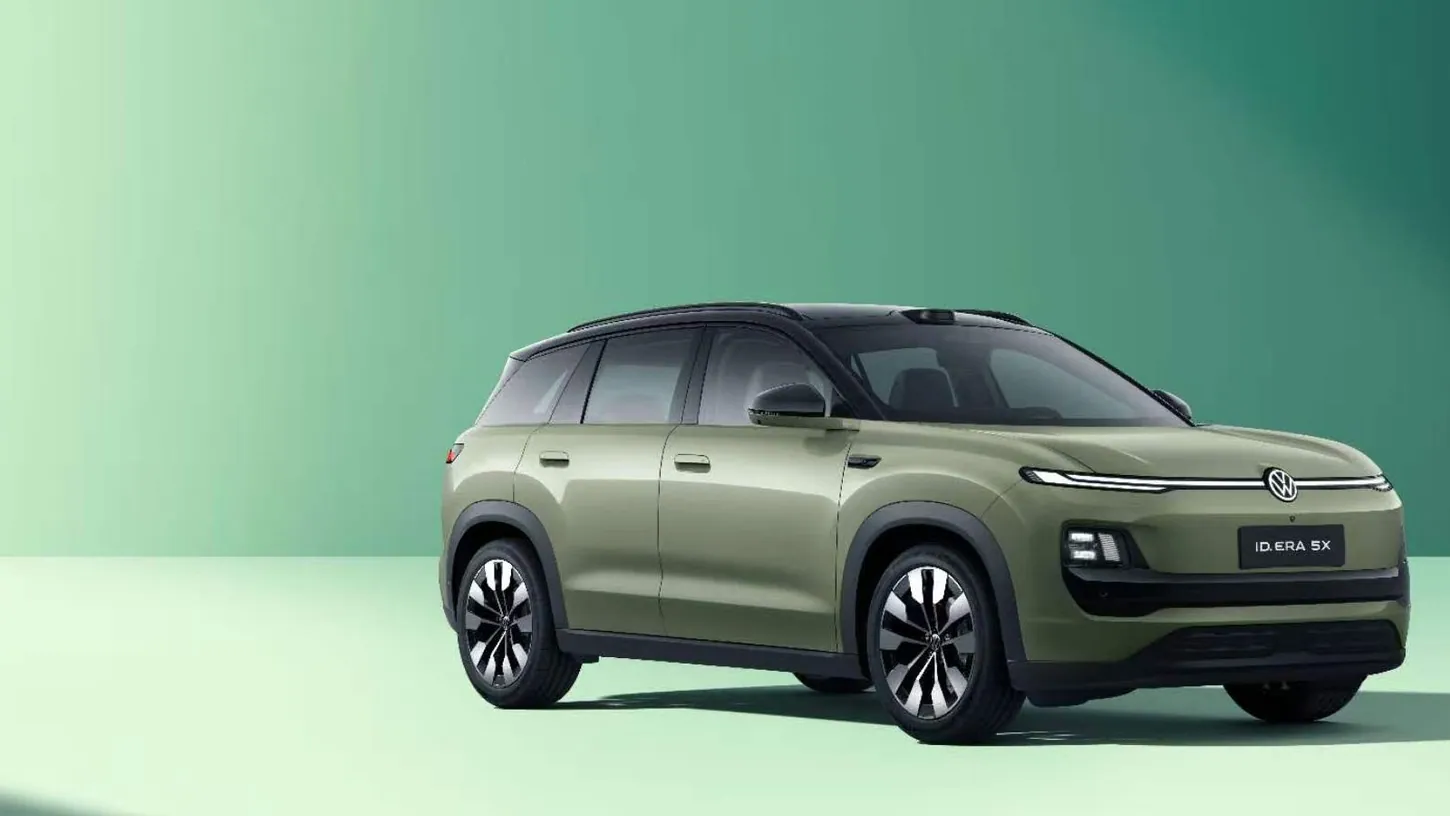
Volkswagen’s first CMP-based production vehicle, the electric ID. ERA 5X, rolled off the SAIC Volkswagen assembly line in China on October 16, according to the company’s announcement. FAW-Volkswagen’s ID. AURA L5 follows later this year, and Volkswagen plans six CMP models in China within 18 months.
Every CMP model will use CEA, which Volkswagen developed alongside Xpeng and its own Chinese engineering and software teams. CEA relies on central computers to manage vehicle functions, replacing some of the smaller electronic control units that would traditionally be responsible for individual systems.
Volkswagen’s January release says CEA reached production in 18 months, first appearing in the electric ID. UNYX 07. The architecture uses approximately 30% fewer electronic control units than previous generations.
Volkswagen also reports vehicle development times up to 30% shorter and development cost reductions of up to 50% in selected Chinese projects. These figures from Chinese markets should not be immediately applied to the future Volkswagen vehicles for the South American markets.
In China, CMP models are designed to receive software updates approximately every 100 days, with each update taking no more than 30 minutes. Neither the Reuters report nor the CMP announcement says whether that same schedule would be applied to the overseas models.
Volkswagen Introduces VEGA With 850-Volt Charging Plans
At the same event, Volkswagen introduced VEGA, a broader technology package. According to Reuters, VEGA pairs 850-volt fast charging with readiness for Level 3 automated driving, and Volkswagen has slated it for a 2027 launch. However, Reuters does not say whether VEGA is part of the overseas plan, so these capabilities are only announced for the Chinese market so far.
Rivian’s Volkswagen Software Partnership Remains Active
Volkswagen and Rivian completed winter testing of their jointly developed electronics and software in March. According to Volkswagen’s announcement, engineers tested prototype vehicles from Volkswagen, Audi and Scout in Arizona and Sweden to evaluate how the new system handles all-wheel drive, traction control and wireless software updates.
Volkswagen previously established the Rivian architecture for future EVs in Western Hemisphere markets, which include South America. The $5.8 billion partnership dates from November 2024.
The newly announced Chinese technology could therefore overlap with Rivian’s intended markets. Volkswagen has not announced any changes to the partnership, and the Reuters report does not mention Rivian or address the fact that these two partnerships could collide.
Faster Development Has Not Guaranteed Strong EV Sales
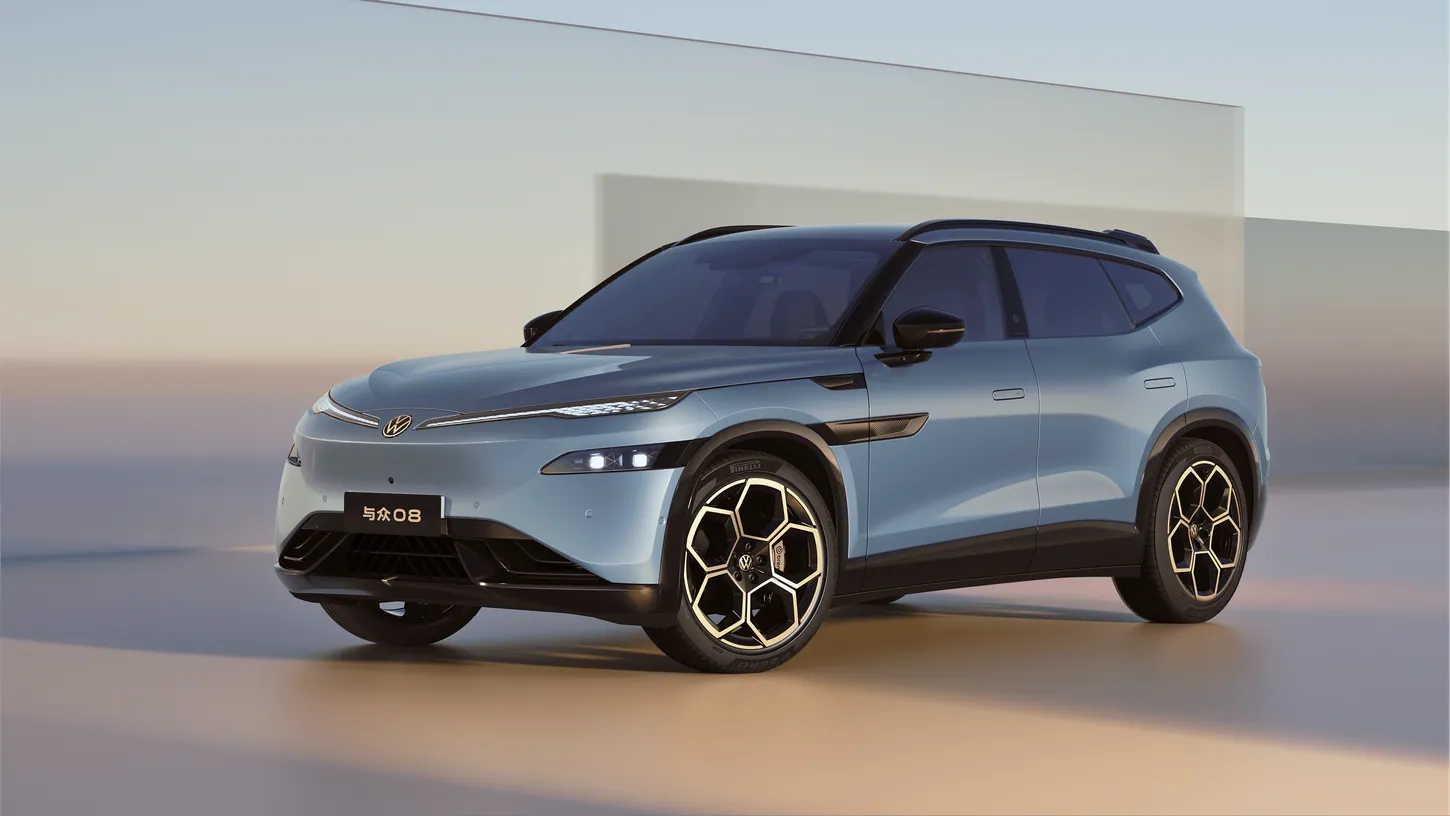
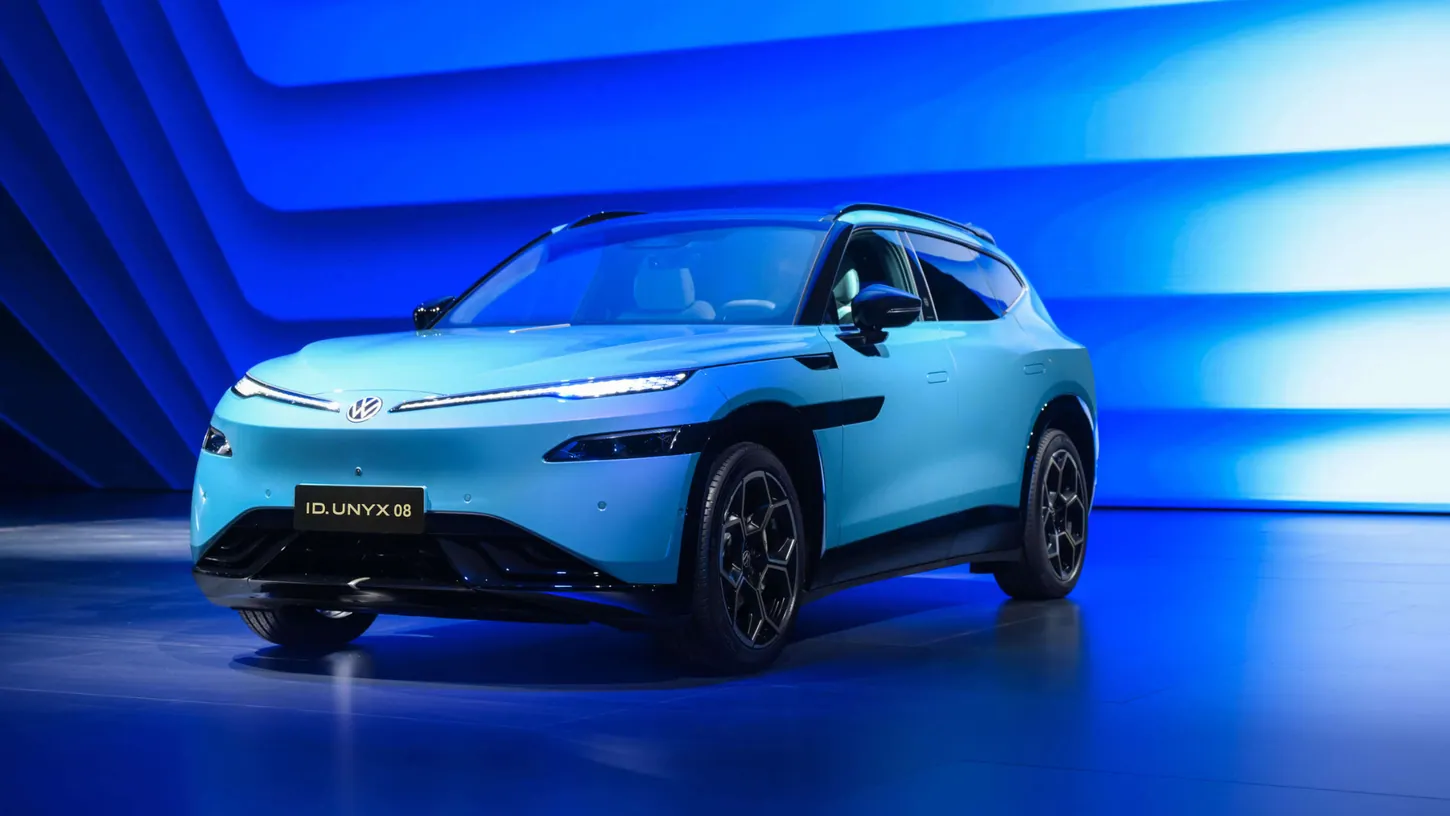
My October 20 report found that the Xpeng-developed ID. UNYX 08 averaged 267 monthly sales in China between April and August, compared with an original target of 3,622.
That SUV is separate from the ID. UNYX 07, which introduced CEA. Its disappointing sales do not establish whether the electronic architecture performs well, but they show that faster development alone cannot guarantee greater demand.
EVXL’s Take
Volkswagen could gain a cost advantage by using Chinese-developed technology across more markets. South America offers a chance to test whether those savings can translate into competitively priced electric vehicles.
The bigger question is how Volkswagen will divide future models between its Chinese and Rivian partnerships, especially as both technologies target some of the same regions.
For buyers, what matters is whether the approach produces affordable EVs with reliable software and long-term support, which remains to be demonstrated.
Sources: Reuters, Volkswagen Group China (CMP production start), Volkswagen Group (CEA), Volkswagen Group (RV Tech winter testing)
EVXL uses automated tools to support research and source retrieval. All reporting is by Damien Kesteloo, edited by Haye Kesteloo.