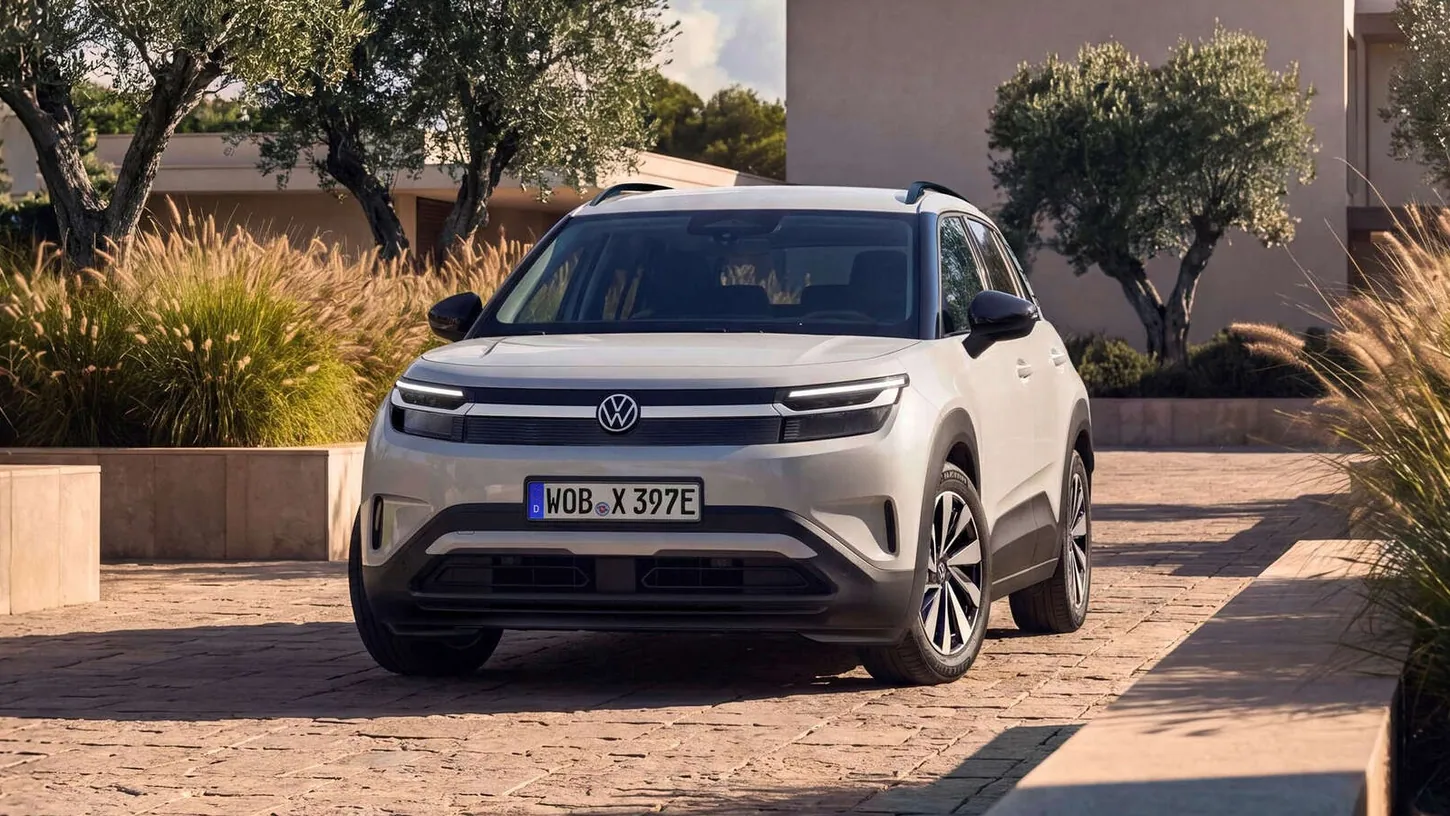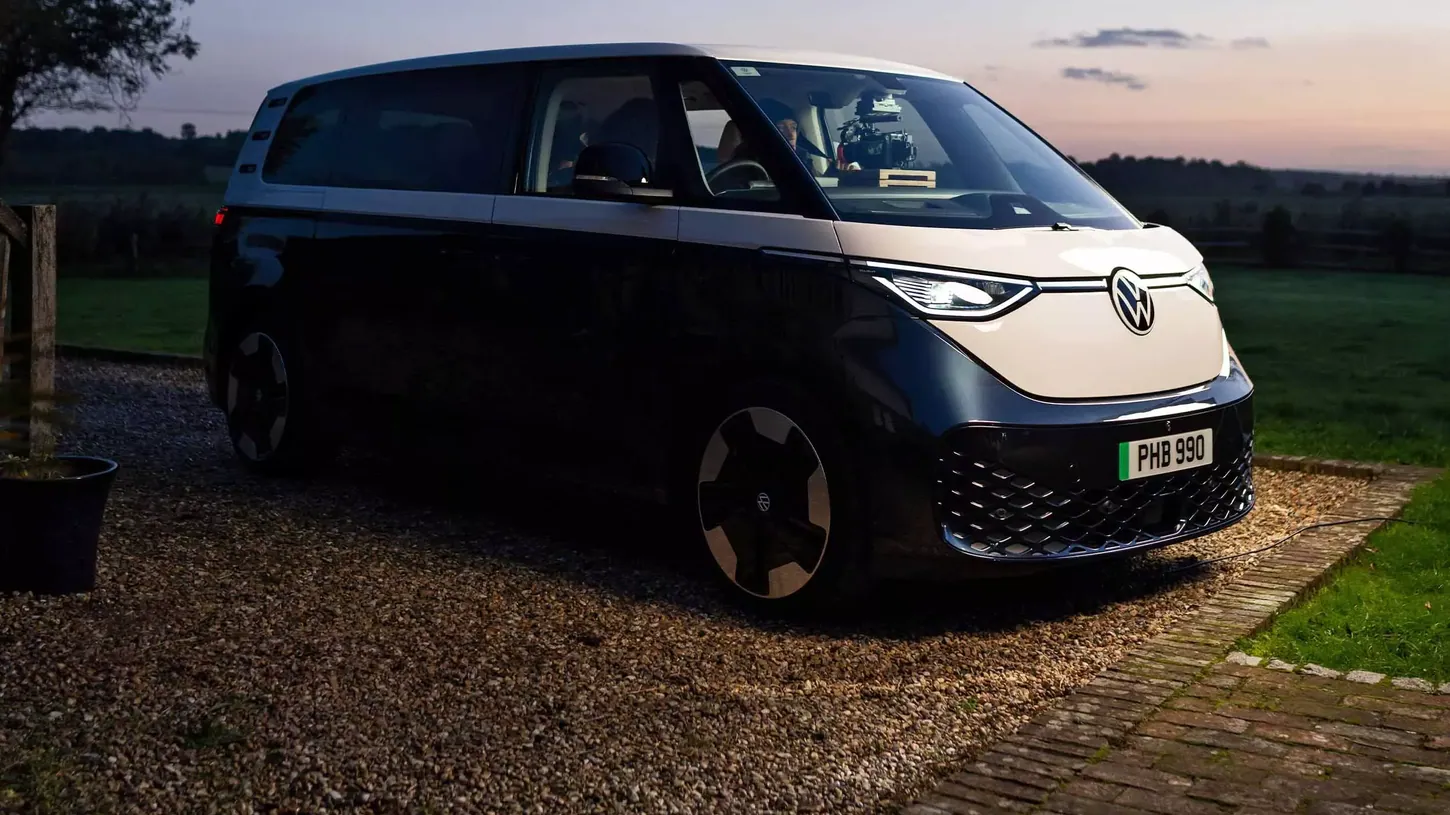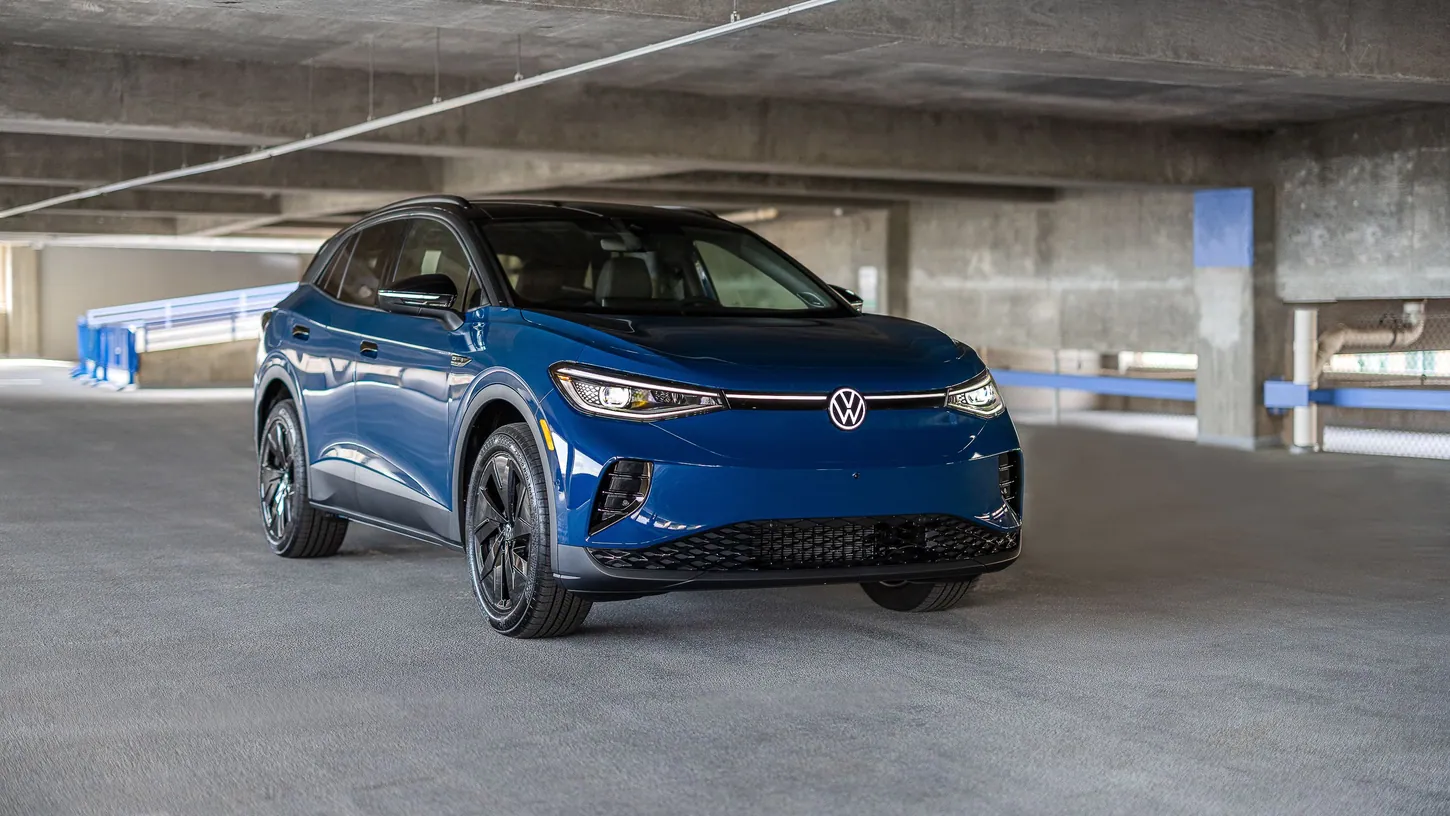
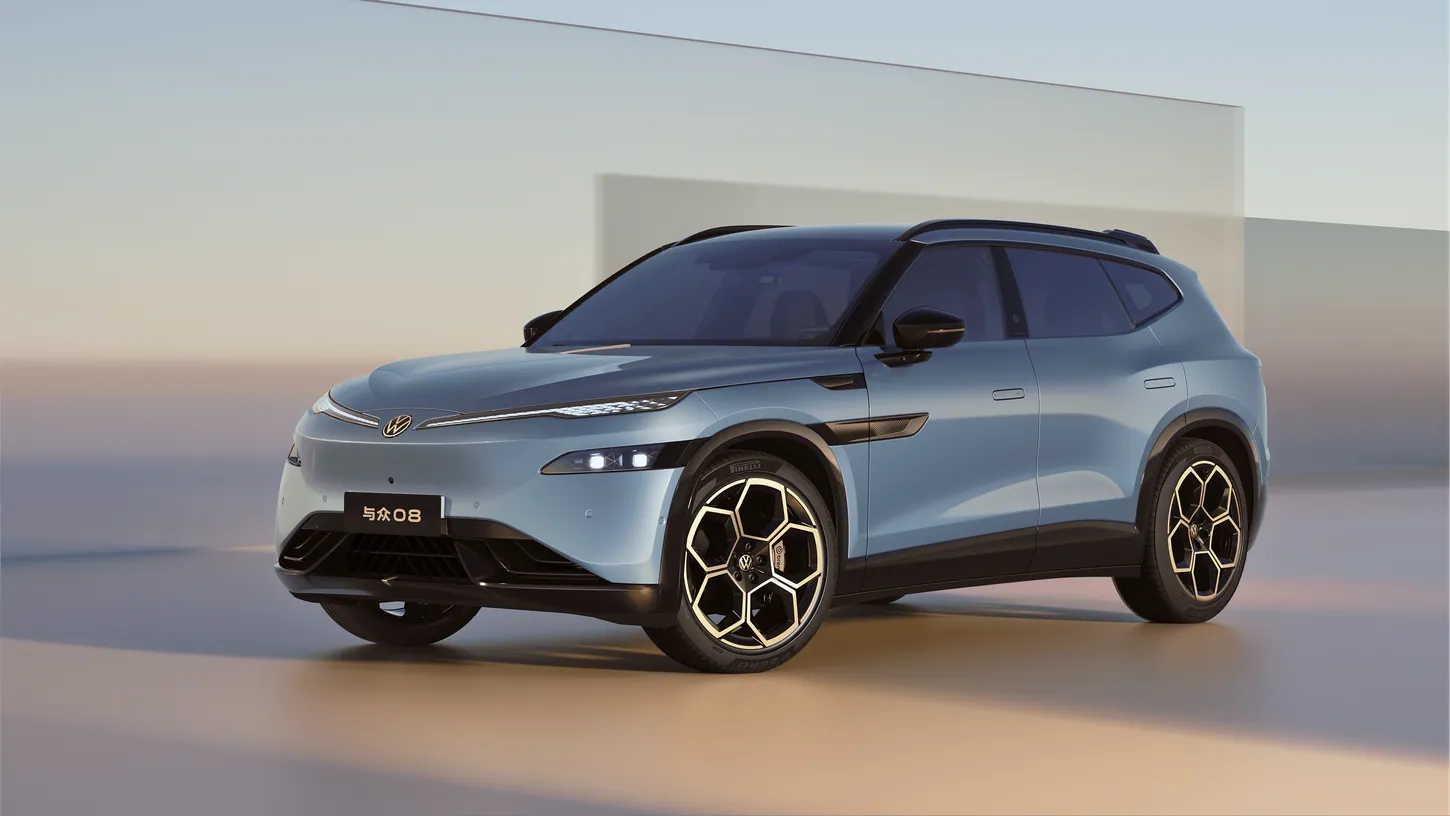
Volkswagen is considering bringing Chinese-developed electronic technology, built with Xpeng, to future European cars, potentially reducing the role of the company’s $5.8 billion software partnership with American EV maker Rivian. The reported proposal could affect roughly three-quarters of next-generation Volkswagen, Škoda and Cupra models, according to Reuters.
The potential change comes months after Volkswagen’s separate technology projects reached major testing and production milestones, and there has been no announced decision to replace Rivian’s system.
Volkswagen Could Bring Xpeng Technology to Europe
Volkswagen brand chief Thomas Schäfer is expected to present this proposal to management on Tuesday, October 27, according to Reuters, which relayed a report by German business magazine Manager Magazin. Volkswagen has not confirmed these reported plans and declined to comment when asked by Reuters.
The technology, called China Electronic Architecture (CEA), was developed by Volkswagen’s Chinese engineering and software teams with Xpeng. CEA controls how a car’s electronic systems communicate and receive software updates.
Volkswagen originally developed this technology for China. The reported European expansion would change that approach. The technology also might not be incorporated into every model in Europe.
China’s Architecture Reached Production in Just 18 Months
Volkswagen’s January announcement identifies the electric ID. UNYX 07 as the first production vehicle using CEA. Engineers completed the architecture in 18 months, with centralized computers supporting driver-assistance functions and wireless updates across vehicle systems.
Volkswagen says CEA allows them to have 30% fewer electronic control units than before, while their revised development process can shorten vehicle development times by up to 30%. They also say that locally developed projects in China have achieved cost reductions of up to 50% in selected cases. These are reported results from the company, not projected savings for European models if they apply CEA.
This architecture could also support hybrids and gasoline cars, though the reported proposal covers mass-market models from the three brands, which are expanding their European EV lineups.
Weak Xpeng SUV Sales Don’t Measure the Software’s Success
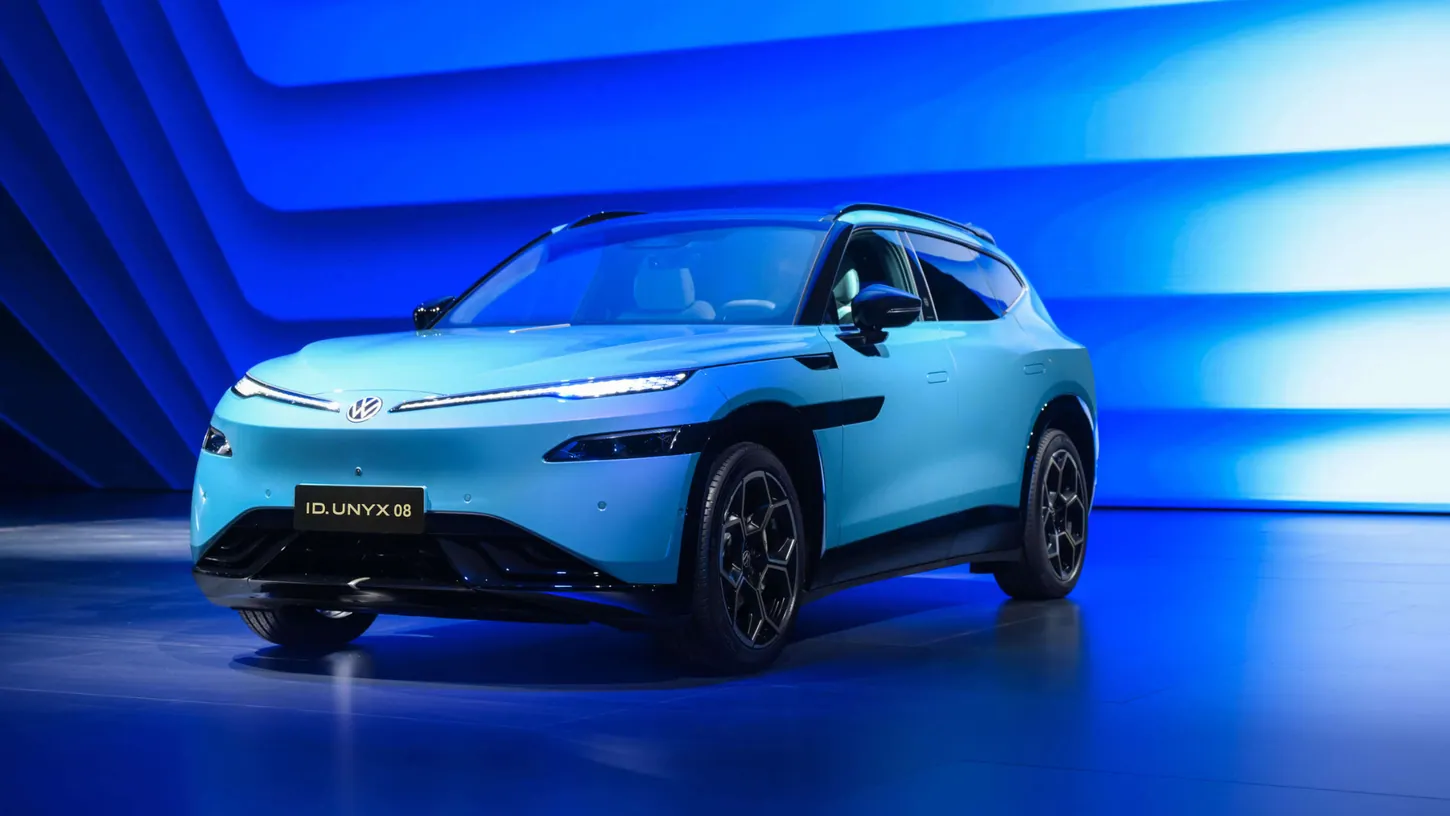
My October 20 sales report found that the jointly developed ID. UNYX 08 averaged 267 sales a month from April through August, about 7% of the original 3,622-unit monthly target. The figures came from Reuters’ investigation into Volkswagen’s Chinese operations.
The UNYX 08 is a model that was developed with Xpeng, but it was not the first CEA production model. Weak demand for that SUV therefore cannot establish whether Europe’s customers would benefit from having CEA.
We previously covered Volkswagen’s decision to centralize more electric-vehicle development in China. The latest reports suggest technology from that effort could go beyond the Chinese market.
Rivian’s Volkswagen Software Has Already Passed Winter Tests

In March, Volkswagen and Rivian completed testing of their new vehicle software and electronic systems. According to Volkswagen’s announcement, engineers tested Volkswagen ID.EVERY1, Audi and Scout prototypes in Arizona and Sweden, evaluating all-wheel drive, traction control and wireless software updates.
Volkswagen said the Rivian system would go into future EVs for Western Hemisphere markets. The company has also been preparing European engineers to work with the joint venture’s software.
Rivian shares fell about 3% on Monday to a new 52-week low after the report, Stocktwits reported.
This October report raises questions about deployment in Europe, not about canceling Rivian vehicles or the Scout program in the United States.
EVXL’s Take
Volkswagen’s central question is no longer whether either partnership can deliver software, as both have cleared development milestones. The harder decision is where to use each system and whether supporting two architectures makes economic sense for the company.
Choosing technology developed with Xpeng for European EVs could reshape Rivian’s role, but Volkswagen needs to explain the costs and benefits before there is a winner. Schäfer’s expected management presentation is the next step, and most likely won’t be a final decision.
Sources: Reuters, Manager Magazin, Volkswagen Group (CEA), Volkswagen Group (RV Tech winter testing)
EVXL uses automated tools to support research and source retrieval. All reporting is by Damien Kesteloo, edited by Haye Kesteloo.