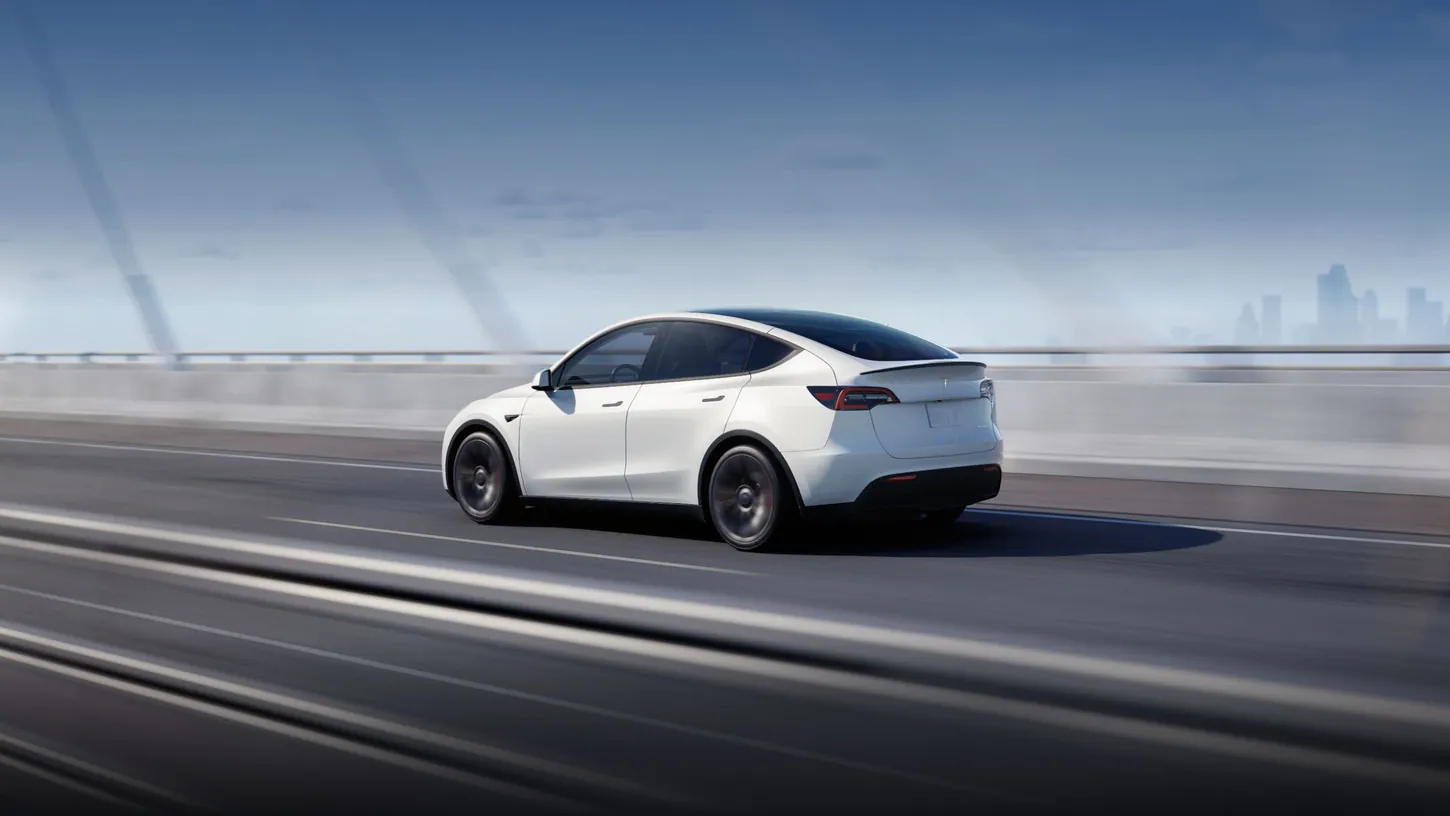

The Tesla Model Y is now the most reliable electric vehicle Consumer Reports tracks, the same outlet that named it the only pure EV on its 2026 Top Picks list. For a model that spent its first three years scoring in the 30s on CR’s reliability scale, that is a real turnaround, and it lines up with what owners of 2023-and-later cars have been reporting. The build-quality complaints that defined early Model Y ownership have mostly faded.
Here is the part the celebratory coverage skips. The number doing the heaviest lifting, a predicted reliability score in the low 80s for the 2026 car, is a prediction about a vehicle almost nobody has owned long enough to judge. The 2026 Model Y is a redesign. CR’s own method says a redesigned model gets predicted on one or two years of data, topped up with the brand’s overall reliability score when model-specific data runs thin. So the figure leans heavily on Tesla as a brand, not on years of Model Y survey returns.
I have been writing up CR’s annual verdicts for years, and this is the recurring catch with “predicted reliability” on any freshly redesigned car: it tells you more about the badge than the specific vehicle in the driveway. Worth knowing before that score gets quoted as settled fact.

The Model Y reliability climb is genuine and survey-backed
The framing that kicked off the latest round of coverage, an Autoblog feature declaring the Model Y finally has a reliability score to match its sales, is not wrong about the direction. The improvement holds up where it counts: actual owner surveys covering the 2023 through 2025 model years. CR built its 2026 brand report card on responses covering roughly 380,000 vehicles, and Tesla landed 9th overall, its highest placement ever. The publication credited improved reliability across the lineup, singling out powertrain durability as a standout among EVs.
That is the honest version of the good news. Tesla’s electric drivetrains have proven durable and the early fit-and-finish problems have receded. Only the Cybertruck still carries a below-average score in CR’s rankings. The Model Y’s rebound from its rough launch years is documented in survey data from cars people actually drove, not modeled from a spec sheet. That distinction matters for the rest of this story.

A redesigned car carries thin model-specific data
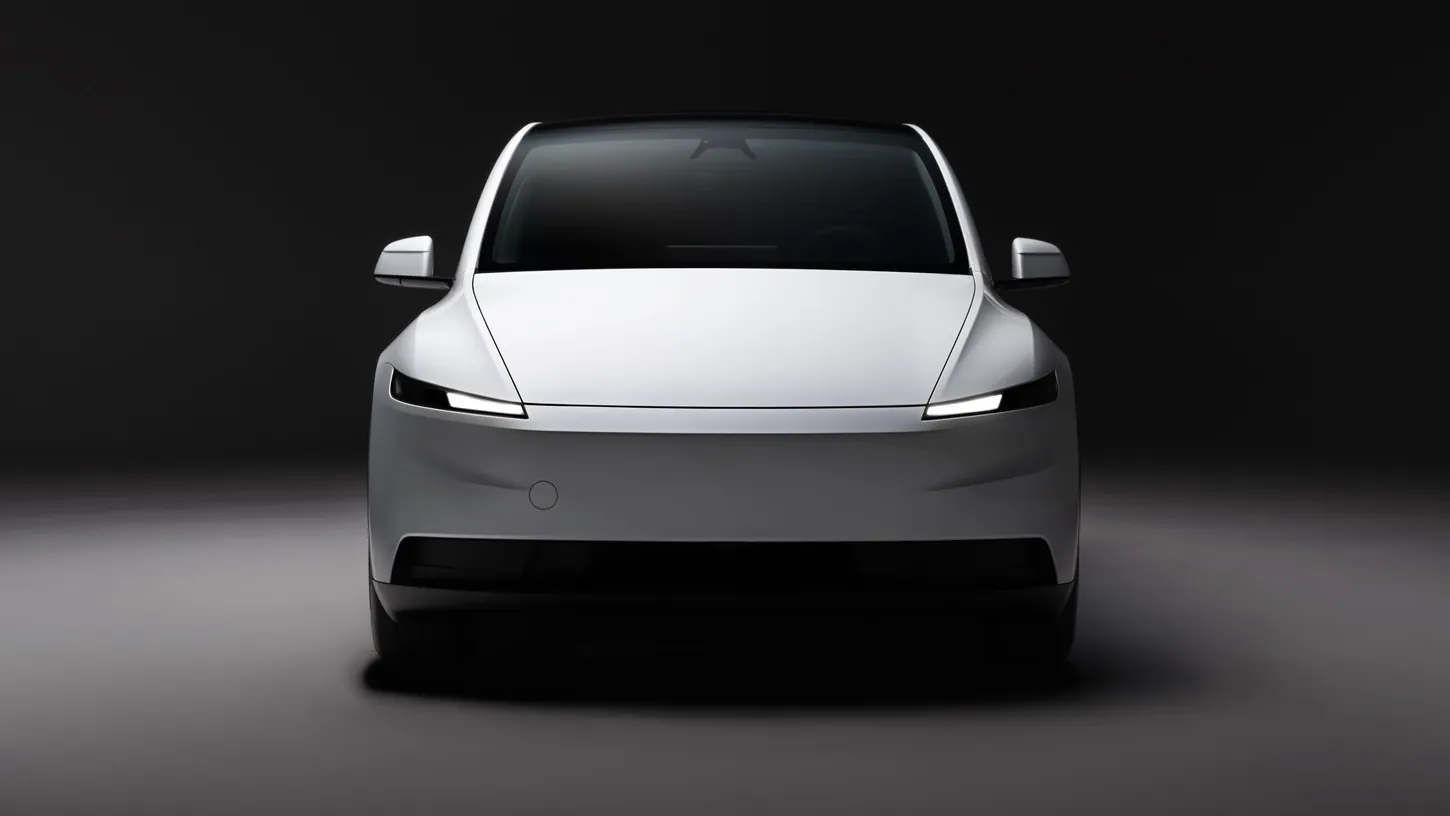
CR predicts reliability for a new model year from the prior three years of that model, as long as the car has not been redesigned. When it has, the window shrinks to one or two years, and CR fills the gap with the brand’s overall reliability score. The 2026 Model Y is the carryover of the “Juniper” refresh, the biggest change to the car since 2020, which means the prediction rests on a short data window plus Tesla’s brand reputation.
We covered the Juniper changes in detail when the walkthrough first surfaced, and flagged a specific reliability question then: Tesla moved the gear selector to the touchscreen. Relocating a drive-critical control onto a display, given Tesla’s history of screen issues, is exactly the kind of change a predicted score built on older hardware cannot capture. The 2026 car is mechanically and electronically different from the 2023 to 2025 vehicles that generated the survey data behind its rosy prediction.

Different outlets publish different reliability numbers
The single-number scoreboard also depends on whose methodology you trust. While CR ranks the 2026 Model Y as its most reliable EV, U.S. News lists a predicted reliability score of 78 out of 100 for the same car, a figure that comes from J.D. Power, not CR. Two reputable sources, two different scoring systems, two different numbers for one vehicle.
Neither is wrong. They measure different things and weight owner data differently. But it shows why a precise reliability score deserves a raised eyebrow rather than a headline. The takeaway owners can actually use is the direction, not the decimal. The Model Y trends reliable and its powertrain is a strong point. A redesign year always carries more uncertainty than a settled one.

Rivals trail on reliability and on sales volume
Among 2026 midsize electric SUVs, CR’s verbal verdicts put the Model Y at the top, the Chevrolet Equinox EV at about average, and both the Hyundai Ioniq 5 and Chevrolet Blazer EV well below average. The Ioniq 5’s persistent Integrated Charging Control Unit problems, which can drain the 12-volt battery and strand the car, keep dragging its predicted score down. The Blazer EV’s software and electronics troubles do the same.
The Nissan Ariya rated well but no longer counts here. Nissan paused U.S. Ariya production for the 2026 model year, hit by the 15% tariff on its Japan-built EVs and the loss of federal credit eligibility, redirecting resources to the next Leaf. On volume, nothing in the segment is close. Cox Automotive pegged 2025 Model Y sales at 357,528 units, with the Model 3 next at roughly 192,000 and the Equinox EV, Mustang Mach-E and Ioniq 5 clustered far behind.

Six 2026 recalls sit underneath the reliability win
A strong predicted reliability score and an active recall list are not contradictory, and both are true for the Model Y right now. NHTSA has issued six recalls touching 2026 Model Y vehicles, though not all are exclusive to that model year. They include a battery-pack contactor fault that can cause a loss of drive power on certain 2025 Model 3 and 2026 Model Y cars, reverse lights that may fail to illuminate, and an improperly secured horn ground wire.
Recalls are a normal part of modern car ownership and most carry free fixes, so this is not a mark against buying the car. It is a reminder that “predicted to be reliable” and “already recalled six times this year” describe the same vehicle. Any used 2026 Model Y is worth a VIN check against open recalls before money changes hands.

EVXL’s Take
“Predicted reliability” is the softest number in any car review, and it is softest of all on a car that just got redesigned. That is the whole game here. The Model Y earned a real reliability rebound and the 2023-to-2025 survey data backs it. The powertrain is genuinely durable. CR naming it the most reliable EV it tracks is an honest result. None of that is in dispute. What I push back on is the laundering of a brand-weighted prediction into a precise, settled score that gets quoted like a crash-test result.
Ask the obvious question: how does anyone know the 2026 Model Y is reliable when almost nobody has owned one through a full year? They do not. CR is partly scoring Tesla the brand and partly scoring a car with one or two years of data behind it. J.D. Power runs the same exercise and lands on a different number. The refresh moved the gear selector onto the touchscreen, the exact kind of change that does not show up until owners rack up miles and the screen reliability question we raised at the Juniper reveal gets answered in the real world.
This is the EVXL line on reliability scores generally, and I will hold it whether the subject is Tesla or anyone else: trust the direction, not the decimal. The Model Y trends reliable and that is good news for owners. But it competes without the federal tax credit now, against Chinese rivals that are eating its lunch overseas, as we documented when Tesla’s European share halved in 2025, and a single flattering reliability number is thinner cover than the headlines suggest. The real test of the 2026 car is CR’s next owner survey, the one built on people who actually drove it. Watch that, not the prediction.
Sources: Autoblog, Consumer Reports, U.S. News & World Report, Cox Automotive.
EVXL uses automated tools to support research and source retrieval. All reporting and editorial perspectives are by Haye Kesteloo.