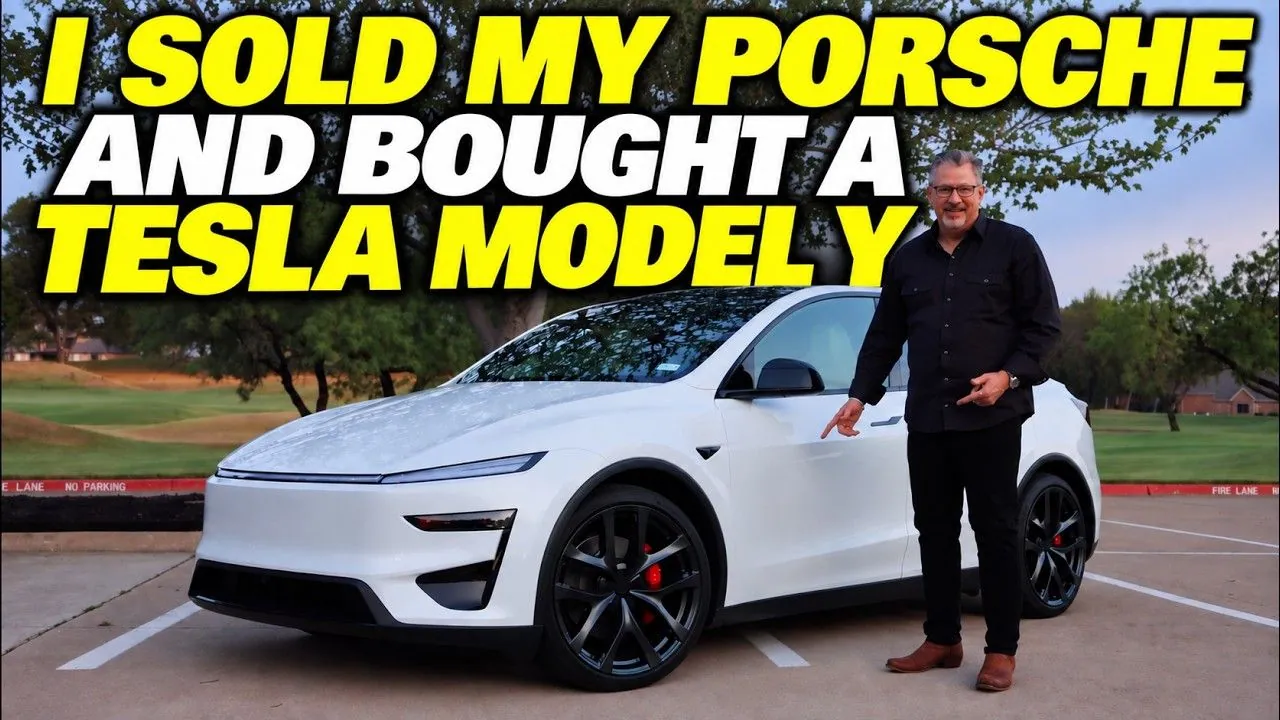

Toyota rebuilt its only electric SUV from the floor up for 2026, dropped the clumsy bZ4X name, cut the entry price below $35,000, and added 62 miles of range to its volume trim. Edmunds just put the renamed Toyota bZ head-to-head against the Tesla Model Y and reached a split decision: the bZ wins on price, the Model Y wins almost everywhere else. The comparison ran in The Independent on June 3, 2026, under a headline asking whether Toyota’s upgrade is enough to overtake Tesla.
The short answer Edmunds landed on is no, not yet. The longer answer is more interesting, because the gap between these two has narrowed to the point where the decision now turns on what a buyer actually values rather than on raw capability. I pulled the current configurators for both cars while reading the comparison, and the pricing Edmunds cited has already shifted under it, which changes the math in Toyota’s favor more than the piece lets on.
This is the same bZ that EVXL covered when Toyota first revealed the overhaul in May 2025. The production numbers now confirm what the reveal promised.
Toyota dropped the price and added range where buyers notice it
The 2026 bZ starts at $34,900 for the base XLE front-wheel-drive trim, or about $36,350 once the $1,450 destination fee lands. That is over $2,000 below the outgoing bZ4X and undercuts most of the compact electric SUV field. The base car uses a 57.7-kWh battery good for an EPA-estimated 236 miles and makes 168 horsepower.
The trim most buyers will want is the XLE Plus at $37,900. It swaps in the larger 74.7-kWh pack, lifts range to an EPA-estimated 314 miles, and bumps output to 221 horsepower. That 314-mile figure is 62 miles better than anything the bZ4X offered. Step up to the Limited at $43,300 for ventilated front seats, heated rears, a panoramic roof, and a surround-view camera, with range easing to 299 miles. All-wheel drive is available across the lineup and pushes combined output to 338 horsepower, a 124-horsepower jump over the old AWD car, though range drops to 288 miles on the XLE AWD and 278 on the Limited AWD.
Every bZ now ships with a native NACS port, so Tesla’s Supercharger network is open without an adapter. DC fast charging peaks at 150 kW, taking the battery from 10 to 80 percent in roughly half an hour. Standard kit includes a 14-inch touchscreen, wireless Apple CarPlay and Android Auto, four USB-C ports, dual wireless charging pads, and a heated steering wheel.
Edmunds testing put the bZ ahead of its own window sticker
Edmunds ran both SUVs through its real-world range and charging tests, and the bZ outperformed its rating. The front-wheel-drive XLE Plus covered 331 miles on a single charge against its 314-mile EPA estimate, a 5.4 percent gain, while consuming 23.3 kWh per 100 miles versus the EPA’s 26 kWh figure. That efficiency result matters more than the headline range, because it is the number that holds up at highway speed and in cold weather.
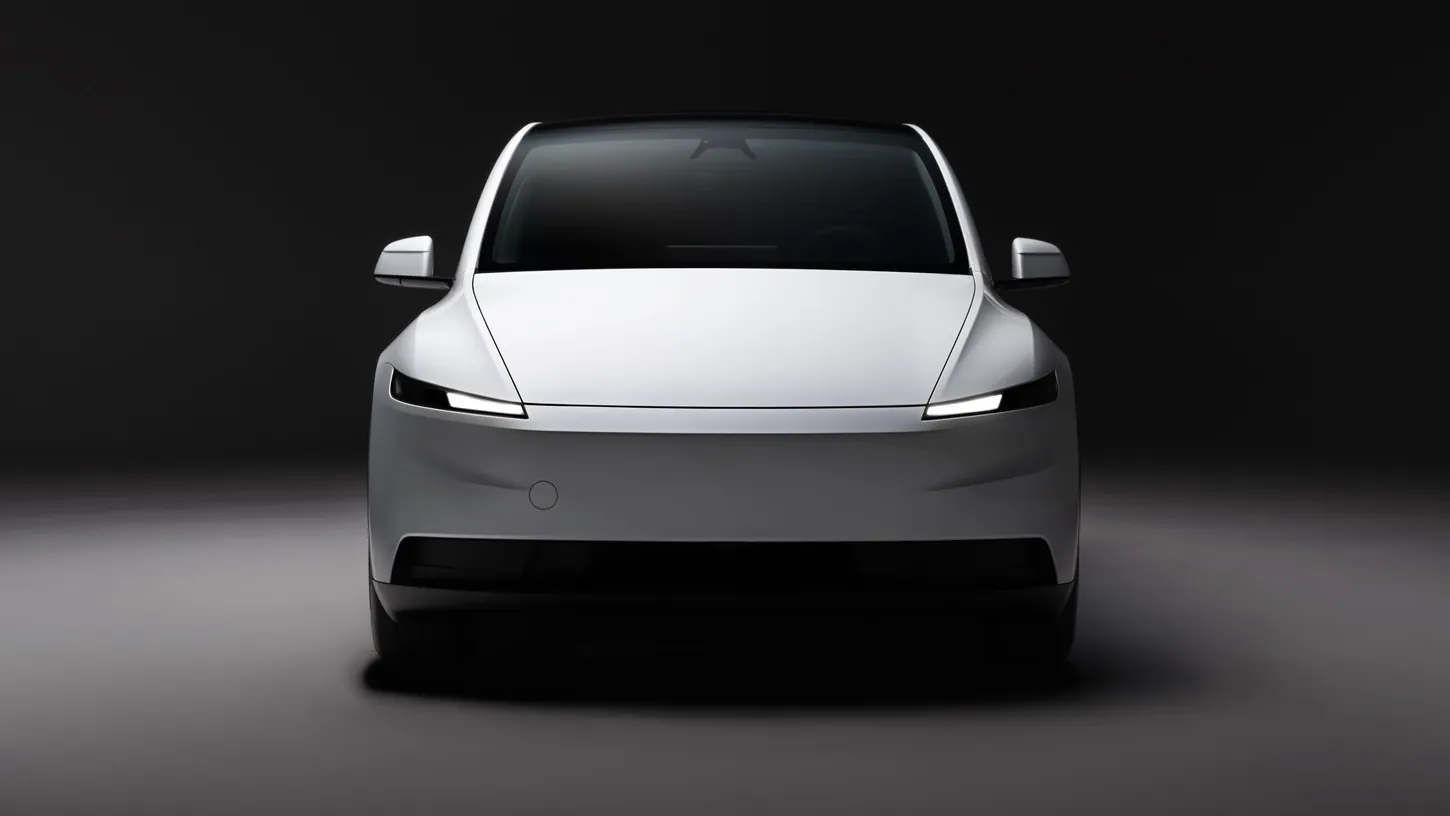
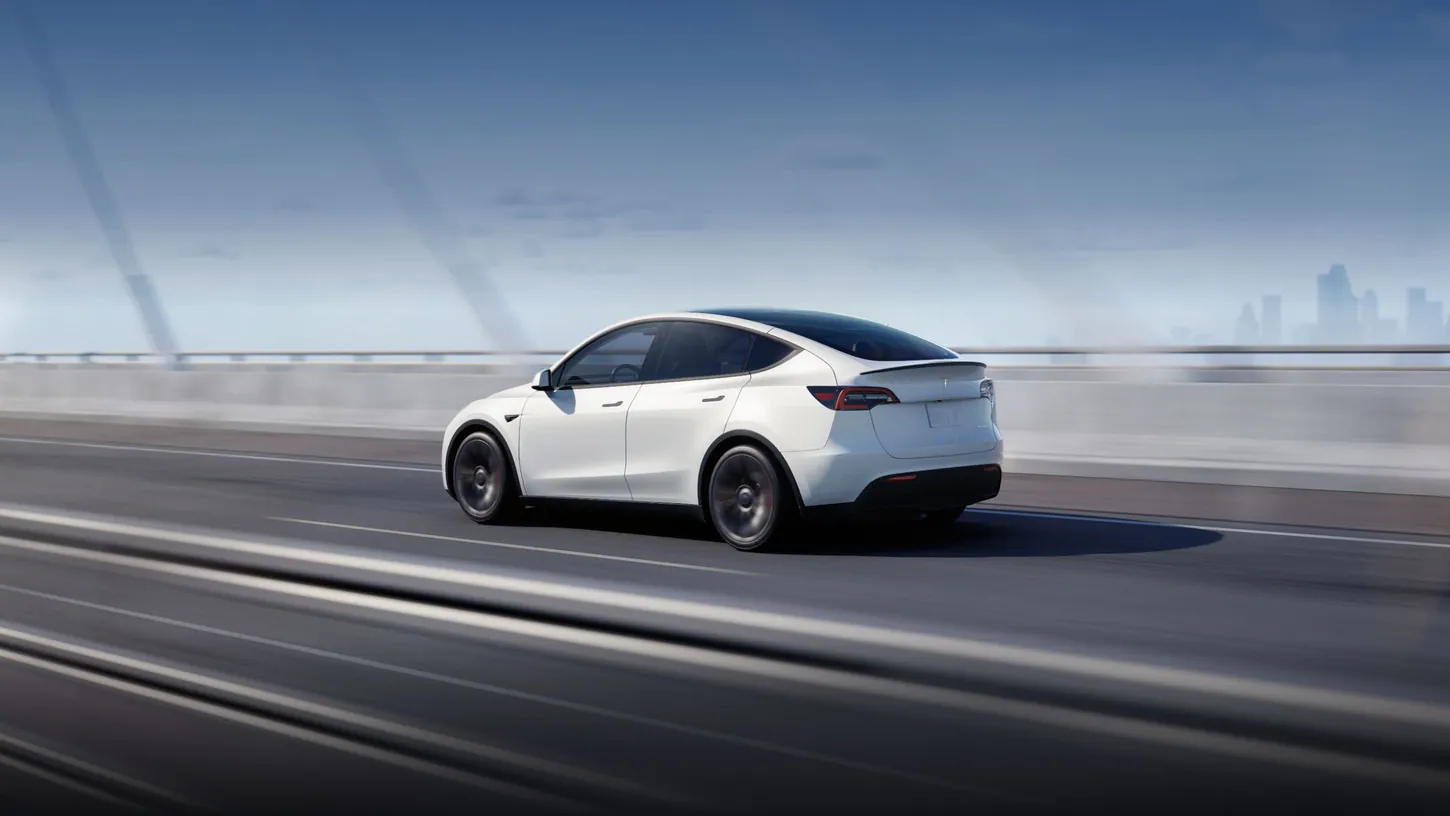
The Model Y still finished ahead in the same test. Tesla’s Model Y Standard rear-wheel-drive version traveled 337 miles, six miles past the bZ, and the front-wheel-drive Chevy Equinox EV beat both at 356 miles. On charging, Edmunds found the two SUVs roughly even, with each adding close to 100 miles of range in 15 minutes at a public fast charger. Tesla’s edge there is convenience rather than speed, since the Supercharger network remains denser and more reliable than the alternatives the bZ would otherwise lean on.
On driving feel, Edmunds gave the Model Y the nod for composure through corners while crediting the bZ with brisk acceleration. The front-wheel-drive bZ actually out-sprinted the base rear-wheel-drive Model Y to 60 mph in Edmunds’ testing, a result the outgoing bZ4X could never have managed. Interior space went to Tesla on rear legroom and cargo volume.
The pricing Edmunds cited has already moved
The comparison framed the value question around a base Model Y at $41,630 and a top bZ near $46,895, and the Toyota figure no longer holds. The actual ceiling on the bZ is the Limited AWD at $45,300, roughly $1,600 below the number the piece used. The Model Y base figure still stands, but it now points at a different car: the $41,630 covers the Standard rear-wheel drive with fees, the trim Tesla reintroduced to put a sub-$40,000 sticker back in the lineup, rated at 321 miles. The longest-range Model Y is the Premium rear-wheel drive at $44,990 with 357 miles. EVXL tracked the Model Y lineup reshuffle in February, when Tesla quietly retired the Standard name and then brought it back, a churn that makes any single quoted price a moving target.
None of this changes the verdict Edmunds reached, but it tightens the spread. A loaded bZ and a mid-range Model Y now sit within a few hundred dollars of each other, which means the Toyota’s price advantage is real at the bottom of the range and mostly evaporates at the top.
EVXL’s Take
Here is the pattern worth naming. For three years the bZ4X was the punchline in every Toyota-EV conversation, a car that seemed built to satisfy a regulation rather than a customer. The 2026 bZ is the opposite. It is cheaper, faster, longer-legged, and it charges on Tesla’s own network. When EVXL covered the reveal in May 2025, the open question was whether Toyota would actually ship what it showed. It did, and Edmunds’ independent range test beating the EPA sticker is the proof.
I’ll give the devil his due first. Tesla still wins this comparison on the things that are hardest to fix with a mid-cycle refresh: chassis composure, interior packaging, and a charging network nobody else can match on density. Toyota narrowed the gap. It did not close it.
But the Model Y is no longer the only serious answer in this segment, and the timing matters. The Rivian R2 launched at SXSW in March and starts customer deliveries this quarter from Normal, Illinois. The catch is the price: the R2 arrived as a $57,990 Performance Launch Edition, and the $45,000 base model everyone reserved slipped to late 2027. The nearer threat is the one already on sale. The Chevy Equinox EV beat both the bZ and the Model Y in the same Edmunds range test at 356 miles and starts under $35,000, which makes it the bZ’s most direct value rival, not Tesla. That leaves a narrow but real lane for a sub-$40,000 electric SUV with 300-plus miles, and the bZ’s Toyota badge does work in it that the Chevy’s bowtie does not.
Here is the falsifiable version. The bZ will clear 10,000 US registrations in a single quarter before the end of 2026, a bar the bZ4X never came close to in any quarter of its life. The price cut, the 62 extra miles, and Toyota’s dealer reach against Tesla’s direct model are enough to get it there before Rivian’s cheaper R2 arrives to split the difference. If Cox Automotive’s quarterly data shows the bZ stuck in bZ4X territory, I am wrong and Toyota’s overhaul didn’t move the metal.
Sources: The Independent (Bradley Iger, via Edmunds), Edmunds, Toyota.
EVXL uses automated tools to support research and source retrieval. All reporting and editorial perspectives are by Haye Kesteloo.