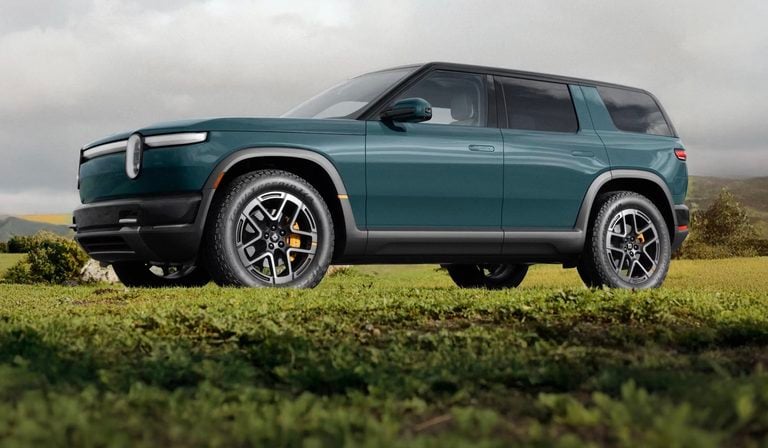
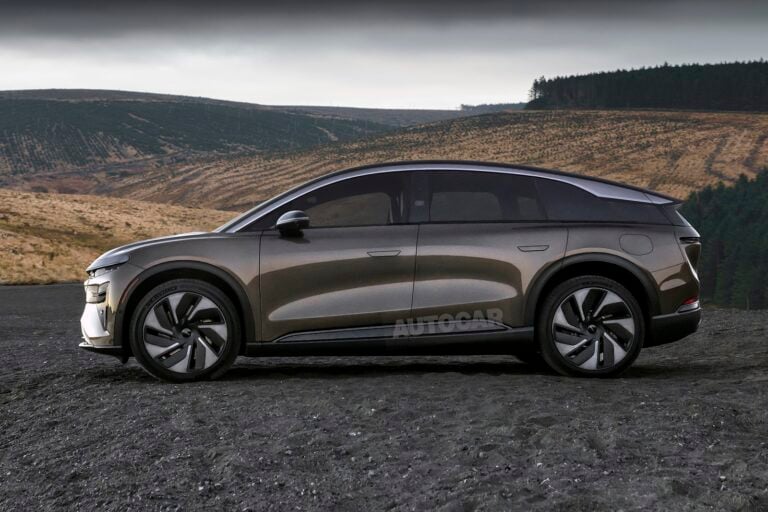
Honda President and CEO Toshihiro Mibe traveled to China, toured an auto supplier factory in Shanghai, and came back with a verdict that should alarm every Western automaker still treating China as a growth market: “We have no chance against this.” The quote, reported by Nikkei Asia, came during a meeting with Honda’s own suppliers after Mibe returned to Japan. His follow-up instruction was equally blunt: “We must act quickly.” This is not corporate theater. Honda just canceled its 0 SUV, 0 Sedan, and the two Afeela-badged EVs it had been developing with Sony, and is bracing for up to $15.8 billion in losses. When a CEO says his company has no chance and simultaneously kills several flagship EV programs, the statement deserves to be taken at face value.
Honda’s China Sales Have Fallen for Five Straight Years
According to Nikkei Asia’s reporting, Honda sold 1.62 million vehicles in China at its 2020 peak. By 2025 that number had dropped to 640,000 units, with 2026 output projected to fall below 600,000. That is a collapse of more than 60 percent in five years. Only about half of Honda’s Chinese manufacturing capacity is currently being used, well below the 70–80 percent utilization rate the industry generally needs to break even. The math does not work, and the trend is not reversing.
The EV cancellations make the situation worse on paper but arguably reflect clearer thinking than doubling down. The Honda 0 SUV and 0 Sedan were meant to be the brand’s global EV showcase. The Afeela partnership with Sony was supposed to generate tech-world credibility. Pulling both at once signals that Honda‘s leadership could not construct a profitable business case for either in the current environment — not in China and apparently not globally either.
China Speed Is a Real Engineering Advantage, Not a Talking Point
“China Speed” refers to the ability of Chinese automakers and their suppliers to engineer and launch a new vehicle model in roughly 1.8 years. Legacy Western brands typically need five years or more. That gap is not primarily about bureaucracy or corporate culture. It reflects a deeply integrated supplier base that can move from concept to production tooling faster than most global automakers can finalize a design brief.
What Mibe saw in Shanghai combined speed with cost efficiency — something legacy automotive engineering culture has never prioritized simultaneously. As we reported in January, BYD doubled its exports in 2025 while Western automakers retreated, a direct consequence of exactly this supplier and manufacturing edge.
To his credit, Mibe is not just sounding the alarm and moving on. Honda is restoring an independent R&D division, relocating engineers to a newly established engineering subsidiary designed to operate with more autonomy than it has had since development decisions were centralized at headquarters. Whether decentralizing engineering authority actually accelerates development or just adds internal complexity is an open question.
Ford and Toyota Are Saying the Same Thing
Honda’s CEO is not alone. In an October 2025 interview with CBS Sunday Morning, Ford CEO Jim Farley said China has enough existing factory capacity to serve the entire North American market and “put us all out of business.” We covered that warning when it landed: Ford’s CEO issued one of the starkest public admissions about Chinese manufacturing dominance any American auto executive has made. At the time it felt like an outlier. It no longer does.

Toyota CEO Koji Sato has made similar remarks to the company’s supplier base. According to Nikkei Asia, Sato told assembled supplier representatives: “Unless things change, we will not survive.” Toyota is the world’s largest automaker by volume. When the company in that position describes its own survival as conditional, the gravity of China’s competitive position is hard to dismiss as pessimism.
Legacy Automakers Are Running Out of Room to Absorb These Losses
Honda’s $15.8 billion projected loss is steep, but it sits inside a broader accounting across the industry. We documented the scale of this in February: Detroit’s collective EV retreat has now cost the industry $53 billion, a figure that compounds the argument that the original EV strategies of legacy brands were built on assumptions that did not survive contact with the actual market. Chinese brands now control nearly the entire Chinese EV market, and Western automakers that bet on staying relevant in China through joint ventures and localized models have largely lost that bet.
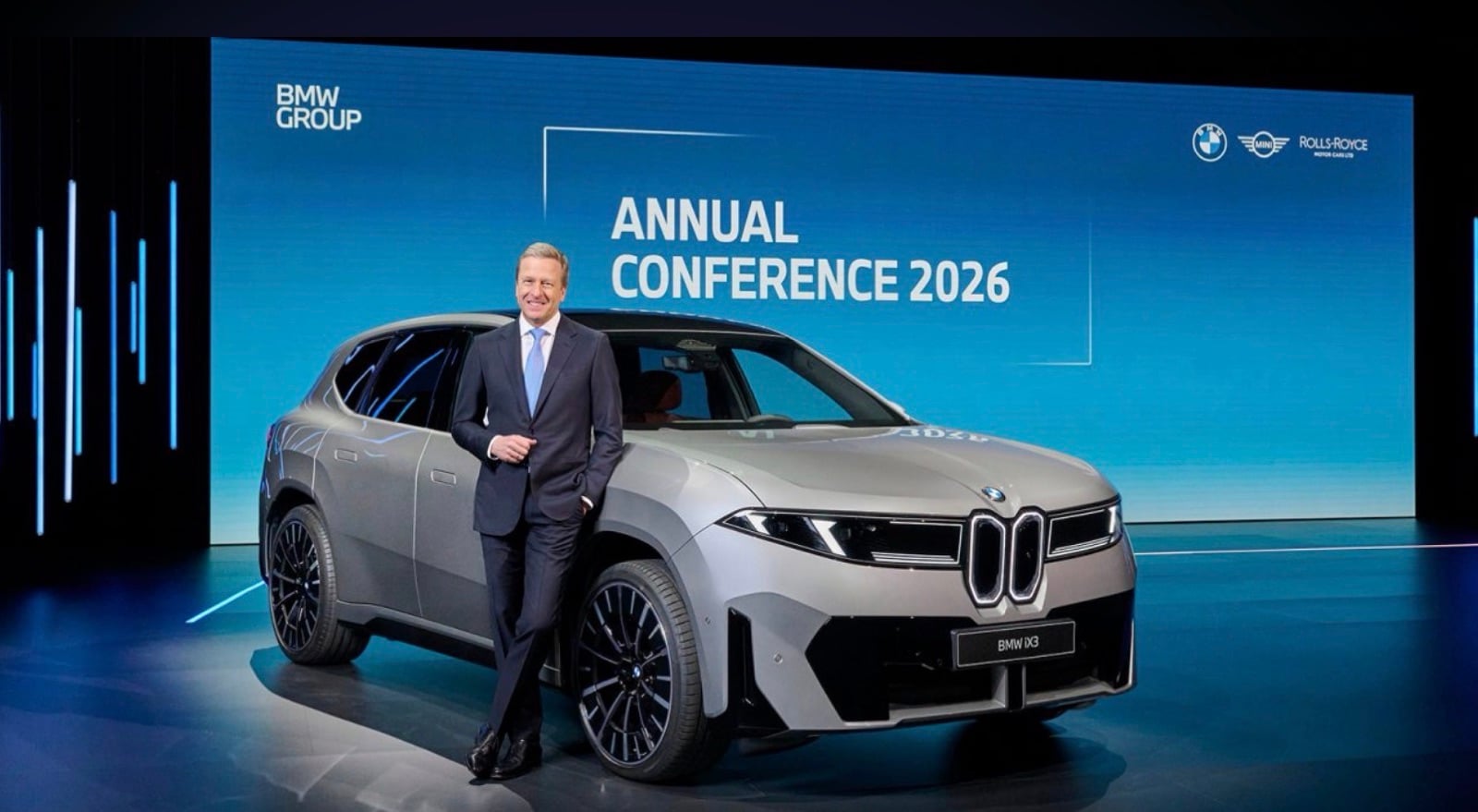
BMW reported its lowest full-year earnings since the Covid pandemic in 2025, with China sales down more than 12 percent. Tariffs cost BMW approximately 1.5 automotive margin points on the year, compounding a China-driven earnings decline the company had not seen since 2020. These are not isolated data points. They form a pattern repeating across brands, geographies, and product categories.
EVXL’s Take
Mibe’s “we have no chance against this” line will get quoted in industry circles for years. The more revealing sentence is the one that followed: “We must act quickly.” Acting quickly is precisely what Honda, Ford, Toyota, and most other legacy automakers have proven structurally unable to do. Reorganizing an R&D division is a process that takes years to show results. Chinese competitors will not pause to wait for it.
I’ve covered the EV transition long enough to recognize when an industry is rationalizing a retreat as a strategy. Canceling the Honda 0 series and both Afeela EVs simultaneously is not a strategic pivot. It is a retreat from EV ambition on multiple fronts at once. The argument that the EV transition is “unraveling” misidentifies the problem — the transition is proceeding at pace, just not under the leadership of the brands that announced the biggest plans. BYD sold 2.26 million battery-electric vehicles in 2025. That is 620,000 more than Tesla. Honda’s canceled EVs don’t appear in that comparison at all.
What’s most telling about the Mibe factory visit is what it represents: a CEO of a major global automaker having to travel to a supplier facility in Shanghai to understand how the competition actually operates. That information should not require a field trip in 2026. The fact that it does says more about how disconnected legacy automaker leadership has been from the pace of change in China than any earnings report can. Honda will sell fewer than 600,000 vehicles in China this year. By 2028, that number will fall below 400,000 unless the restructured R&D operation delivers something genuinely competitive within 18 months — which no major legacy automaker has managed yet.
EVXL uses automated tools to support research and source retrieval. All reporting and editorial perspectives are by Haye Kesteloo.
Discover more from EVXL.co
Subscribe to get the latest posts sent to your email.