Every winter, Tesla owners make the same costly mistake on frozen mornings: they tap the defrost button without realizing the intense heat blast can crack their windshield. After years of driving Teslas through harsh winters, this is the one risk that the owner’s manual doesn’t adequately warn you about, and the fix takes just a few extra minutes of planning.
Here’s what you need to know before you tap that defrost button on a freezing morning:
- The Fact: Tesla’s defrost mode blasts maximum heat directly at the windshield to rapidly melt ice and frost.
- The Reality: This sudden thermal shock can crack windshields that have microscopic damage you can’t even see, especially on freezing mornings.
- The Fix: A simple two-step preconditioning method eliminates this risk entirely.
Why Does Tesla’s Defrost Mode Crack Windshields?
The physics here are straightforward. When your windshield is frozen, possibly at temperatures well below freezing, and you suddenly blast it with hot air at maximum temperature, you create significant thermal stress across the glass. This is the exact same principle behind why you should never pour hot water on a frozen windshield.
Tesla‘s defrost function is designed for speed and effectiveness. When activated, it cranks the climate system to maximum heat and directs airflow primarily at the windshield. While this works brilliantly for clearing frost quickly, it creates a temperature differential that glass under stress simply cannot handle.
The critical factor most owners miss: your windshield likely already has microscopic chips or stress points from road debris that you cannot see with the naked eye. These invisible weak points become failure points under thermal stress. One moment you have frost, the next you have a crack spreading across your field of vision.
The Two-Step Defrost Method That Protects Your Windshield
The solution is simple and only requires a few extra minutes of planning. Instead of immediately hitting defrost, use a graduated warming approach that lets your windshield temperature rise gradually.
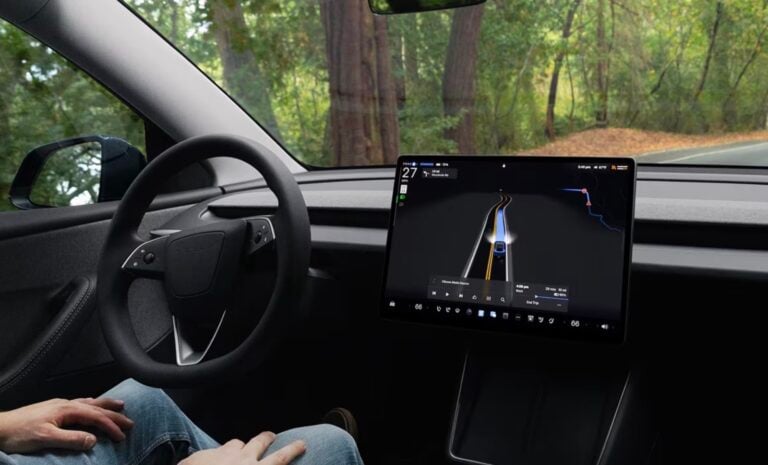
- Step 1: Start with cabin preconditioning only. Open the Tesla app and activate climate control, but set the temperature to a moderate level, around 19 degrees Celsius (66 degrees Fahrenheit). This warms the cabin gradually and begins gently raising the windshield temperature without the intense direct heat blast.
- Step 2: Activate defrost after the cabin warms. Once the cabin has reached temperature and the windshield has had time to gradually warm, then activate the defrost function. At this point, your windshield glass has already adjusted to a warmer temperature, so the additional heat from defrost mode doesn’t create the same dangerous thermal gradient.
The key difference is time. Giving your windshield even 10-15 minutes to gradually warm before hitting it with maximum defrost heat dramatically reduces the thermal stress on the glass.
When Is This Risk Actually Relevant?
To be clear, most Tesla owners will never crack their windshield using defrost mode. This is a relatively rare occurrence that typically requires a combination of factors: extremely cold temperatures, a windshield with existing micro-damage, and immediate activation of maximum defrost.
However, the consequences when it does happen are significant. Tesla windshield replacements are expensive, often running $800 to $1,500 or more depending on the model and whether you have the heated windshield option. More critically, if this happens during a winter road trip in the middle of nowhere, you’re facing a serious inconvenience at the worst possible time.
The two-step method costs you nothing but a few minutes of planning, typically time you’d spend getting ready to leave anyway. For Tesla owners in cold climates, building this habit into your winter morning routine is simply smart preventive maintenance.
EVXL’s Take
This is exactly the kind of practical ownership knowledge that separates experienced EV owners from those still learning the quirks of their vehicles. Tesla’s defrost mode is a feature, not a flaw, but like any powerful tool, it requires understanding the appropriate use case.
What frustrates me is that Tesla could easily address this with a software update. A simple warning when defrost is activated at very low temperatures, or even an automatic graduated warming sequence, would protect owners from this entirely preventable damage. The fact that this tip circulates through owner communities rather than being built into the vehicle’s behavior reflects Tesla’s ongoing blind spot around customer education and proactive damage prevention.
My prediction: as Tesla continues expanding into colder markets and more first-time EV owners come from traditional vehicles with less aggressive defrost systems, we’ll see more complaints about cracked windshields during winter months. Until Tesla addresses this at the software level, the two-step method described here remains your best protection.
For owners who’ve already experienced this issue, I’d be interested to hear whether your windshield had any visible damage before the crack appeared, or whether it seemed to fail spontaneously. This real-world data helps the community understand how common this issue actually is.
Editorial Note: This article was researched and drafted with the assistance of AI to ensure technical accuracy and archive retrieval. All insights, industry analysis, and perspectives were provided exclusively by Haye Kesteloo and our other EVXL authors, editors, and Youtube partners to ensure the “Human-First” perspective our readers expect.
Discover more from EVXL.co
Subscribe to get the latest posts sent to your email.