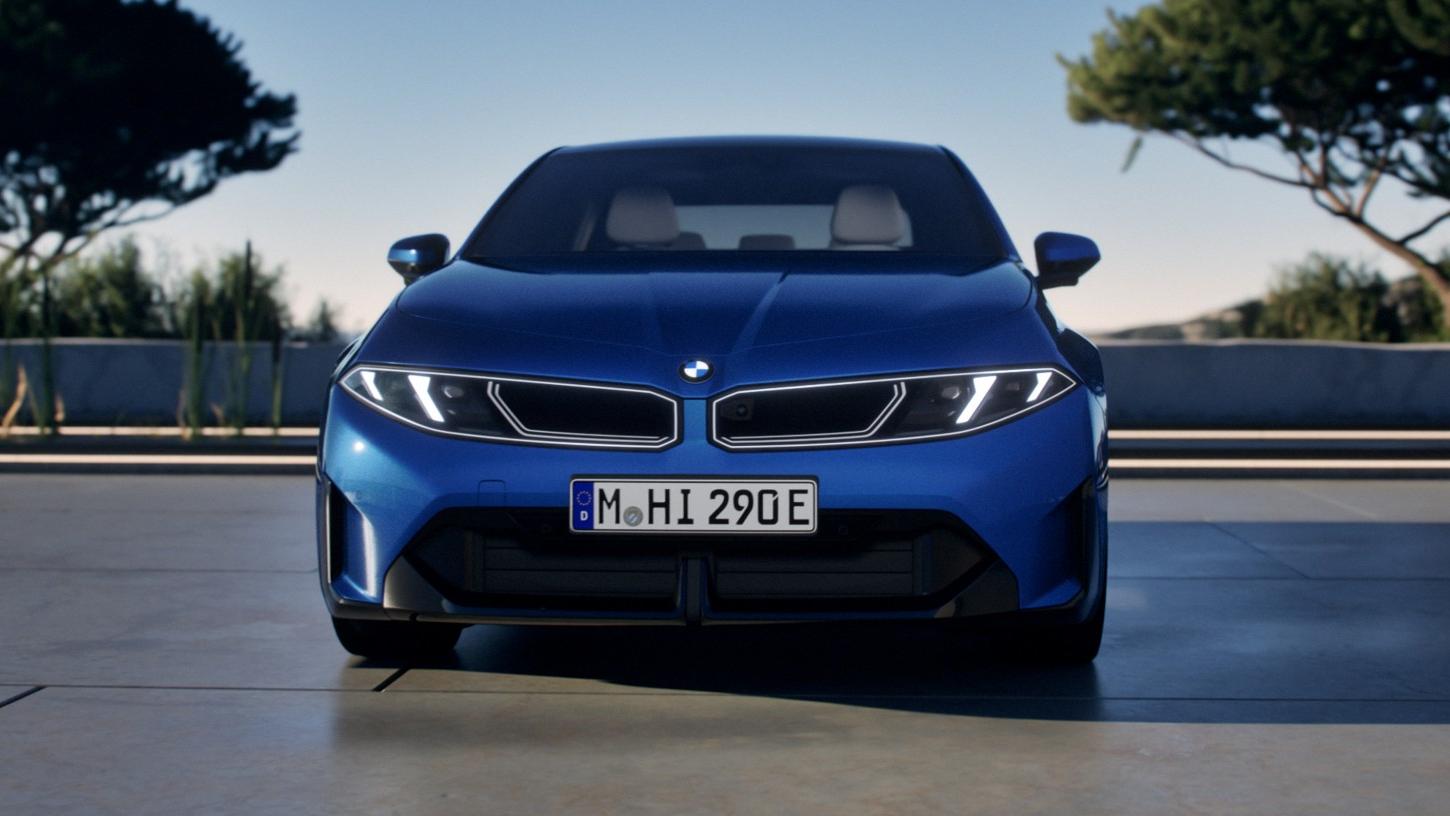
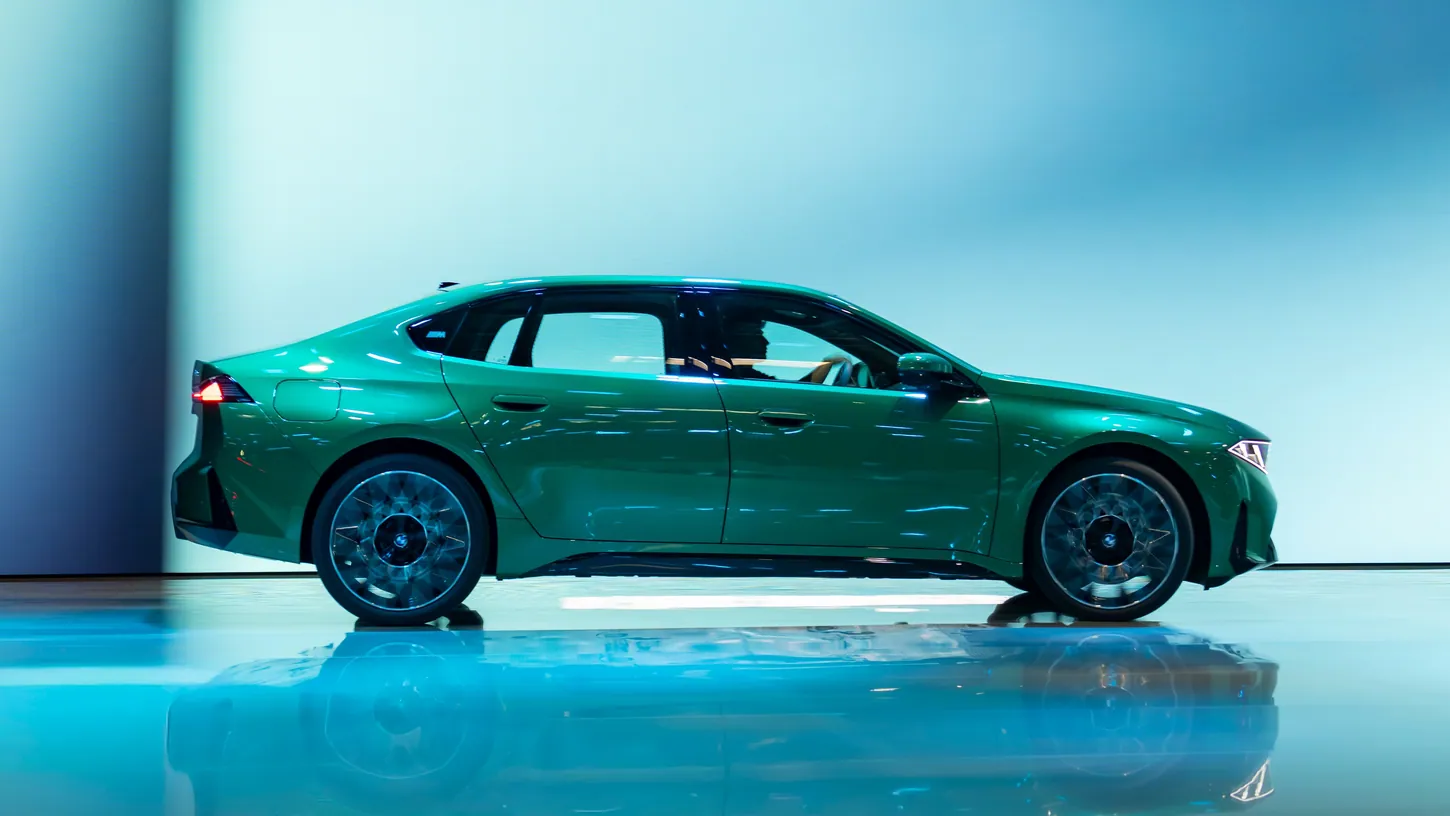
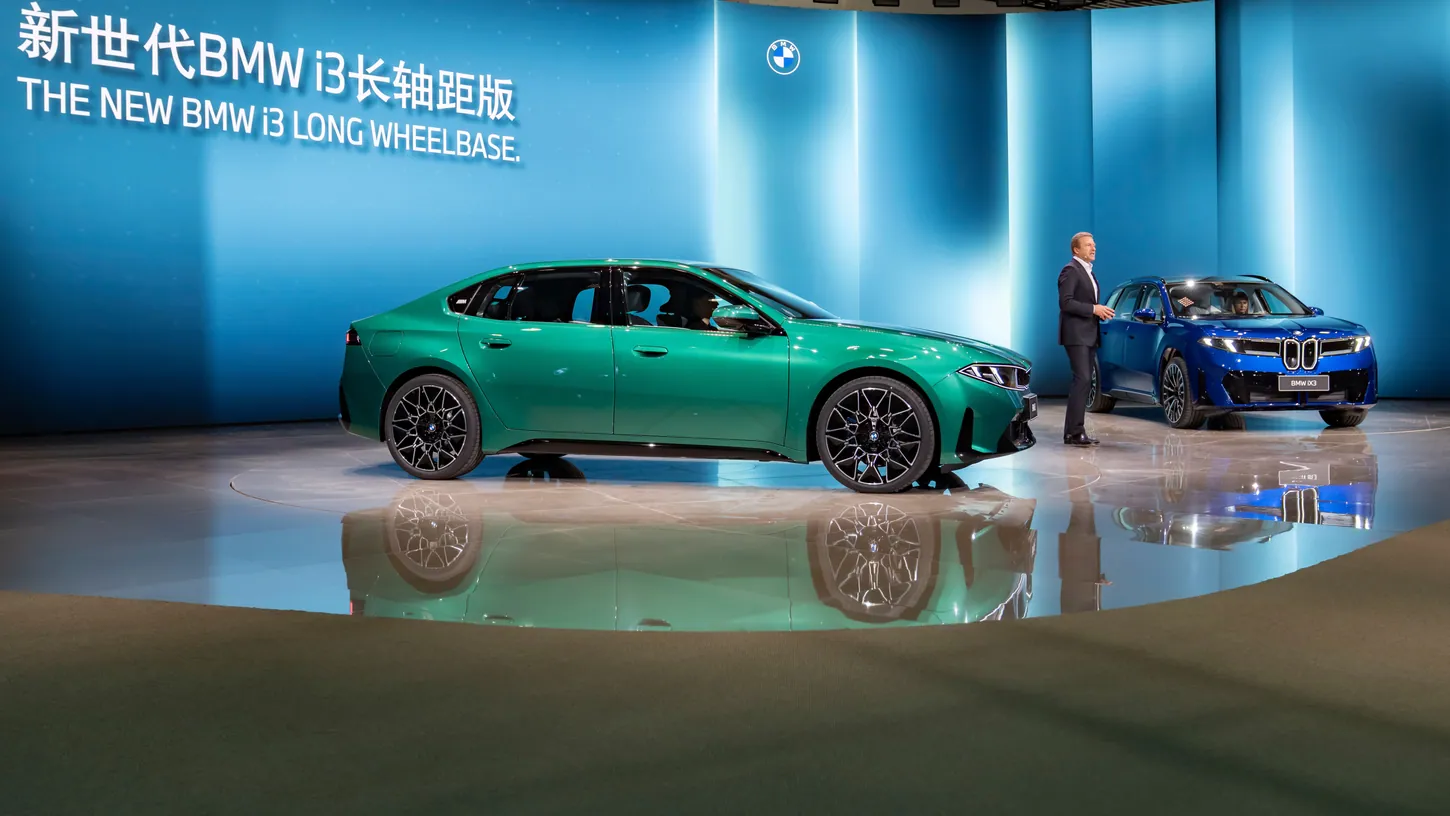
BMW says a long-wheelbase i3 50L, the China-only version of its new electric sedan, drove 754 miles (1,213 kilometers) on one charge and arrived with 1% left. BMW published the result on Thursday, the day it started building sixth-generation (Gen6) batteries in Shenyang, and calls it the longest distance any BMW EV has covered without charging.
The car isn’t the i3 Americans can order. The U.S. gets the shorter i3 50 xDrive, which BMW estimates at 446 to 468 miles under EPA test procedures. BMW’s 1,213 kilometers also beat a Mercedes-Benz solid-state EQS prototype’s 2025 drive by 5 miles (8 kilometers). That Mercedes still had 85 miles (137 kilometers) of range left when it stopped.
BMW’s i3 Averaged 8.8 kWh per 100 Kilometers
The i3 50L averaged 8.8 kWh per 100 kilometers (about 7.1 miles per kWh) on a 113.4-kWh battery, according to BMW’s statement as CnEVPost reported it. The road test mixed expressways, national highways, rural roads and city streets, with no certification cycle involved.
BMW rates the car at more than 621 miles (1,000 kilometers) on China’s CLTC cycle, per the release for its August debut, and CLTC already runs optimistic against EPA.
Neither CnEVPost’s account nor BMWBLOG’s gives the route or the average speed, and BMWBLOG notes the highway share is missing as well. BMW China’s PressClub had no release on the run as of Thursday evening.
The i3 Beat BMW’s August iX3 Record by 114 Miles
Two months ago, BMW’s record belonged to the iX3 50L, the China-only long-wheelbase SUV. BMW engineers drove one 640 miles (1,030.2 kilometers) from the Shenyang plant to BMW’s Beijing R&D center and arrived with 5% left, BMW China said on August 19.
That iX3 record replaced the European iX3’s 626-mile drive from Debrecen, Hungary, to Munich last November. BMW has now set three single-charge records in under a year with Neue Klasse cars, all on routes it picked. The iX3 release said results depend on driving habits, road conditions, temperature, load and air conditioning.
The U.S. i3 Is a Shorter Car With a 468-Mile Estimate
The i3 50 xDrive sold in the U.S. has a 114.1-inch wheelbase, against 118.3 inches (3,005 millimeters) for the China car. BMW USA prices it at $61,500 plus $1,350 destination, with a U.S. launch in the first quarter of 2027 and 446 to 468 miles of estimated range.
BMW calls that range a preliminary estimate from its own tests under EPA procedures, and the car has no EPA label yet. BMW China gave the same first-quarter 2027 delivery window for the i3 long-wheelbase in August. The U.S. car charges at up to 400 kW, and BMW says 10 minutes adds 191 to 208 miles.
Mercedes’ Solid-State EQS Stopped With 85 Miles Still in It
Mercedes’ modified EQS ran on Factorial lithium-metal solid-state cells and covered 749 miles (1,205 kilometers) from Stuttgart to Malmö, Sweden, in late August 2025, Mercedes said. Mercedes put the battery’s usable energy 25% above a standard EQS pack of similar size and weight.
That EQS drive topped the 747 miles (1,202 kilometers) Mercedes’ Vision EQXX concept covered from Stuttgart to Silverstone in 2022. The EQXX, a one-off concept on a different route, averaged 8.3 kWh per 100 kilometers, less than BMW’s production-bound sedan used. EVXL covered the Mercedes and Factorial solid-state plan in September 2024.
None of these is the longest drive on one charge. GM engineers took a Silverado EV Work Truck 1,059 miles on its 205-kWh pack, driving 20 to 25 mph where it could.
EVXL’s Take
BMW’s 8.8 kWh per 100 kilometers impresses me more than its 754 miles. A single-charge record measures how big the battery is, how slowly the team drives, and where the automaker decides to stop. Mercedes ended its EQS run with range to spare while BMW drained its i3 to 1%, which makes BMW’s narrow win useless as a guide to which car goes farther. BMW also hasn’t published how fast its engineers drove, and that is the number an owner would need to compare the run with daily driving. Getting a 113-kWh sedan over mixed roads at 8.8 kWh per 100 kilometers is still good engineering, and it bodes well for the i3 50 xDrive arriving here early next year. I’ll judge that car on its EPA label once BMW has one.
Sources: BMW Group PressClub China, BMW Group PressClub USA, CnEVPost, BMWBLOG, Mercedes-Benz
EVXL uses automated tools to support research and source retrieval. All reporting and editorial perspectives are by Haye Kesteloo.