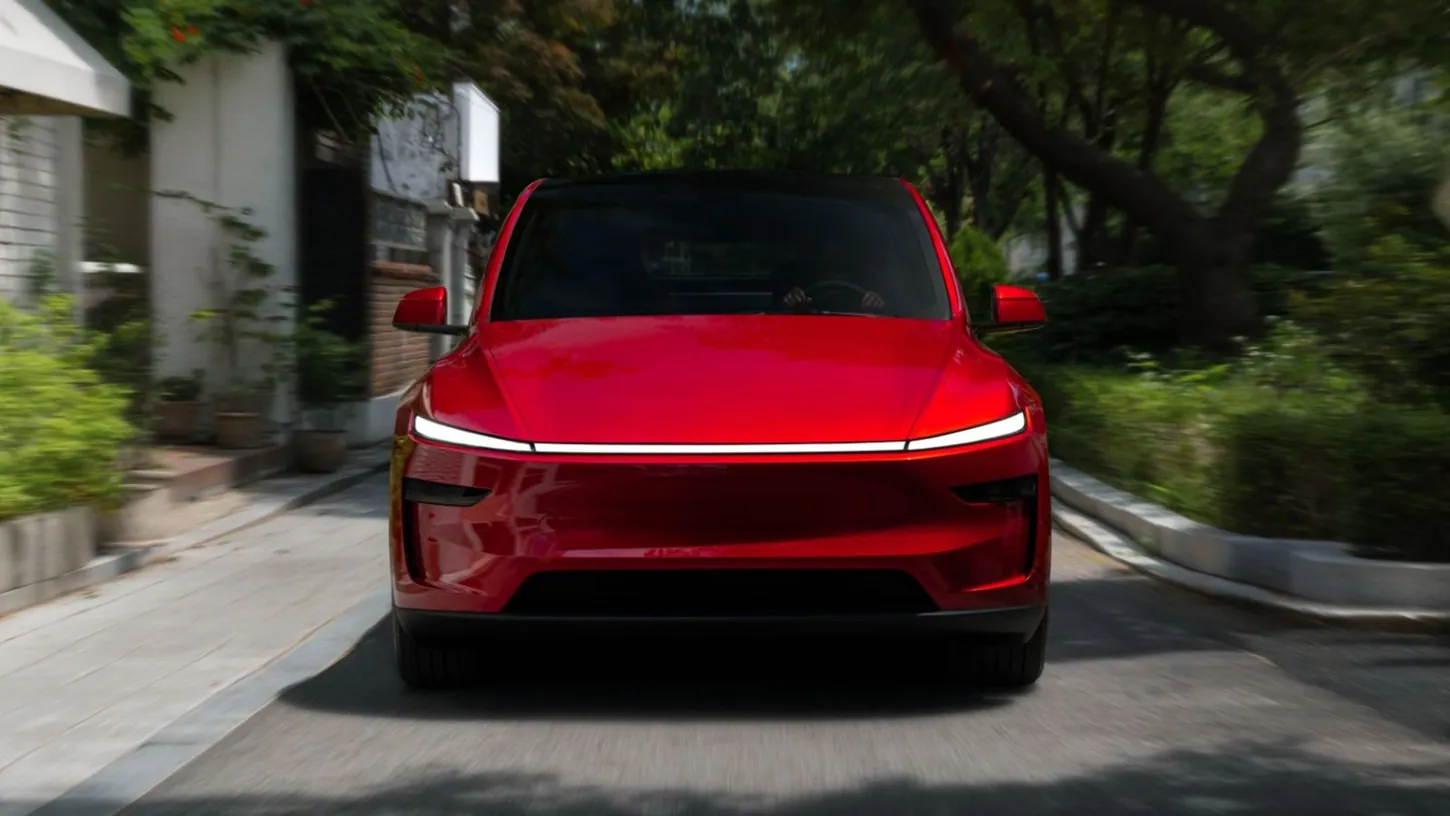
Tesla sold its Full Self-Driving option, now called FSD (Supervised), to South Korean buyers for years, often for a lump sum of 9.043 million won ($6,726), while most of the cars it sold there could not legally run the software. A Korean consumer group, Citizens United for Consumer Sovereignty, plans to file a complaint on Thursday, November 5, asking the Korea Fair Trade Commission (KFTC) to halt Tesla’s FSD marketing for ineligible cars and to fine the company. Reuters reported the planned complaint on November 4.
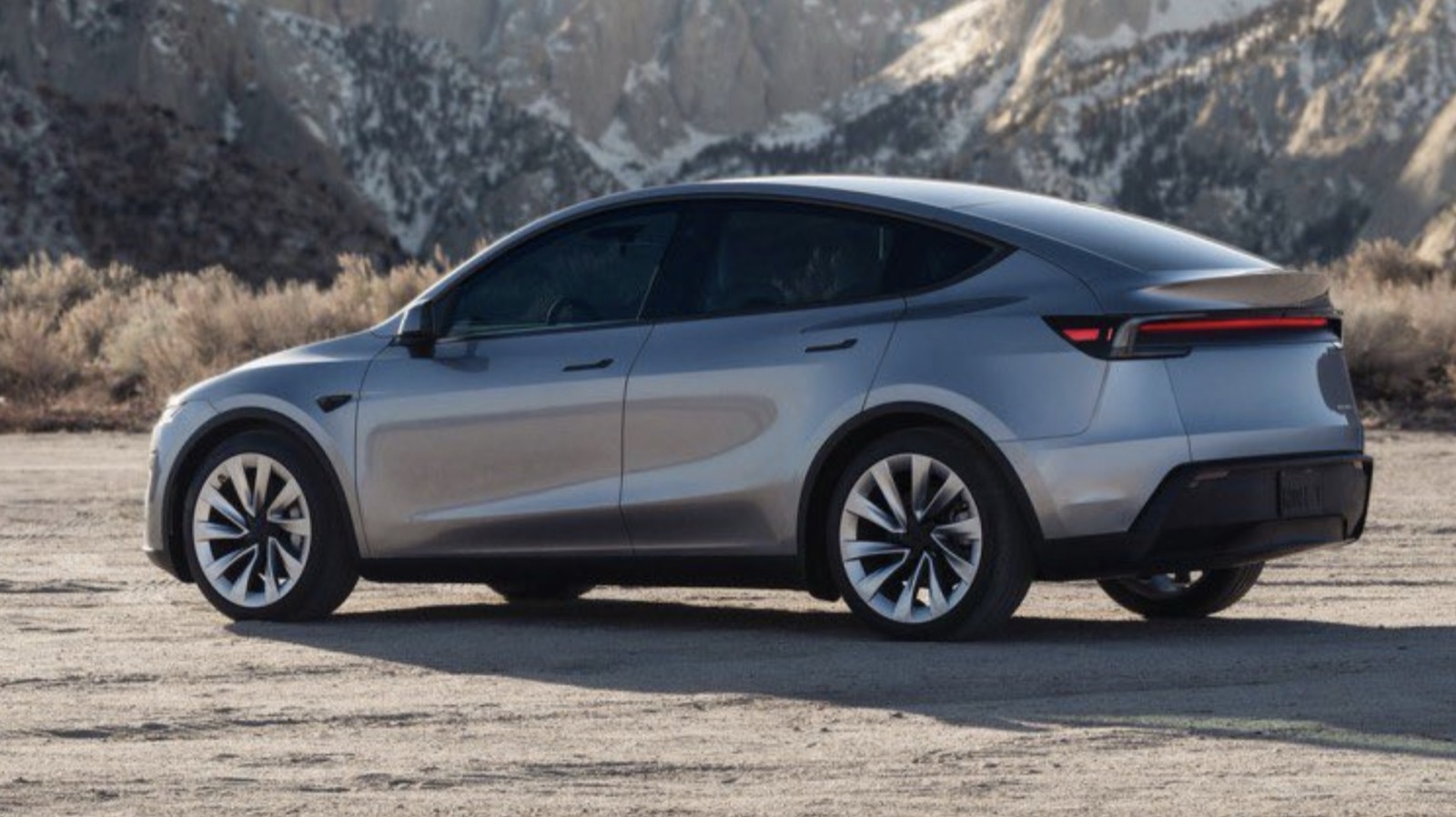
Eligibility depends on the factory. US-built Teslas meet US safety standards that Korea recognizes under its free trade agreement with the United States, and China-built Teslas have to be certified under Korean rules instead. Tesla Korea’s own announcement of the FSD v14 Lite rollout on July 10 limited it to US-built Model 3 and Model Y cars, as EVXL reported that day.
Tesla Korea country manager Seo Young-deuk told lawmakers on October 8 that the company had not formally asked the transport ministry to test FSD. About two weeks later, Tesla applied for certification.
Tesla’s Own Data Puts 99% of Its 2025 Korean Sales Outside FSD
Tesla data submitted to South Korea’s National Assembly shows 99% of the new Teslas sold in the country in 2025 could not legally use FSD. Sales of those China-built cars grew more than fivefold from 2023 through 2025, and Tesla has sold more than 170,000 Shanghai-built vehicles there since 2023.
Seo also told lawmakers last month that FSD can be used on about 20% of the Teslas registered in Korea, the US-built share. FSD (Supervised) went live there in late November 2025, on US-built Model S and Model X cars with Hardware 4, Korea JoongAng Daily reported at the time. The v14 Lite build for US-built Model 3 and Model Y cars on Hardware 3 followed in July.
Reuters says it is unclear how many owners of ineligible cars paid for FSD. Korea JoongAng Daily has tied a split in used Tesla prices to FSD eligibility: K Car, the country’s largest used-car retailer, found that 2020 to 2022 Model Y values rose 2% in August while post-2023 models, mostly built in China, fell 2.5%, according to Korea JoongAng Daily.
The Complaint Says Tesla Pitched FSD as “Coming Soon” to All Customers
The complaint alleges that Tesla promoted FSD in 2025 as “coming soon” and posted a demonstration video filmed in South Korea without clearly disclosing that only a small fraction of the Teslas on sale could use it. It says Tesla knew those limits and marketed the software to all customers.
The group wants a temporary cease-and-desist order on FSD marketing for ineligible vehicles, administrative fines, and a referral of the case to state investigators, according to Reuters, which reviewed the complaint. Choi Young-suk, who leads automotive issues at the group, said Tesla sold an expensive system to mass-market buyers “who cannot use it for even a single day.” The KFTC is already looking. An agency official told Reuters it opened a probe into Tesla’s FSD advertising earlier this year and has received written responses from the company.
Tesla collected the lump sum until August, when it moved Korean buyers to a 150,000 won ($112) monthly subscription that Seoul Economic Daily reported in July would start on August 10. Owners who bought FSD outright between 2019 and 2022 have already lost one round in court. On October 29, the Seoul Central District Court dismissed a suit by Tesla owners seeking FSD refunds, TeslaNorth reported, citing SBS. The court said regulatory and legal restrictions had limited Tesla’s rollout, called the option an open-ended deal to deliver supervised features as technology and approvals allow, and pointed to Autopilot and Enhanced Autopilot features delivered at purchase. That suit was about delivery, and the KFTC complaint is about marketing.
Korea’s Transport Ministry Says FSD Doesn’t Meet Its Hands-On-Wheel Rule
Tesla’s certification bid for China-built cars, filed two weeks after the hearing, goes to a transport ministry that has said FSD does not comply with Korean safety rules. In a statement to a lawmaker, reviewed by Reuters, the ministry cited the requirement that drivers keep their hands on the wheel.
At the October 8 hearing, Seo said Tesla would “actively undergo the evaluation” once the government set up a system and channel for verifying FSD, The Korea Times reported. Tesla did not respond to Reuters’ requests for comment, and Reuters could not reach the transport ministry.
EVXL’s Take
Seo’s explanation is that Tesla was waiting for the government to build a channel for verifying FSD. I don’t see why that wait had to stretch across more than three years of charging Korean customers, when Tesla filed an application about two weeks after lawmakers asked about it. The Seoul court excused delays caused by regulation, but as I read Seo’s testimony, Tesla had no application in front of the transport ministry until late October.
Tesla knows which factory built every car it sells, and it told Korean owners in July that v14 Lite was for US-built cars only. The complaint says the marketing aimed at everyone else didn’t make that limit clear. If the KFTC agrees, Tesla collected lump sums, often 9.043 million won, for software those cars had no approved path to run, and the transport ministry has told a lawmaker that FSD doesn’t meet its hands-on-wheel rule.
This is the same company that sued California’s DMV in February to overturn a ruling that it misled buyers about Autopilot and FSD, and that stopped selling FSD as a one-time purchase in the US that same month. If the KFTC grants the temporary order the group wants, Tesla would have to stop marketing FSD for cars that cannot legally use it. Until then, anyone buying a Tesla in Korea should check where it was built before paying for FSD.
Sources: Reuters, Korea JoongAng Daily, Seoul Economic Daily, TeslaNorth, The Korea Times.
EVXL uses automated tools to support research and source retrieval. All reporting and editorial perspectives are by Haye Kesteloo.