Tesla began rolling out Full Self-Driving (Supervised) v14 Lite in South Korea on July 10, making the country the first market outside North America to receive the software written for older Hardware 3 vehicles. Tesla Korea said the update goes out sequentially by vehicle and warned owners that timing will vary from car to car.
The catch sits in the fine print. Only US-built Model 3 and Model Y vehicles running the Full Self-Driving Computer 3, with FSD (Supervised) already active, qualify. The Shanghai-built cars that fill much of Korea’s Tesla fleet stay locked out. None of this should surprise EVXL readers. When Tesla excluded HW3 cars from its 1.5 million-vehicle FSD trial last December, the company was already steering those owners toward a separate Lite build rather than the full v14 experience.
Korea Becomes The Second Market For Tesla’s HW3 Software
South Korea is the second market worldwide to receive FSD v14 Lite, following the United States rollout that began June 29 with software update 2026.20.5.1, and the announcement arrived just eleven days after American early-access testers got their first taste of the distilled build. Source: Seoul Economic Daily confirmed the launch on July 10, quoting Tesla Korea’s description of the system as a driver assistance feature covering route navigation, lane changes, steering, and parking under supervision.
The timing matters because HW3 owners have waited a long time for anything at all. This is the first FSD update for the legacy fleet in roughly 14 months, per Not a Tesla App’s tracking. Those cars sat on FSD v12.6 since early 2025 while Hardware 4 vehicles cycled through the entire v14 series. EVXL flagged the widening hardware divide on December 1, when Tesla left every HW3 car out of its holiday FSD trial.
US-Built Cars Qualify While Shanghai-Built Cars Stay Locked Out
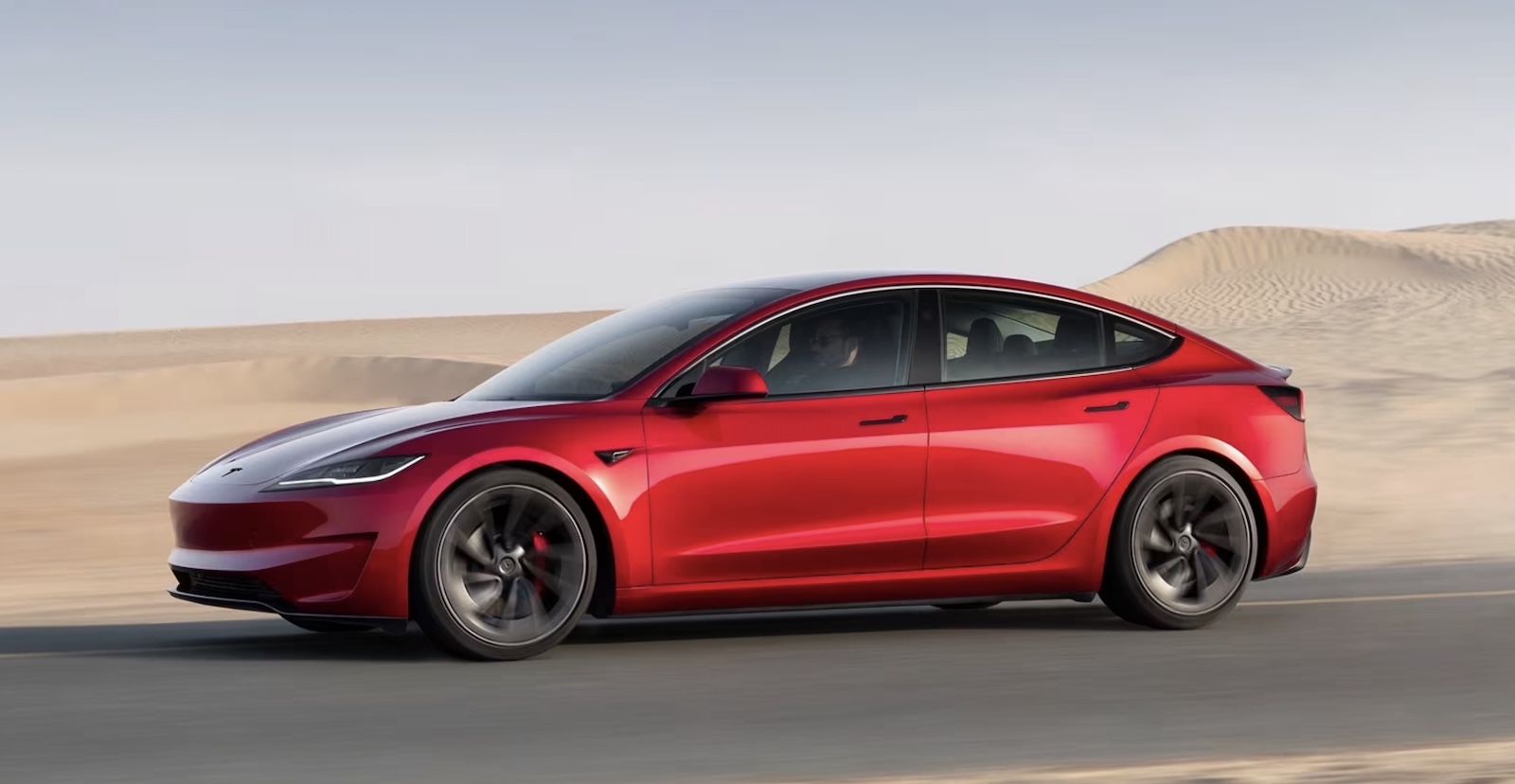
Tesla Korea limited the rollout to US-built Model 3 and Model Y vehicles equipped with the Full Self-Driving Computer 3 and an active FSD (Supervised) purchase or subscription, which excludes the Shanghai-built cars that account for a large share of Korea’s Tesla fleet. Seoul Economic Daily reports that recently imported vehicles produced at Gigafactory Shanghai, including the new Model Y, are not eligible for the update.
Tesla Korea also repeated its standard caution in the announcement on X: the system is not fully autonomous, and “the driver must always remain attentive and be prepared to take immediate control.” FSD (Supervised) remains a Level 2 driver assistance system in every market where it operates.
For a Korean owner, eligibility comes down to where the car was built, a detail no buyer chose with software access in mind. Two identical-looking Model Ys parked side by side in Seoul can now live on different software branches for years.
v14 Lite Compresses New Software Into Seven-Year-Old Hardware
Tesla built v14 Lite by distilling the driving behavior of the Hardware 4 version of v14 into a model the older AI3 computer can run, a compression job made harder by the fact that AI3 has roughly 15% of AI4’s effective memory bandwidth, per Elon Musk. Tesla AI chief Ashok Elluswamy described the build as v14’s driving model adapted to AI3’s cameras and compute when the US rollout began on June 29.
The build brings capabilities HW3 owners have never had: starting FSD from Park, automatic reversing out of a spot, and Arrival Options that let the driver pick where the car ends the route. Not a Tesla App notes that some drivers may notice slower decision-making in complex scenes, since the older chip is running a model architecture designed for newer silicon. The v14 line itself has been moving fast on Hardware 4, as EVXL covered on April 7 when v14.3 shipped with a rewritten AI compiler.
Korea’s front-of-line position is consistent. The country was the first market outside North America to receive FSD v14, and it holds an active fleet of roughly 50,000 HW3 vehicles, per Not a Tesla App. Tesla’s AI team said on X that v14 Lite will reach all eligible AI3 owners in Korea after further validation, without committing to a date.
EVXL’s Take
I’ll give Tesla’s engineers their due. Squeezing v14’s driving behavior into a computer with roughly 15% of the memory bandwidth it was designed for is real work, not marketing. Early US feedback suggests the distillation mostly holds. That’s the credit.
Now the debit. HW3 owners paid up to $15,000 for software Musk repeatedly promised would turn their cars into appreciating assets and, eventually, robotaxis. What they’ve received, seven years after that computer started shipping, is a compressed approximation of the current build, delivered 14 months after their previous update, on hardware Tesla has already renamed and moved past. And since Tesla killed the FSD purchase option in February, the company owes new customers nothing beyond what the software does this month. The people still holding the original promise are exactly these HW3 owners.
In Korea, the deal narrows further: your car qualifies only if it left a US factory instead of Shanghai. That’s not a line any owner could have seen when they signed the paperwork. Tesla says all eligible Korean AI3 owners will get v14 Lite after validation. Hold the company to it, and watch whether Europe, where HW3 owners are already organizing a collective action over being left out, gets v14 Lite as goodwill or only once lawyers force the issue. Tesla’s track record on stated FSD timelines says don’t hold your breath.
Sources: Tesla Korea, Seoul Economic Daily, Not a Tesla App.
EVXL uses automated tools to support research and source retrieval. All reporting and editorial perspectives are by Haye Kesteloo.