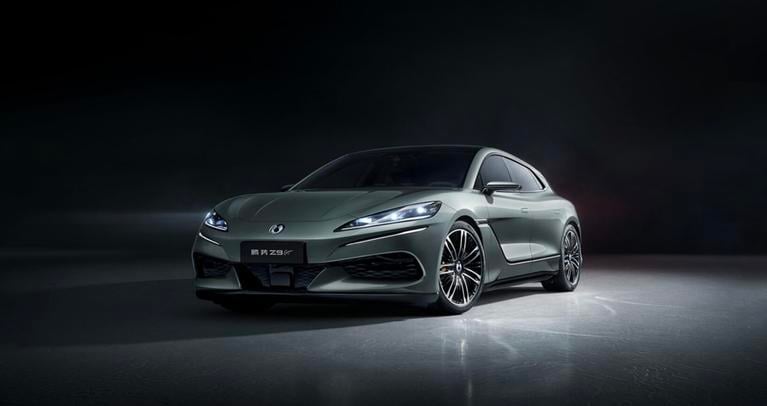
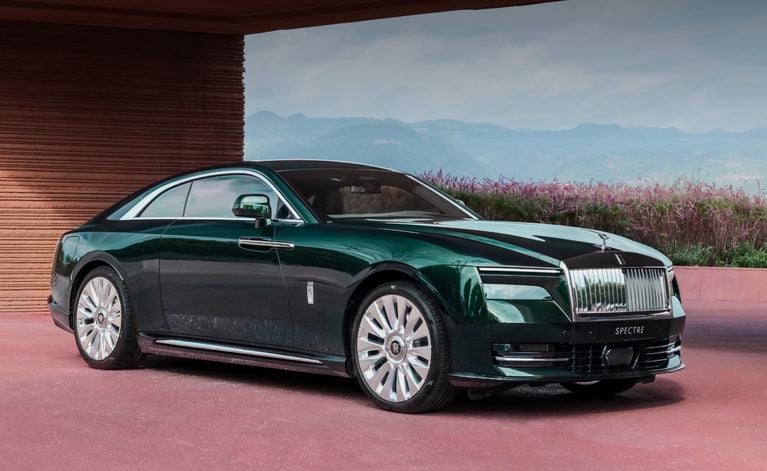
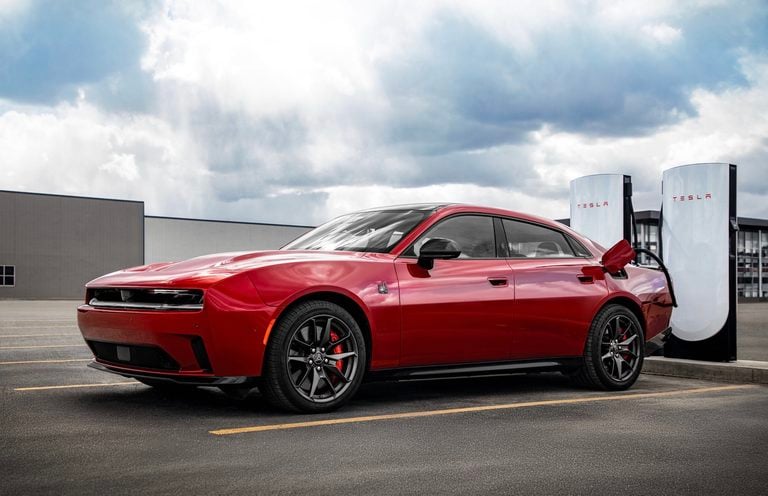
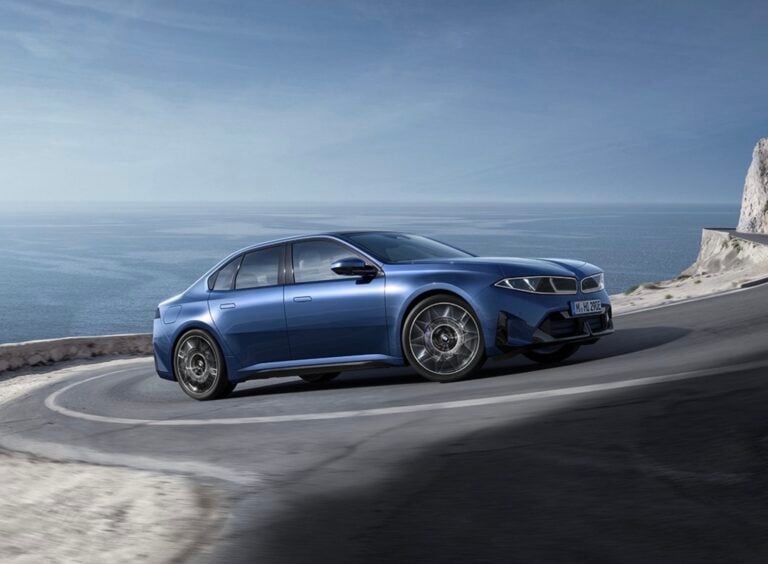
The cancellation notices have been arriving faster than the vehicles they were meant to replace. Automotive News published a tracker this week cataloging the EVs canceled or delayed in 2026 as legacy automakers continue pulling back from all-electric commitments made during the subsidy era. It’s a long list. None of it is surprising if you’ve been following this story since the federal EV tax credit expired on September 30, 2025.
- The Fact: Automotive News is tracking a wave of 2026 EV cancellations and delays as major automakers, including Ford, GM, and Stellantis, formally abandon or push back all-electric product programs.
- The Delta: The combined write-down across Ford, GM, and Stellantis now exceeds $53 billion — the largest EV-related capital destruction in automotive history — all tied to strategies built around government subsidies that no longer exist.
- The Buyer Impact: If you were waiting on a specific all-electric model from a legacy brand, expect a hybrid or range-extended replacement — or nothing at all.
Ford Kills the F-150 Lightning and Its Next-Generation Successor
Ford’s exit from all-electric trucks is the most visible cancellation of the retreat. The company killed the F-150 Lightning in December 2025 as part of a $19.5 billion write-down, simultaneously scrapping its next-generation electric truck project, internally known as T3, which had been planned for Ford’s BlueOval City plant in Stanton, Tennessee starting in 2028. Ford’s Model E division had lost more than $13 billion since 2023 before the final write-down arrived.
The warning signs were months old by then. In November 2025, we reported that Ford executives were actively discussing whether to permanently discontinue the Lightning after the tax credit expiration cratered sales. A week later, Ford refused to provide any timeline for restarting production, a non-answer that said everything. When the December write-down arrived, it just made official what the market had already decided.
Ford’s Tennessee factory, originally built for EV production, has been converted to gas-powered truck manufacturing. The company hired 1,000 workers to boost conventional F-150 and Super Duty output by 50,000 vehicles in 2026.
GM’s Ultium Platform Collapse Takes Several Models With It
General Motors took $7.6 billion in charges in January 2026, with $6 billion tied directly to its Ultium EV platform. The Ultium Cells battery plants in Warren, Ohio and Spring Hill, Tennessee both went into extended idling, affecting more than 2,000 workers across the two facilities. GM has not publicly named every canceled model, but the scope of the Ultium write-down makes clear the company’s all-electric truck and SUV pipeline is significantly narrower than it was two years ago.
GM’s retreat from China added another $1.1 billion to the January charge. Chinese brands now control nearly two-thirds of China’s passenger car market, territory GM spent decades and billions trying to hold.
Stellantis Cancels the Electric Ram 1500 and Walks Back Jeep EV Plans
Stellantis took the biggest single hit: a €22.2 billion ($26 billion) charge announced in February, exceeding the company’s own market capitalization at the time. The fully electric Ram 1500 BEV is gone. In its place: an extended-range truck with a gasoline engine, plus the return of the HEMI V-8 for the Ram 1500 lineup. All-electric Jeep timelines have been pushed back indefinitely.
CEO Antonio Filosa used the February earnings call to describe the charges as “largely the cost of over-estimating the pace of the energy transition.” We covered the full breakdown when it landed: €14.7 billion tied directly to scrapping EV product plans, writing down battery-electric platforms, and projected cash payments on abandoned programs; €2.1 billion to resize the EV supply chain; and €6.5 billion in cash payments due over the next four years to exit those commitments. Stellantis also sold its 49% stake in the NextStar Energy battery joint venture with LG Energy Solution in Canada as part of the exit.
Renault Dismantles Its Dedicated EV Unit
The retreat isn’t limited to Detroit. Renault killed its Ampere EV spinoff in January, reintegrating the electric vehicle and software operations back into the parent company. Ampere was supposed to deliver a €10 billion IPO valuation under former CEO Luca de Meo’s strategy. New CEO François Provost reversed that structure entirely within months of taking over, citing lower-than-expected EV demand and the need to simplify Renault’s corporate structure.
The Tax Credit Expiration Is the Common Thread for U.S. Brands
Every Detroit cancellation on Automotive News’s list traces back to the same date. Congress eliminated the $7,500 federal EV tax credit and the $4,000 used EV credit effective September 30, 2025 through President Trump’s “One Big Beautiful Bill.” EV sales fell 24% in October, the first full month without the credit. By Q4 2025, year-over-year EV sales had collapsed 36%.
The collapse exposed what EVXL has been reporting since the credit’s cancellation was first proposed: most of these vehicles couldn’t hold their value proposition without taxpayer support bridging the gap to gas-powered alternatives. The $28 billion Battery Belt across Indiana, Michigan, Kentucky, and Tennessee — built on the same assumptions — has spent the months since converting to energy storage production or sitting empty.
Morgan Stanley warned of an “EV winter” extending into 2026 in December. That forecast is now looking conservative given the pace of formal cancellations still arriving in March.
The combined legacy automaker write-down across Ford, GM, and Stellantis: approximately $53 billion. The largest EV-related strategic write-down in the history of the automotive industry.
EVXL’s Take
Automotive News’s tracker is useful because it puts the full list in one place. But the list itself isn’t news anymore. It’s accounting. We’ve been documenting each of these cancellations as they happened, starting with Ford’s Lightning discussions in November 2025 and running through Stellantis’s record-breaking charge in February. The only thing that’s changed is the pace: more cancellations keep arriving as automakers finish the internal audits of which products can survive without subsidies.
The honest version of this story is that most of these vehicles should never have been committed to production at the prices they required. A $70,000 electric pickup that needed $7,500 in federal money to compete with a $48,000 gas truck was a policy outcome, not a product. When the policy ended, so did the product.
What does concern me going forward: the cancellations are concentrating at the entry and mid-range levels, exactly where mass adoption actually happens. Scout Motors just showed that 87% of its 160,000 reservation holders chose the range-extended version over full electric. That’s not a fluke. Buyers want the flexibility. Legacy brands walking away from affordable BEVs entirely leaves that space to Tesla at the high end and, eventually, Chinese imports if trade policy shifts.
In February, we put a specific prediction on record: the total industry EV write-down hits $100 billion by year-end as Volkswagen and BMW complete their own restructuring charges. The pace of announcements since then has only made that figure more likely, not less. I’ll add to it now: the Automotive News cancellation tracker adds at least four more entries before the end of Q2 2026. European brands are still working through their own subsidy-era commitments, and at least one more Detroit program gets formally discontinued before summer.
Source: Automotive News — “Here are the EVs canceled or delayed in 2026 as automakers pull back” (March 13, 2026)
Editorial Note: AI tools were used to assist with research and archive retrieval for this article. All reporting, analysis, and editorial perspectives are by Haye Kesteloo.
Discover more from EVXL.co
Subscribe to get the latest posts sent to your email.