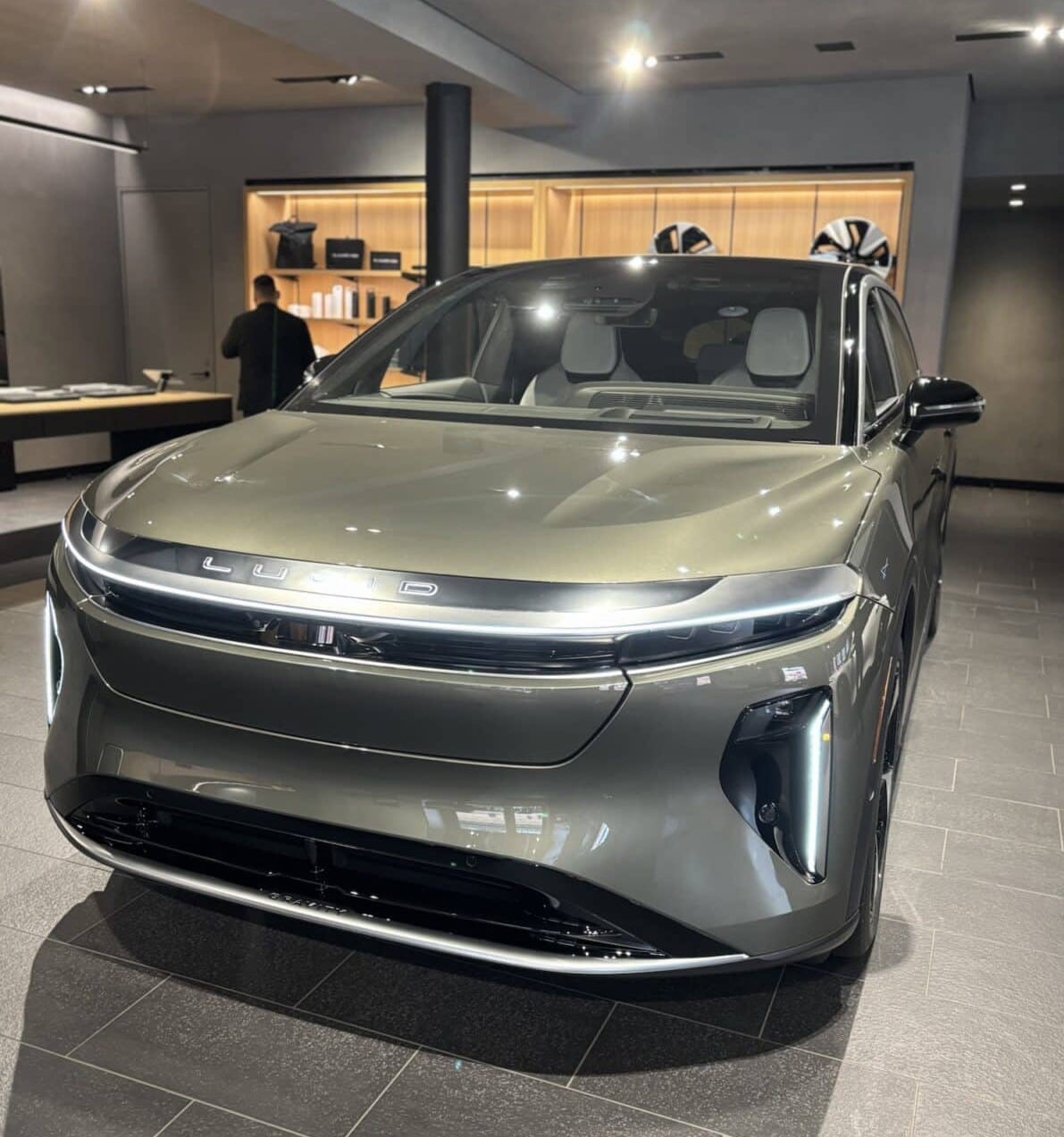
The timing is deliberate. One day before its investor day in New York City, Lucid Motors announced a software update rolling out to North American Lucid Gravity owners that enables Apple CarPlay and Android Auto. Owners in Europe and the Middle East follow in late March, according to Lucid’s March 11 investor relations announcement. The investor day itself took place March 12 in New York.
- The Fact: Lucid began rolling out CarPlay and Android Auto to Gravity SUV owners in North America on March 13, 2026, with European and Middle Eastern owners following in late March.
- The Delta: Both features were already available on the Lucid Air sedan. Their absence at Gravity launch was a notable gap that contributed to a software crisis serious enough for Lucid to publicly acknowledge the failures and reorganize its software leadership.
- The Buyer Impact: If you’ve been holding off on a Gravity purchase due to software concerns, this update is a meaningful signal, but one software update doesn’t erase a pattern of post-launch issues.
Gravity’s Software Problems Made CarPlay a Symbol, Not Just a Feature
The Lucid Gravity SUV launched with a software experience that fell short of what Lucid Air owners had come to expect. CarPlay and Android Auto were already standard on the Air sedan, so their absence on a newer, more expensive SUV read as a regression. The software problems ran deeper than missing phone mirroring. Lucid issued a public acknowledgment of the failures and reorganized its software leadership before announcing a broader 12% workforce reduction last month, which we covered when 319 Newark jobs were formally disclosed via a WARN notice.
Delivering CarPlay and Android Auto now doesn’t rewrite that history. It does show the team is working through its backlog.
Investor Day Puts the Software Story in a Larger Frame
Lucid’s investor day agenda covered six sessions: Lucid Air and Gravity sales momentum, the mid-size EV platform, L4 autonomy strategy, a financial roadmap, a profitability overview, and a fireside chat on the robotaxi partnership with Uber. That robotaxi partnership, which we first reported in July 2025 when Uber invested $300 million in Lucid alongside partner Nuro, is now being positioned as a commercial timeline story rather than a future concept.
The mid-size platform is the more consequential item for near-term sales. The Gravity Touring launched at $79,900, a price cut aimed at expanding the buyer pool, but the real volume opportunity for Lucid has always been a more affordable vehicle. What the company says about platform timing and production cost targets will matter more to investors than any software changelog.
Profitability remains the central question. Q4 2025 beat revenue and production guidance estimates, yet the stock still dropped 6% — a sign that markets want a concrete path to positive margins, not just beats against low expectations.
Europe Deliveries Already Running Late
The “late March” software timeline for European Gravity owners arrives in context: European Gravity deliveries only started in Switzerland in late February, six weeks behind the original January target. European buyers are getting cars and CarPlay in close succession, which is better than a prolonged wait. The pattern of delays is worth noting for anyone evaluating Lucid’s operational execution.

EVXL’s Take
Shipping CarPlay the day before investor day isn’t a coincidence. It’s a message. Lucid is telling the room in New York that the software crisis is being managed. That’s fair enough, and the update is genuinely good news for Gravity owners who’ve been waiting.
But here’s the problem I keep coming back to: the Air had CarPlay before the Gravity launched. The Gravity is a newer, pricier vehicle that shipped without it and then needed months to catch up. That sequence, launch first and fix later, is exactly the pattern that erodes buyer confidence in a brand that can’t afford to lose any. Morgan Stanley put Lucid on a Sell rating citing an “EV winter” entering 2026. Delivering CarPlay won’t change that call.
What will matter is what Lucid actually said about the mid-size platform timeline and cost per vehicle. If they can show a credible path to a $50,000-range product with competitive margin structure by 2027, the software stumbles become a footnote. If investor day was vague on specifics, expect the stock to behave exactly like it did after Q4 earnings: beat the bar, drop anyway. I’ll be watching whether they commit to a specific city and date on the Uber robotaxi launch window or keep it broad.
Editorial Note: AI tools were used to assist with research and archive retrieval for this article. All reporting, analysis, and editorial perspectives are by Haye Kesteloo.
Discover more from EVXL.co
Subscribe to get the latest posts sent to your email.