

Volvo · US Government
Senate Chinese Car Bill Has 60 Cosponsors and a Reported Volvo Fix
Senators want a December voice vote on S.4429. A reported revision eases the ownership test for Volvo and Mercedes and keeps EV batteries out.
Volvo's EV transition, tracked without fandom: the 2025 sales slide month by month, the tariff scramble that moved EX30 production to Belgium, the walked-back 2030 electrification target, and the EX60 bet to reverse course.
Senators want a December voice vote on S.4429. A reported revision eases the ownership test for Volvo and Mercedes and keeps EV batteries out.
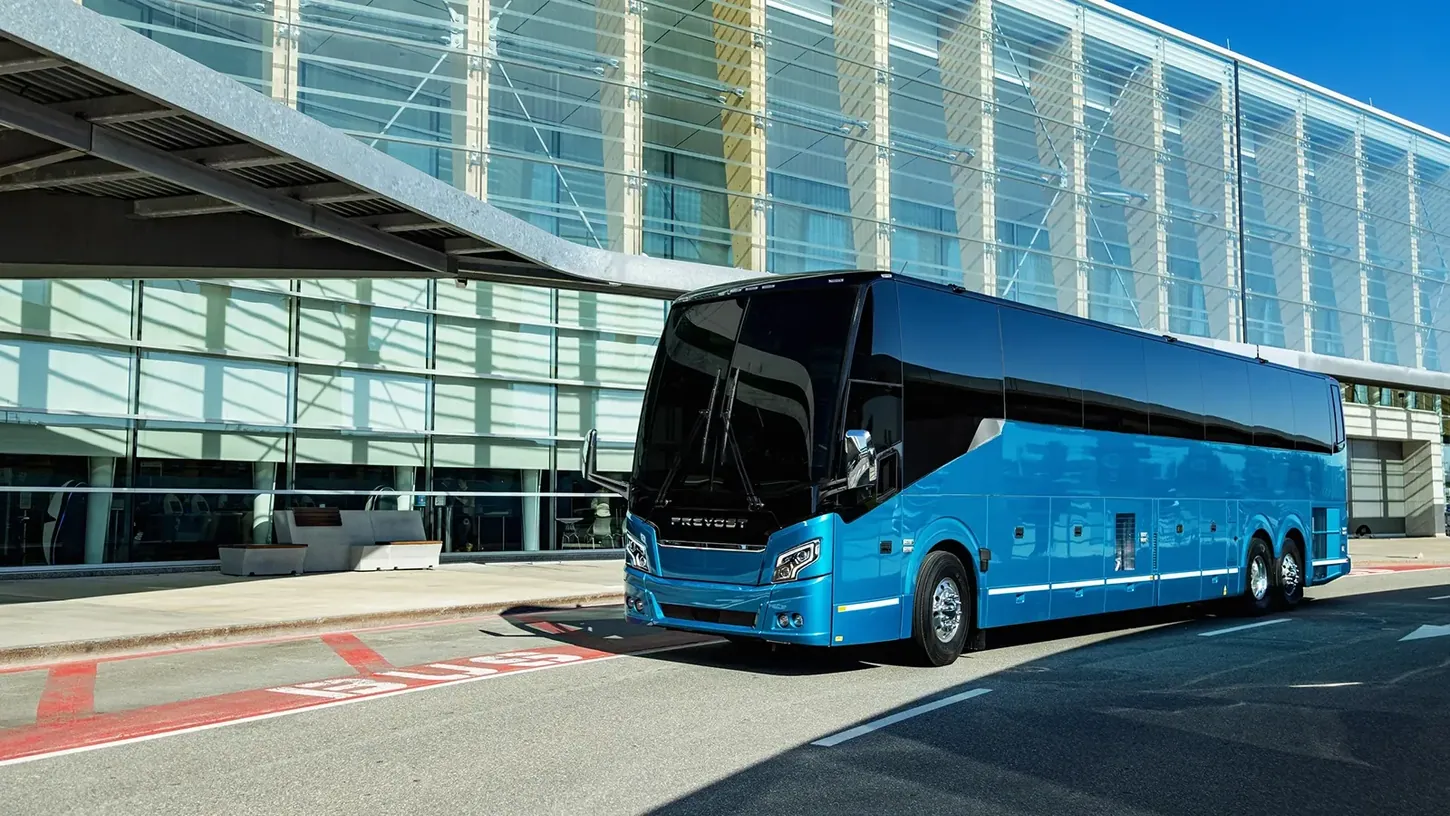
Prevost has launched the H3-45 Electric in North America, a zero-emission motorcoach with a 450 kW Volvo dual-motor drivetrain and 459 kWh of usable battery.
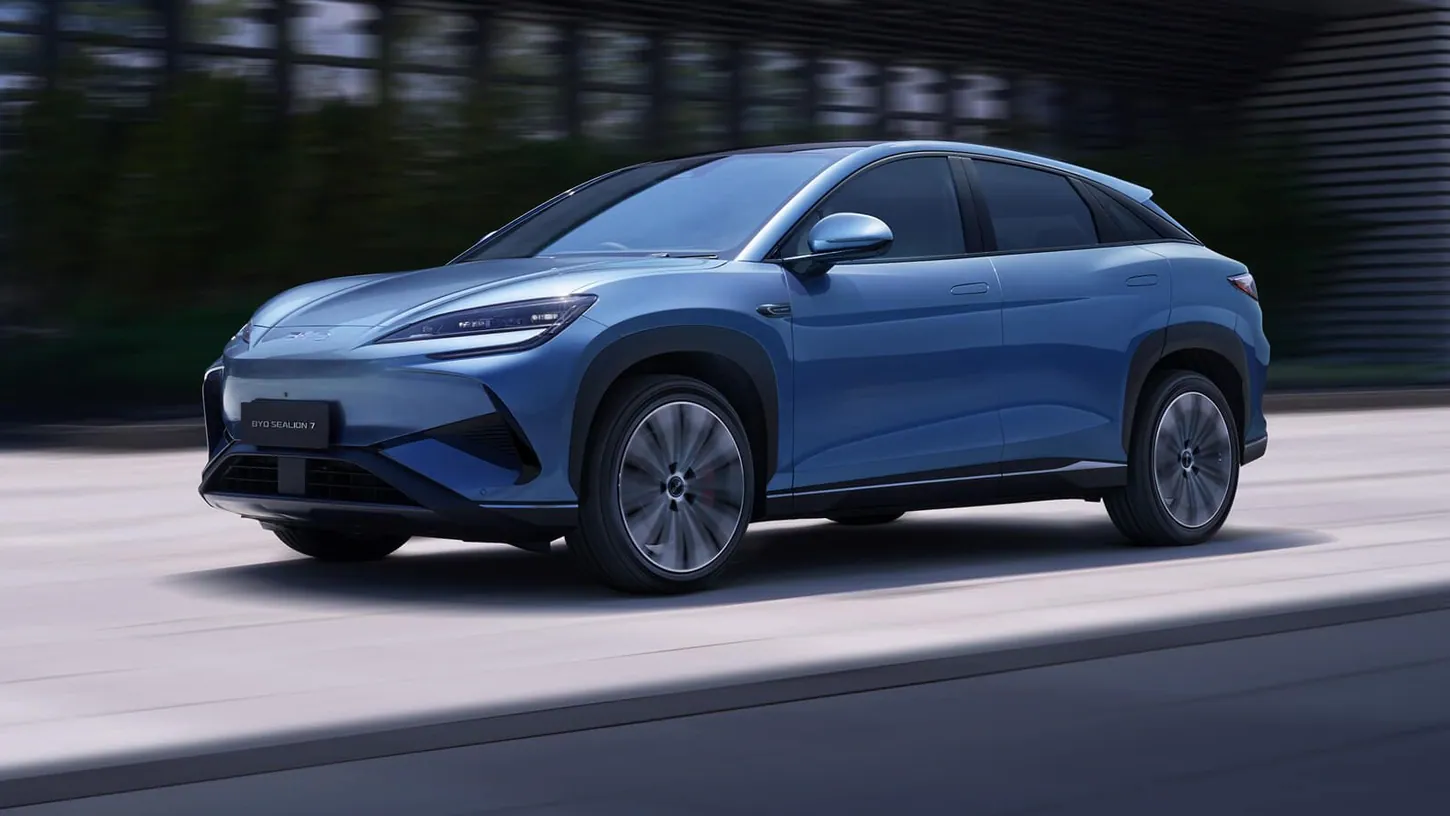
EVs outsold petrol in Australia for a third month, led by China-built models, as US automakers push Congress to ban Chinese cars for good.
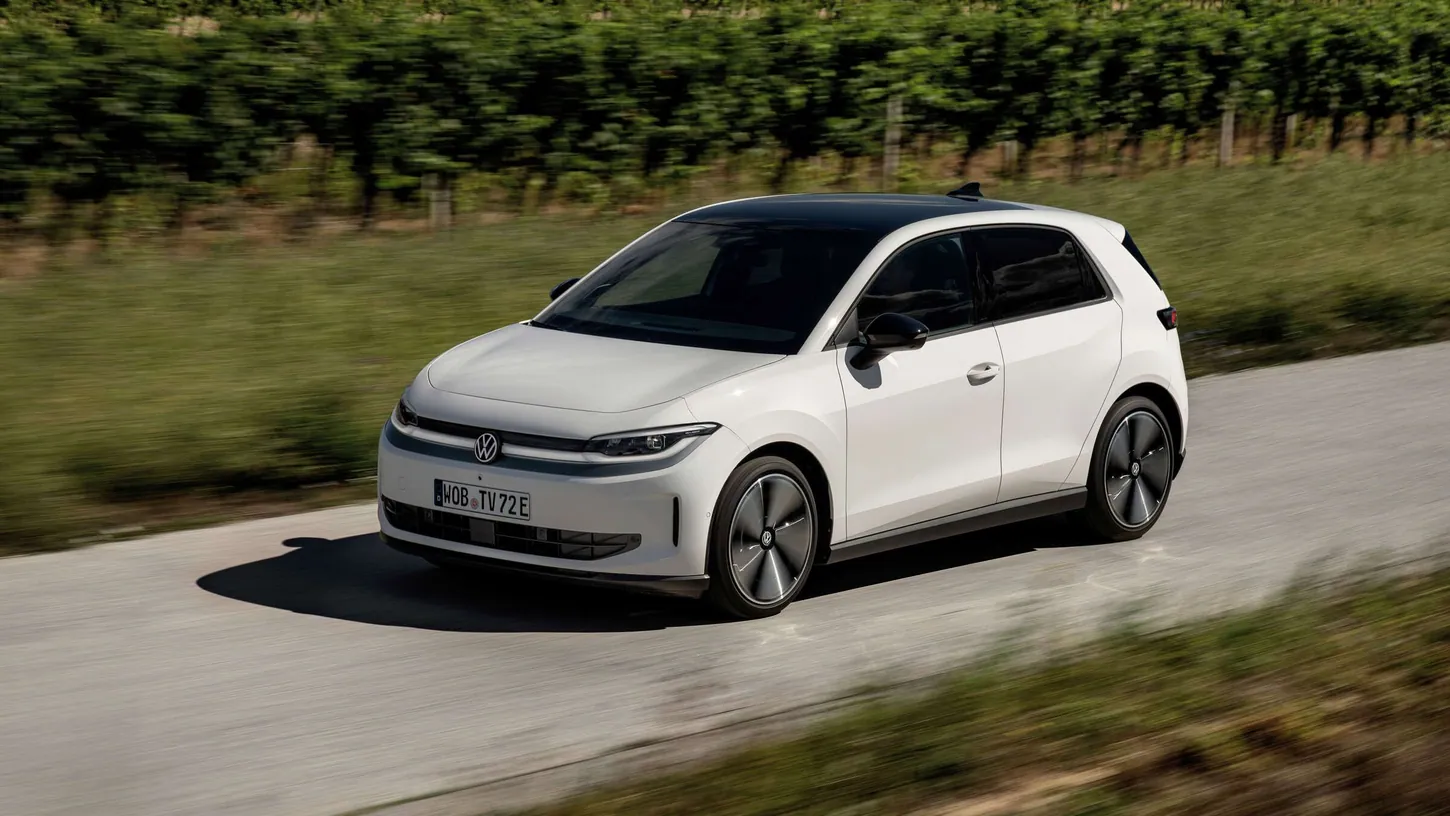
EU EVs outsold gas and diesel cars combined in August, 196,486 to 179,219, as diesel fell to 6.4%. Volvo's sales chief calls it the end of diesel.

BMW unveiled the all-electric iX5 on June 30, 2026, alongside the rest of its fifth-generation X5 lineup at the company’s “Home of X” event at Plant Spartanburg, South Carolina. The iX5 60 xDrive will be the first fully electric BMW built in the United States, with production at Spartanburg starting later this year and customer…

Geely will ship its first Lotus electric vehicles to Canada in July, with a delivery ceremony planned in Montreal, China’s ambassador to Canada Wang Di told Reuters on Friday, June 26. The Lotus Eletre SUVs are the first Chinese-owned and Chinese-built cars sold to Canadian buyers under the quota Prime Minister Mark Carney agreed with…

Polestar will stop selling new cars in the United States starting with the 2027 model year after the Commerce Department’s Bureau of Industry and Security declined to grant it authorization under the Connected Vehicle Rule. The Swedish brand announced the decision on Thursday, June 25. It is the first automaker pushed out of the American…

New research published in The China Journal dismantles the story Washington tells itself about China’s electric vehicle rise. Political scientists Fengming Lu and Xiao Ma argue the boom was never engineered by a Beijing master plan. It grew from alliances between ambitious second-tier city governments and private carmakers that central regulators had locked out of…
Volvo spent 2025 explaining a sales slide, and 2026 trying to reverse it. EVXL covers both halves without the fandom: the numbers as Volvo reports them, and the products it’s betting will change them.
The decline showed up month after month. April sales fell 11% overall, with electric models like the ES90 down 32%. May brought another 12% drop, with fully electric sales off 27%. June made it a fourth straight down month, EV sales sinking 26%. Weeks earlier, CEO Hakan Samuelsson had already warned that a proposed 50% US tariff on European imports would make exporting the EX30 “almost impossible”, and the company followed through with 3,000 job cuts (1,200 in Sweden, 1,800 consultants worldwide) after a 60% plunge in first-quarter operating income.
The tariff exposure was structural, not incidental: Volvo had been building the EX30 in Zhangjiakou, China, and moved production to Ghent, Belgium in a €200 million overhaul to dodge EU duties on Chinese-built EVs, a plant that also let Volvo pull the EX30’s US launch forward to late 2024. None of it came free: the EX30 that once targeted a $35,000 China-built price now starts at $46,195 built in Belgium. Against that backdrop, Volvo’s electrification pledge softened too: the original 100%-electric-by-2030 goal was walked back to 90-100% electrified (EVs plus plug-in hybrids) as the market failed to keep pace with the company’s ambitions, a target Volvo reaffirmed again weeks later alongside a cut sales-growth forecast.
The response has been to widen the lineup rather than narrow it. Volvo became the first automaker to build Google Gemini into its infotainment system, and paired hybrid pragmatism with electric ambition by reviving the XC70 nameplate as a plug-in hybrid with 125 miles of electric range, a bridge for buyers not ready to go fully electric. The bigger swing came in January 2026, when Volvo unveiled the EX60 on its all-new SPA3 platform, claiming up to 400 miles of range and a native NACS port for direct Tesla Supercharger access, a vehicle built, explicitly, to answer the year of declining numbers that preceded it.
Volvo’s European production shift and tariff exposure connect directly to the Europe desk, where the Ghent buildout and EU-China trade tensions get tracked alongside the rest of the region’s EV makers. Every Volvo story lands in the feed below.
Three consecutive reported months in 2025 (April, May, June) showed double-digit overall declines, with EV-only sales down even further each time (32%, 27%, 26%). Volvo has pointed to US tariffs, cooling EV demand across Europe, the US and China, and rising competition from Chinese automakers.
It backed off, but didn't abandon it. The original goal of 100% electric sales by 2030 was downgraded to 90-100% electrified (a category that includes plug-in hybrids), with Volvo's head of global sustainability saying in September 2024 that 'the market's not really with us.' Volvo reaffirmed that softer target again the following month.
Moving EX30 production to Ghent, Belgium to dodge EU tariffs on Chinese-built cars, becoming the first automaker to integrate Google Gemini into its infotainment system, launching a plug-in hybrid bridge model (the XC70, with 125 miles of electric range), and unveiling the longer-range EX60 in January 2026 with a native NACS port for Tesla Supercharger access.
One email with the EV news that matters — Tesla, Rivian, BYD, and everything in between, straight from the newsroom. No spam, no fluff.