Australians bought more battery electric cars than petrol-only cars in October, the third month in a row that EVs have beaten petrol there. The country’s new-car buyers took delivery of 24,845 EVs and 23,605 petrol cars, and its two best-selling EVs both came from factories in China.
Add hybrids and plug-in hybrids and electrified vehicles took 51.2% of Australia’s market, more than twice the US rate. Neither BYD nor Geely can sell its own-brand cars in America, and the main US automaker lobby wants Congress to keep it that way permanently before the current session ends on January 3.
Chinese Factories Built Australia’s Best-Selling EVs
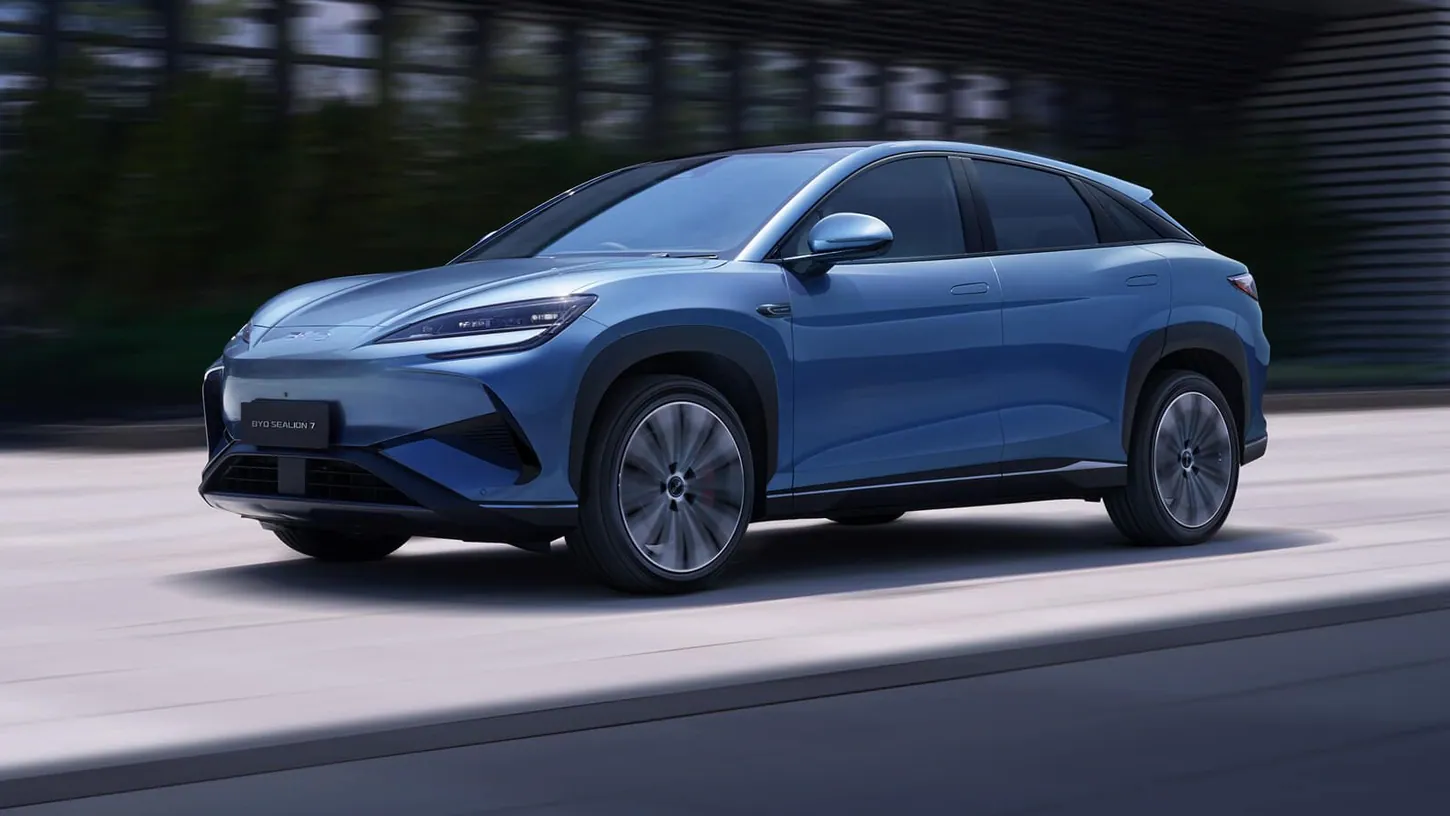
The Tesla Model Y led Australian EV sales in October with 3,105 deliveries, ahead of the BYD Sealion 7 at 2,524. Both are built in China. China supplied 36.3% of new vehicles in the industry’s VFACTS count, against Japan’s 23.3%.
BYD’s China-built Atto 2 added 1,943 across its battery and plug-in hybrid versions. Tesla ships Australia’s Model Y from its Shanghai plant, as Hawaii Public Radio noted in its report on the boom. The Federal Chamber of Automotive Industries’ October report counts 103,325 sales, and the Electric Vehicle Council adds 4,168 Tesla and Polestar deliveries, for a full market of 107,493. BYD, which set a global EV sales record in October, sold 10,025 vehicles in Australia. Only Toyota, at 20,649, sold more. China first passed Japan as Australia’s largest source of new vehicles earlier this year.
Petrol car sales fell 35.9% from October 2025. Diesel still edged out EVs as the single biggest fuel type, taking 23.9% of sales to the EVs’ 23.1%, GoAuto calculated from the combined figures. A year ago, EVs held 7.3%. The mostly diesel Toyota HiLux ute was the best-selling vehicle overall at 5,954.
The Electric Vehicle Council credits two federal policies, the Electric Car Discount and the New Vehicle Efficiency Standard. “EV sales are soaring because Australians are voting with their wallets,” council CEO Julie Delvecchio said.
America’s Electrified Share Is Less Than Half Australia’s
Electrified vehicles of every type made up 23% of new US light-duty sales in the third quarter of 2026, according to the US Energy Information Administration, against Australia’s 51.2% in October. Battery EVs alone took 6% in the US and 23.1% in Australia.
The periods differ, a US quarter against an Australian month, but the gap is too wide for timing to explain. The EIA puts US battery EV share at 10% in the third quarter of 2025, which ended the day the federal Clean Vehicle Credit expired. Hybrids, which never qualified for it, now carry most of America’s electrified total at 16% of sales.
Congress Has Until January 3 To Make The Chinese Car Ban Permanent
The Connected Vehicle Security Act would bar internet-connected cars and light trucks from China, Russia, Iran and North Korea from the US starting January 1, 2027. It also covers automakers in which those countries, or people and companies tied to them, own or control more than 15%.
Senators Bernie Moreno (R-Ohio) and Elissa Slotkin (D-Mich.) lead the Senate bill, which the Commerce Committee advanced July 22 and which has 57 cosponsors from both parties. Representatives John Moolenaar and Debbie Dingell carry the House version, which had 146 cosponsors as of November 7, according to the Daily Caller. The full Senate had not voted as of that date.
Two executive measures already keep Chinese cars out. Chinese-built EVs face tariffs above 100%, starting with the 100% Section 301 duty imposed in 2024, and a Commerce Department rule finalized in January 2025 bars Chinese connected-car software from model year 2027 and hardware from 2030. That rule already pushed Polestar out of the US market in June, even though its Polestar 3 is built in South Carolina. A future administration could rewrite the rule or lower the tariffs. A statute would take another act of Congress to undo, and it adds the 15% ownership test.
The Alliance for Automotive Innovation, whose members include General Motors and Toyota, urged lawmakers on November 2 to pass the bill during the lame-duck session, Reuters reported. CEO John Bozzella cited “the obvious national security risk and China’s pattern of unfair behavior.” The ownership threshold has drawn objections from Sen. Rand Paul, who argued it could catch Mercedes-Benz, where Chinese investors hold passive stakes of close to 20%.
EVXL’s Take
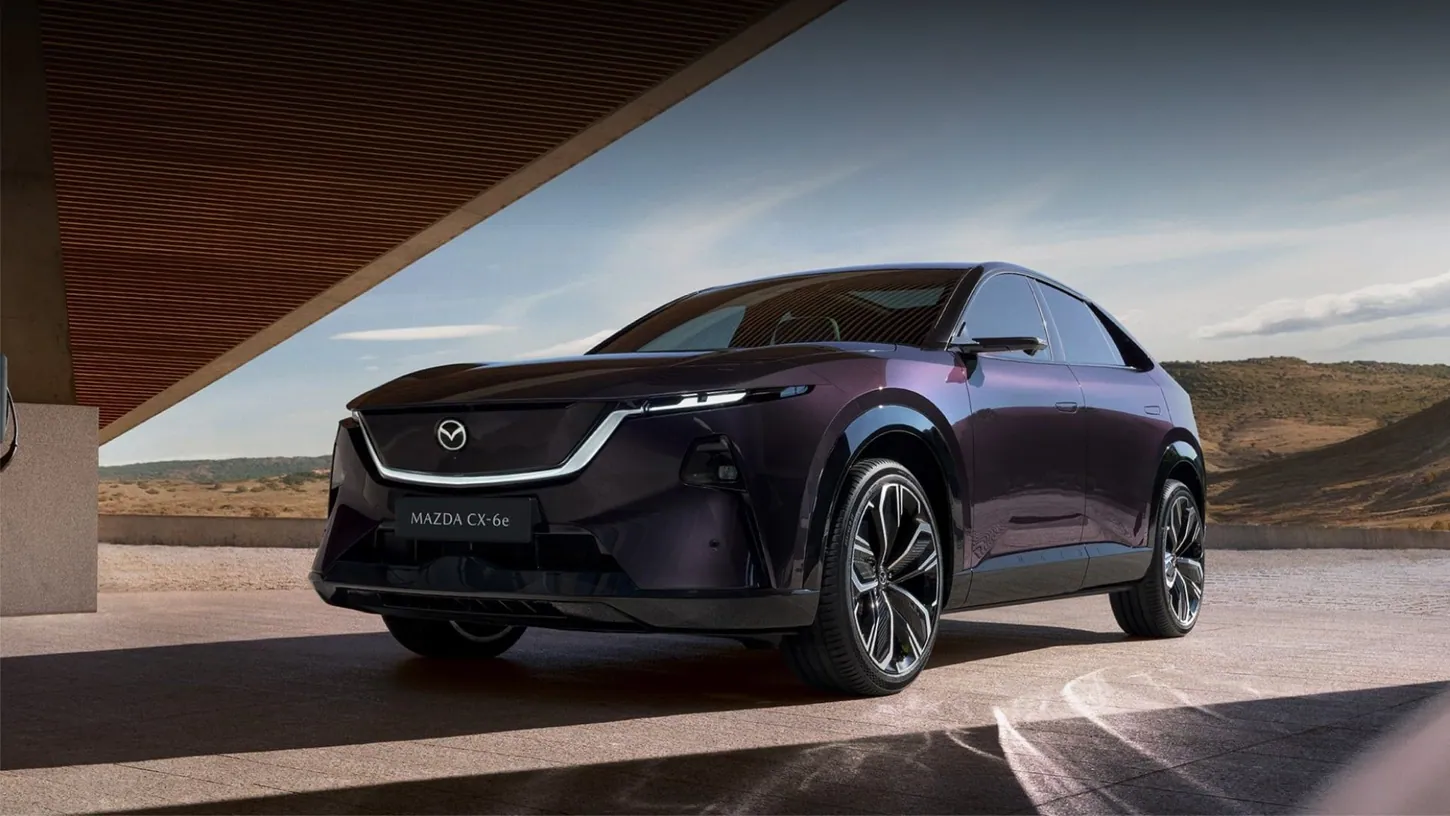
Australia shows what an open market does with these cars, and Americans are being told they can’t have that. The data risk is legitimate, because a connected car can send camera and location data to whoever writes its software. The Commerce rule already handles that case by case, which is how Volvo kept selling here while Polestar left. My read is that making the ban permanent protects incumbents, not drivers, and it arrives while US battery EV share sits at 6%. In March, I reported a Cox Automotive survey in which 40% of US consumers supported Chinese brands entering the market. Canada had already opened its market to 49,000 Chinese EVs a year in January. American buyers are paying for this policy with fewer cheap EVs, and Congress should make the incumbents compete for them instead.
Sources: Hawaii Public Radio, FCAI, Electric Vehicle Council, GoAuto, US Energy Information Administration, Daily Caller, Reuters via Claims Journal.
EVXL uses automated tools to support research and source retrieval. All reporting and editorial perspectives are by Haye Kesteloo.