The Senate bill that would write the U.S. block on Chinese-connected cars into law is close to a floor vote. Sens. Bernie Moreno (R-Ohio) and Elissa Slotkin (D-Mich.) want the Connected Vehicle Security Act passed by voice vote in December and then pushed through the House before this Congress ends, Politico reported on Thursday, November 26.
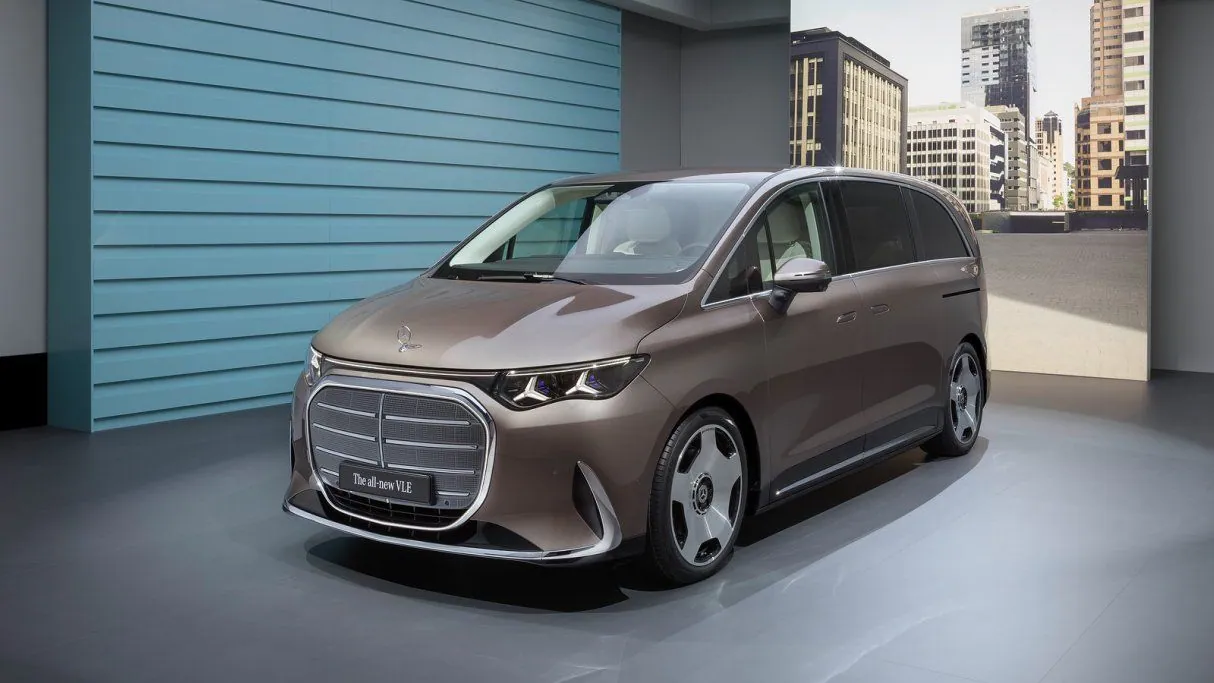
The bill has 60 cosponsors on top of Moreno, 39 Republicans and 21 Democrats, including Democratic leader Chuck Schumer and Republican whip John Barrasso. The revision now being finished reportedly eases a rule that would have kept Volvo and Mercedes-Benz out of the U.S. market.
The Revised Bill Eases the Ownership Rules That Caught Volvo and Mercedes
The committee-approved bill bars U.S. sales by carmakers more than 15% owned or controlled by Chinese interests. According to Politico, as summarized by Digital Trends and Seoul Economic Daily, the compromise eases the ownership rules so both companies can keep selling here.
Seoul Economic Daily puts Chinese ownership at about 80% of Volvo and about 20% of Mercedes. The 15% test is in the text the committee reported on September 22, along with a 25% test for suppliers of vehicle software and connectivity hardware. Volvo already holds a Commerce Department authorization, granted in May, to keep selling under the current rule. That text names China, Russia, Iran and North Korea, and it counts machine-learning and other AI components in driving systems as covered software.
The reports say the deal keeps EV batteries out and covers only the battery management systems that monitor and control them, which keeps Ford’s licensing deal for CATL battery technology intact. That is not new: the reported text already limited the battery rule to electronics that “directly enable or control the monitoring, management, security, or external communication” of the battery.
Congress.gov lists no new text or amendment. The latest action on S.4429 is still the committee report of September 22, which put it on the Senate calendar.
Automakers Want in Law What the Commerce Department Already Enforces
The auto industry wants in statute what the Commerce Department already enforces by rule. Chinese cars are kept out by 100% tariffs and Commerce’s Connected Vehicle Rule, which bans Chinese and Russian software from model year 2027 and hardware from 2030 and forced Polestar out of the U.S.
The Alliance for Automotive Innovation, whose members include Ford, GM, Stellantis, Mercedes-Benz and Volvo, told Politico it is “very supportive.” Digital Trends reports that Moreno said on Monday that the sponsors are “basically done with the bill.” Seoul Economic Daily says the industry wants the limits in law so it can plan parts sourcing for years ahead.
Politico also noted that a vote could add friction to U.S.-China talks on extending a trade truce that expires in January.
EVXL’s Take
This bill changes little about which cars you can buy, because the Commerce rule already decided that. The bill matters for its exceptions. Seoul Economic Daily says the ownership rules were eased after pushback from the auto industry, so Volvo and Mercedes stay in, and batteries stay out, which protects Ford’s CATL license. I support keeping Chinese state-linked software out of the cameras and modems in American cars. My worry is that a law with exemptions shaped by the automakers already selling here protects incumbents more than drivers. Watch the revised text when it is filed. If the ownership test gets a waiver process instead of a clear number, the next Polestar will be decided by the Commerce Department again, case by case.
Sources: Politico, Digital Trends, Seoul Economic Daily, S.4429 as reported (GovInfo), Congress.gov: S.4429
EVXL uses automated tools to support research and source retrieval. All reporting and editorial perspectives are by Haye Kesteloo.