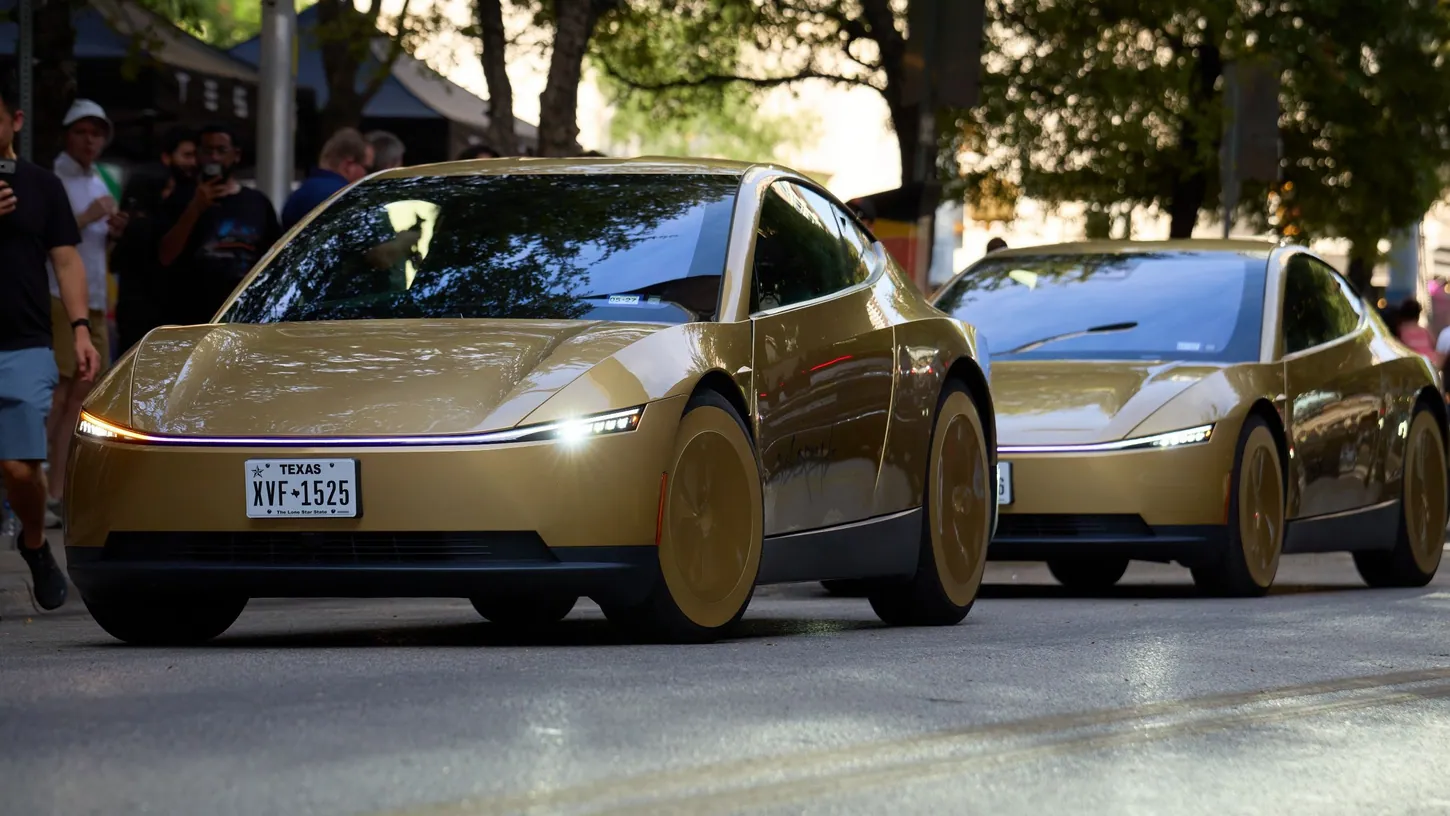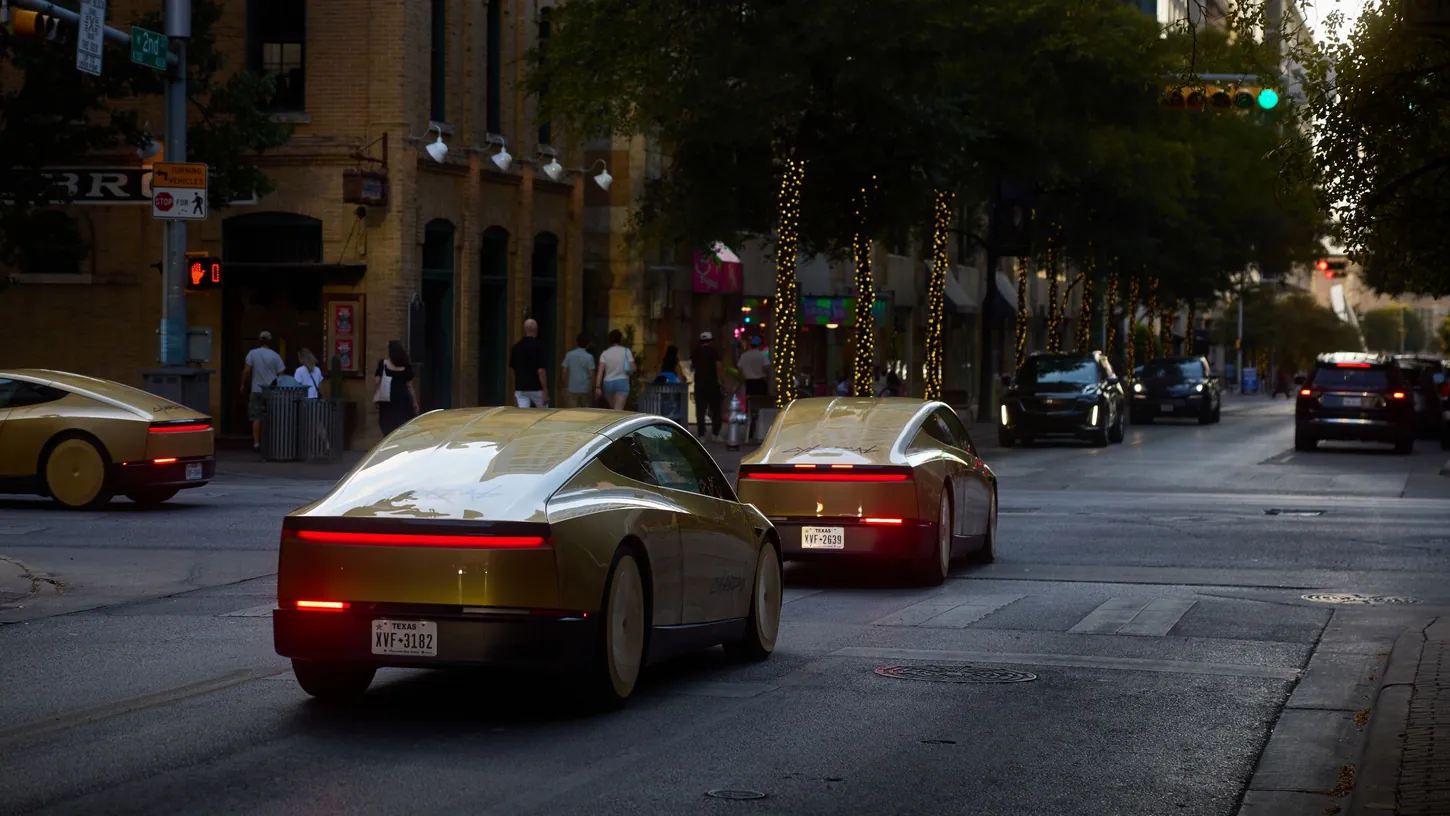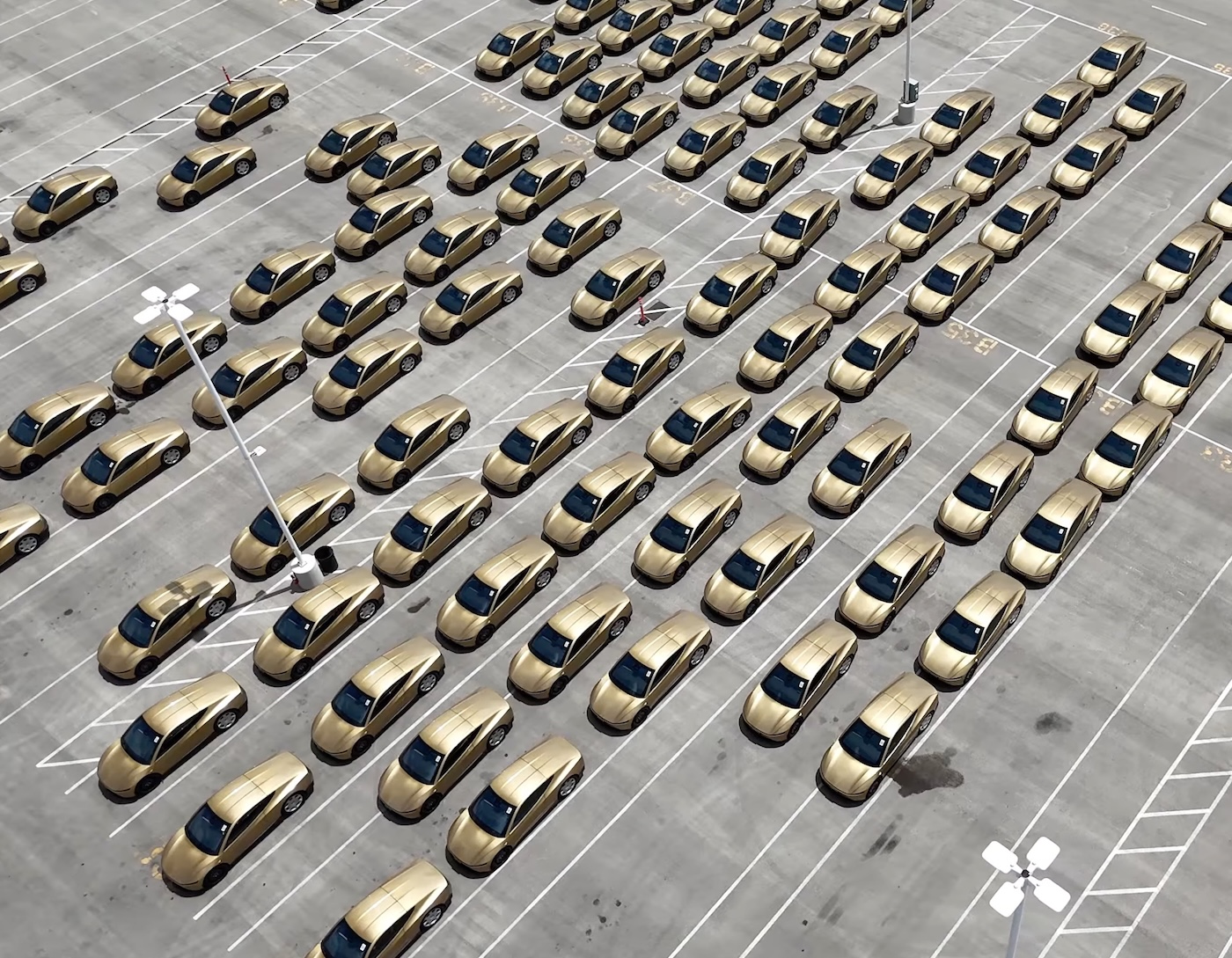
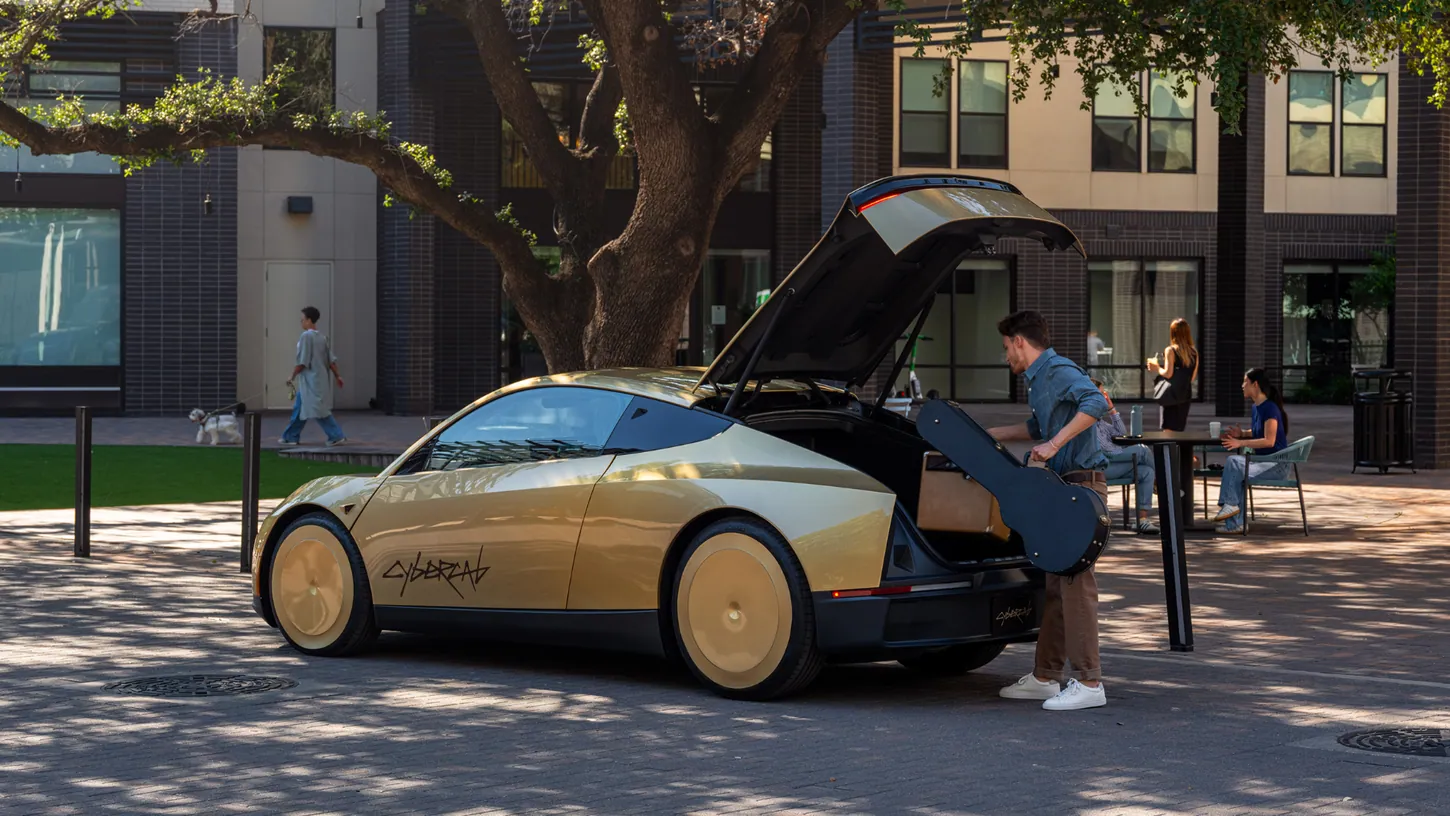
Tesla reported eight Cybercab crashes from August and September to federal regulators, according to data the National Highway Traffic Safety Administration (NHTSA) updated on November 16th. In the four where the Cybercab was driving itself, it was going 5 mph (8 km/h) or less.
The fastest crash happened at 53 mph on a highway in Philadelphia, with a person in the car to supervise. We don’t know how it happened as Tesla asked NHTSA to keep its description of the crash private, so the public report doesn’t say.
The Self-Driving Crashes Were Parking-Lot Speed
All four of the self-driving crashes took place in Austin, and NHTSA’s data lists no injuries in any of them. In two, the Cybercab was stopped, a pickup rear-ended one, and a car backing out of a parking spot hit another.
No other vehicle was involved in the other two. One drove into a water-filled pothole at up to 5 mph with a safety monitor aboard, and the other, with a rider aboard, crossed a sidewalk and went down a curb at up to 3 mph, Tesla’s report says.
The 53 MPH Crash Happened With Driver Assistance On
The other four happened in September with Tesla’s Level 2 driver-assistance system engaged, which NHTSA says requires the human driver to stay fully engaged. Tesla lists an “In-Vehicle (Commercial / Test)” operator and marks all four as testing. The public data doesn’t say whether these cars had a steering wheel and pedals fitted. NHTSA describes the Cybercab as a vehicle “lacking traditional human controls,” but EVXL has reported on test cars with temporary steering wheels.
At 2:19 a.m., a Cybercab going 53 mph (85 km/h) on a Philadelphia highway collided with a passenger car. That is the speed the report gives before the crash, not at impact. The other car’s airbag deployed, both were towed, and the injury field reads as “Unknown.” In Austin, a Cybercab moving at 5 mph on a highway collided with an SUV, and the report lists an alleged minor injury with hospitalization.
Tesla claimed the descriptions of all four as confidential business information, which NHTSA says it is legally barred from releasing. That is routine for Tesla, the description is redacted in every one of its more than 2,400 Level 2 reports in NHTSA’s current file. This doesn’t mean much though as other automakers, for example BMW and Subaru, redact theirs too. The reports don’t say who was at fault in any of the eight crashes, and NHTSA cautions that the data may be incomplete or unverified.
Tesla’s Zero-Injury Count Leaves Out Supervised Miles
Tesla’s Robotaxi safety report shows zero people injured by Robotaxi over 3.1 million autonomous miles through October 18th. Tesla says human drivers would have had about 9.1 collisions in which someone was injured over the same miles driven in Texas. Tesla says the report only covers crashes with Robotaxi “driving autonomously with no safety monitor in the vehicle,” and leaves out miles driven with a safety monitor “in an effort to focus on autonomous driving alone.” So none of the four driver-assistance crashes count, and neither does the pothole crash, which had a safety monitor aboard.
Separately, NHTSA is checking whether the Cybercab meets federal safety rules. In the U.S., automakers certify their own cars, and on September 4th NHTSA announced an audit of how Tesla certified the Cybercab. Tesla answered the agency’s 21 questions on October 30th and asked to keep all of its answers private, as an earlier EVXL article reported. NHTSA has not found the car out of compliance.
EVXL’s Take
Is the Cybercab safe? At city speeds, I think the public data says yes. In half its self-driving crashes it was standing still, and the other two happened at 5 mph or less.
At highway speed, the public can’t tell. NHTSA’s file gives the speed and the basics of the Philadelphia crash, but not how it happened, because Tesla asked to keep that part private. Highways are also where Waymo struggled, it pulled its cars off highways in May, brought them back in July after a software fix, and stopped freeway rides again after a California order took effect on November 11th, as I reported. If Tesla wants riders to trust the Cybercab at highway speed, it should say what happened in Philadelphia. Until it does, riders are left to guess.
Sources: NHTSA crash data, Tesla Robotaxi safety report, NHTSA audit
EVXL uses automated tools to support research and source retrieval. All reporting is by Damien Kesteloo, edited by Haye Kesteloo.