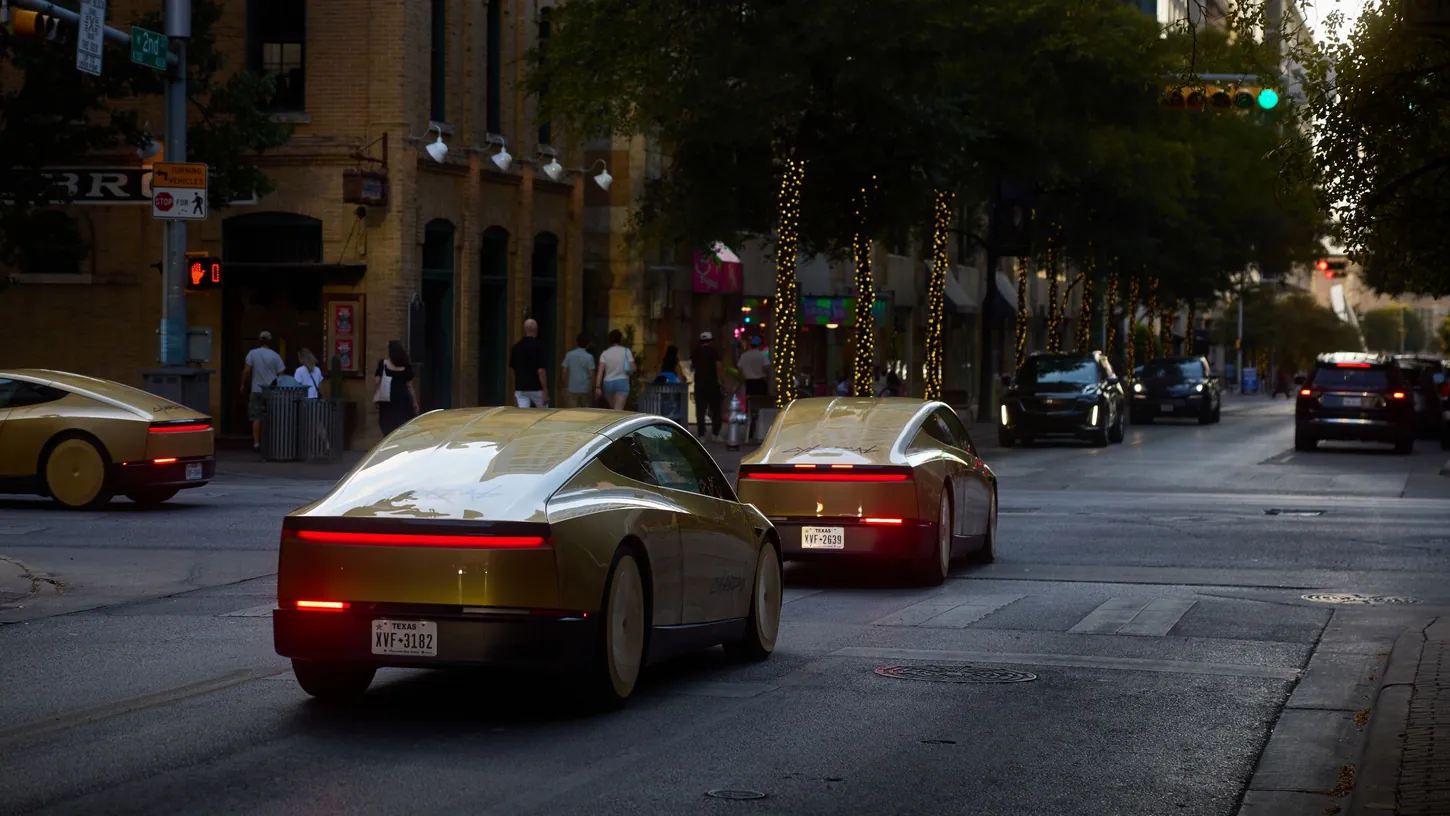
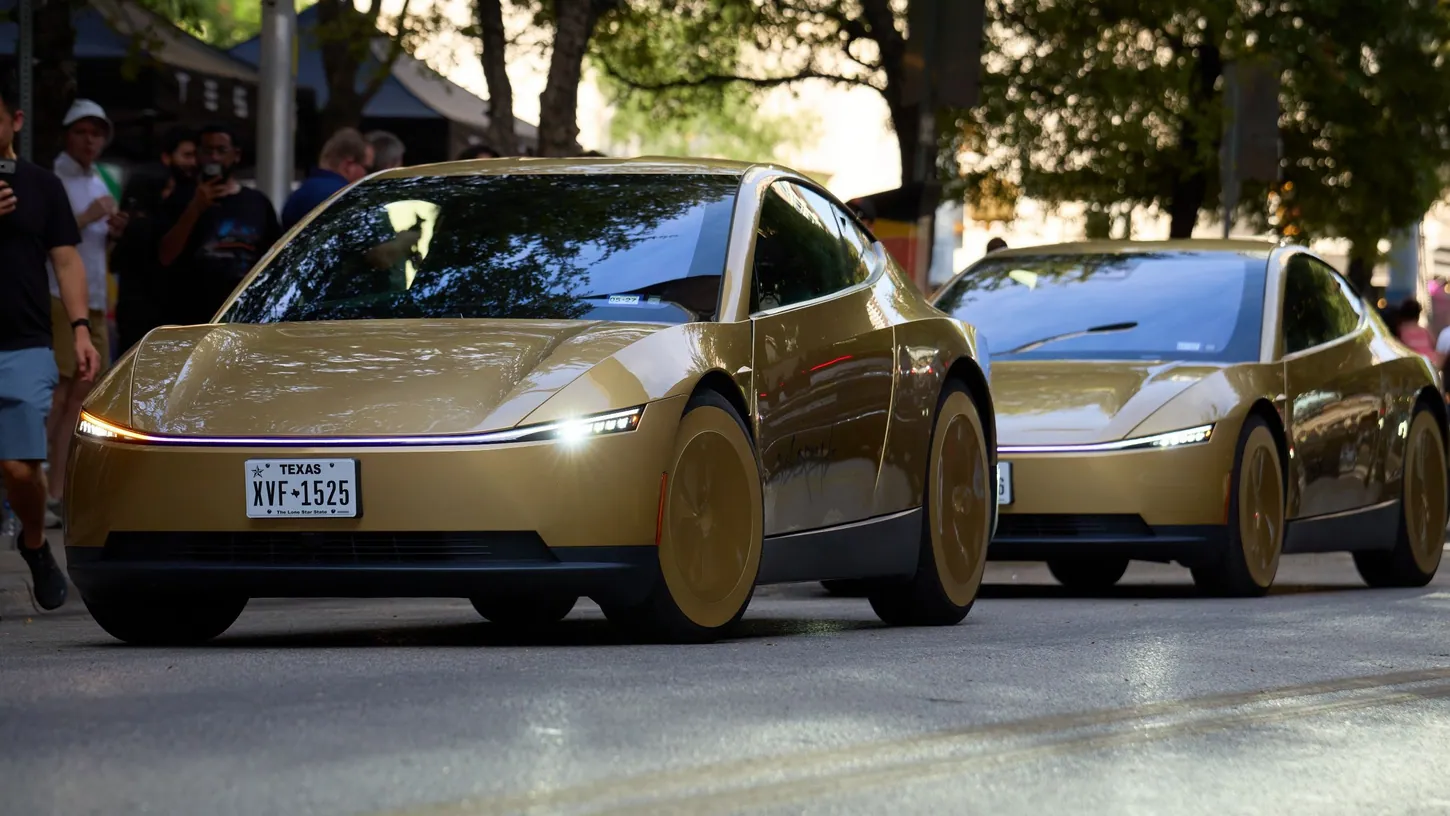
Elon Musk says upcoming efficiency improvements will let Tesla build its Cybercab robotaxi with a 40-kilowatt-hour (kWh) battery, but he has not explained the changes in more detail or stated when the pack will arrive. He also confirmed plans to add liquid silver as another color for the Cybercab in a November 7 post on X.
A kilowatt-hour measures how much stored energy a battery can hold. Musk’s statement describes a configuration that will be available in the future, and Tesla has not published the capacity of the pack in the Cybercabs it builds today.
Tesla Has Not Confirmed Its Current Cybercab Battery Size
Musk was replying to a post comparing a supposed 48-kWh Cybercab battery with a hypothetical 120-kWh CyberSUV. Neither figure came from Tesla; both came from the X user Musk answered. So the 48-kWh figure should not be taken as the current Cybercab’s battery capacity.
If 48 kWh were accurate, reducing capacity to 40 kWh would remove 8 kWh, or 16.7%. But Tesla has not established that starting point, disclosed the new vehicle’s driving range or identified the efficiency gains Musk referenced.
A smaller battery could reduce vehicle weight and battery cost, but without confirmed range and energy-consumption figures, we cannot infer any possible savings.
Cybertruck Production Will Make Room for Cybercab
In the same post, Musk argued that maintaining the Cybertruck’s production line, supply chain and engineering resources would prevent Tesla from using those people, factory space and machinery to scale Cybercab manufacturing. He first announced the Cybertruck wind-down on November 6, as I reported that day.
He separately said Tesla would add another Cybertruck production shift to address outstanding orders before dismantling the line around June or July 2027. Reuters also reported the planned shift and timing.
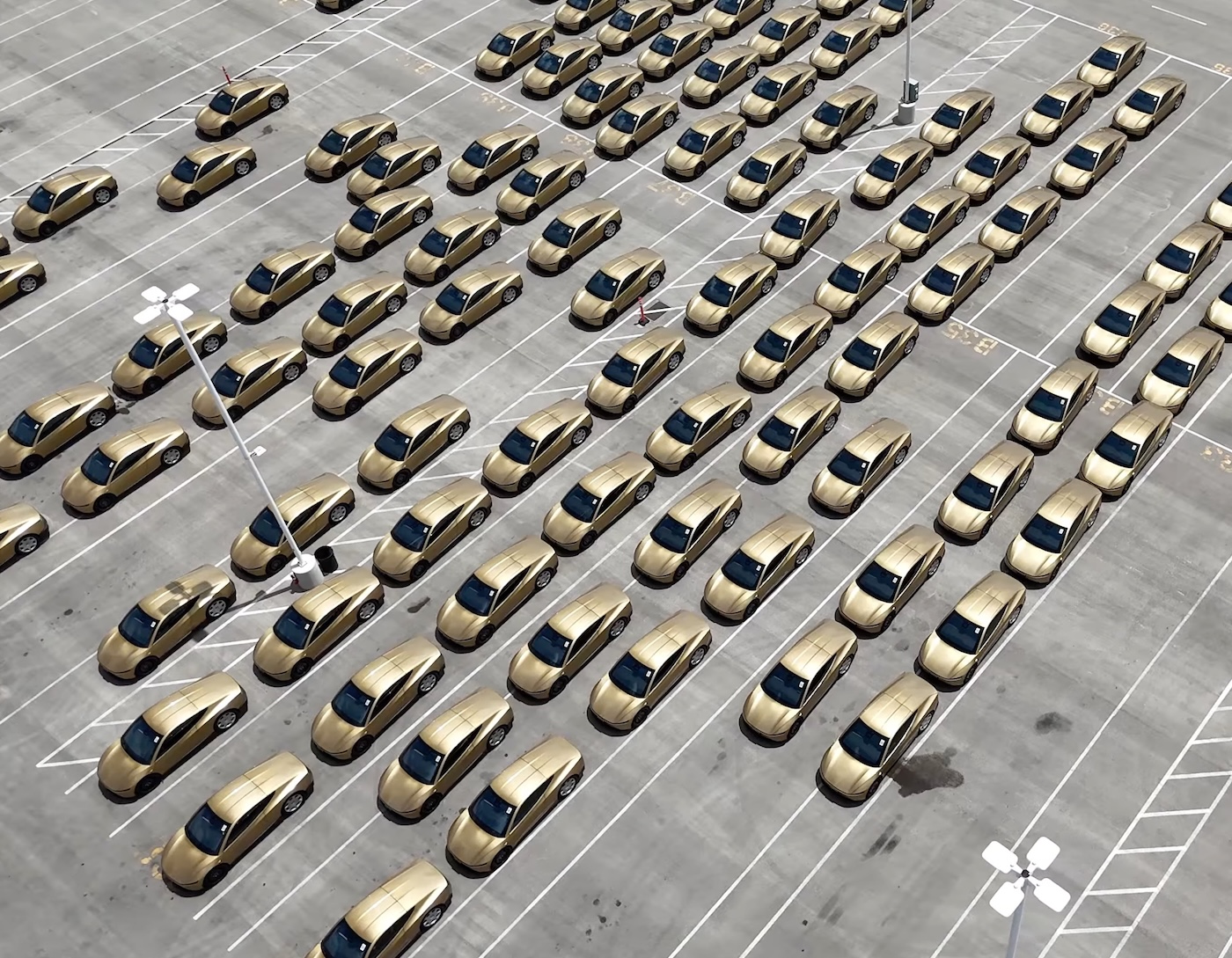
Tesla’s October update says Cybercab rides began in Austin on September 3. Its support page describes access as limited to parts of the city. Meanwhile, Tesla has tested roughly two dozen Cybercabs with temporary steering wheels and human drivers in Detroit, as I reported November 3. EVXL also covered 245 staged Cybercabs at the Texas factory in July.
EVXL’s Take
A 40-kWh pack could make each Cybercab cheaper and lighter, especially if Tesla can maintain useful range with less battery. That matters for a robotaxi fleet, where battery cost and time between charging stops affect operating economics.
But Musk’s claim lacks the baseline capacity, efficiency figures and production timeline needed to measure the improvement. Tesla’s decision to slowly end the Cybertruck line is more concrete than the proposed battery change.
Sources: Elon Musk on X, Reuters, TeslaNorth, Tesla.
EVXL uses automated tools to support research and source retrieval. All reporting is by Damien Kesteloo, edited by Haye Kesteloo.