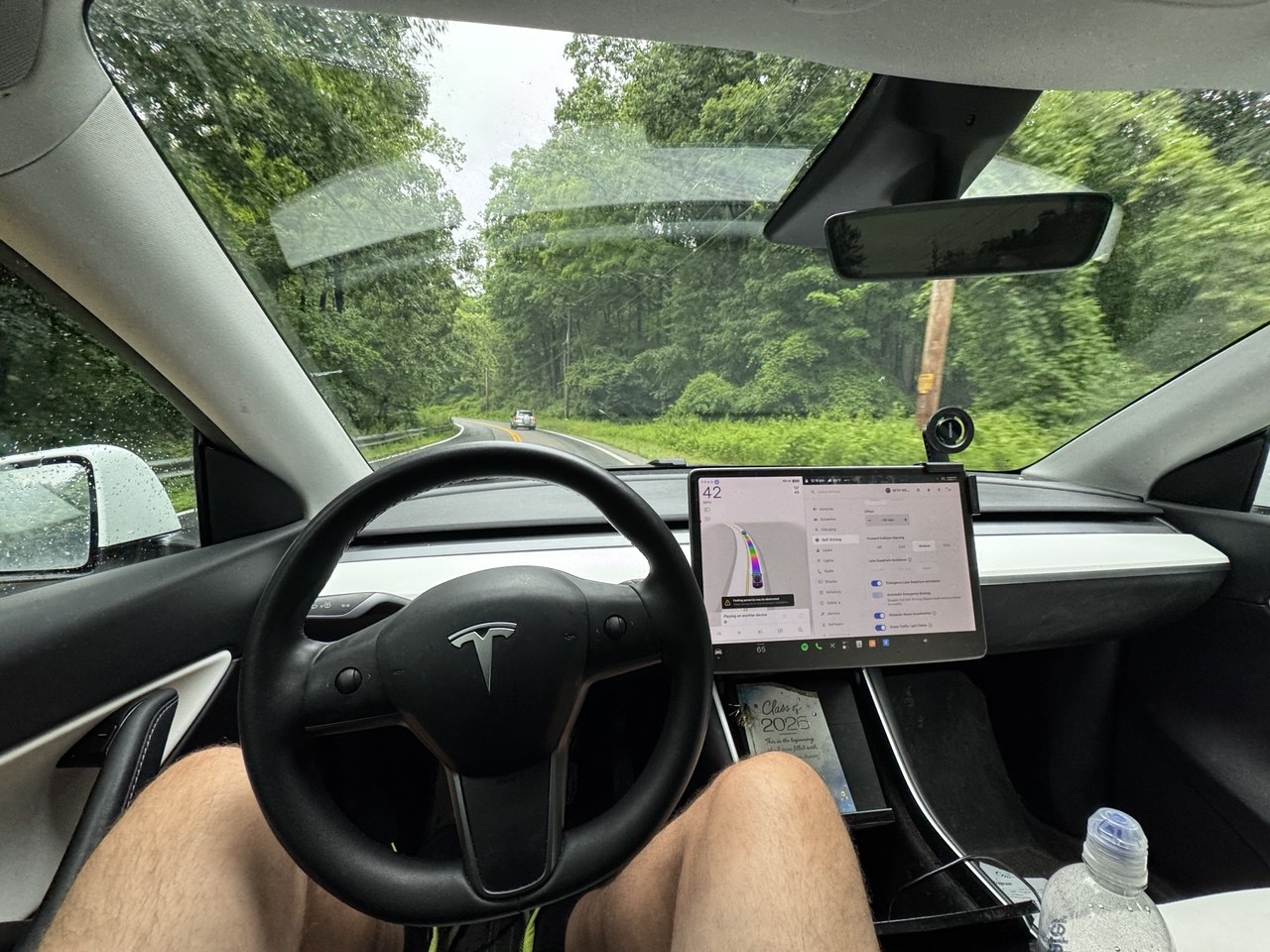
The federal government’s top auto safety regulator says he will “absolutely” consider dropping the steering wheel requirement for cars designed to never have a human driver, a potential regulatory opening for Tesla’s pedal-and-wheel-free Cybercab.
National Highway Traffic Safety Administration Administrator Jonathan Morrison made the comments in a CNBC Squawk Box interview on July 9. “If you’re developing a vehicle that is designed never to be driven by a human operator, does it make any sense to require manual control for the vehicle? I think the answer is pretty clear there,” Morrison said.
The Change Would Only Apply to Purpose-Built Driverless Vehicles
Morrison’s comments follow NHTSA’s move last month to update federal safety standards and remove the mandate for manual brake pedals in autonomous vehicles. Any change to steering wheel rules would only apply to vehicles designed to operate exclusively without a human driver, per Bloomberg’s reporting picked up by Claims Journal, leaving existing requirements unchanged for every other type of car. Morrison didn’t specify a timeline for any formal steering wheel rule change.
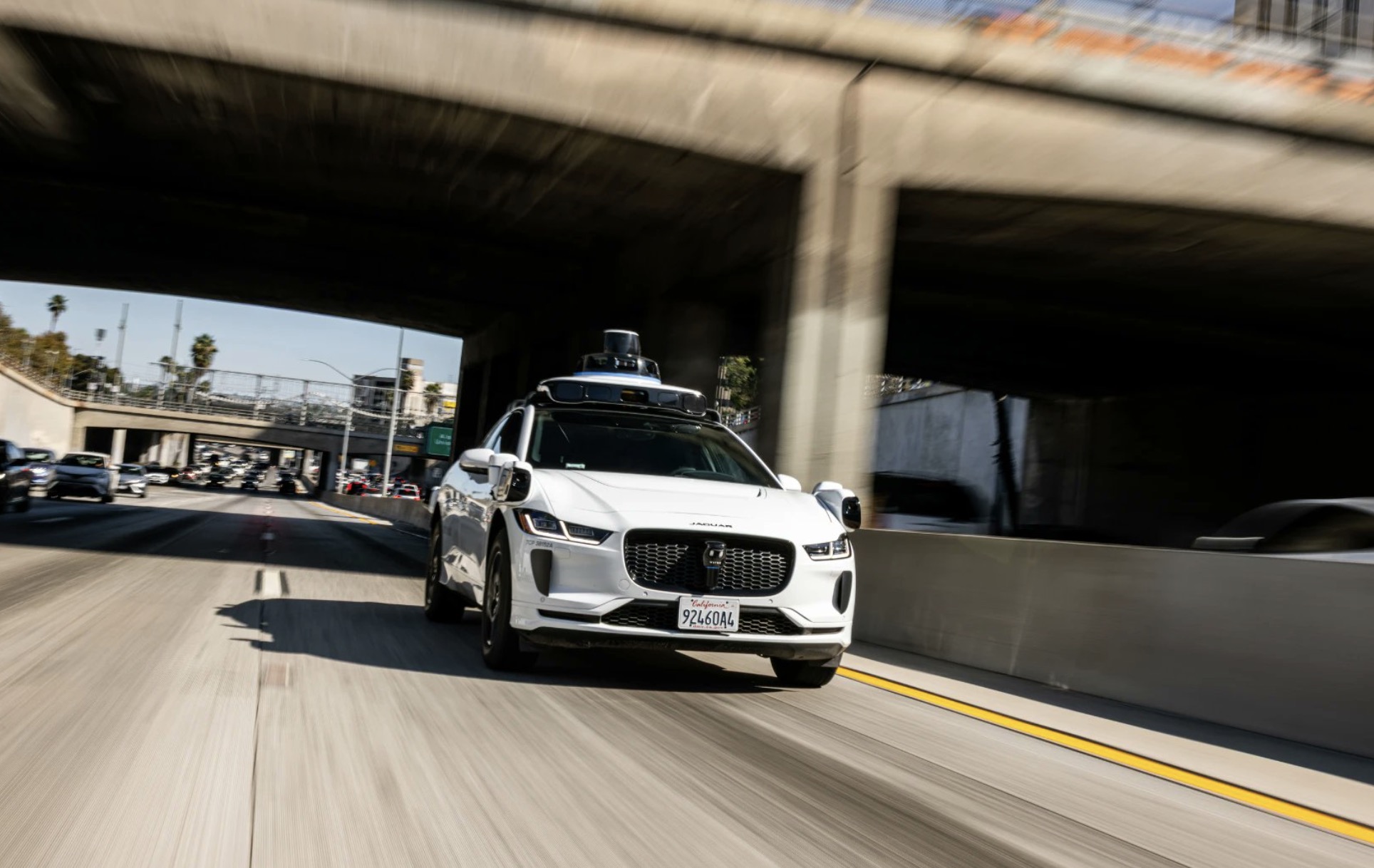
The distinction matters for how differently automakers have approached autonomy. Cars built for rideshare fleets, including Tesla’s Cybercab, are designed without a steering wheel or pedals from the start. Others, like the vehicles Waymo operates, keep manual controls in place and can be taken over by a remote human driver if needed, according to CNET’s reporting on the interview. Removing brake pedals and steering wheels entirely means no human could take physical control if a driverless car stalls or a dangerous situation requires intervention.
Not Everyone in the Industry Wants the Rules Loosened This Fast
Spencer Penn, CEO of AI procurement company LightSource and a former Tesla engineer and Waymo product manager, told CNET that a steering wheel as a human backstop “only makes sense in the middle of that ladder, where you’re not confident the car can finish the job on its own.” But Penn also cautioned against removing manual controls before replacing them with something else: “Remove the wheel, fine, but tell me what replaces it. Passengers need a clear way to stop and get out. First responders need the car to behave predictably. Regulators need real performance numbers, not company slides.”
Morrison’s agency is simultaneously investigating separate incidents in which autonomous vehicles have stalled in construction zones or been slow to move out of the way of emergency responders, per CNET. Morrison called those incidents rare but said “every single one of these circumstances goes too far.”
EVXL’s Take
This is the clearest signal yet that Washington is willing to rewrite vehicle safety rules around Tesla’s bet rather than the other way around. Tesla has spent years building the Cybercab with no steering wheel and no pedals, effectively betting that federal rules would eventually catch up to the hardware. Morrison’s comments suggest that bet might pay off faster than skeptics expected.
But Penn’s warning is the one worth sitting with: removing a steering wheel is a hardware decision, and replacing the safety function it serves is a much harder problem NHTSA hasn’t solved yet. As EVXL reported in June, Tesla’s own driverless fleet sits at roughly 20 cars nationwide, and the Senate has separately demanded NHTSA review Tesla’s FSD safety math because the company’s self-reported figures aren’t independently auditable. Loosening the hardware rules before there’s a real answer to “how does a passenger stop the car” is a sequencing risk, not a done deal. Watch whether NHTSA actually opens a formal rulemaking process, and watch whether it demands audited safety data as the price of admission. Morrison’s words were an opening position, not a new regulation.
Source: CNET
EVXL uses automated tools to support research and source retrieval. All reporting and editorial perspectives are by Haye Kesteloo.