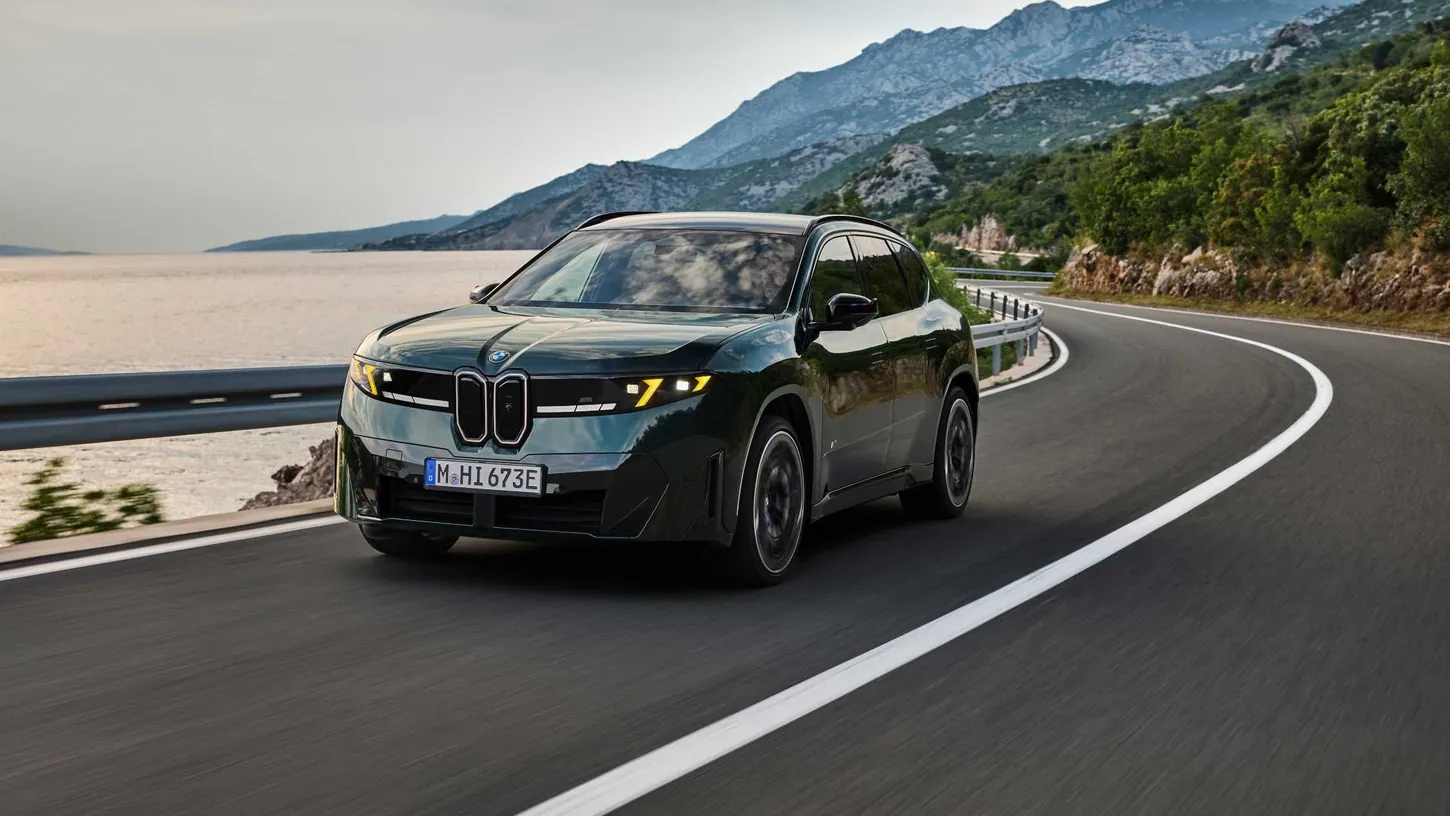

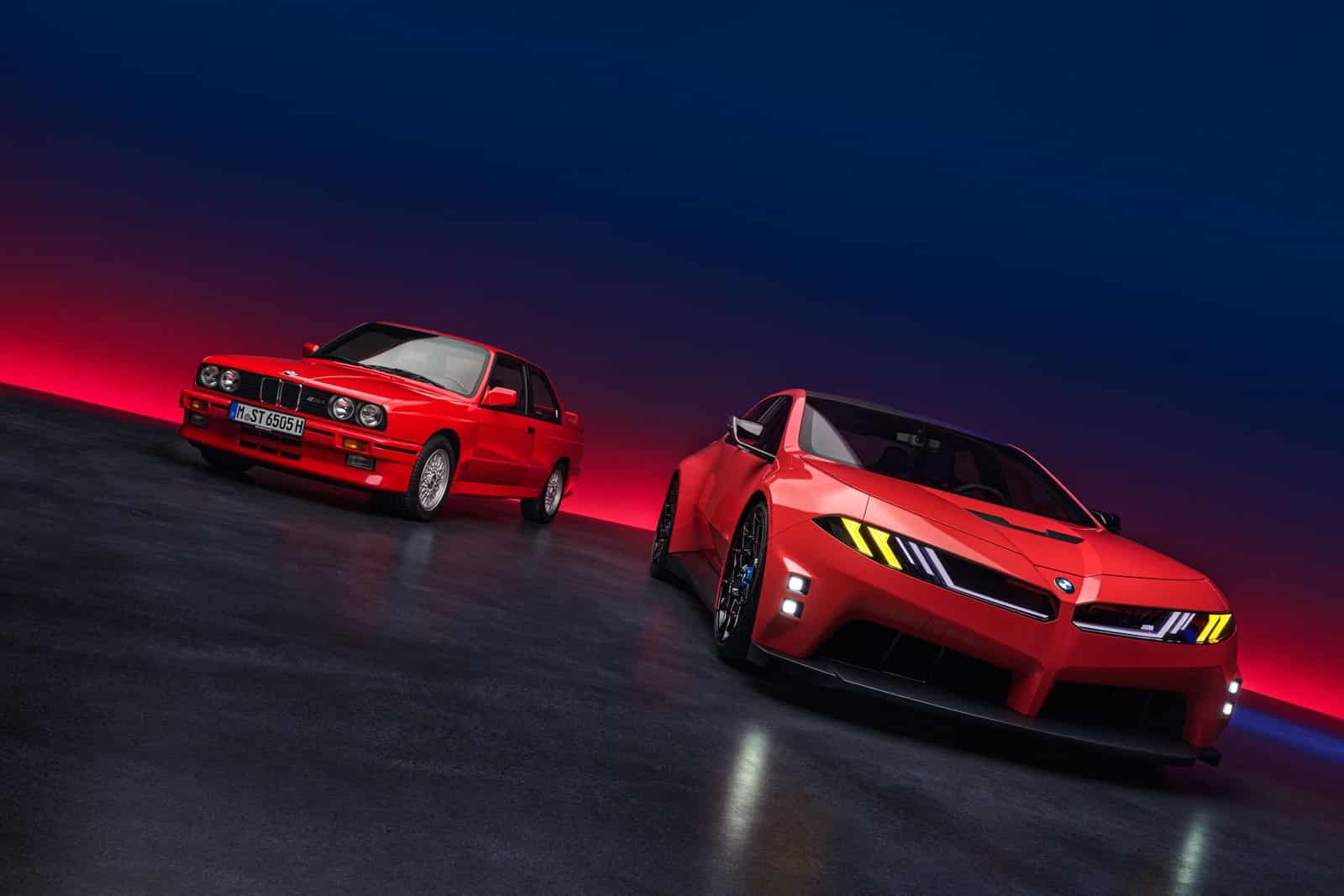
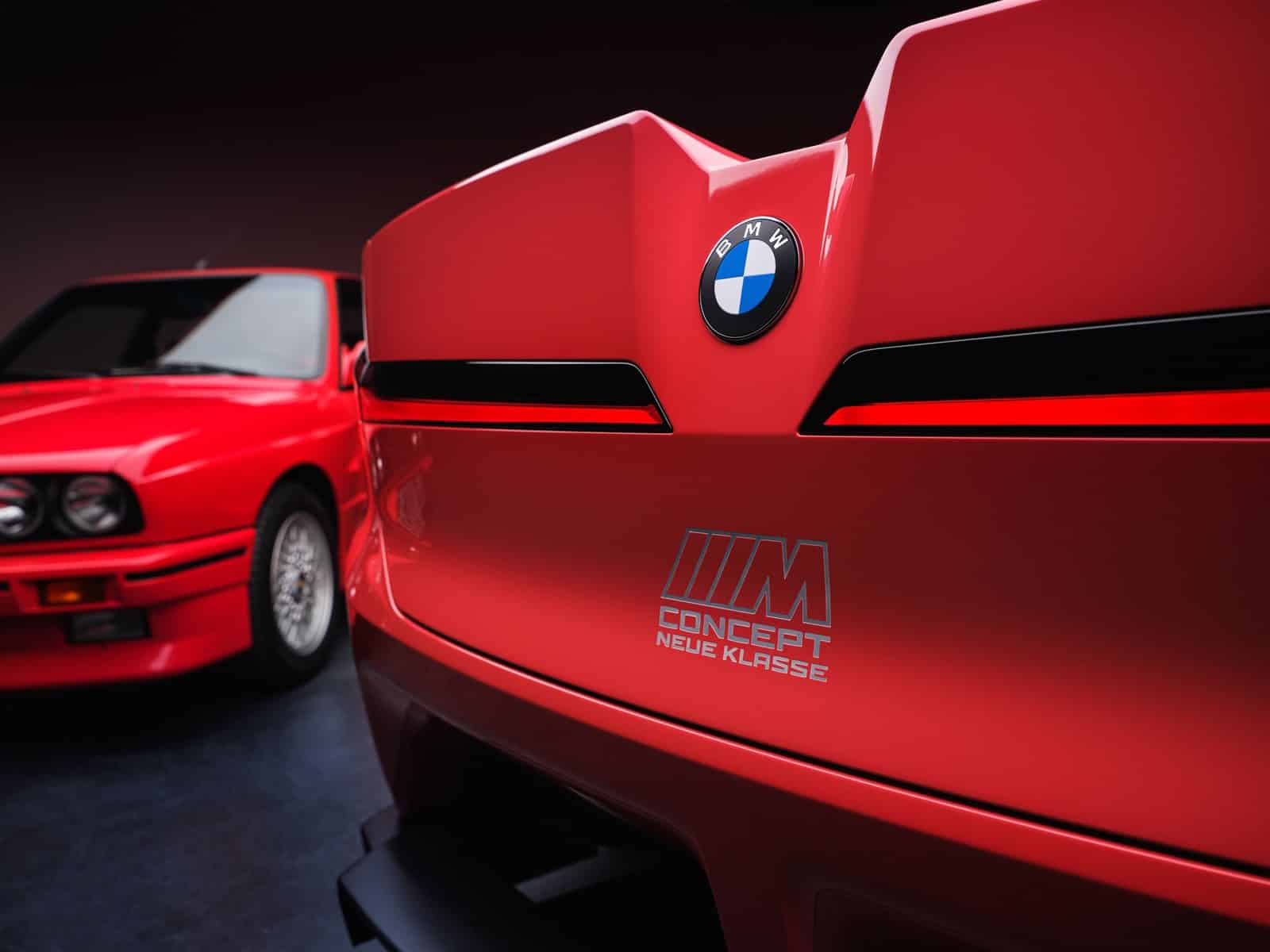
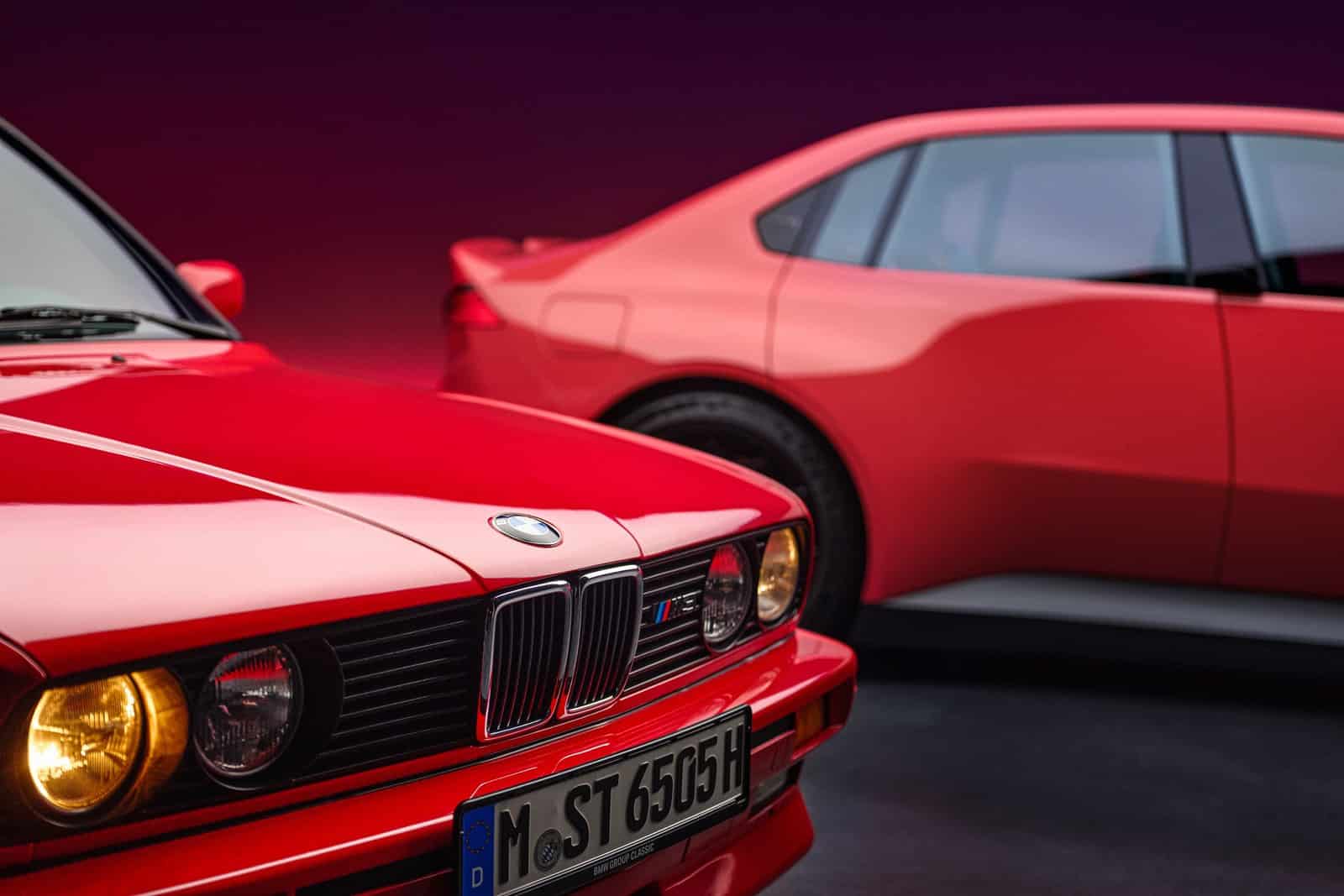
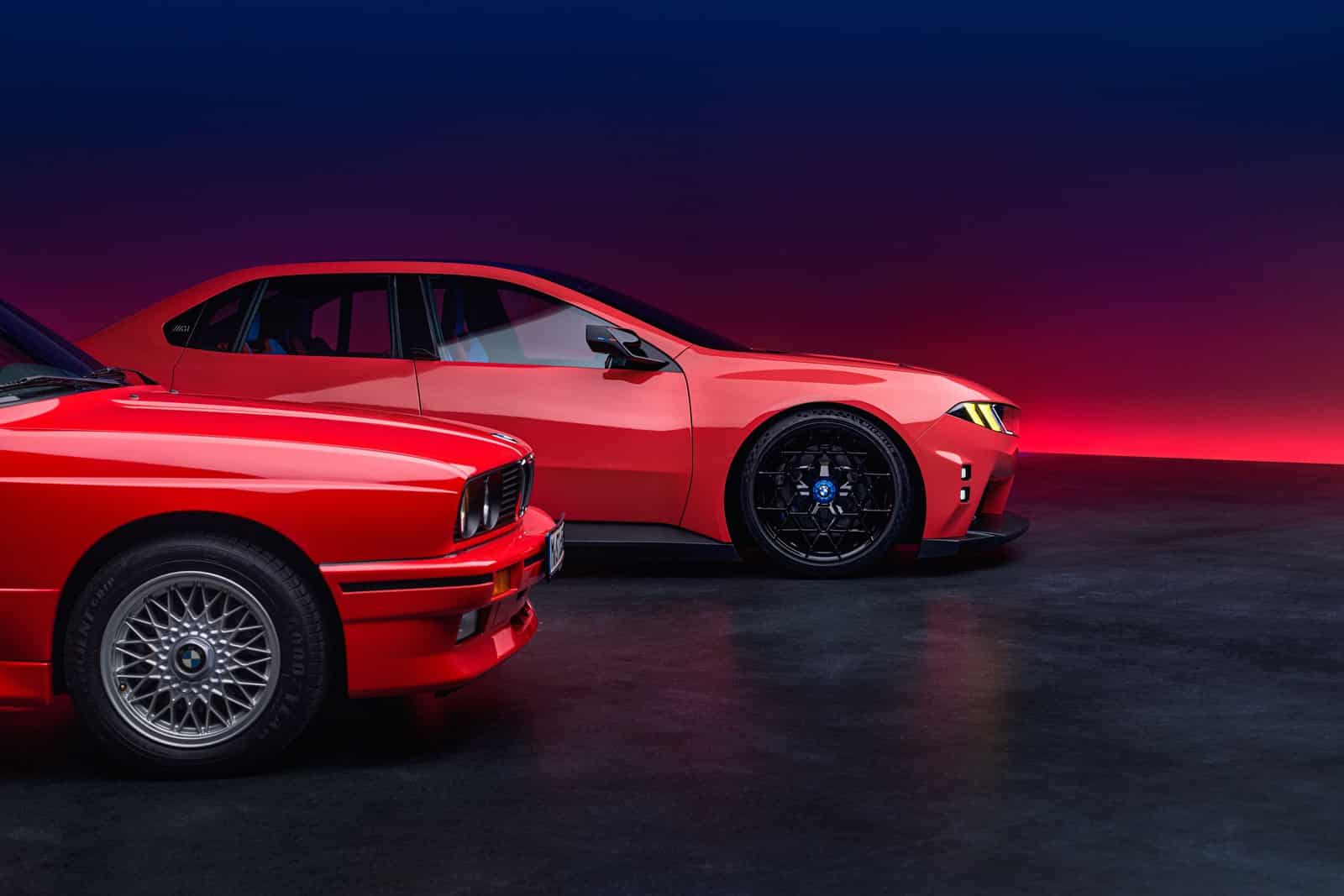
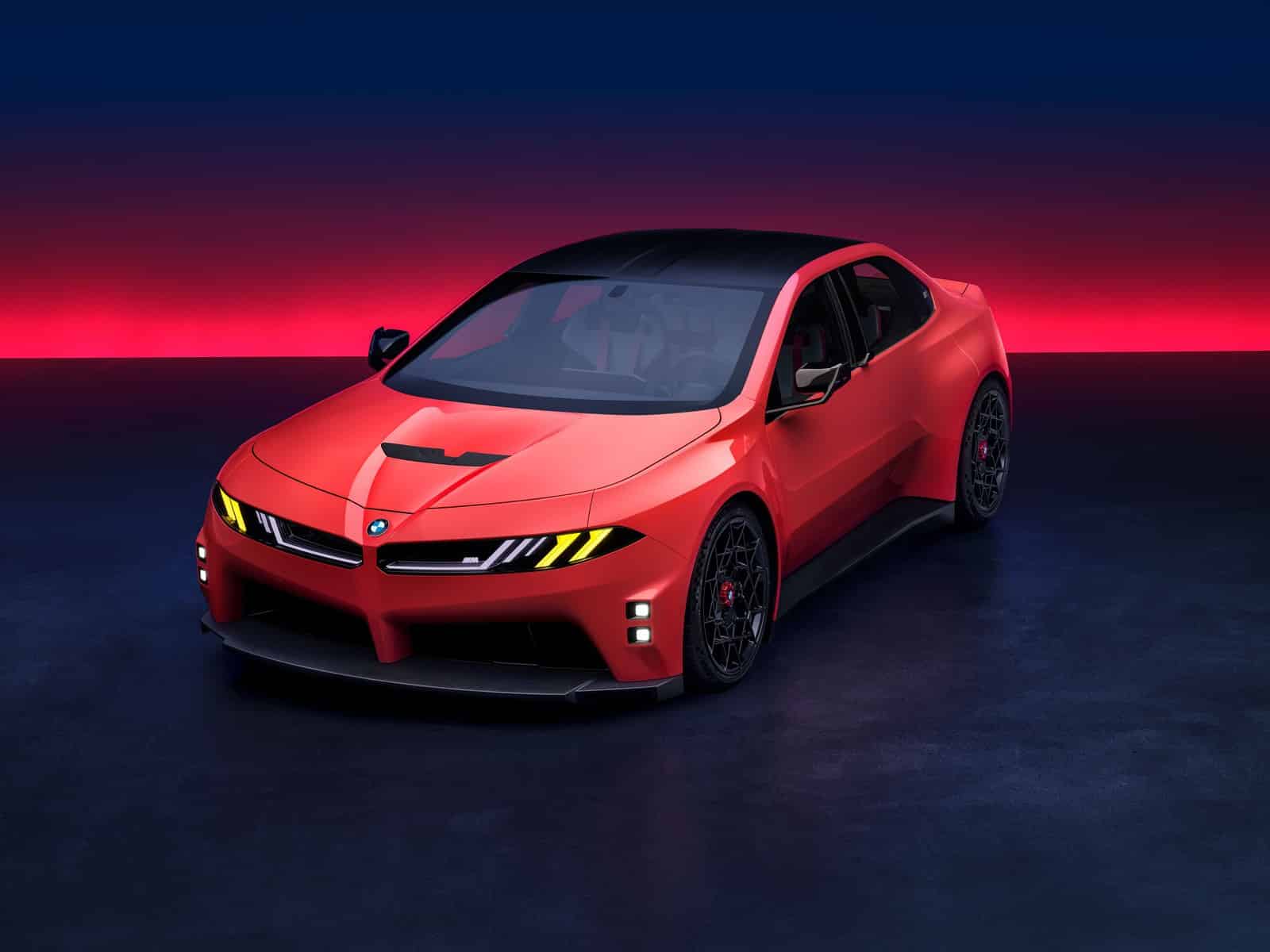
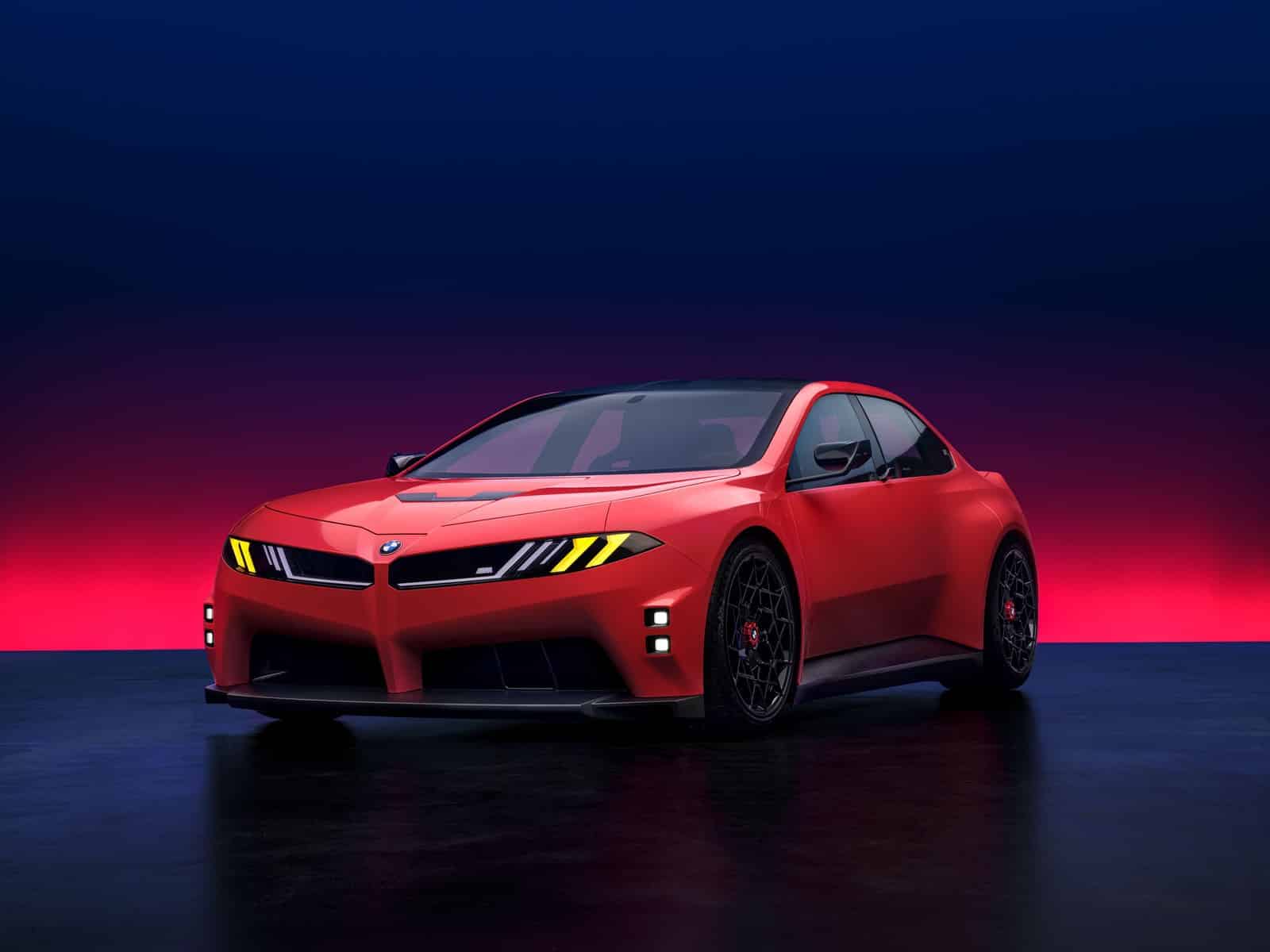
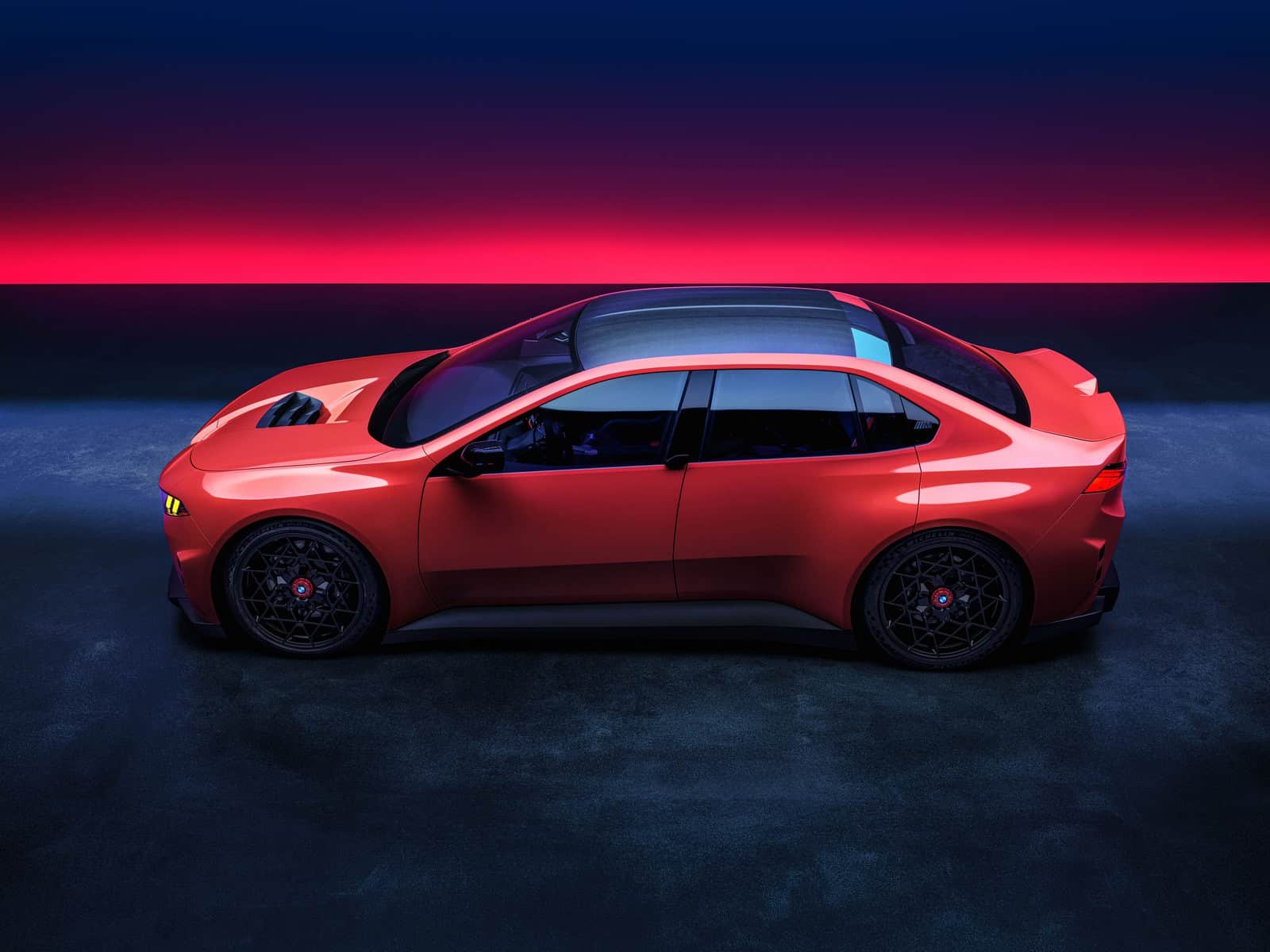
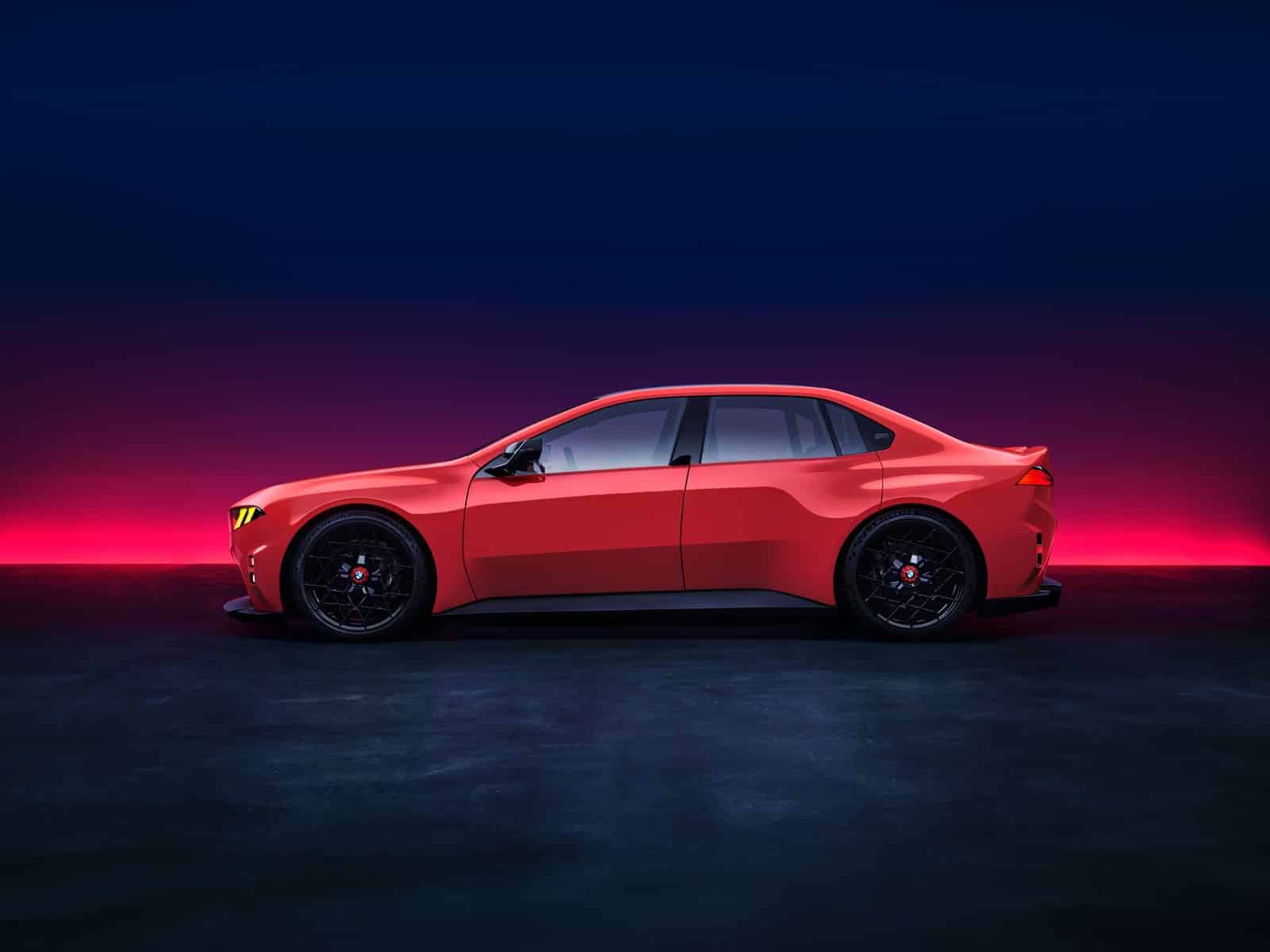
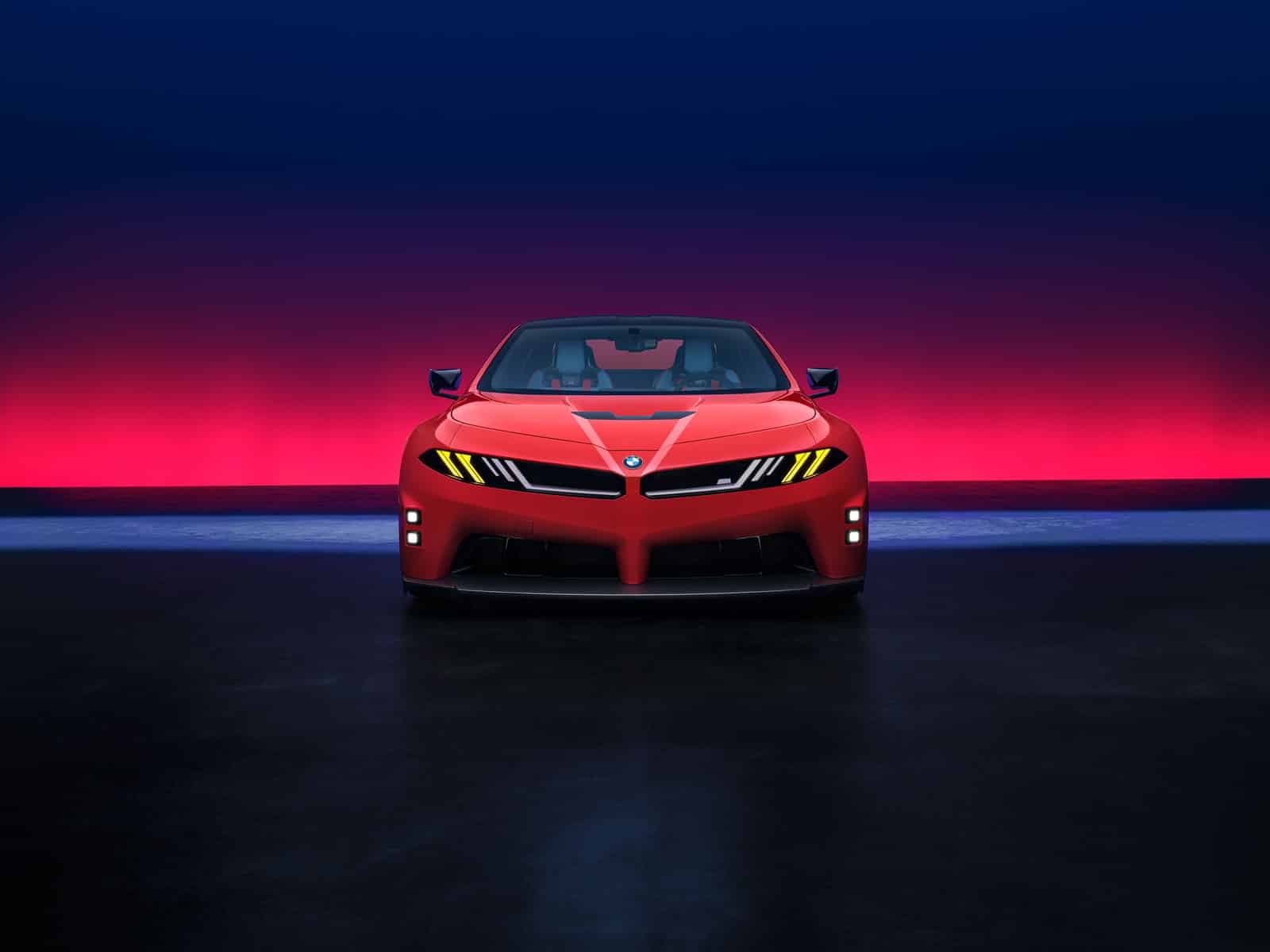
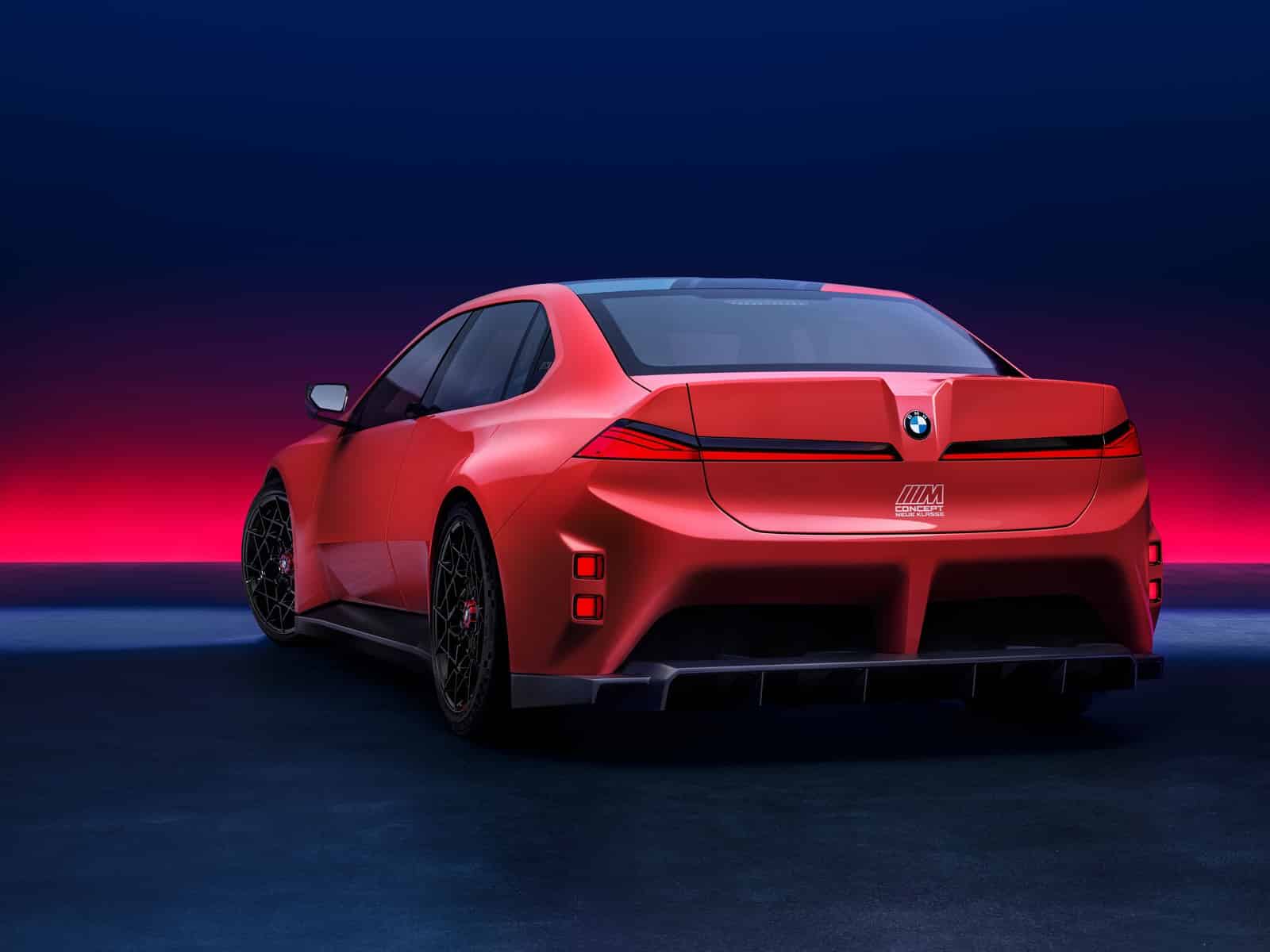
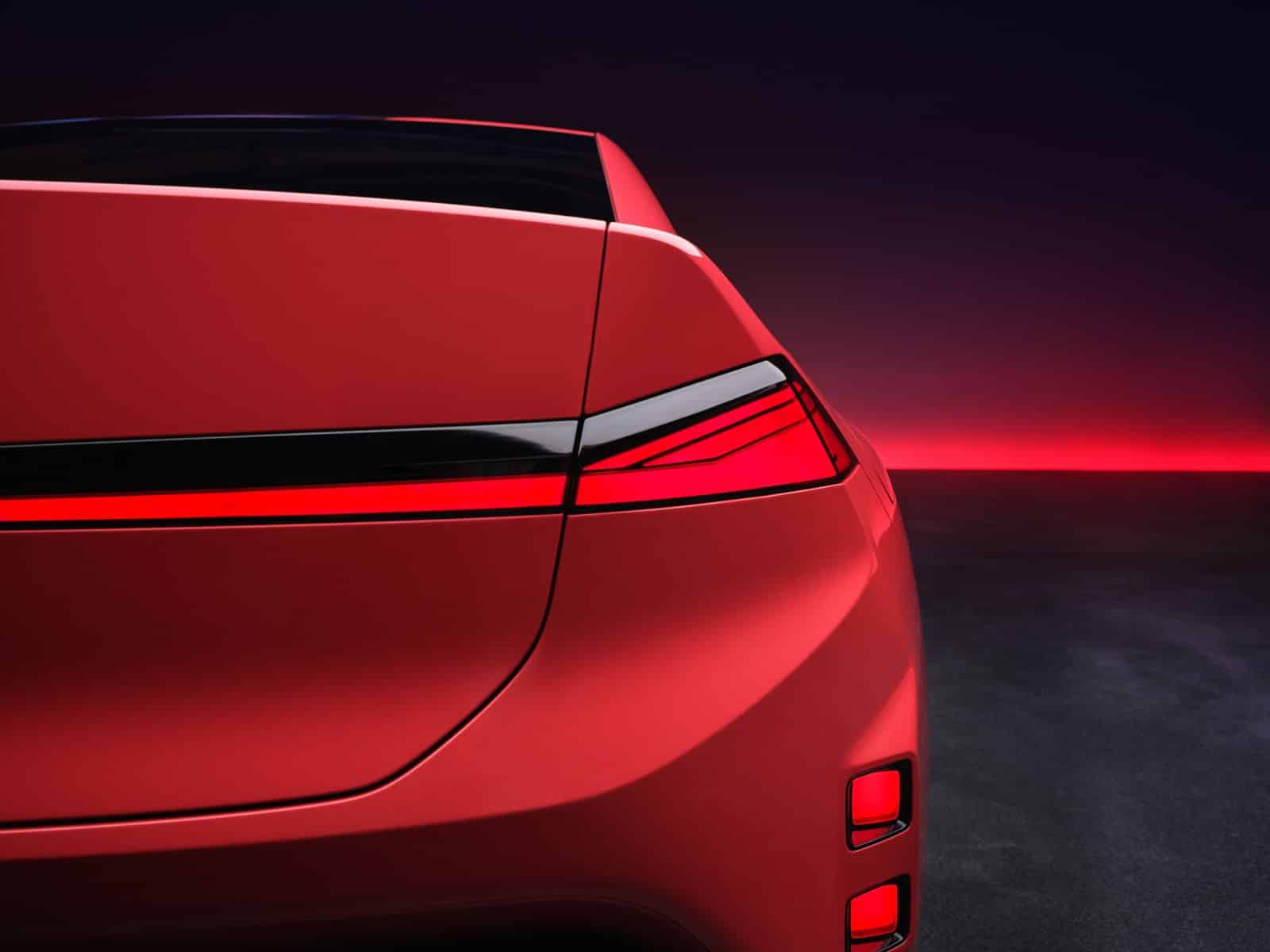
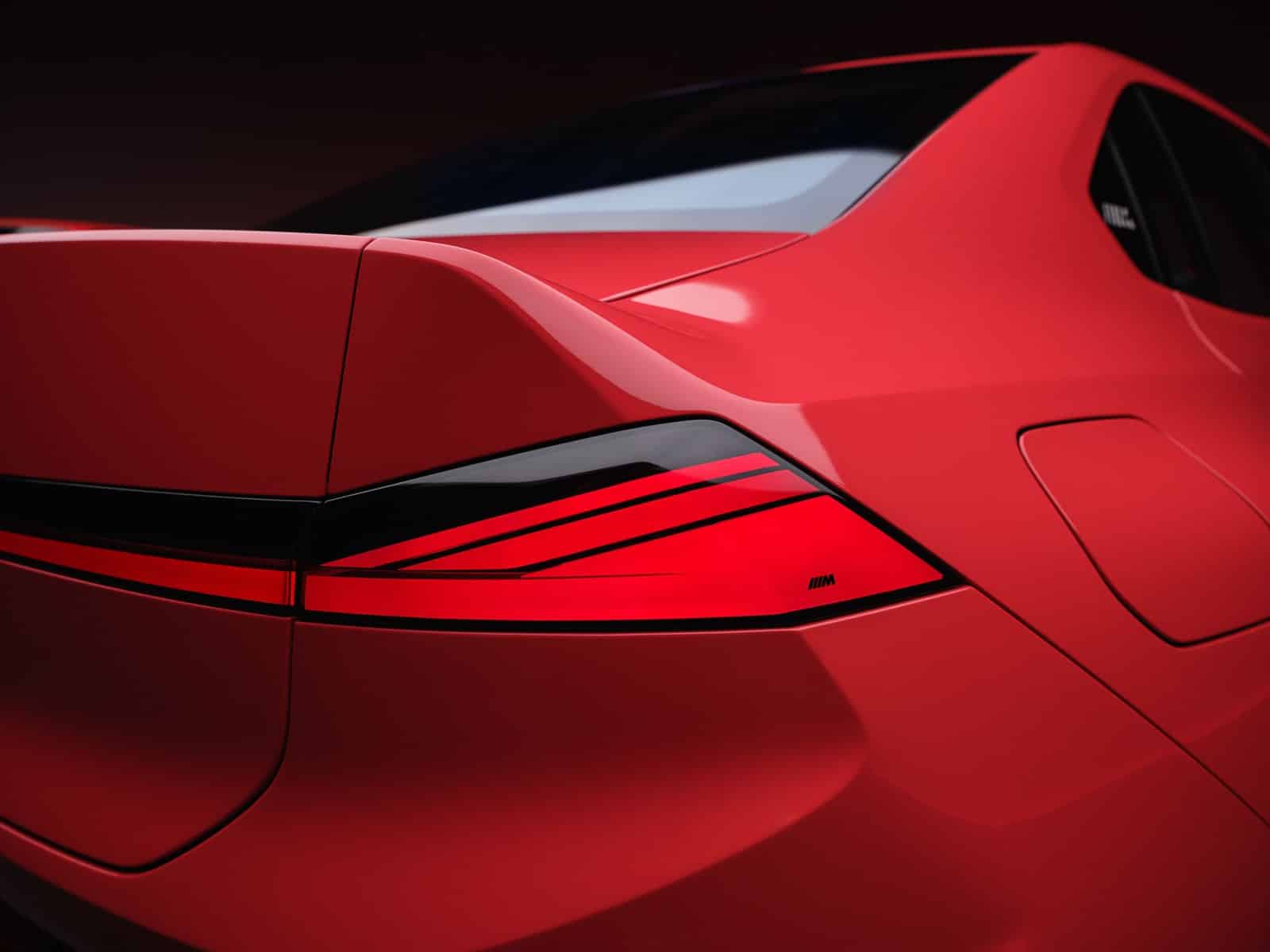
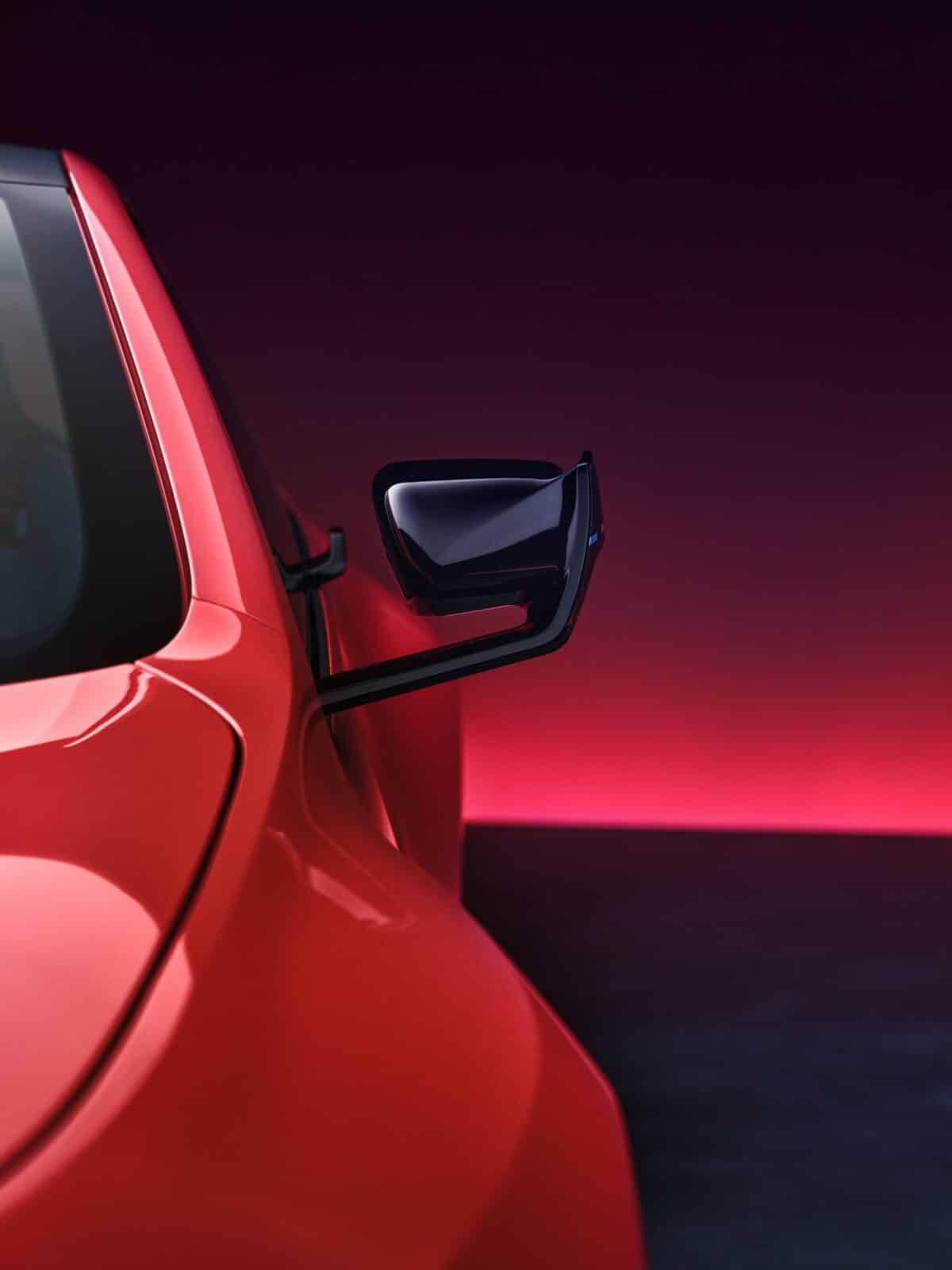
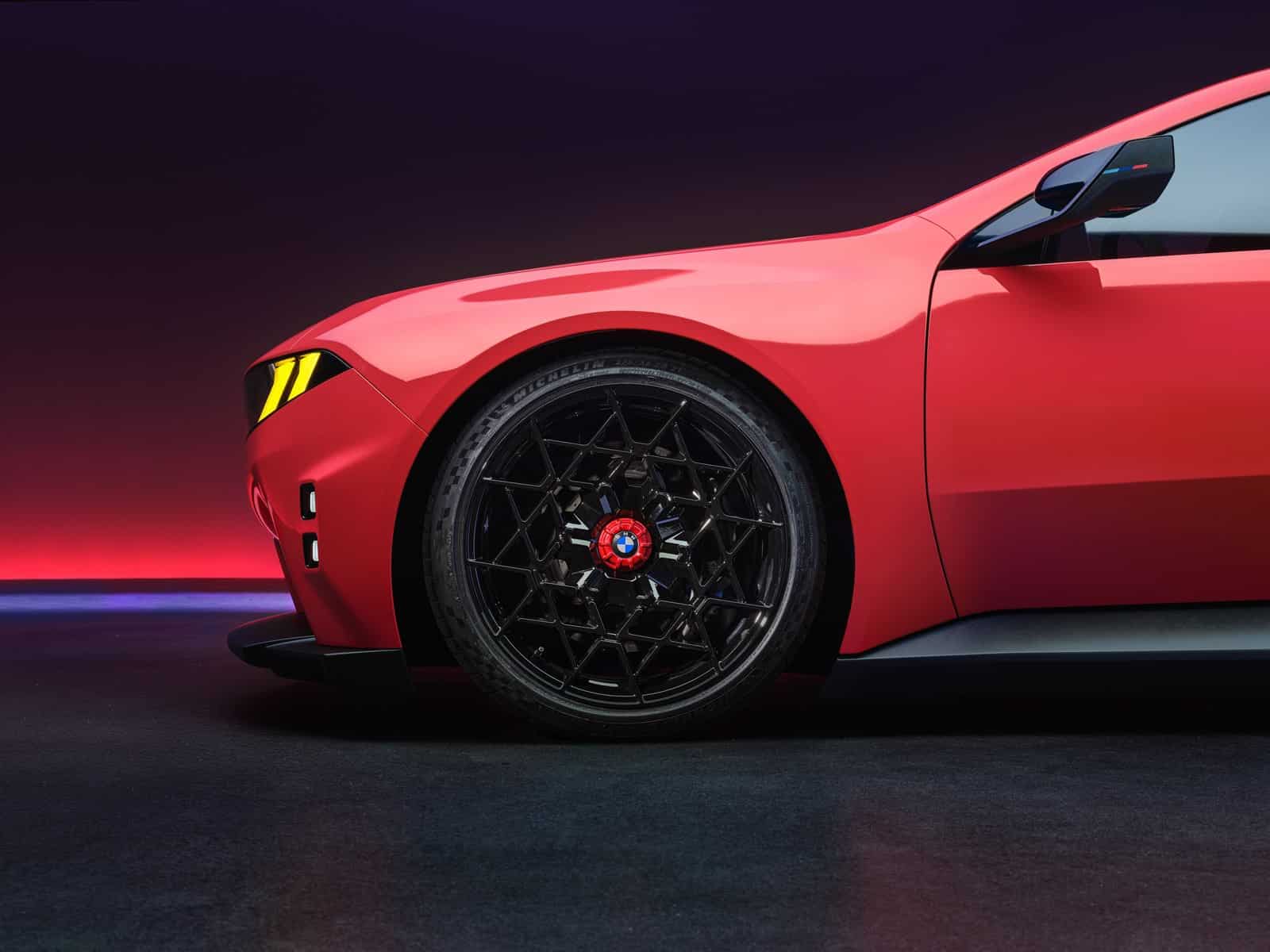
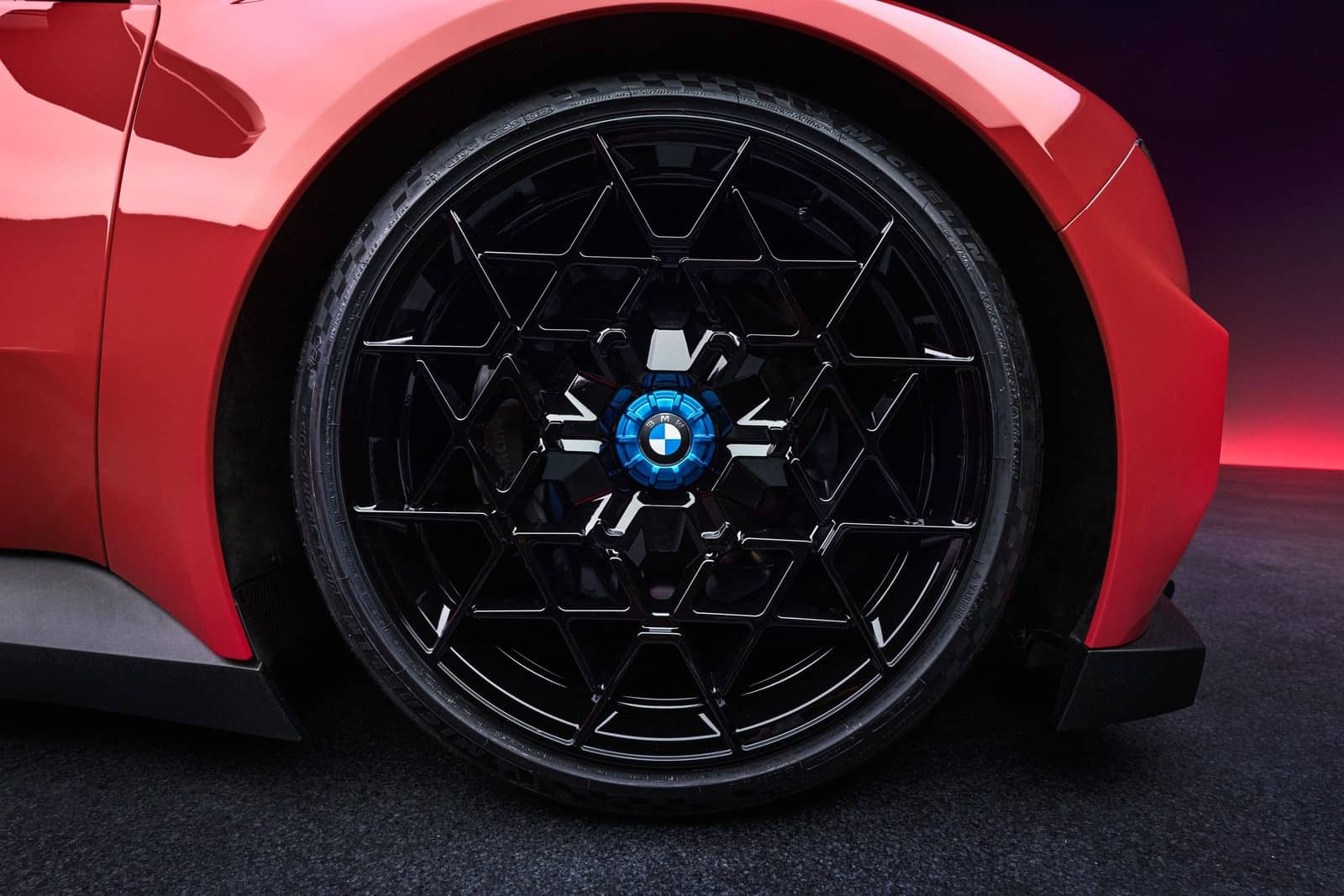
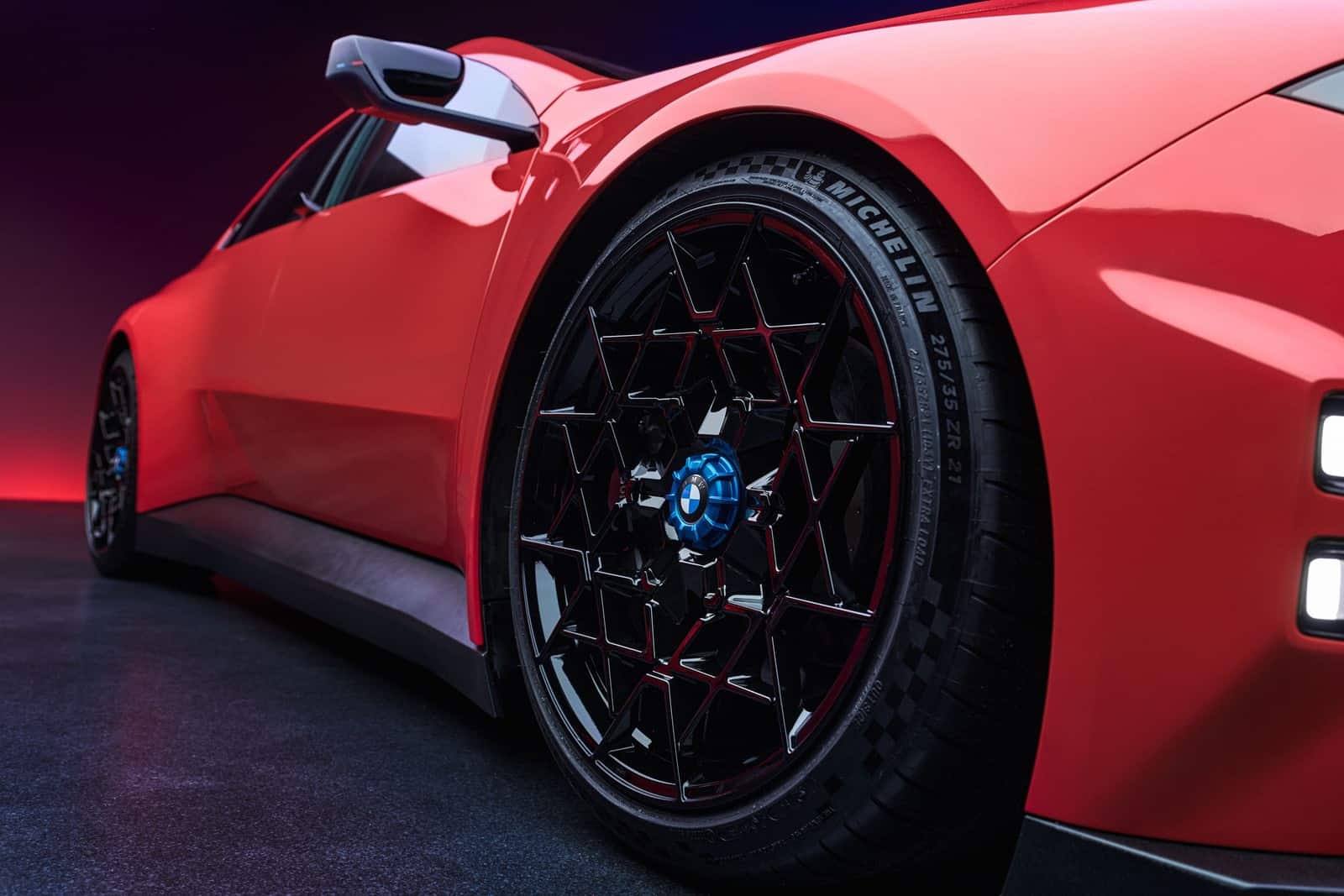
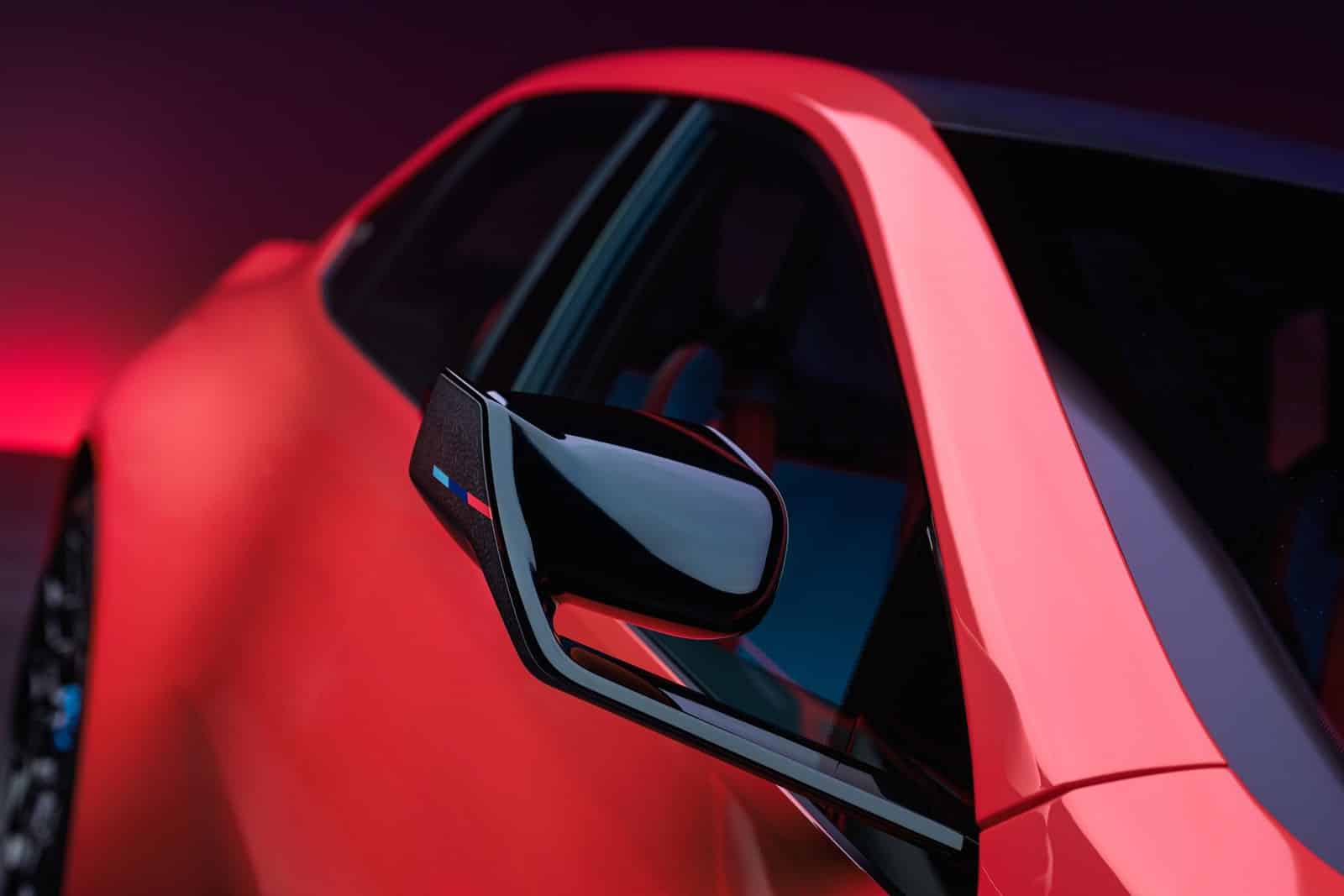
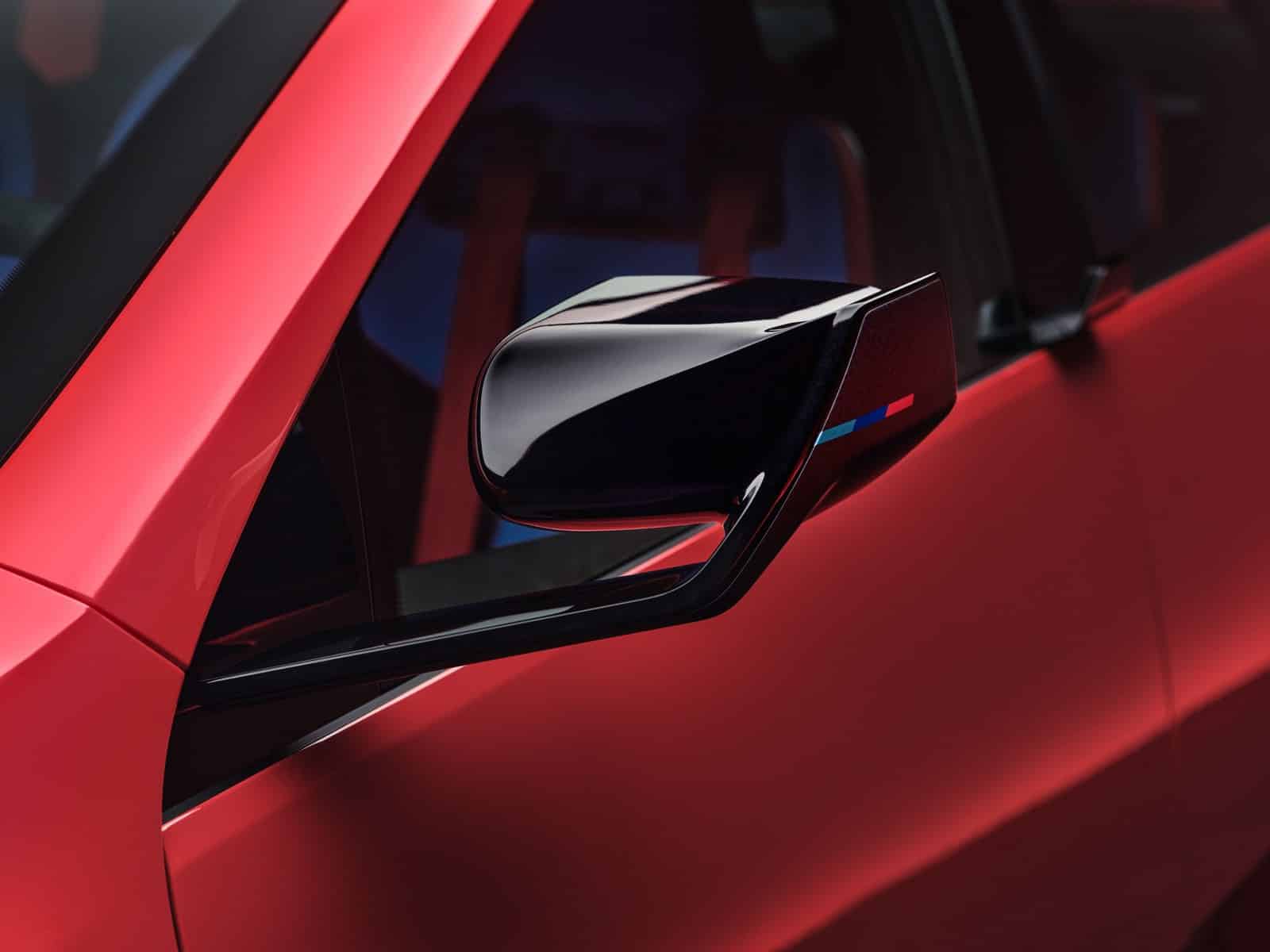
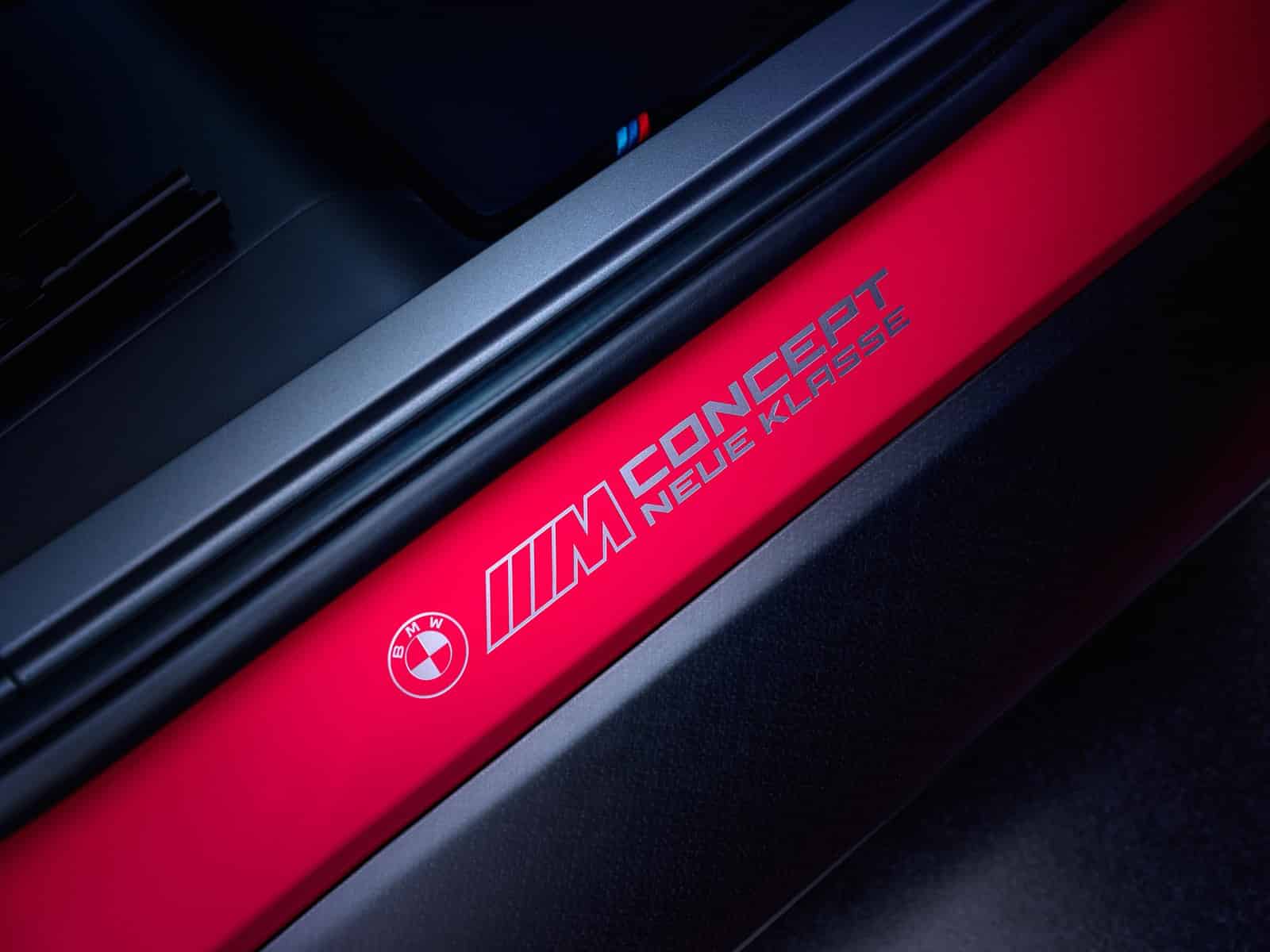
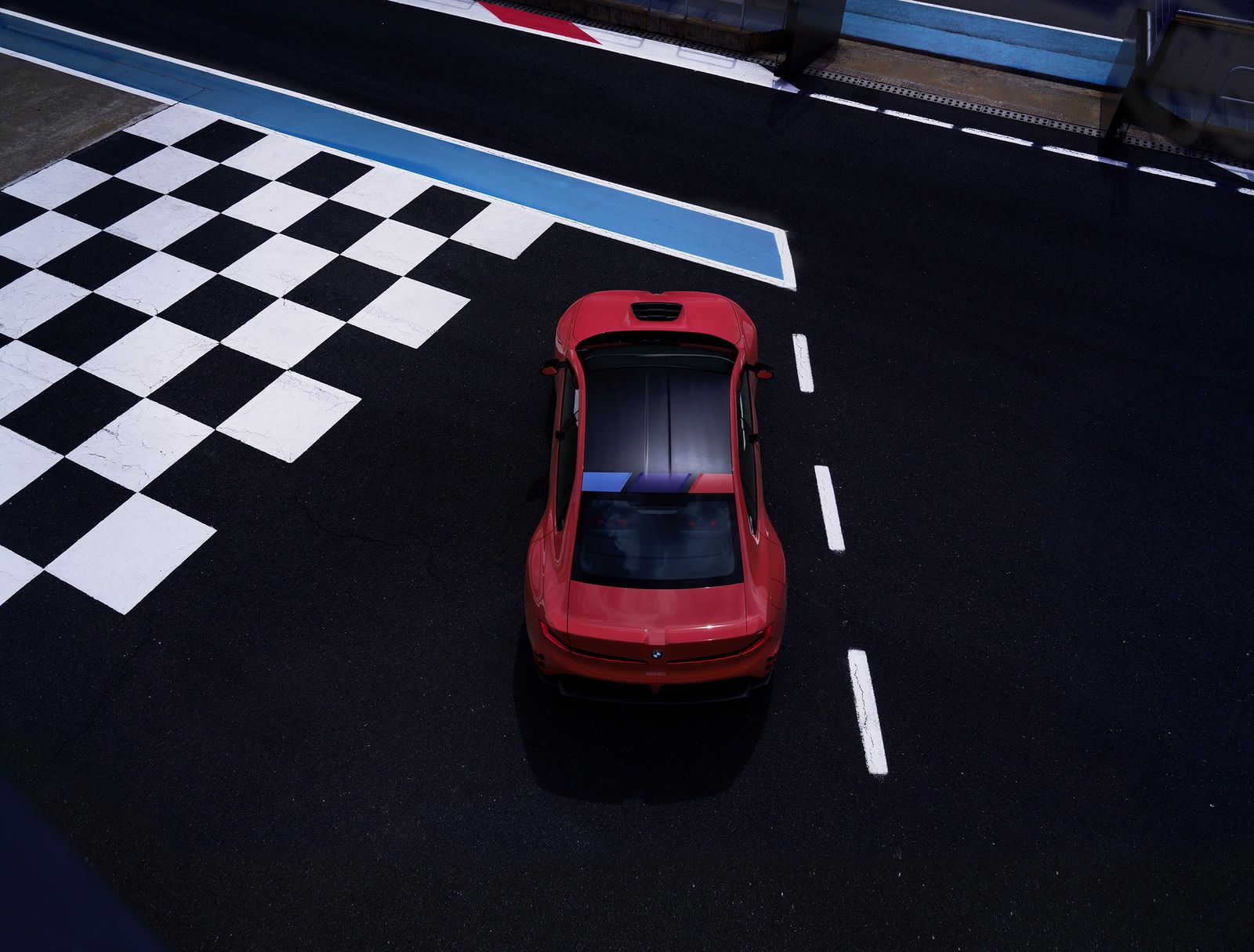
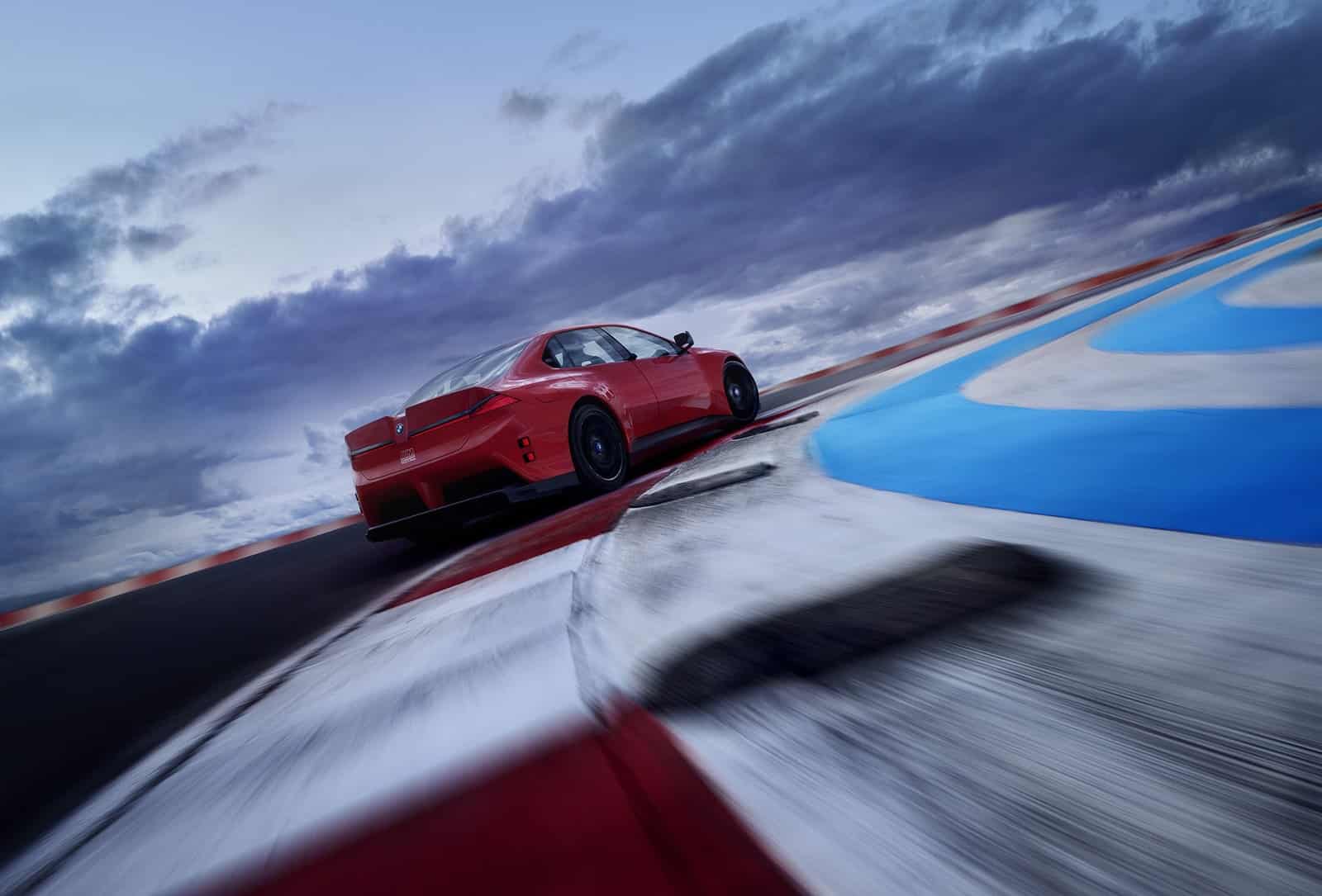
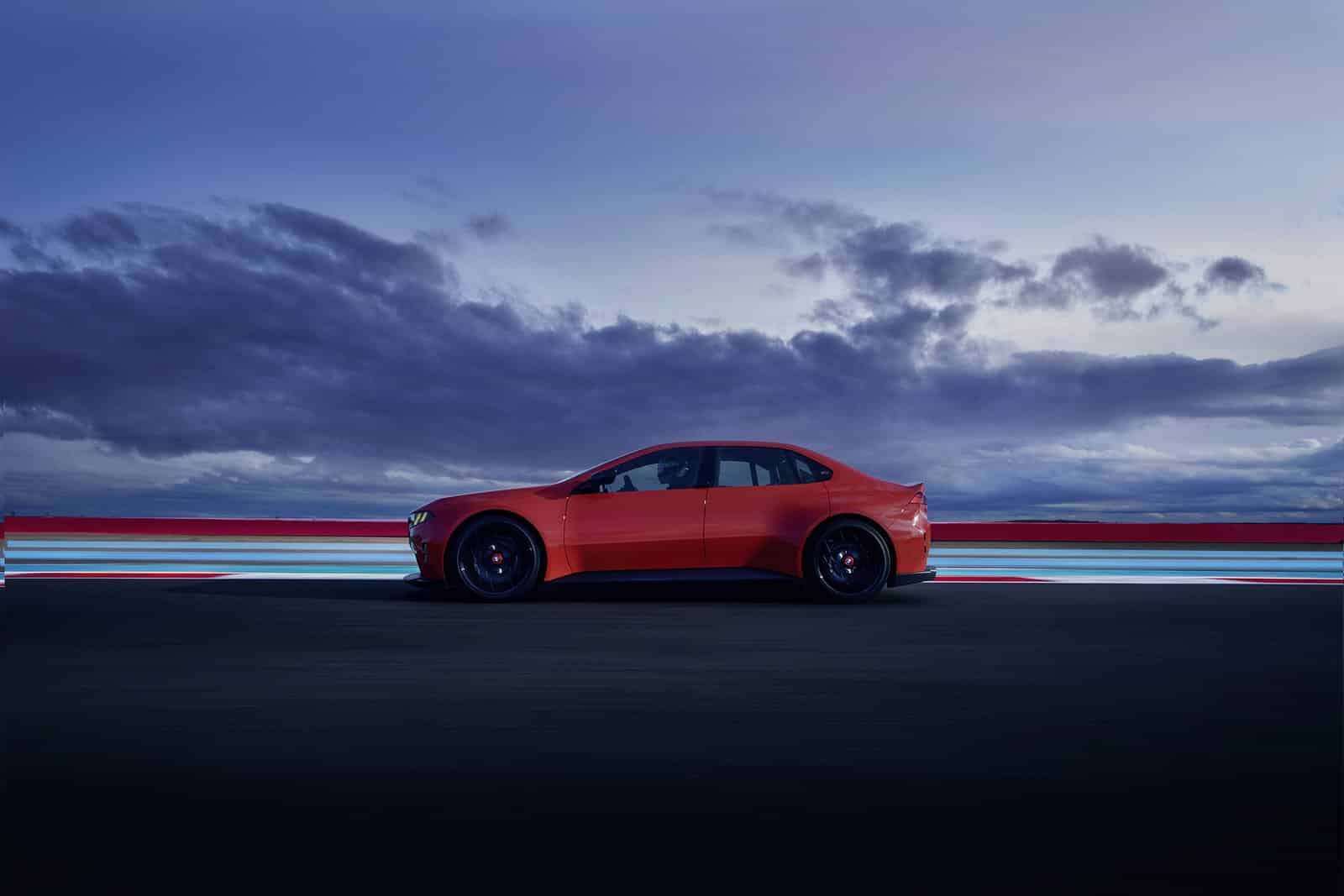
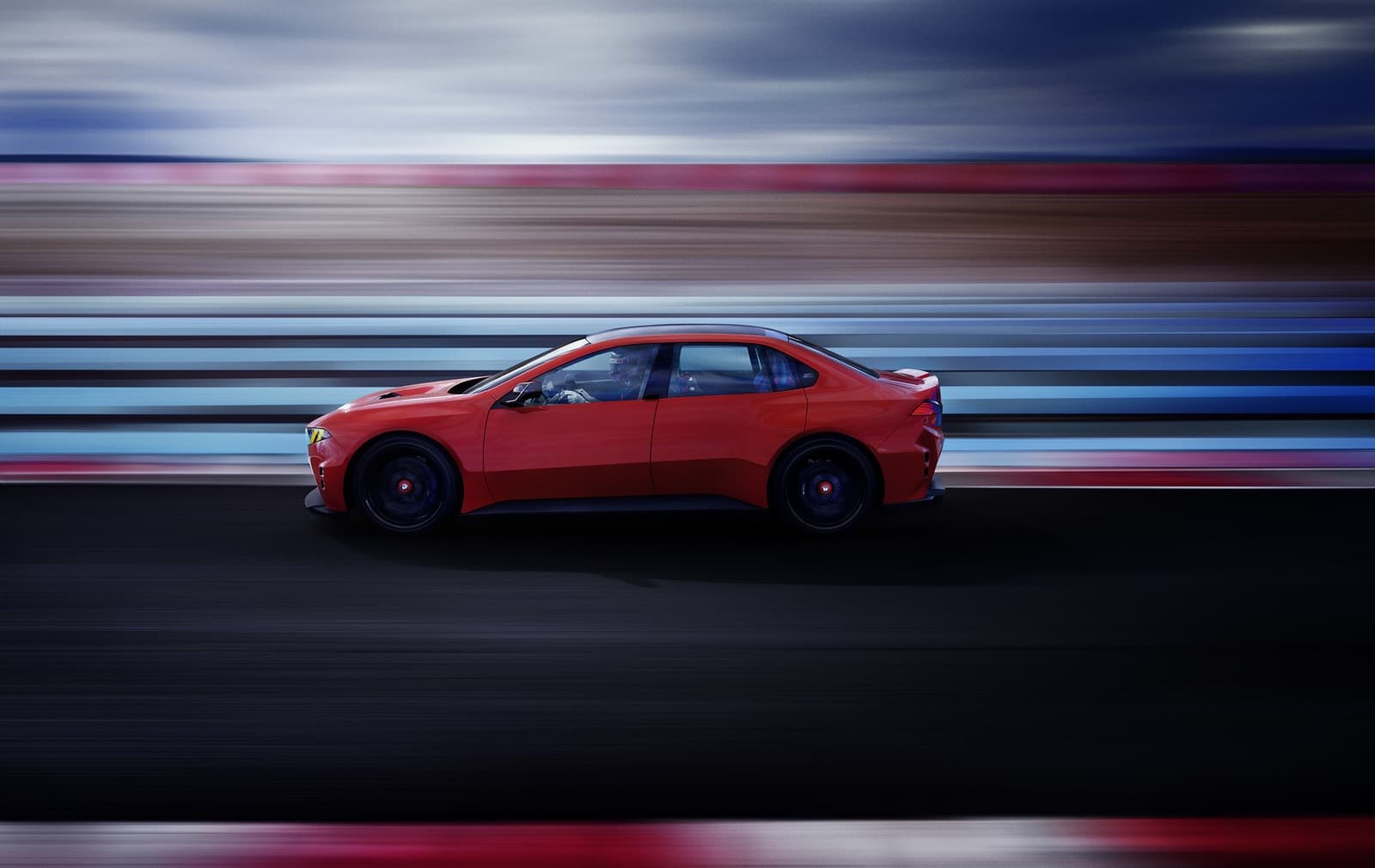
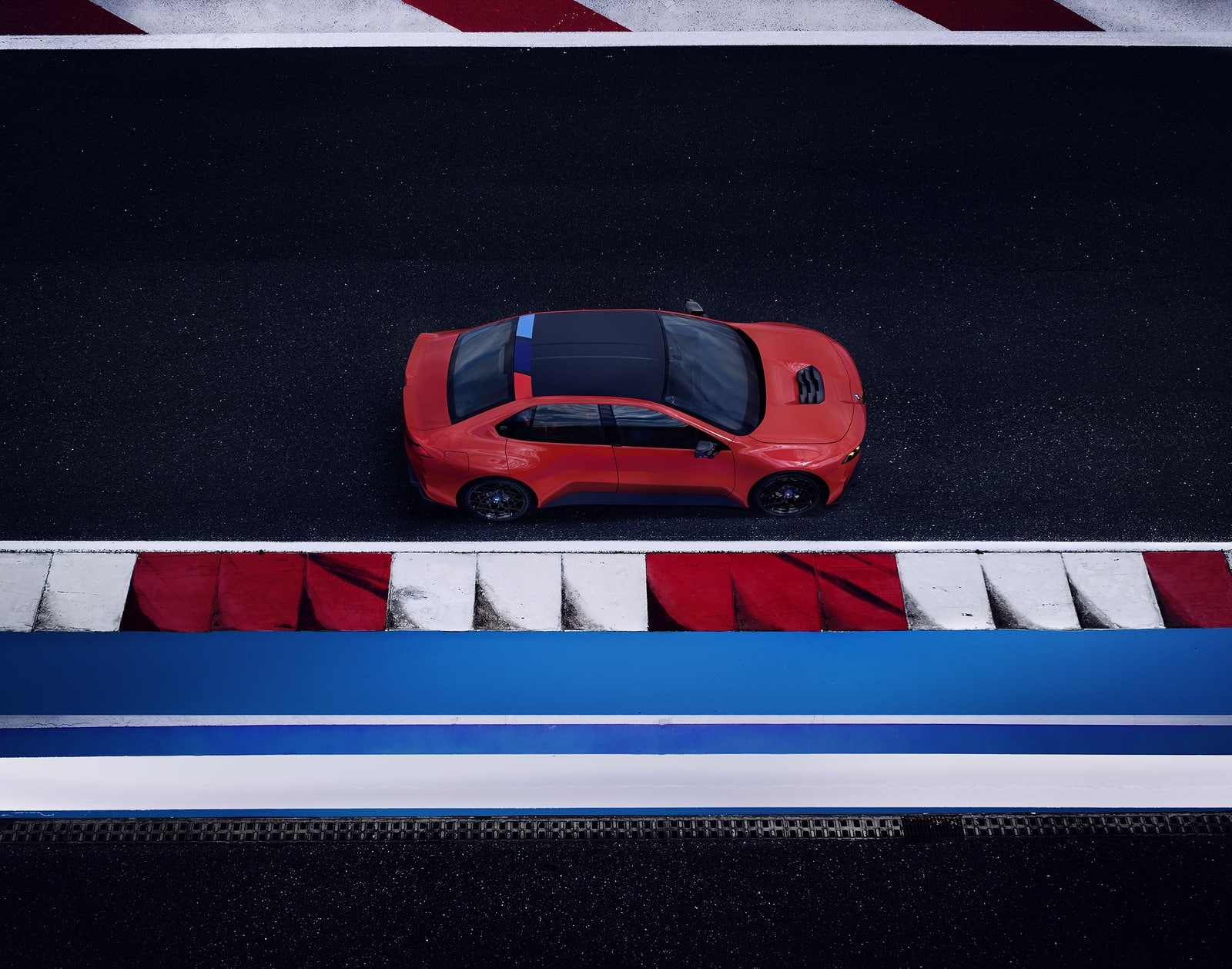
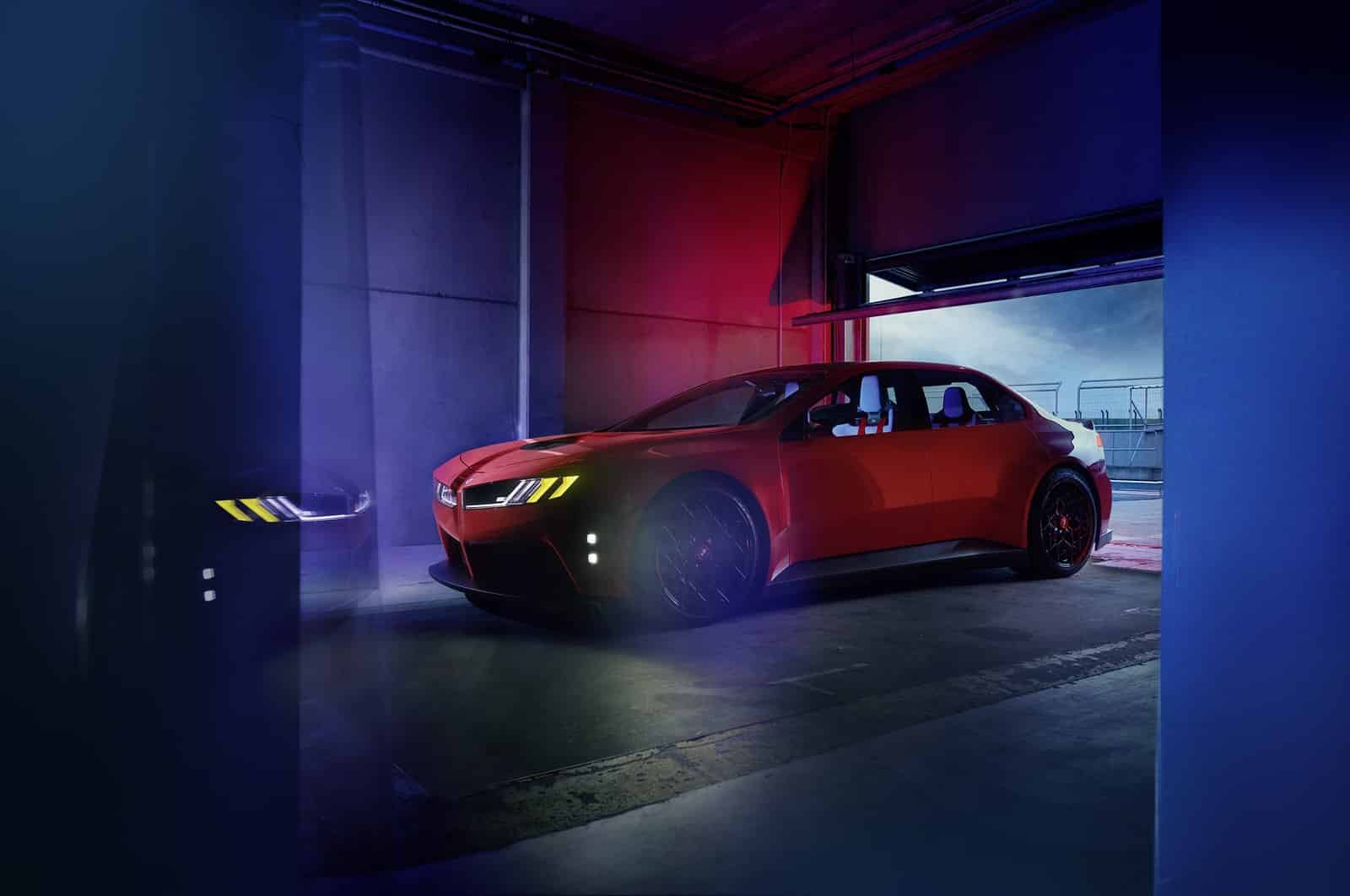
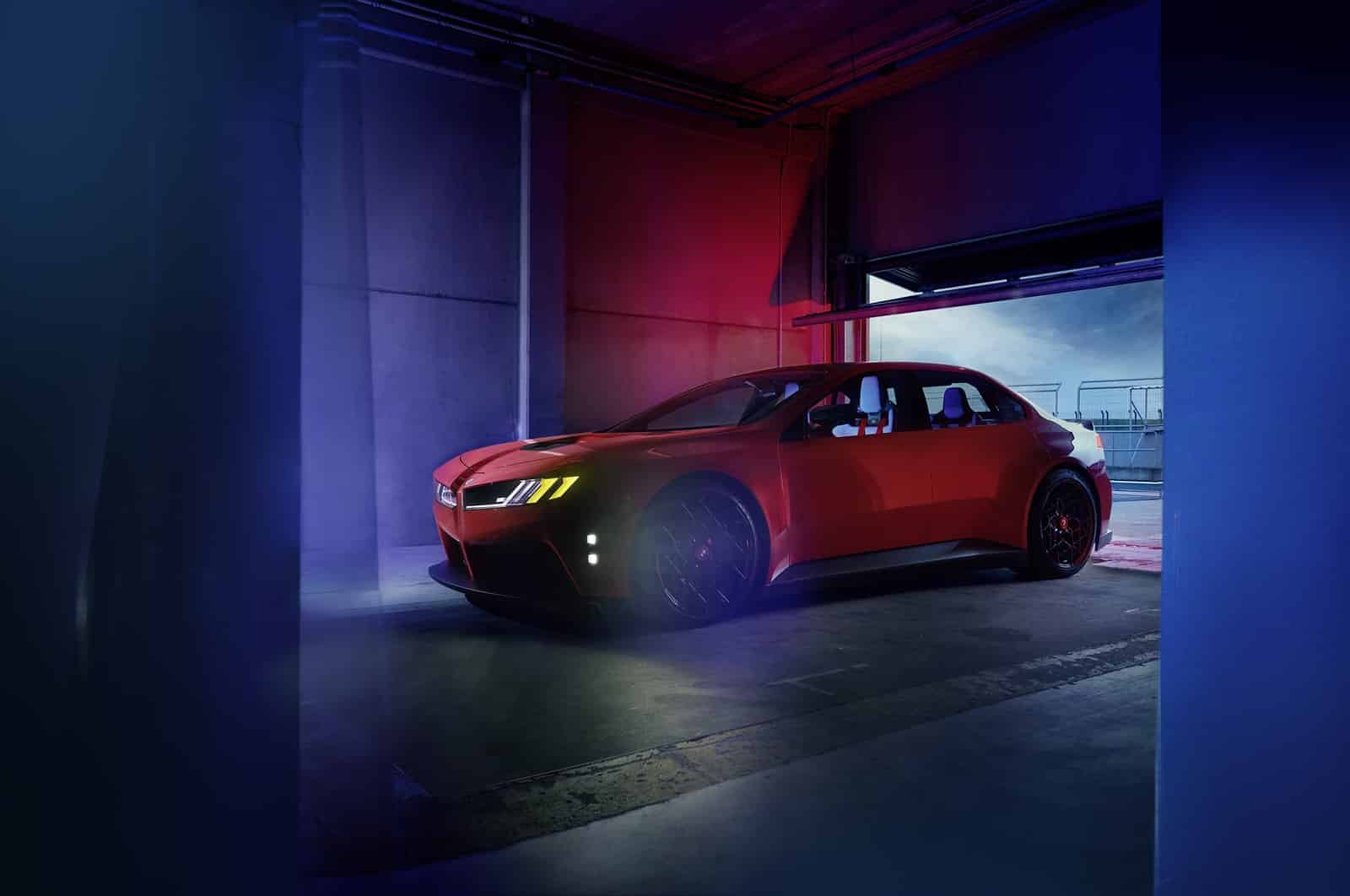
BMW pulled the cover off the M Concept Neue Klasse at the 24 Hours of Le Mans on Friday, June 12, and the car is the closest public look yet at the electric M3 expected in 2027. The concept pairs four electric motors with an 800-volt system and a battery holding more than 100 kWh, wrapped in a new Monza Red metallic paint with a body that previews future M design.
The figure BMW still won’t share is output. When EVXL covered BMW M’s quad-motor technical briefing in January, engineers detailed wheel-by-wheel torque control down to the millisecond and said nothing about horsepower. Five months on, with the bodywork uncovered, that number is still missing.
Four Motors And A Software Brain Replace The Limited-Slip Differential
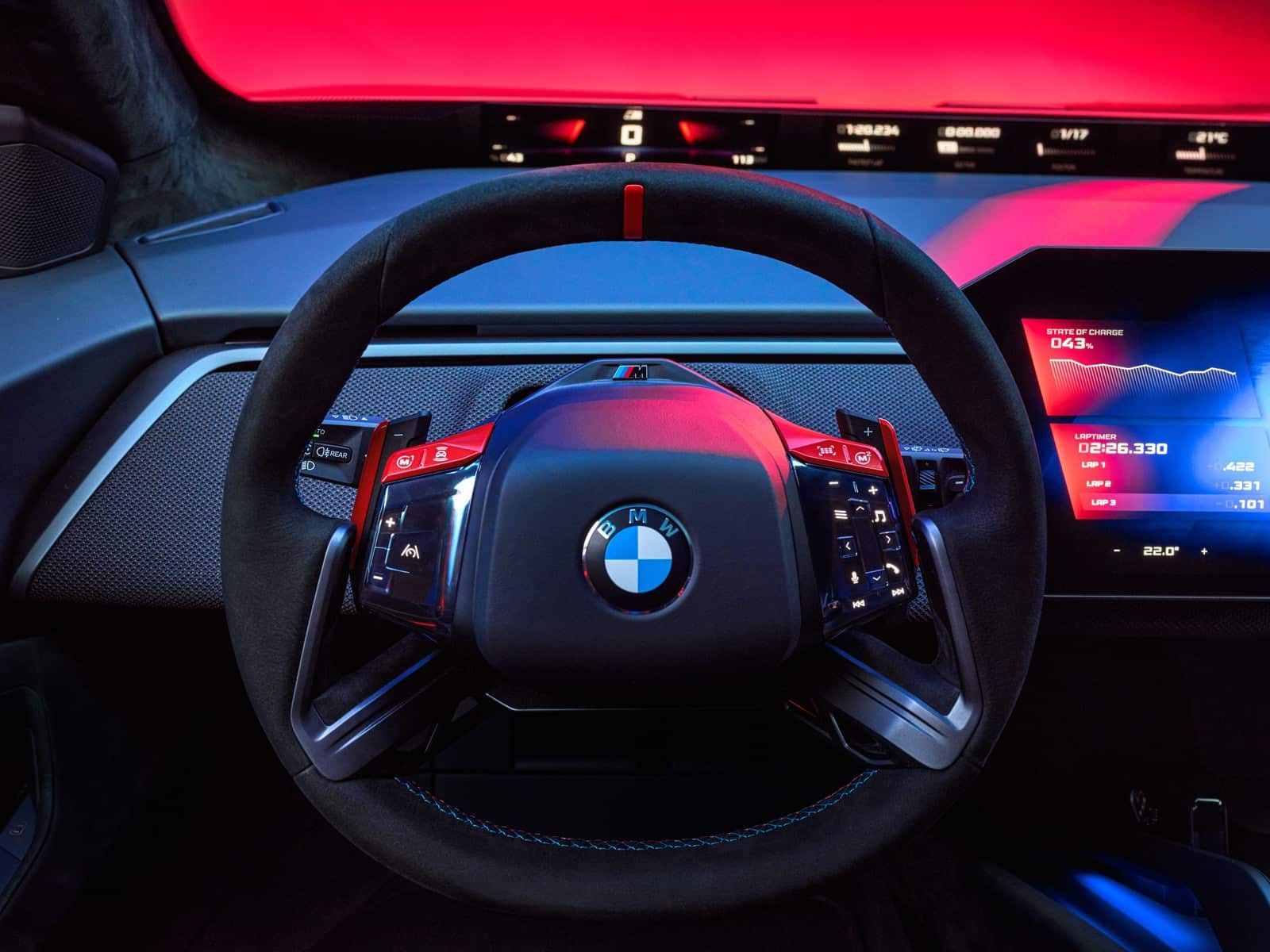
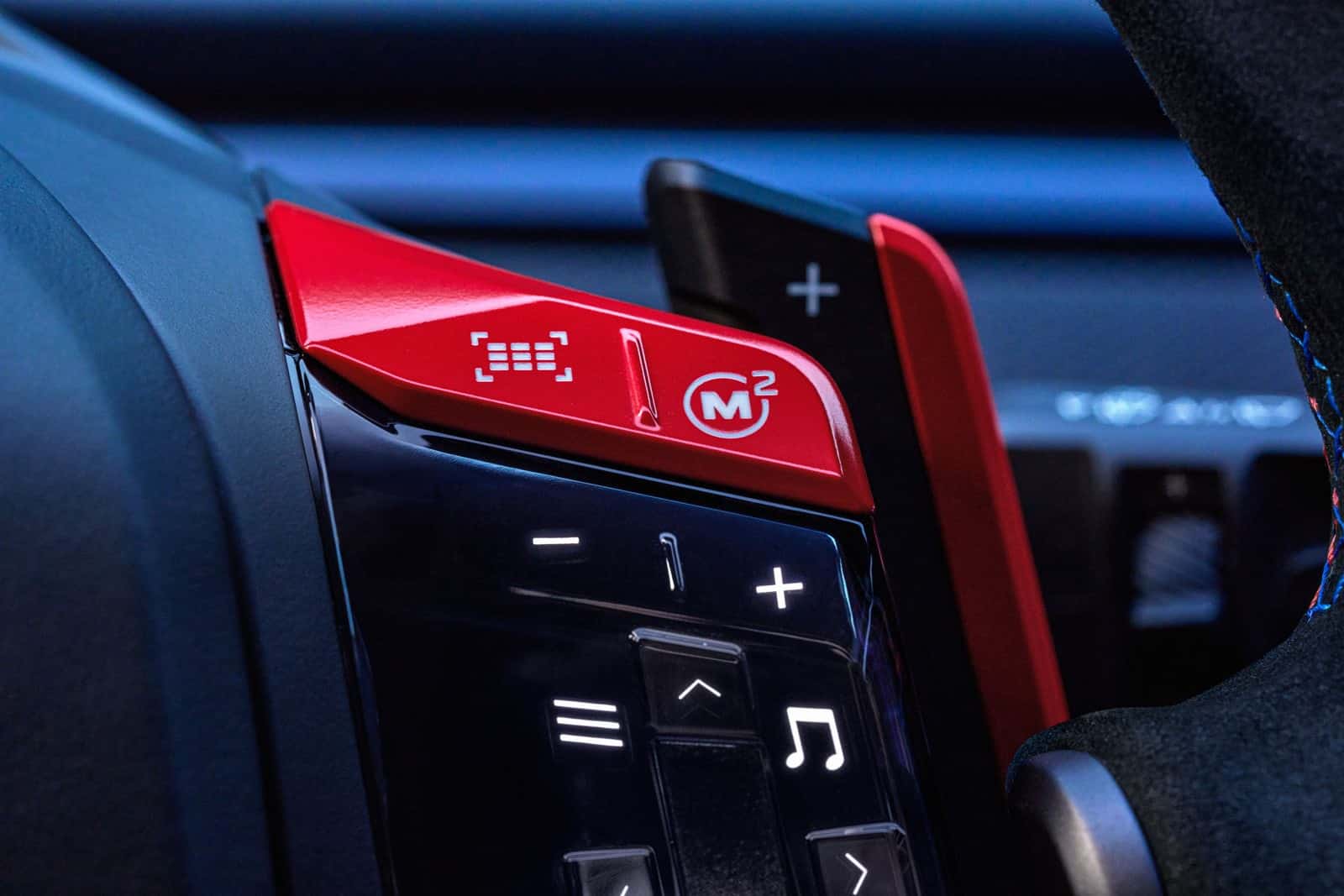
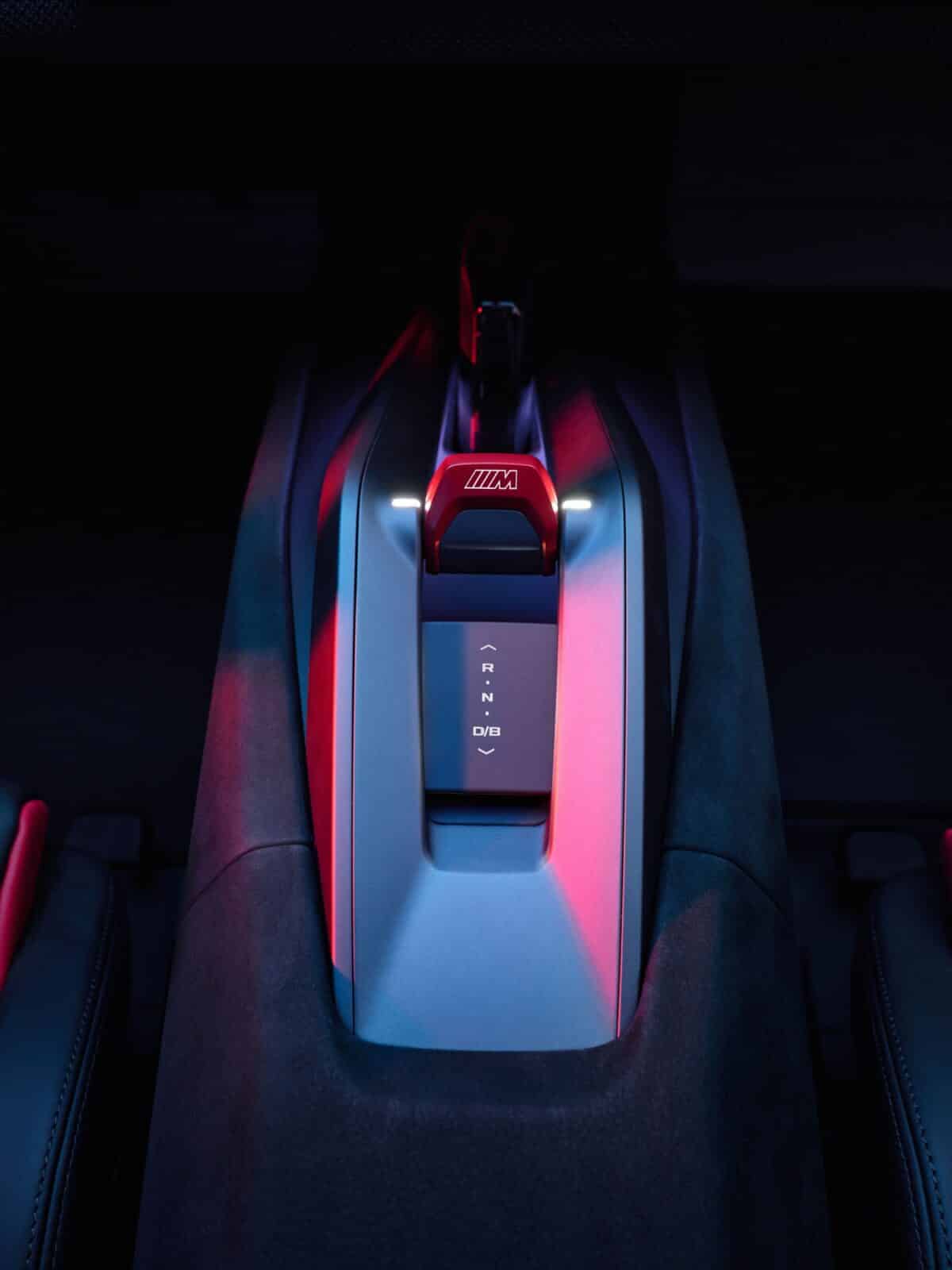
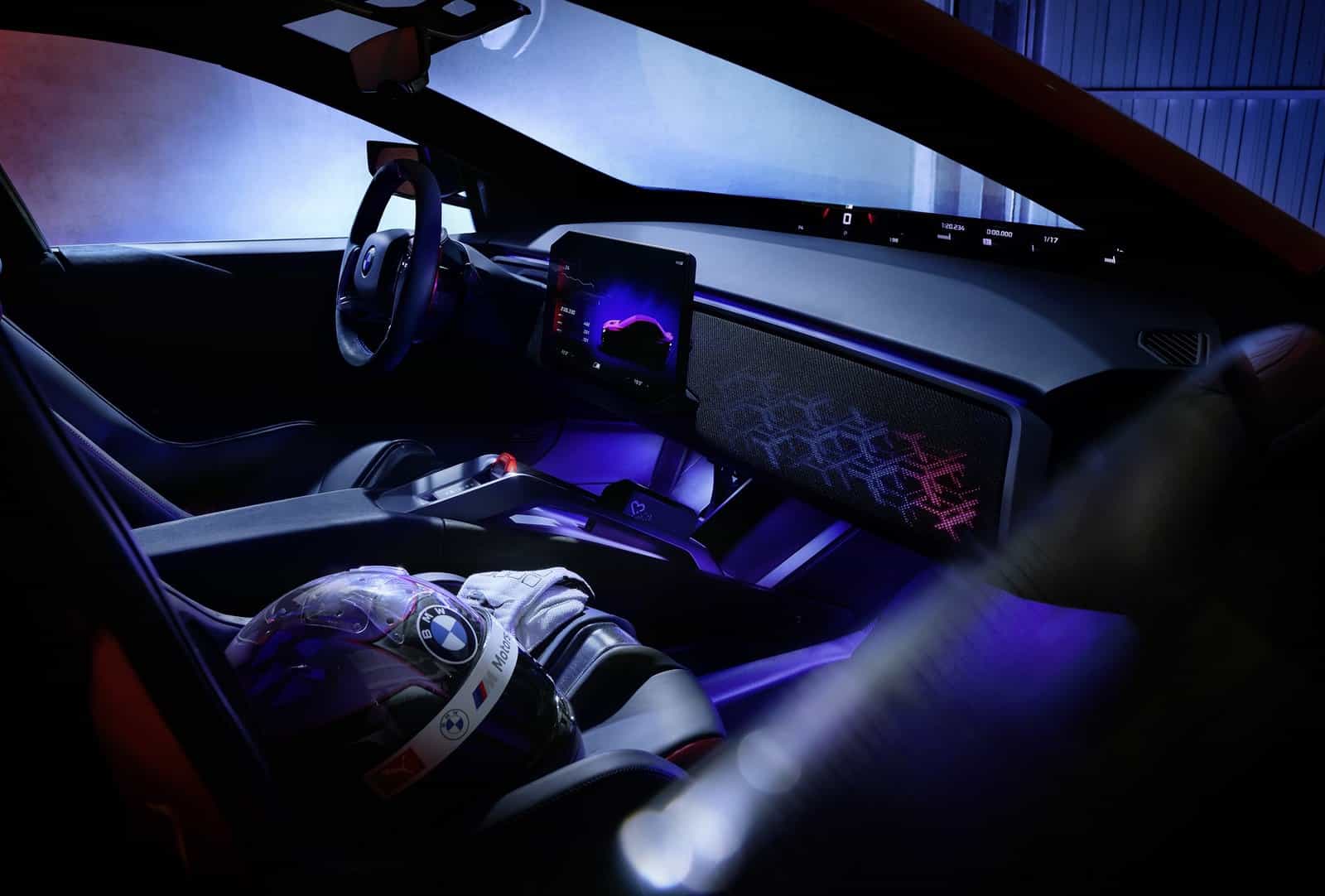
The BMW M eDrive drivetrain pairs four electric motors with M Dynamic Performance Control, software that runs on the central Heart of Joy computer and meters drive and braking at each wheel individually, a job a mechanical limited-slip differential handled in four decades of gasoline M3s.
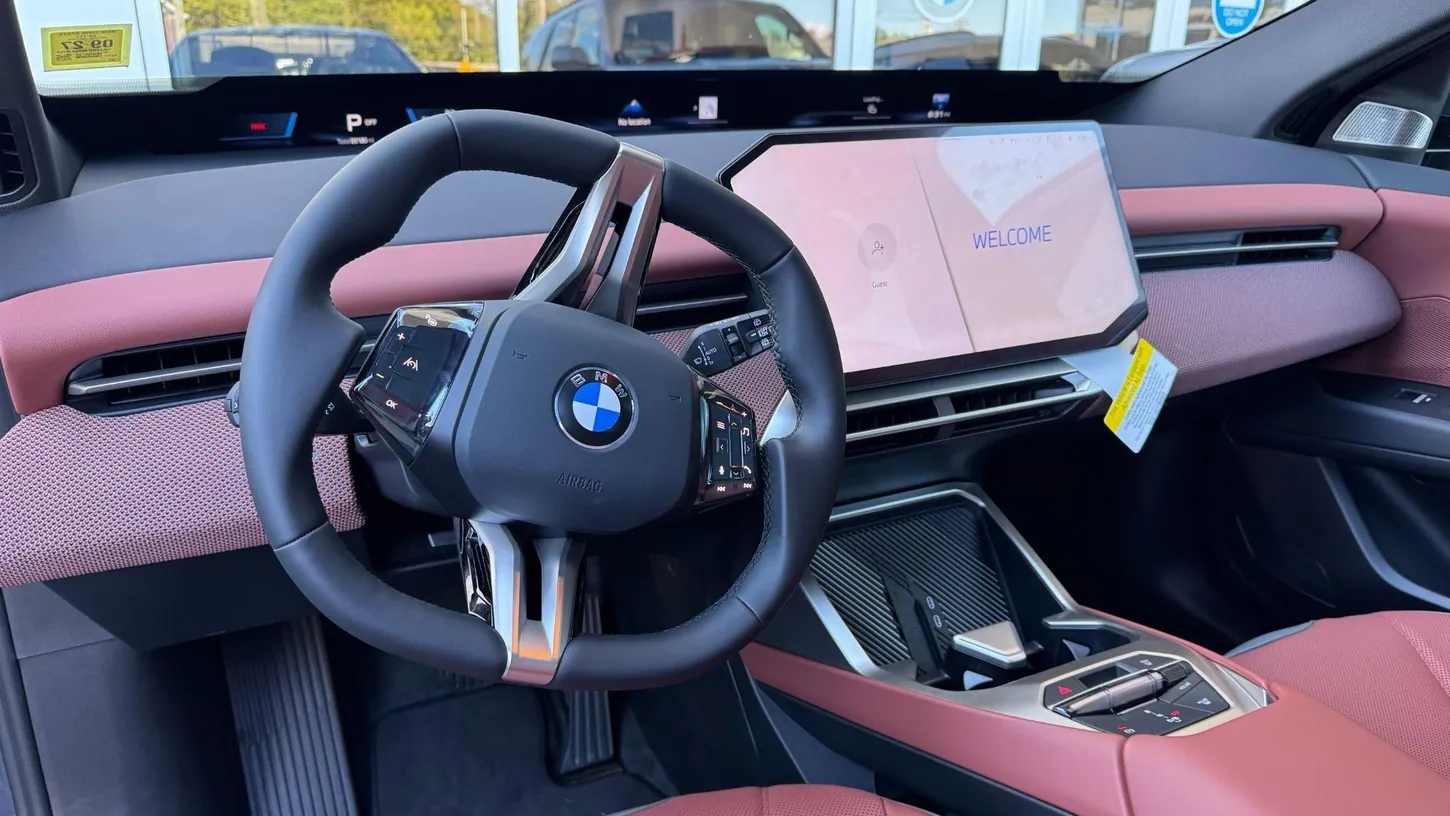
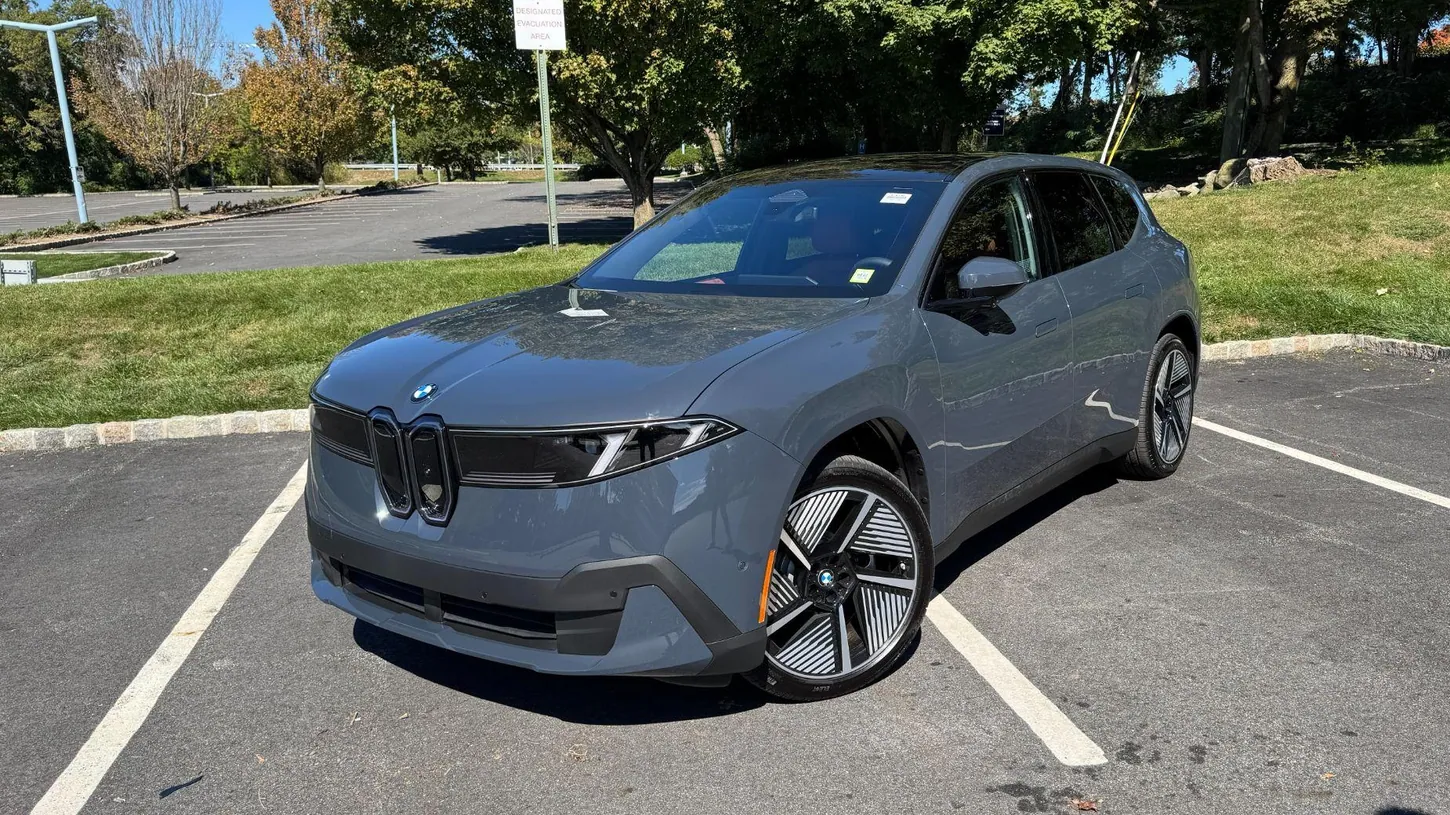
BMW says the setup raises recuperation performance and keeps traction intact at the limit. It all sits on the sixth-generation eDrive technology under the i3 sedan and iX3 SUV.
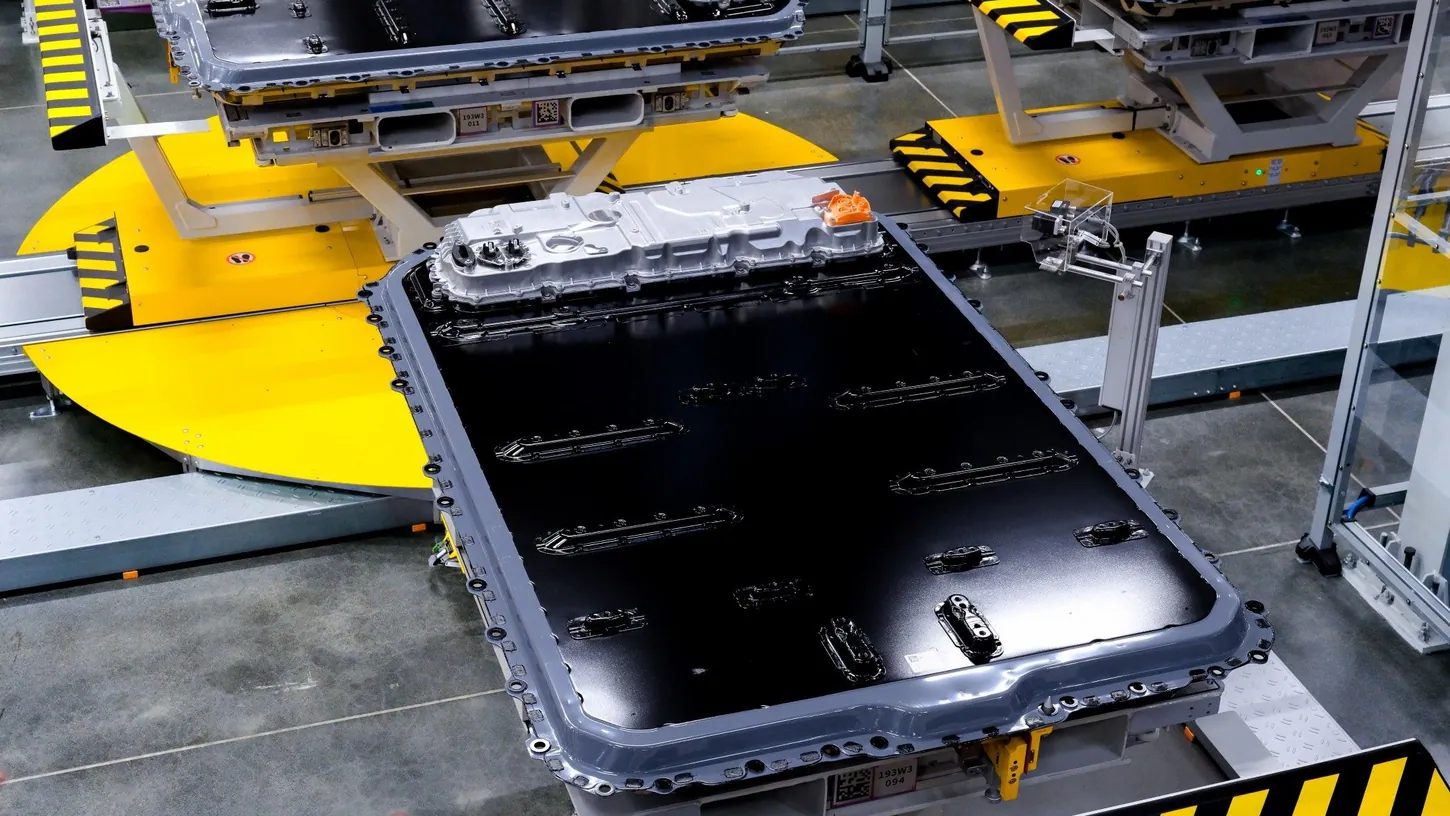
The battery tells the M-specific story. Capacity exceeds 100 kWh, drawn from sixth-generation cylindrical cells in an M-optimized spec built for sustained discharge and charging loads. The pack housing ties structurally into both axles, so the battery doubles as a stiffening element for the chassis.
BMW left a charging figure out of the official announcement, but the donor car sets the floor: the production i3 peaks at 400 kW on this same architecture, as EVXL detailed in the i3 reveal coverage on March 18. Output estimates across reports range between roughly 650 horsepower and four figures, none of it confirmed. BMW stops short of calling the car an M3 at all, which lets it hold the spec sheet for the production reveal.
The Design Trades Carbon Fiber For Natural Fiber Inside And Out
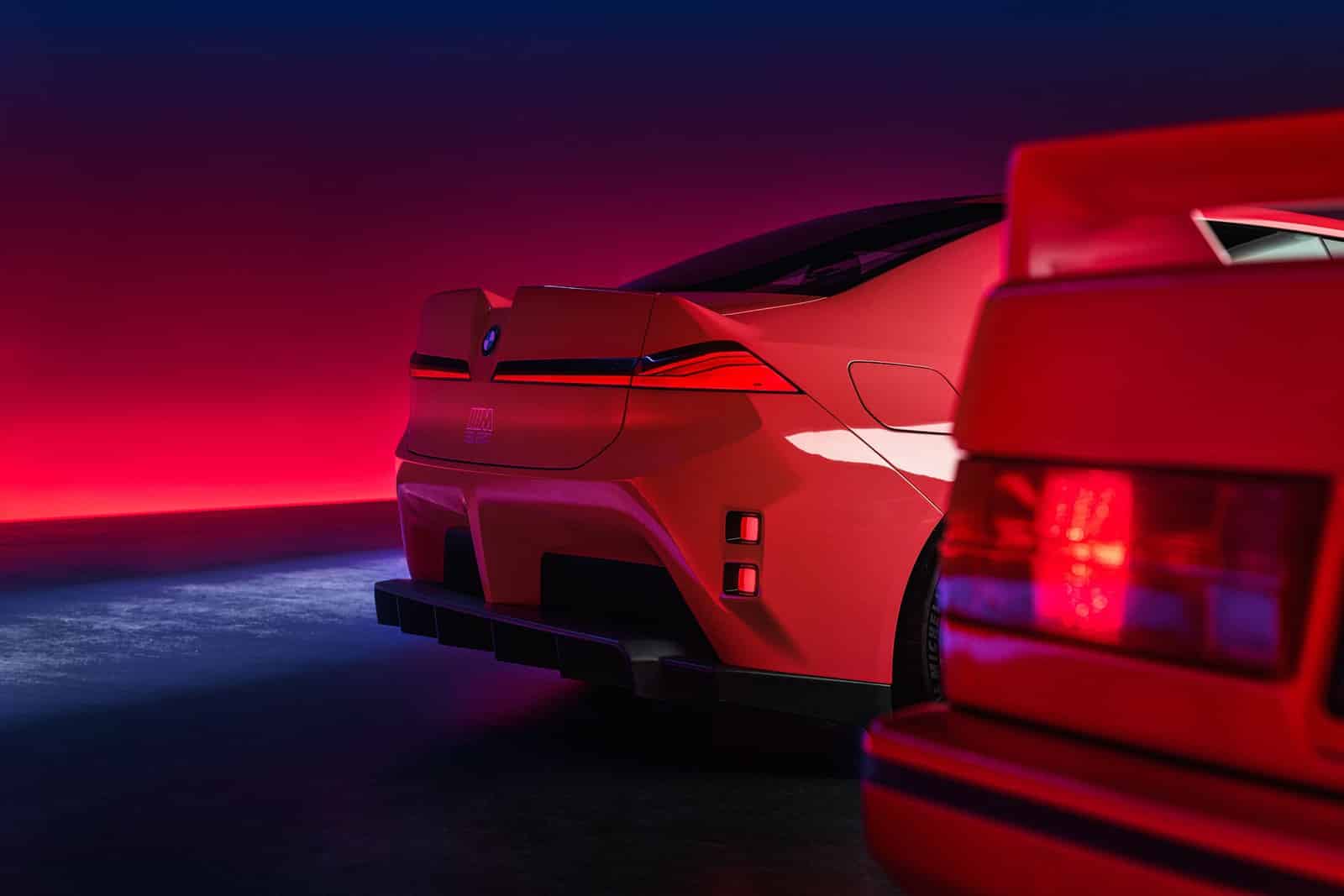
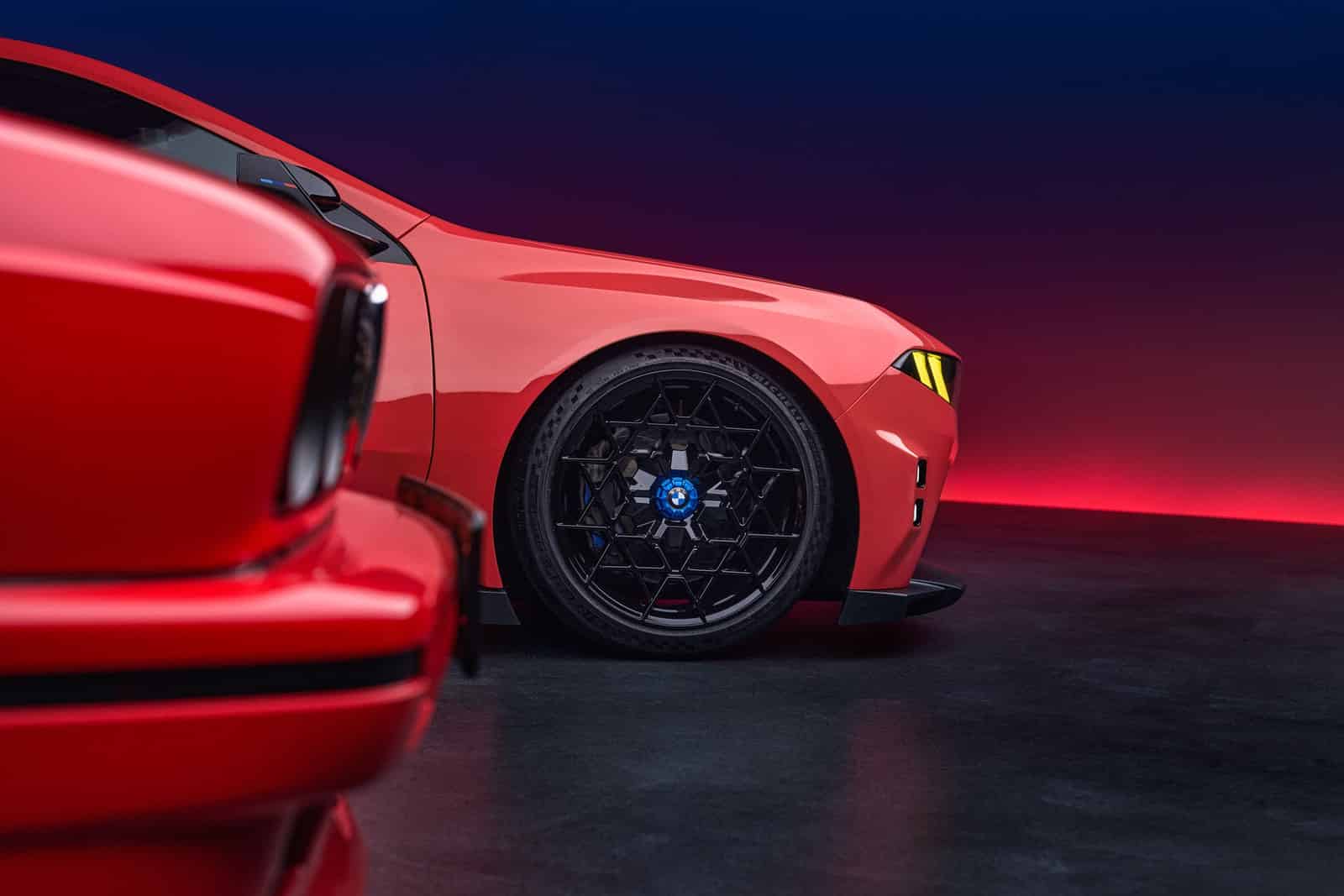
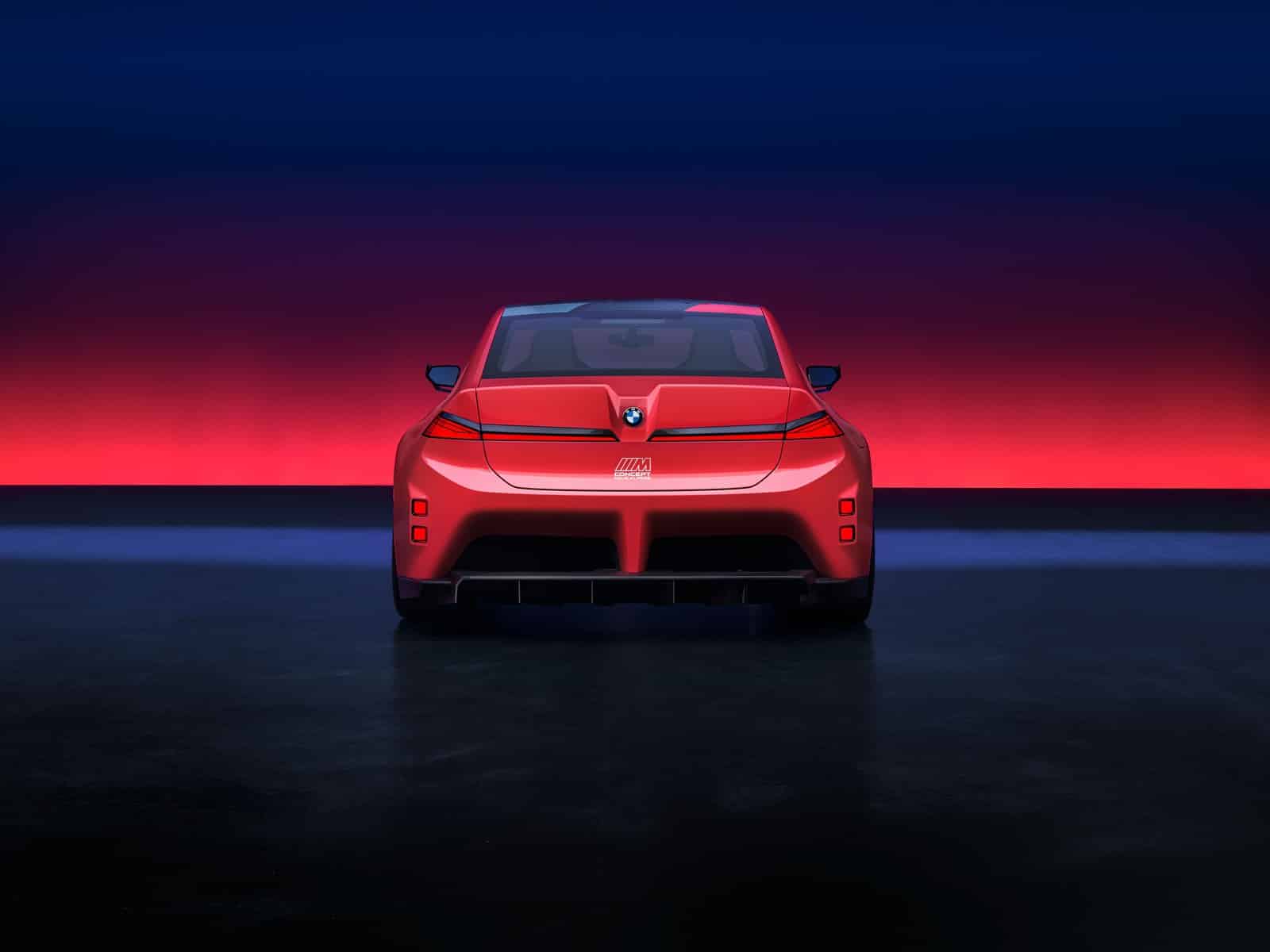
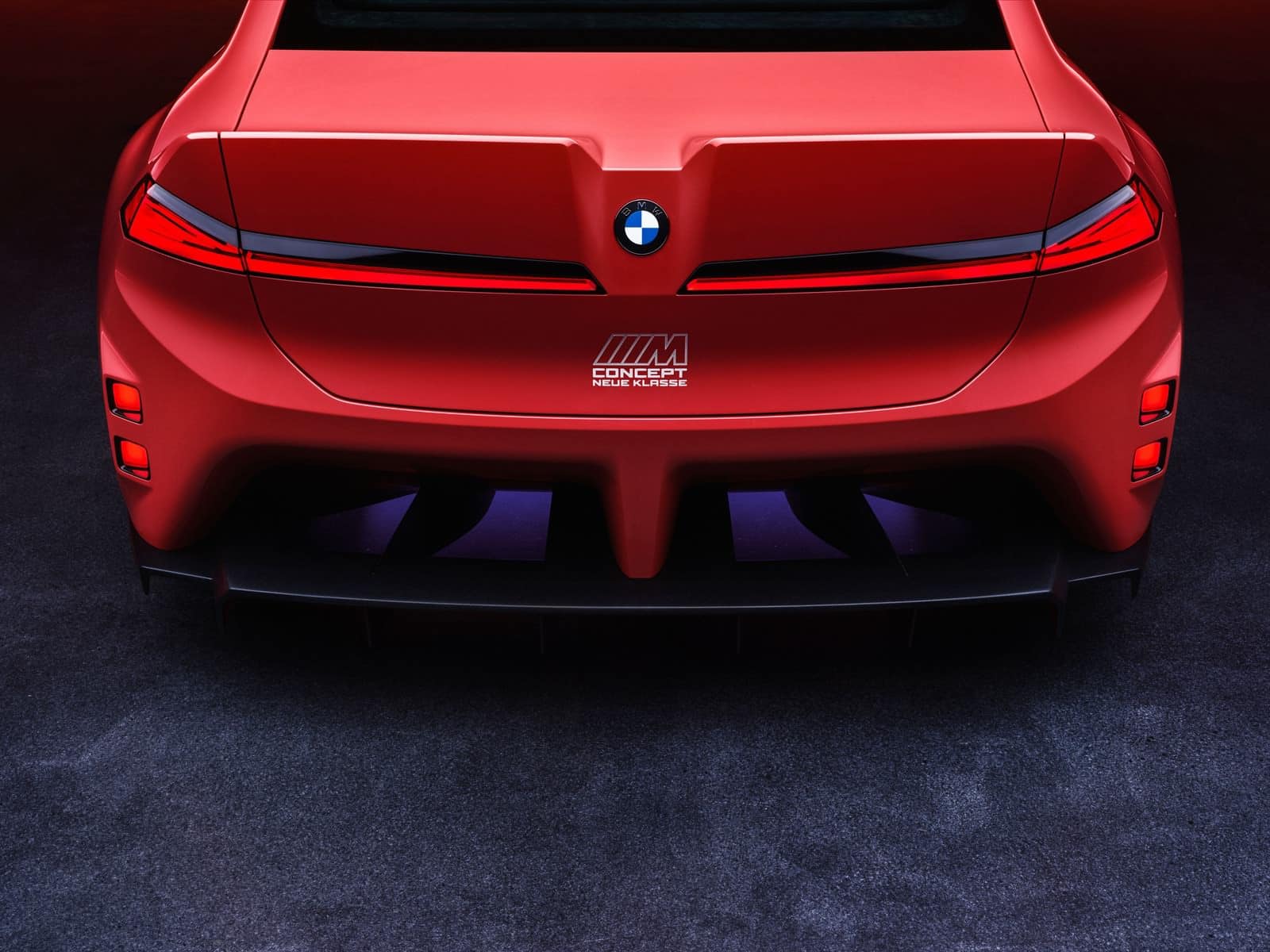
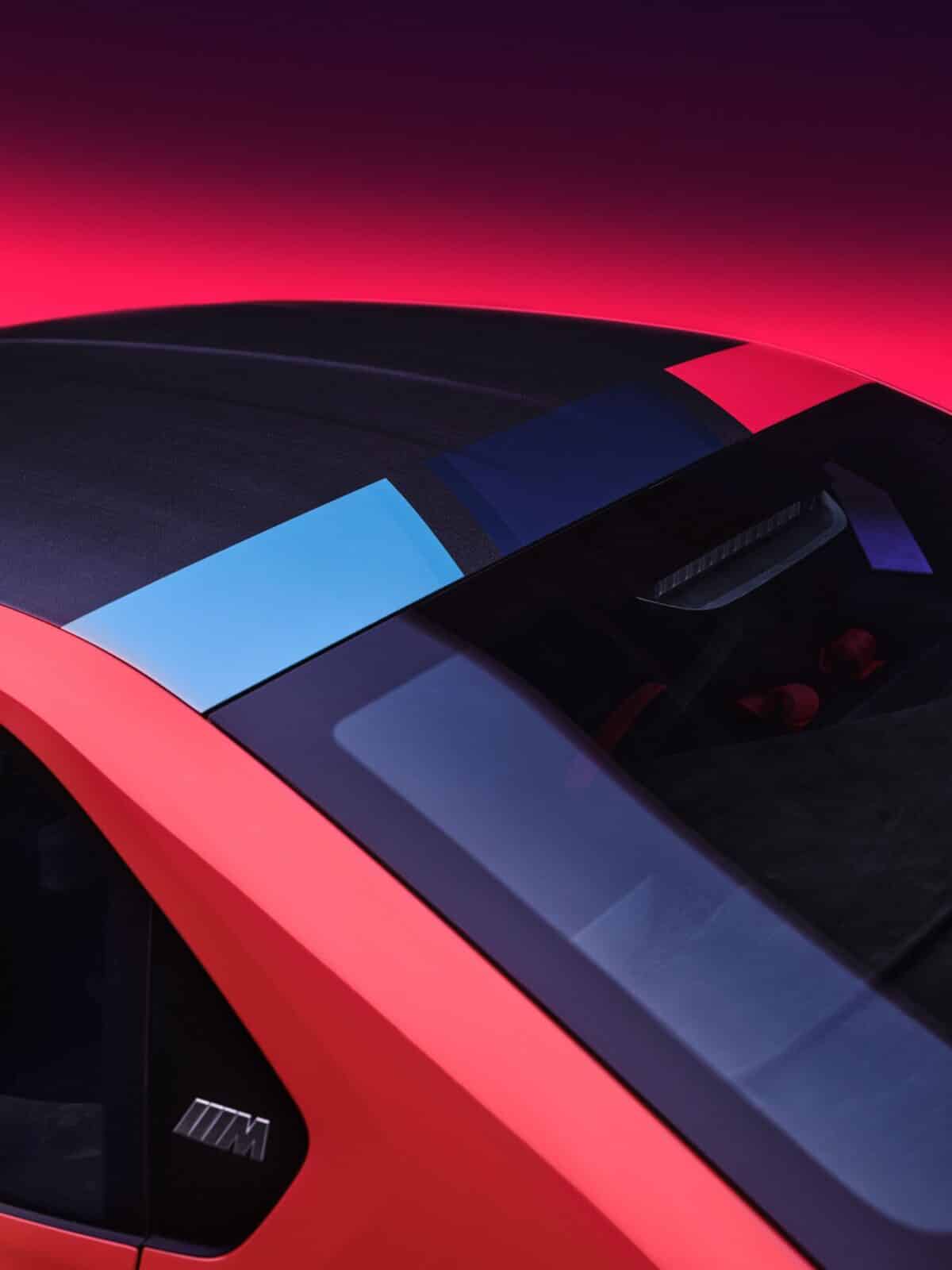
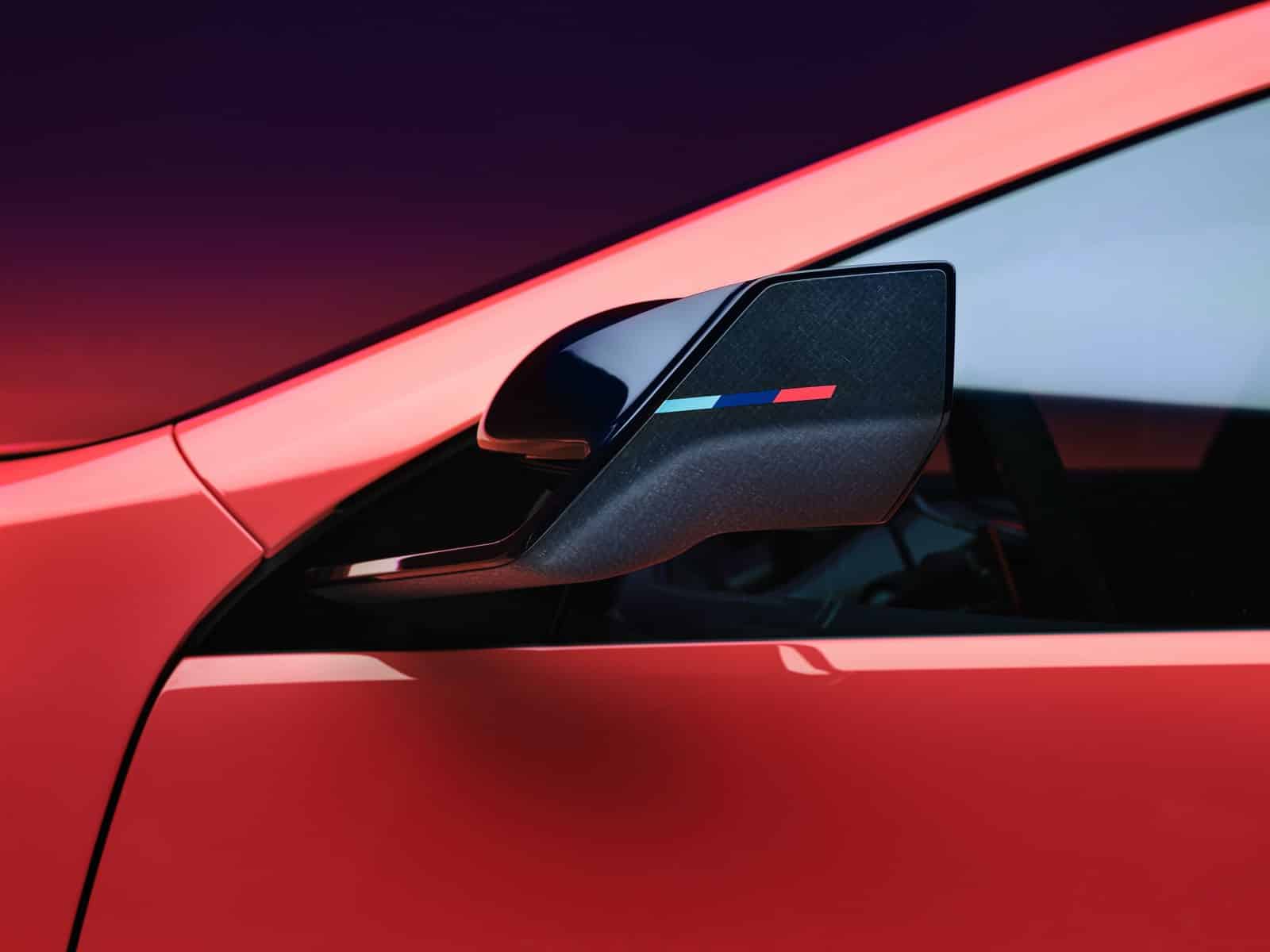
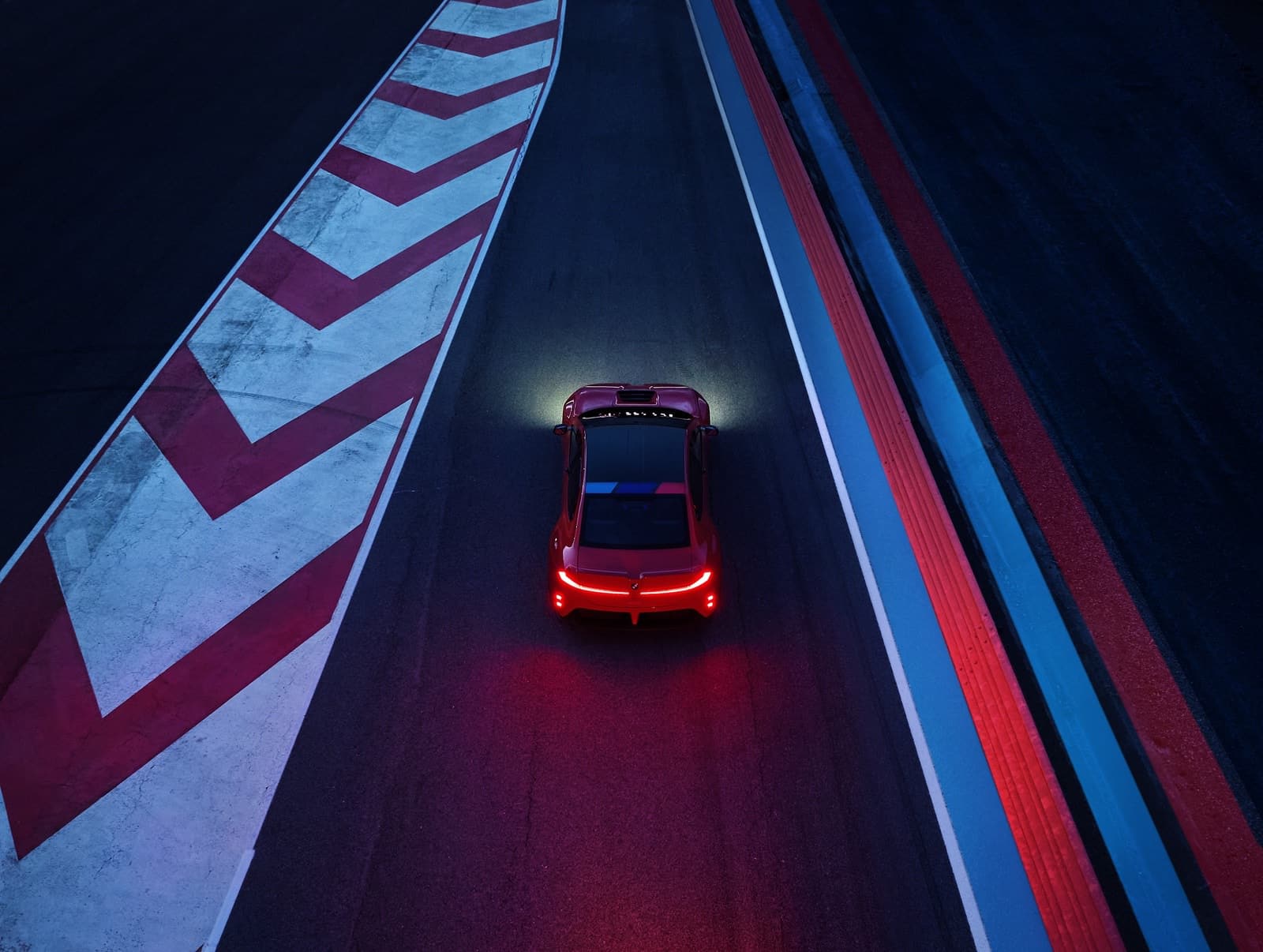
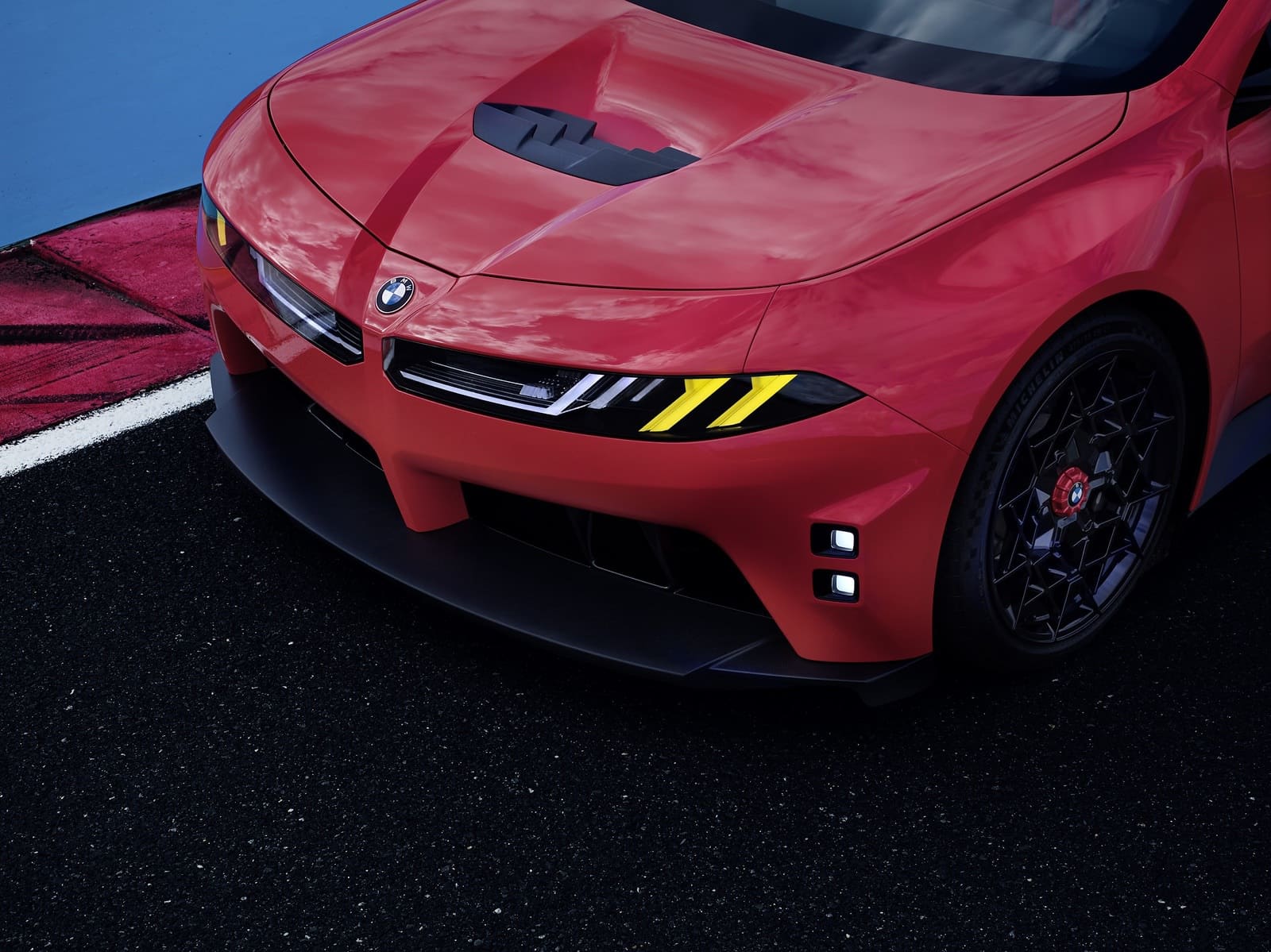
Natural-fiber composites stand in for carbon fiber on the concept’s aero hardware, including the front splitter and the rear diffuser, and BMW finishes the roof graphic in refined natural fiber with M branding for the first time anywhere in its lineup. That breaks with the exposed carbon roofs M has treated as a calling card for two decades.
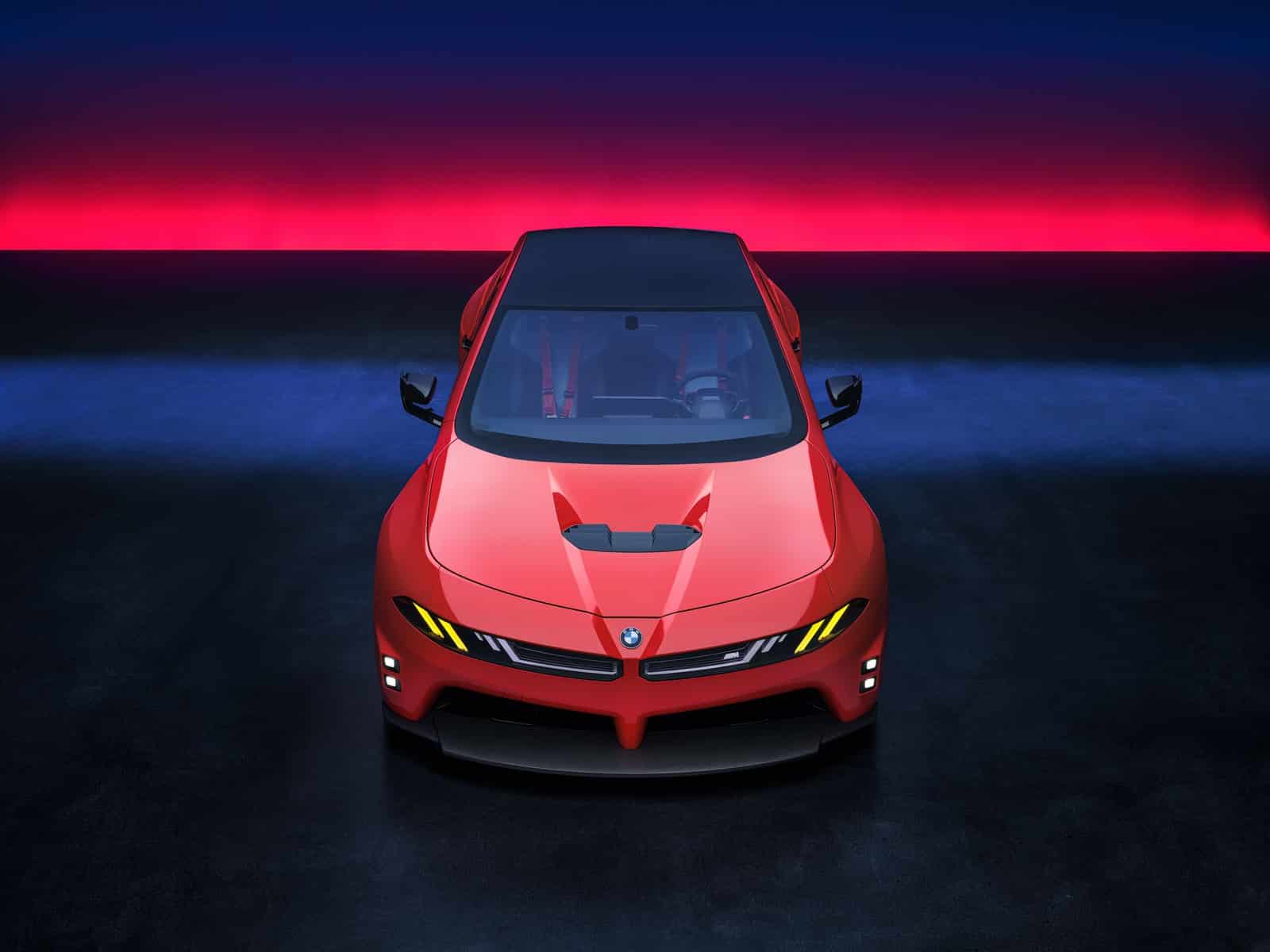
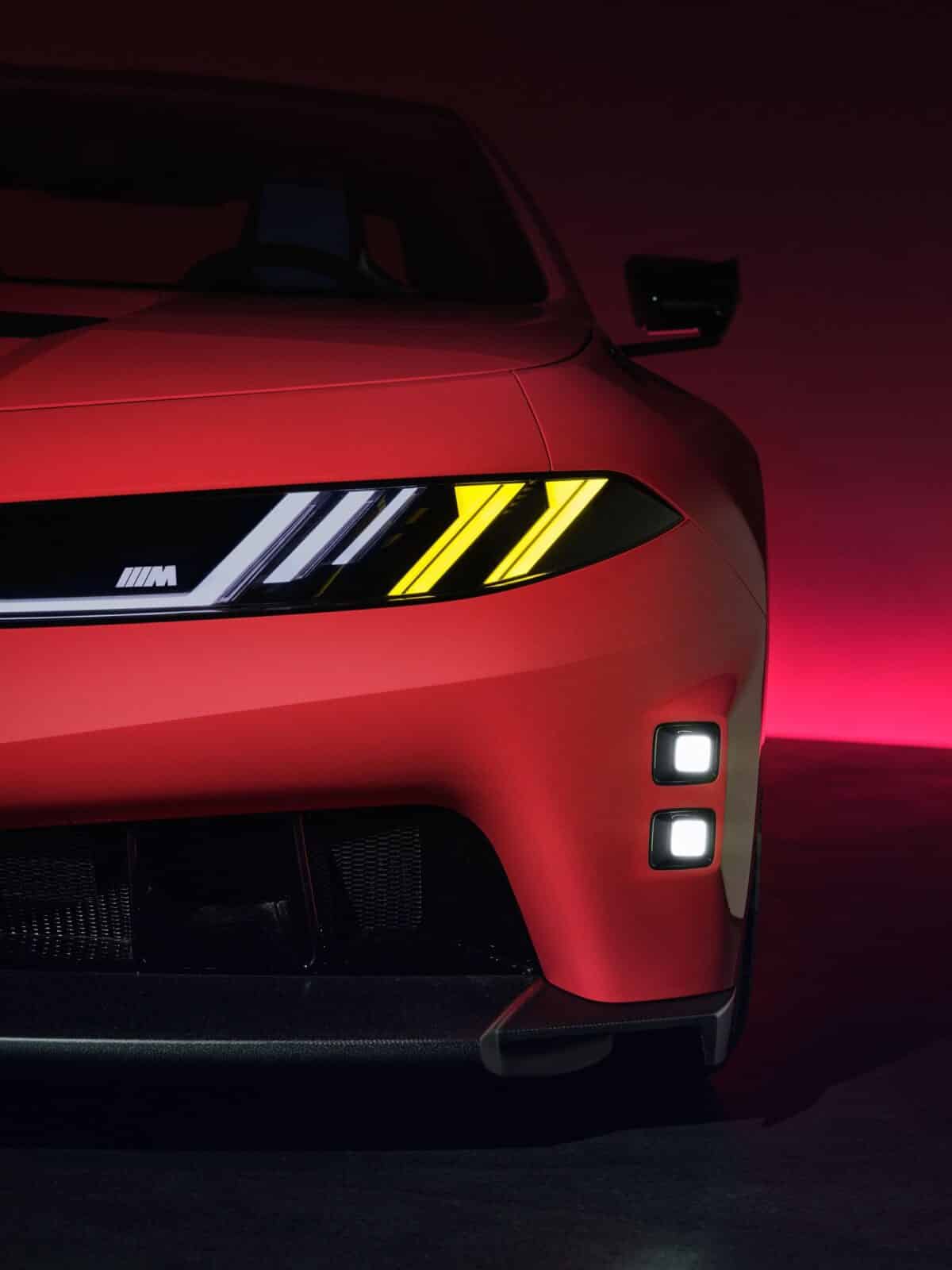
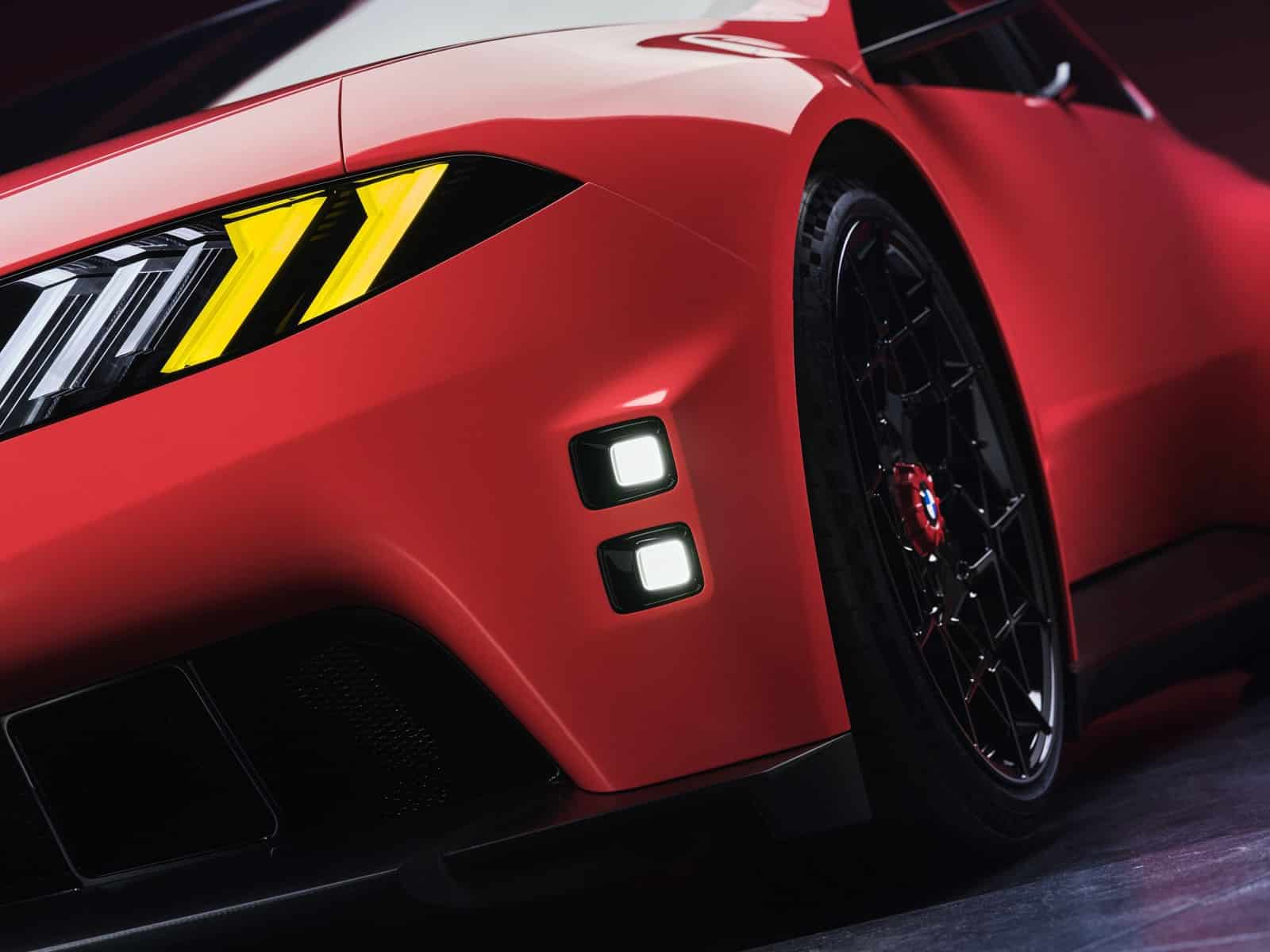
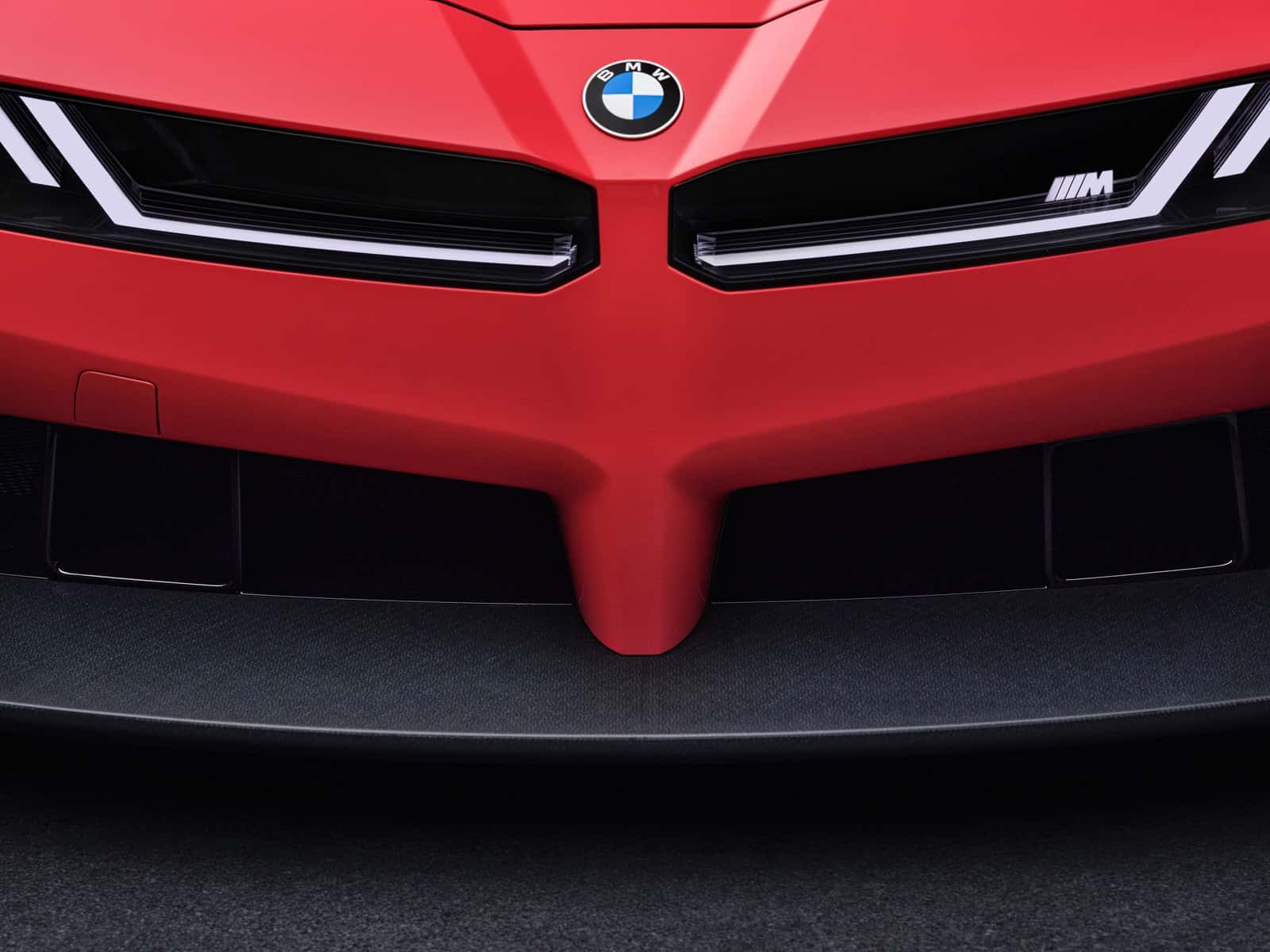
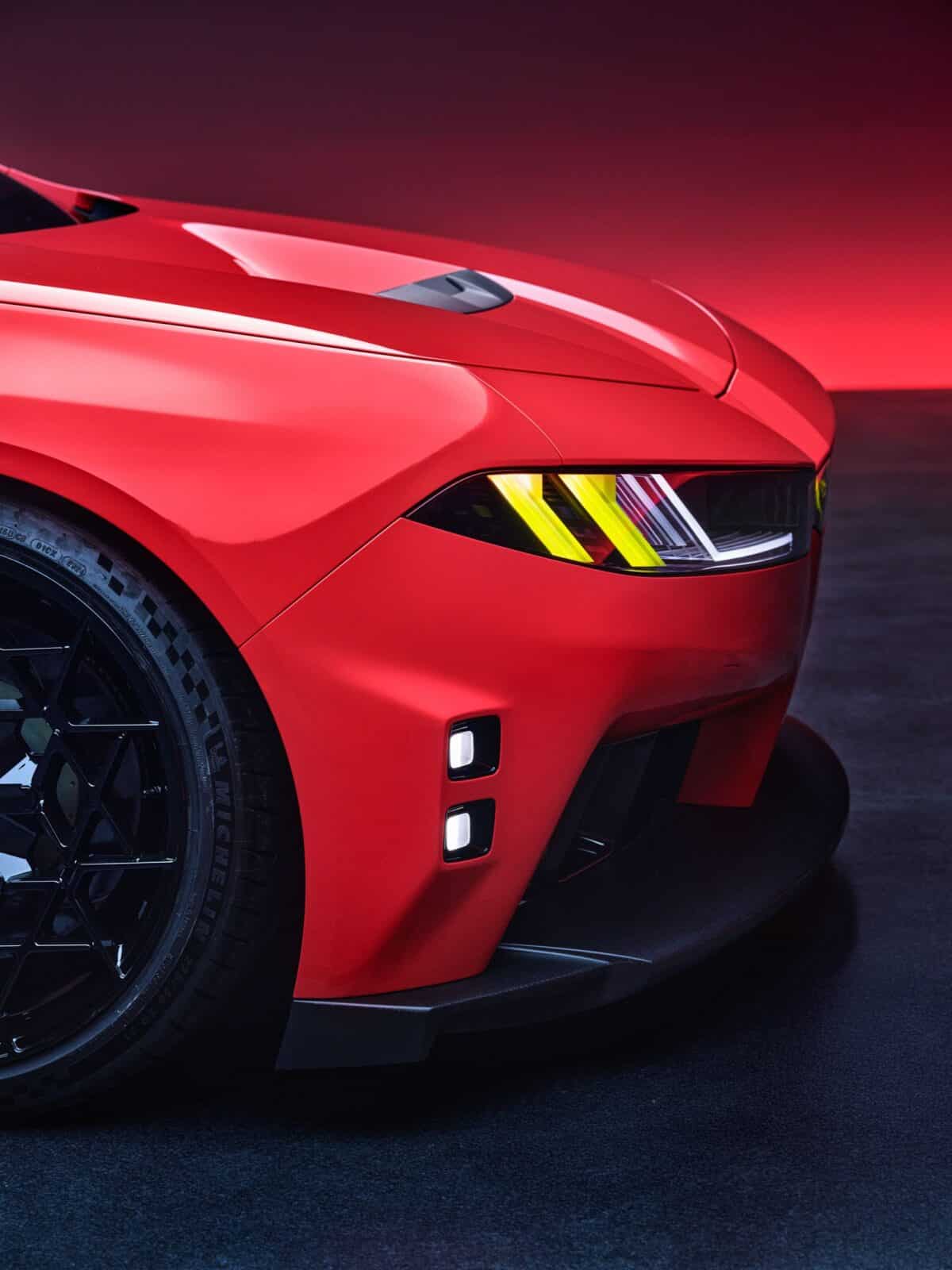
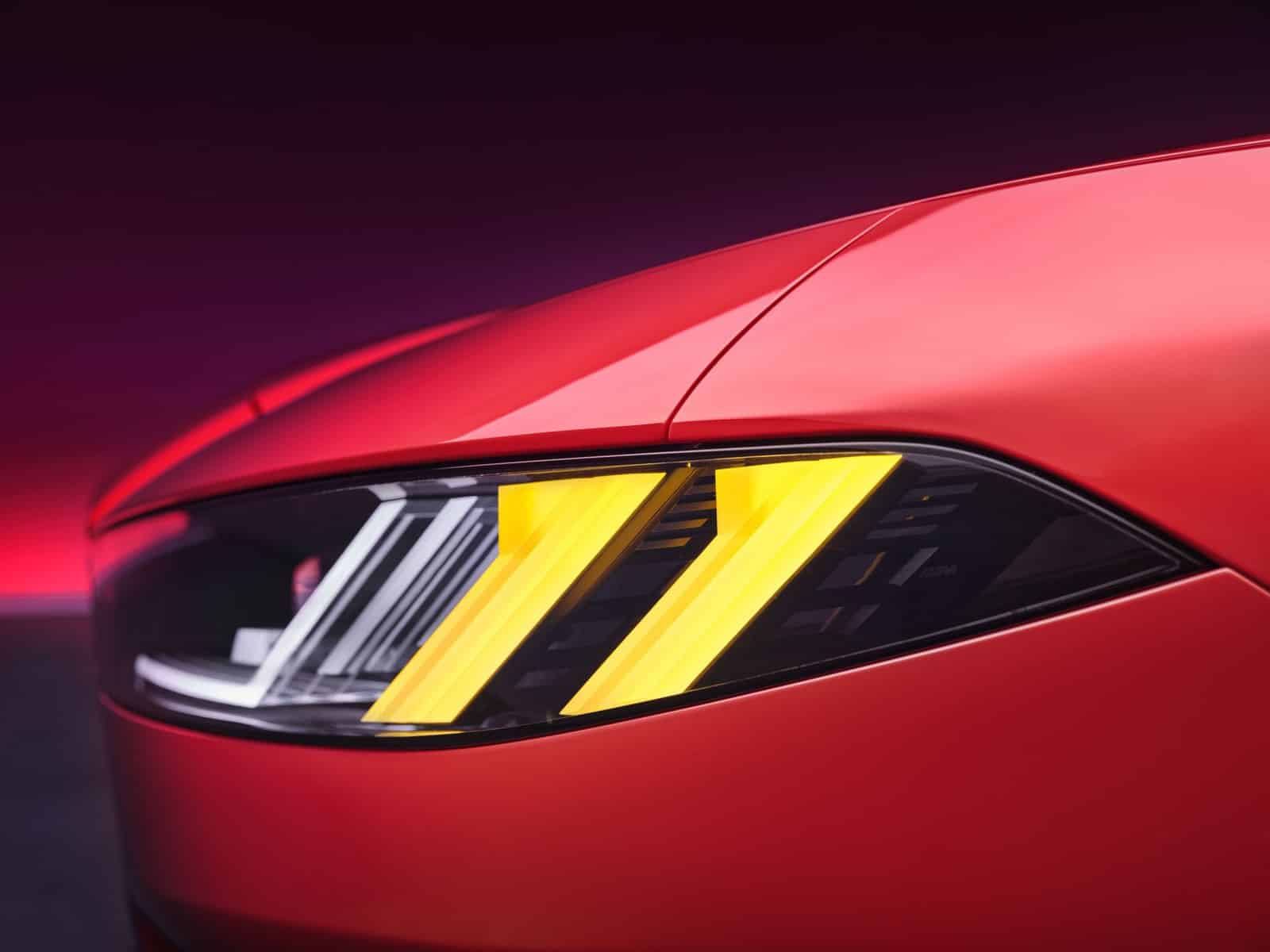
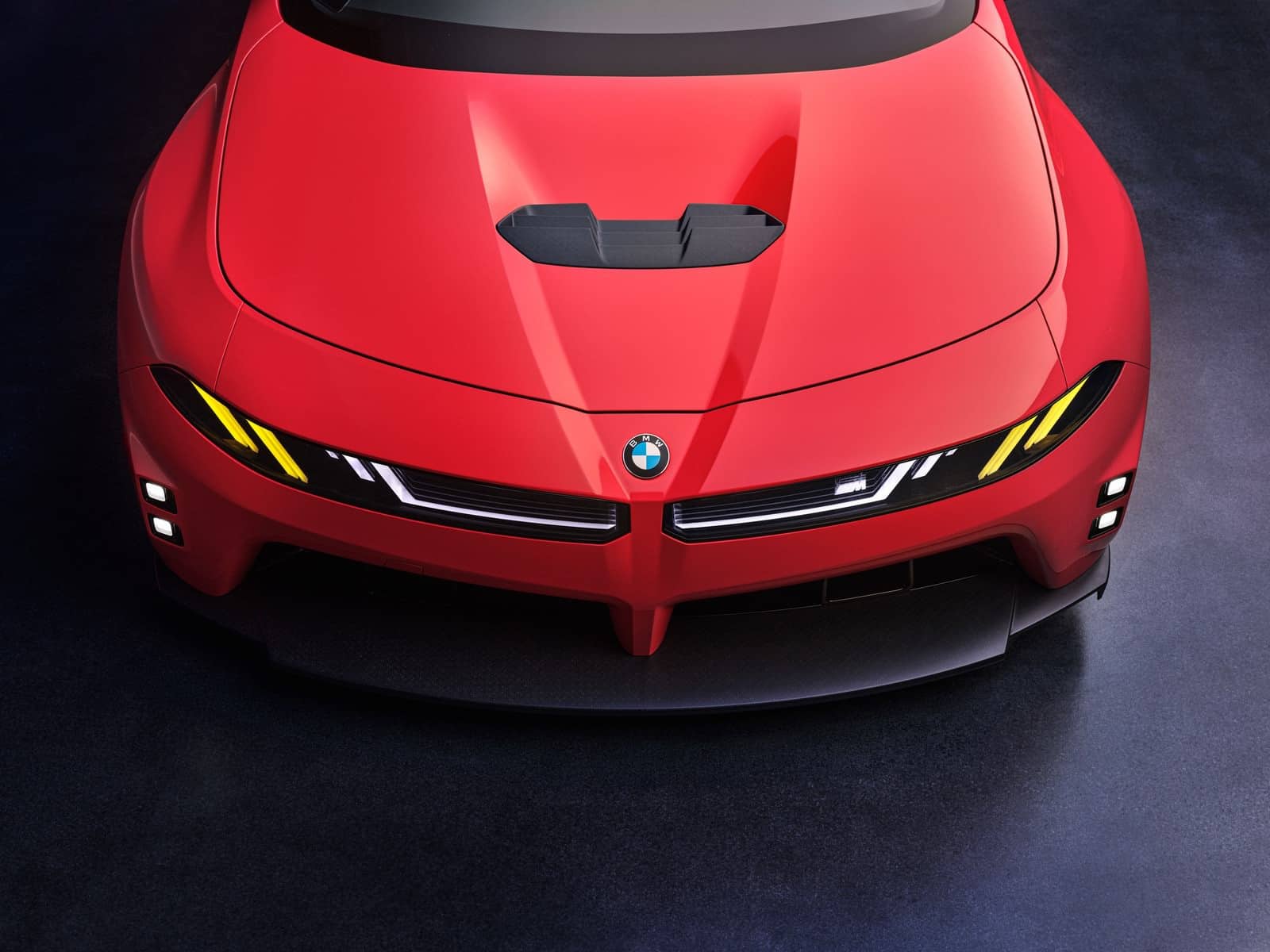
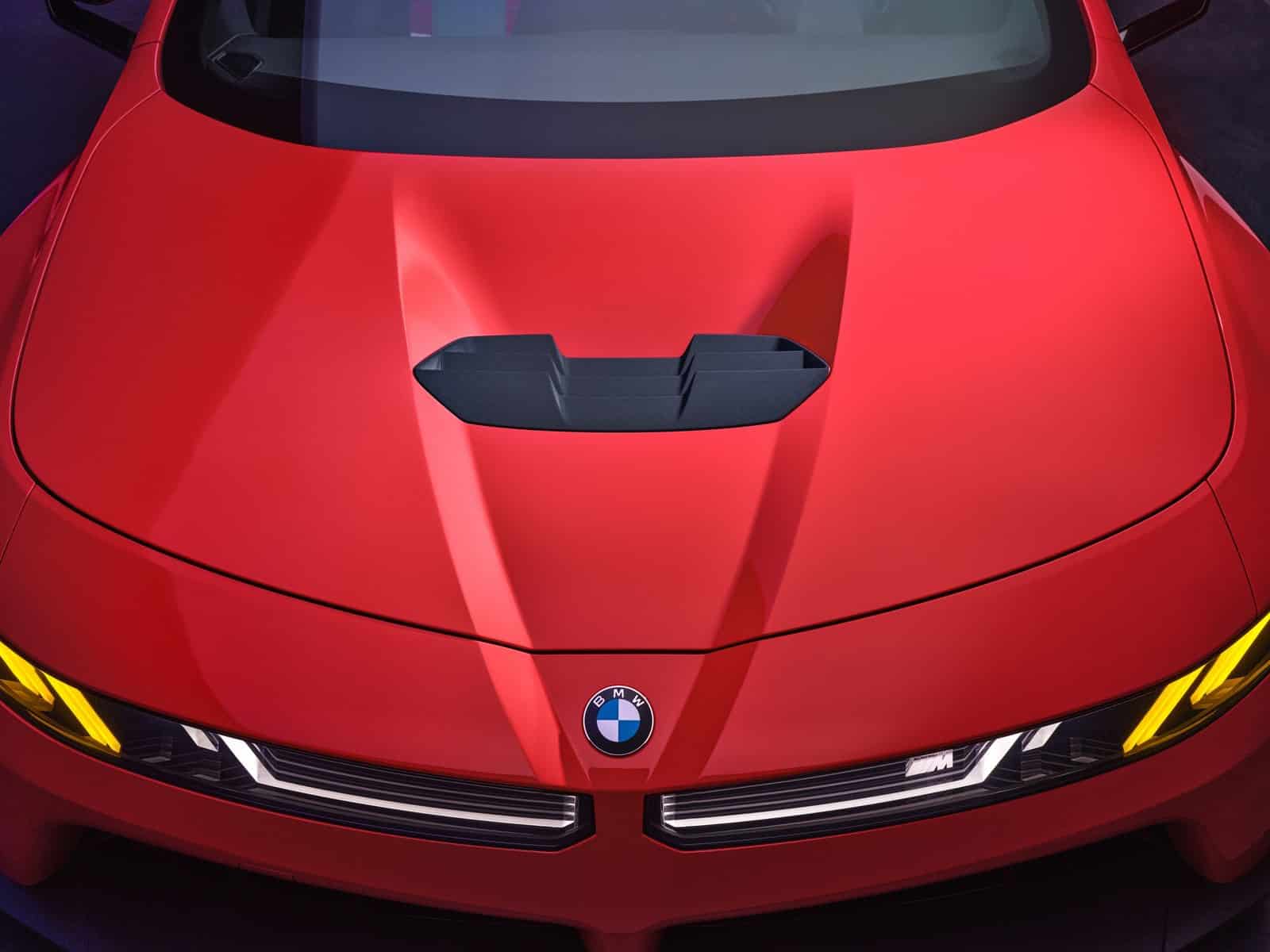
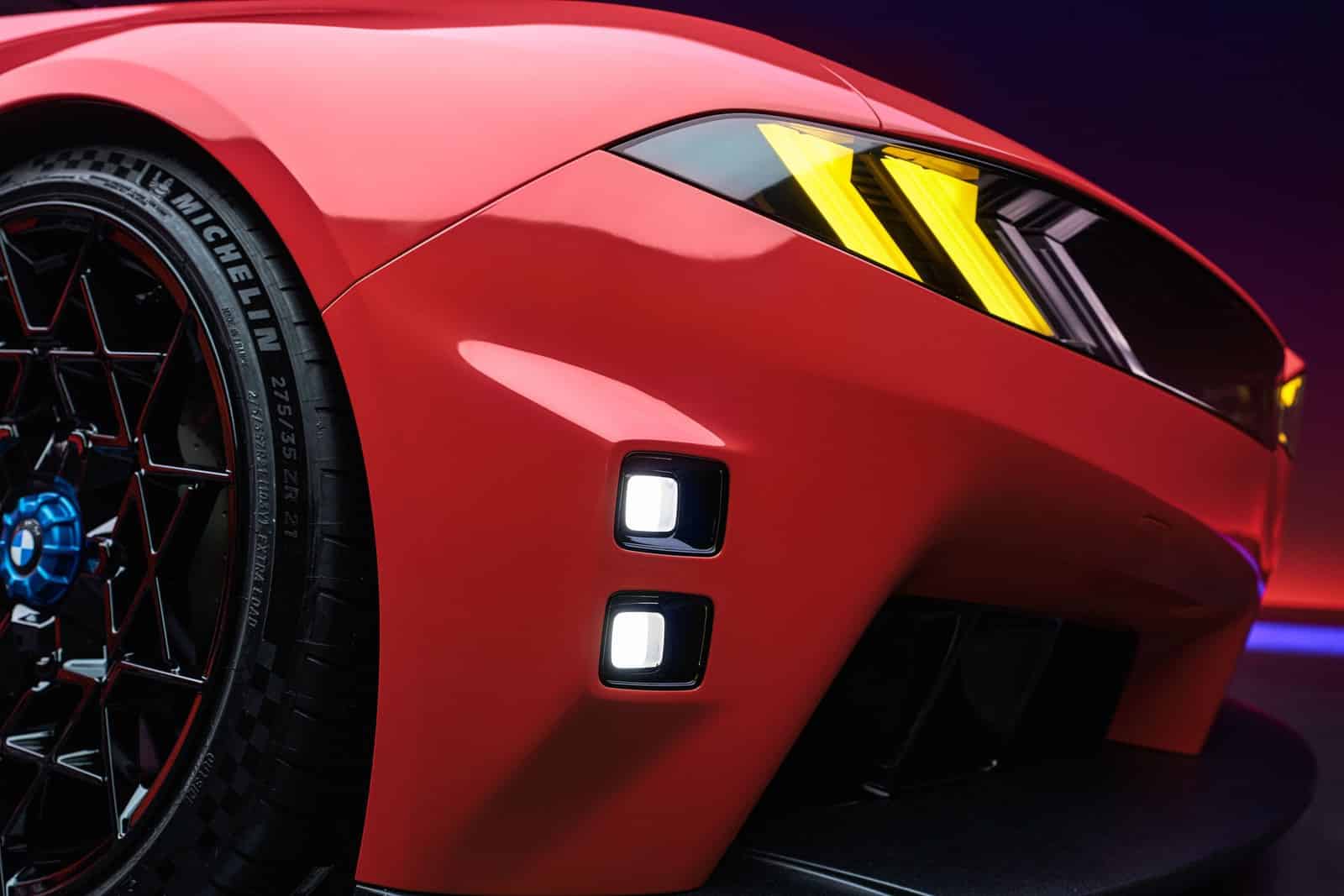
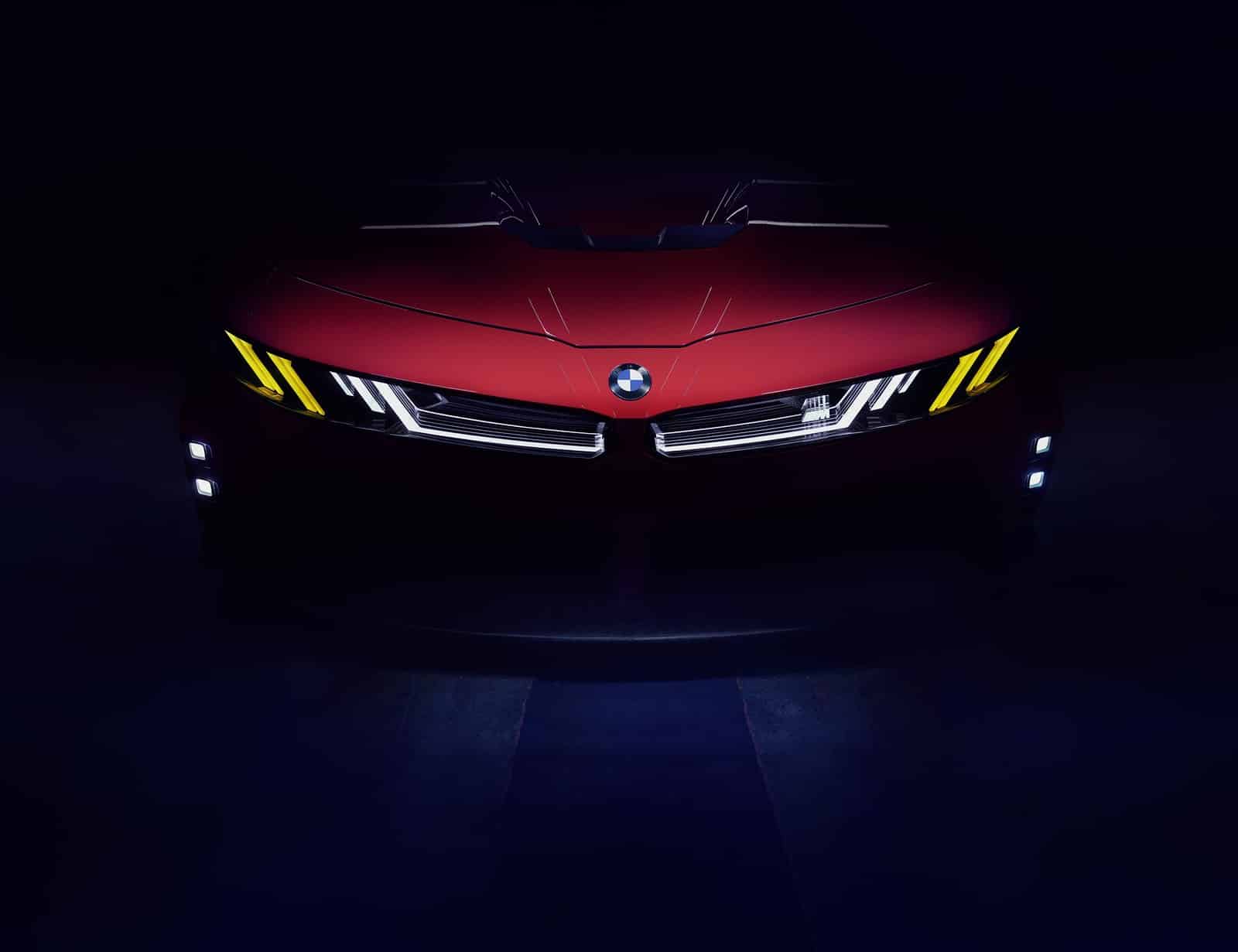
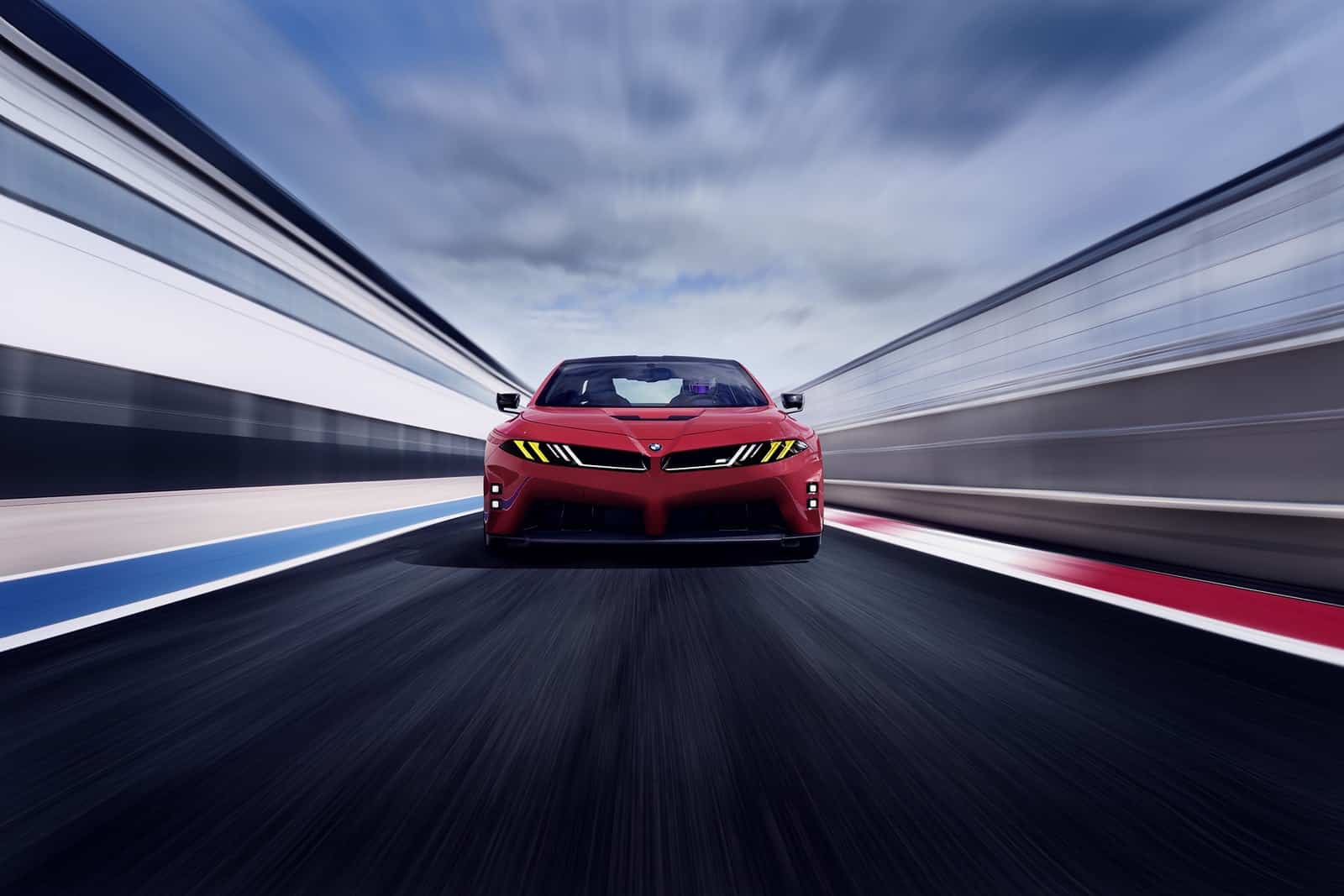
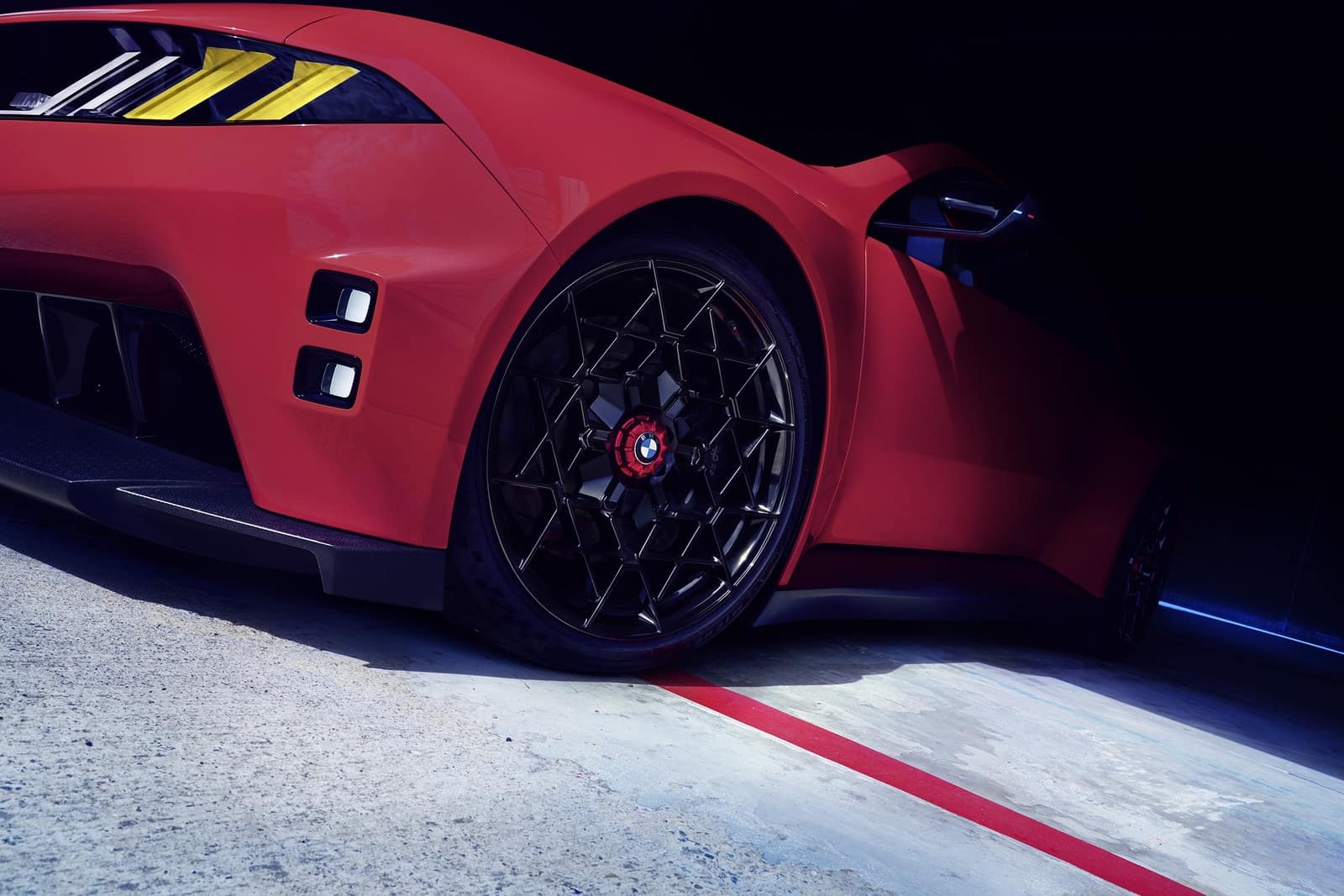
The front end leans forward into a shark nose, with the headlights and kidney grille merged into a single unit. New M Yellow Lights sit inside that unit as a nod to GT racing and to the M Hybrid V8 running at Le Mans this weekend. BMW says the yellow icons will recur on future M cars.
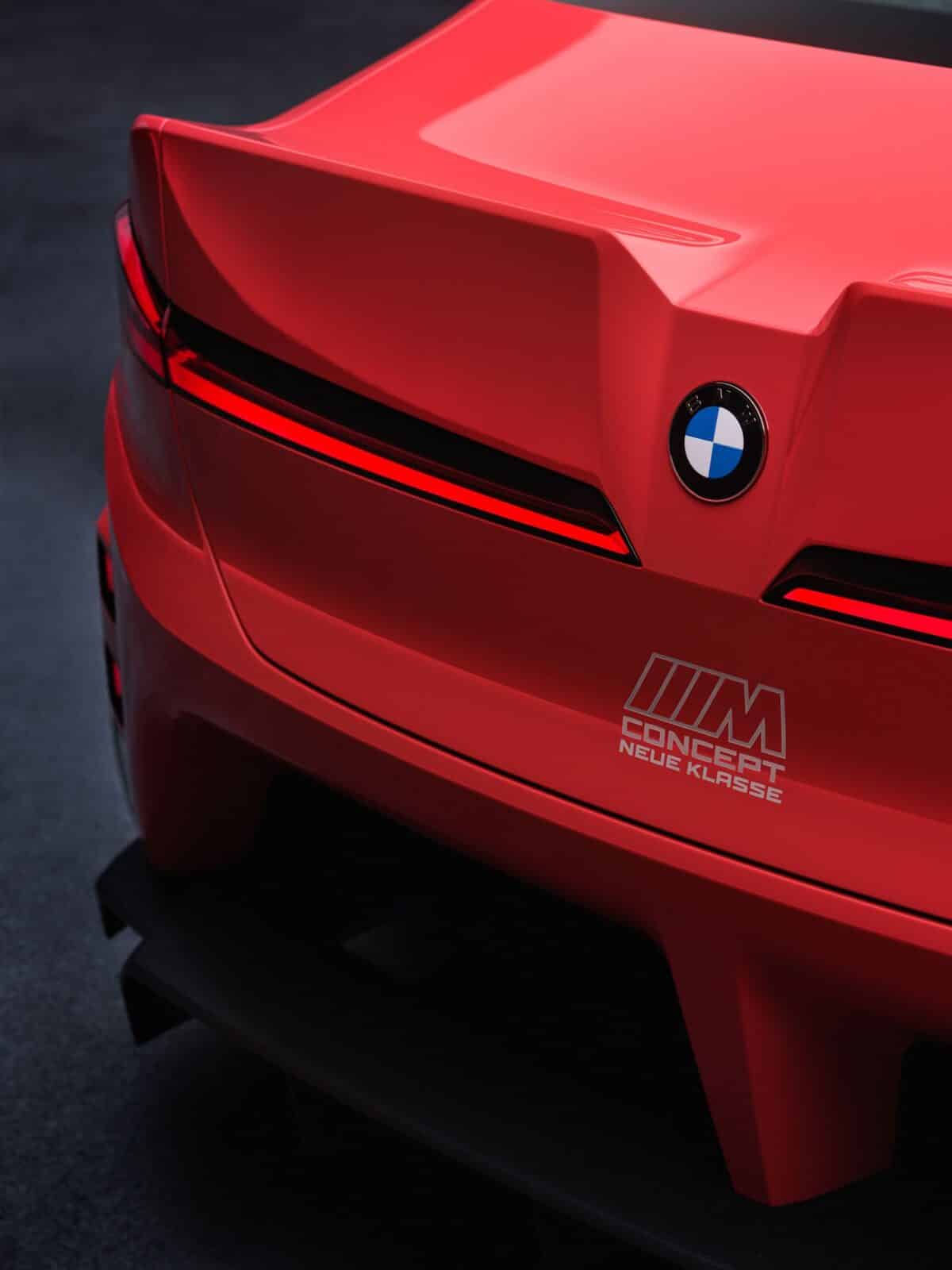
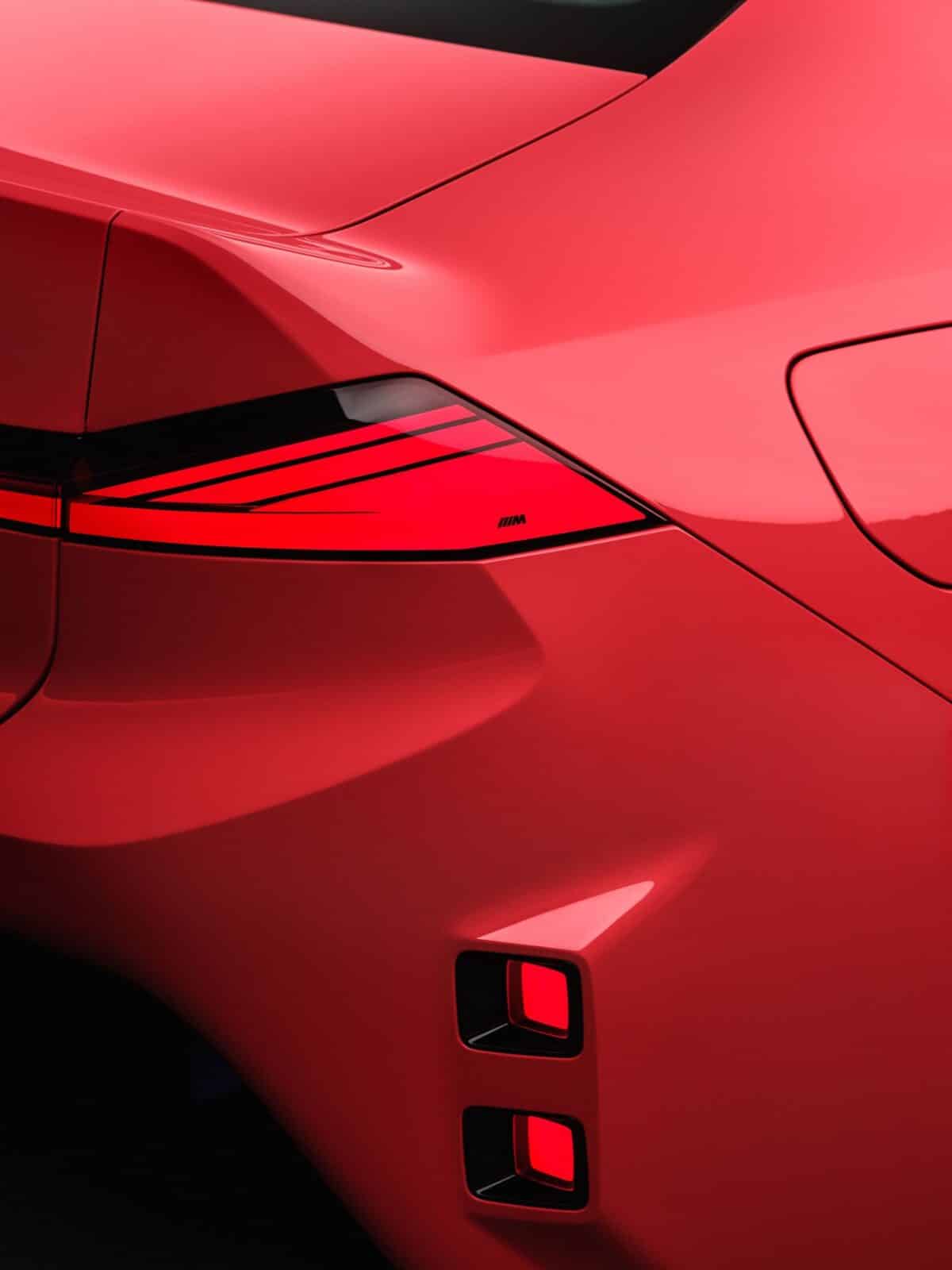
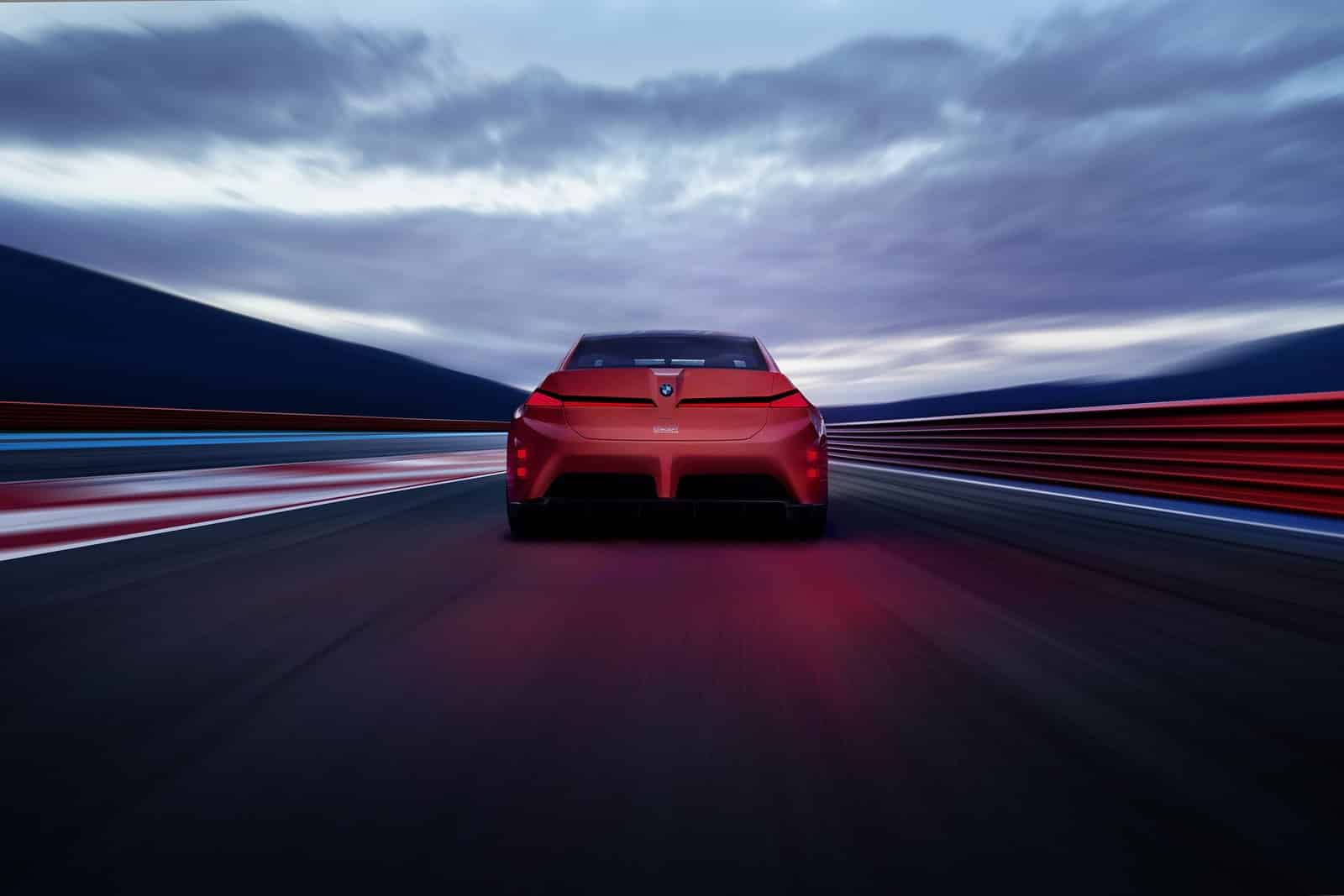
A trimaran-style bumper, a three-part form borrowed from high-speed sailing boats, shapes the front apron and braces the splitter. Three-dimensional Track Lights sit in the outer corners of both aprons. At the rear, a ducktail spoiler adds downforce over the axle above a floating diffuser.
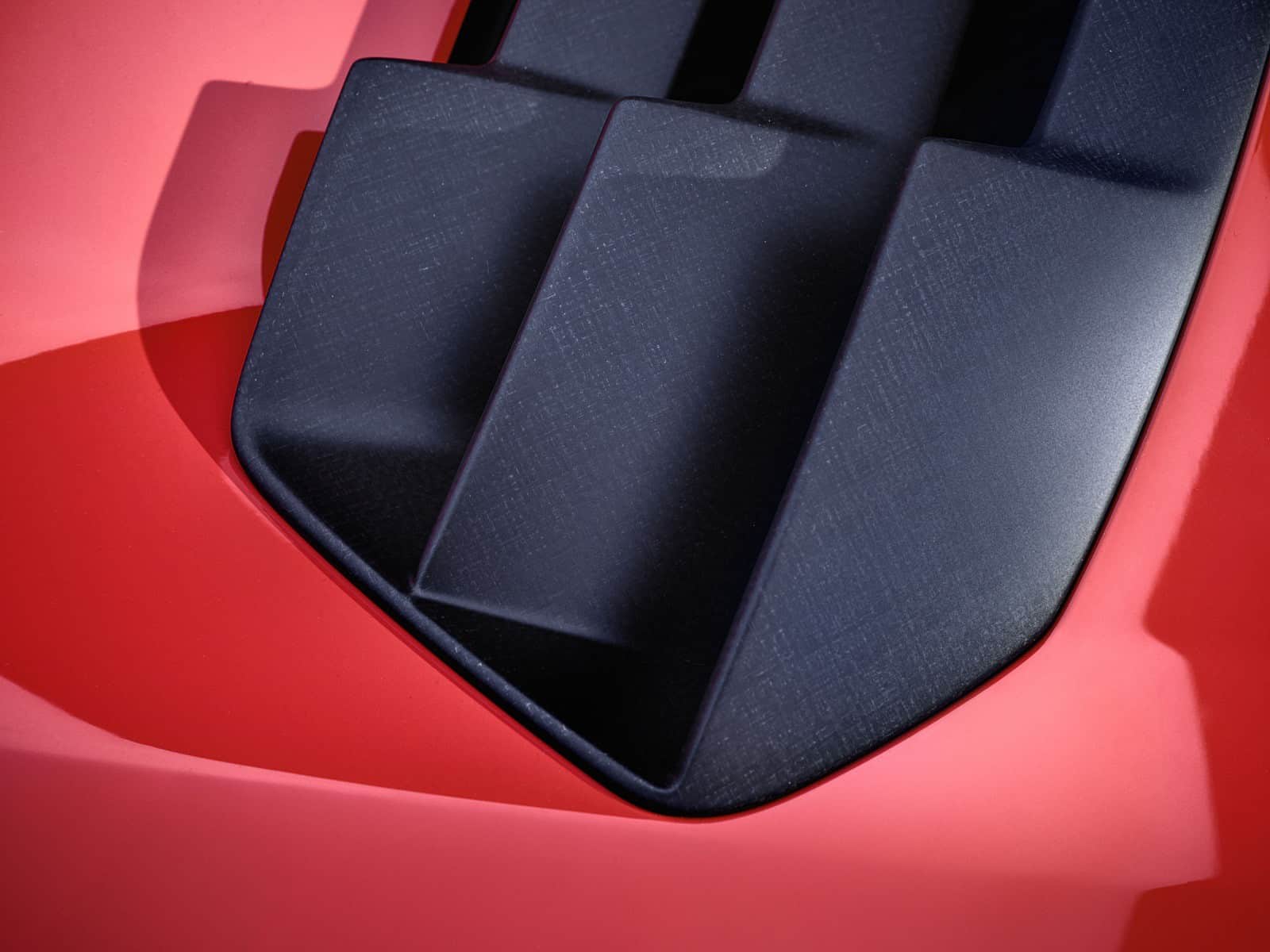
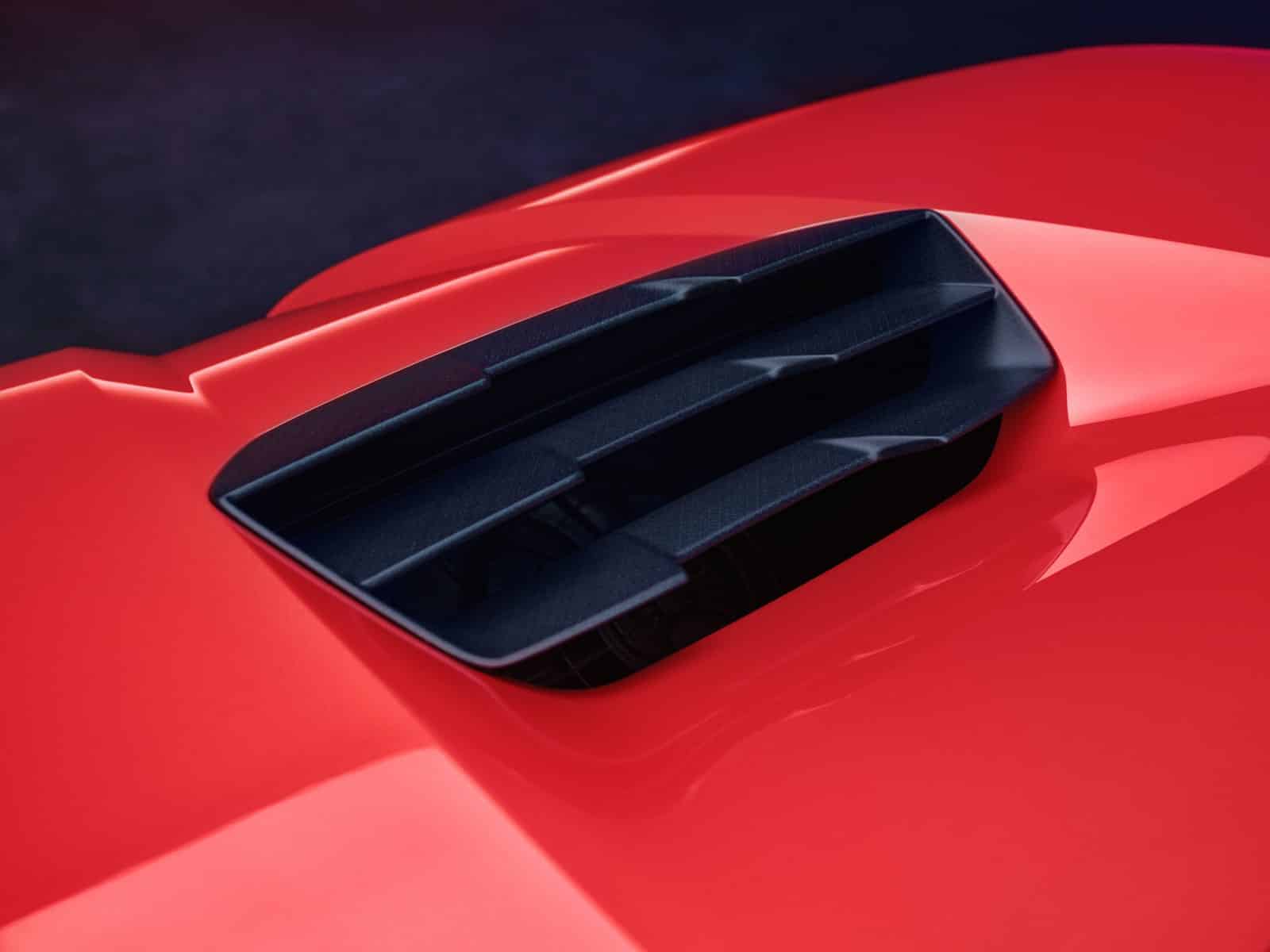
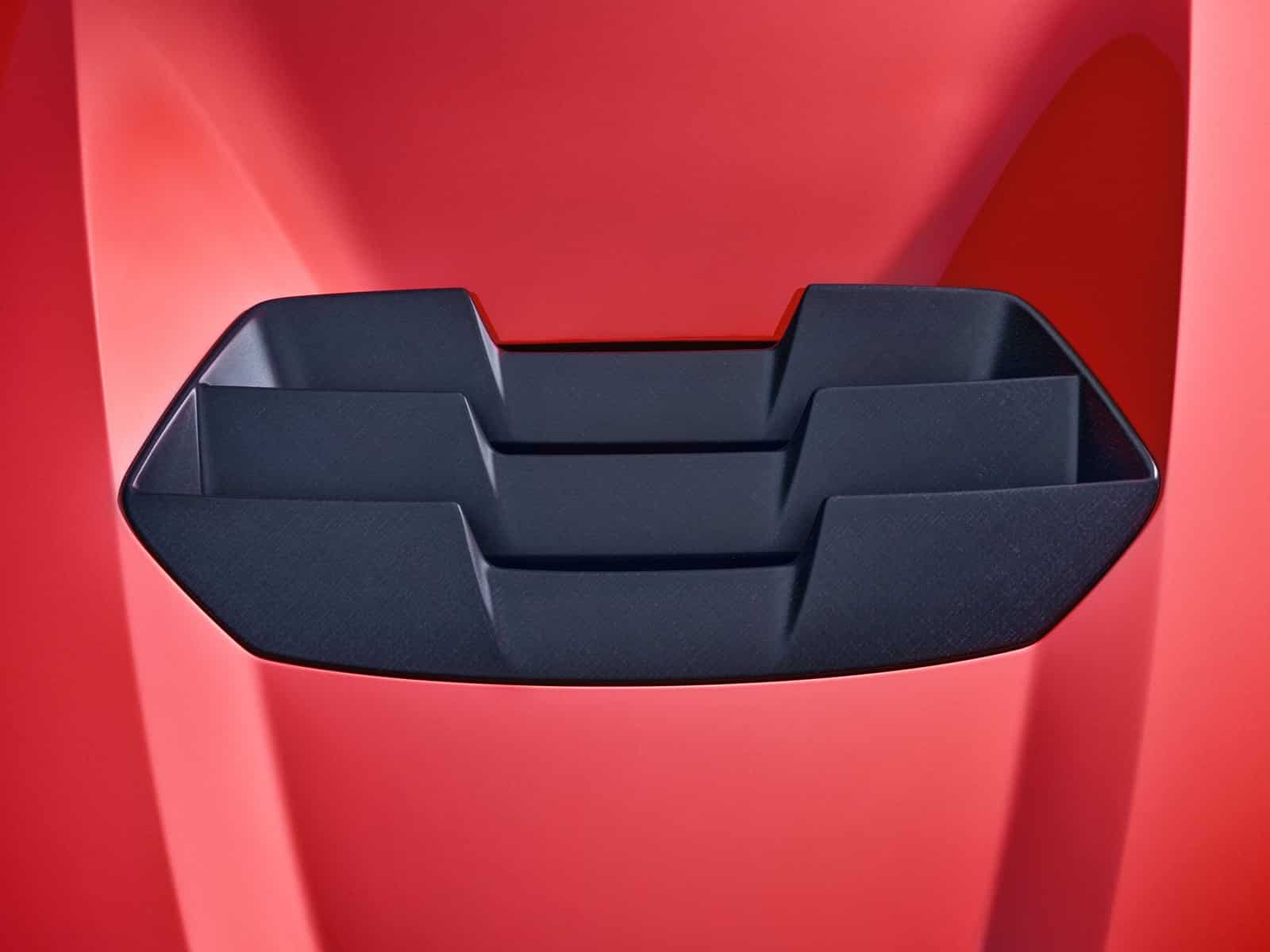
The V-shaped outlet in the hood feeds cooling air to the drivetrain, which points to one quiet casualty: the i3’s front trunk almost certainly didn’t survive the conversion.
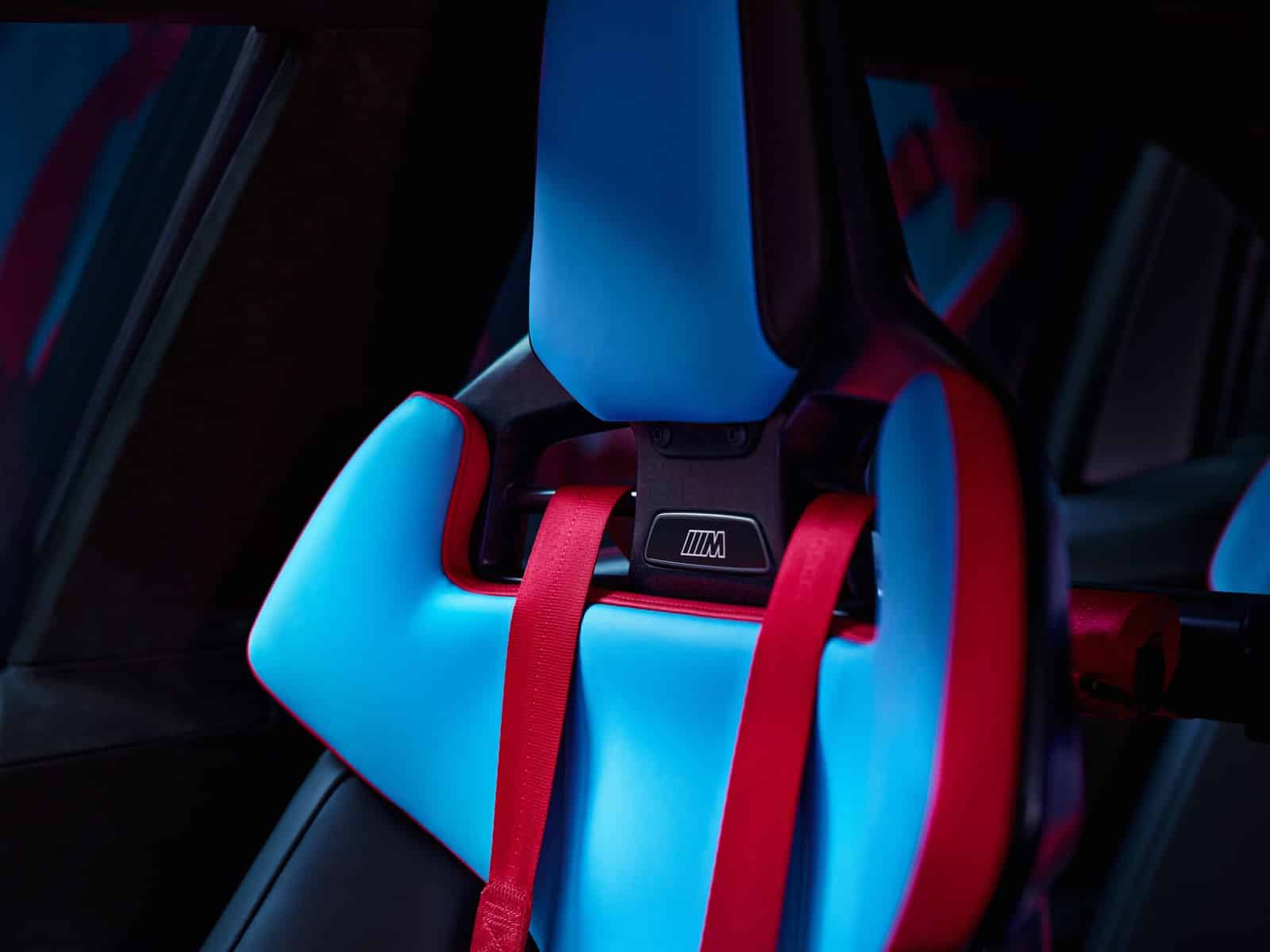
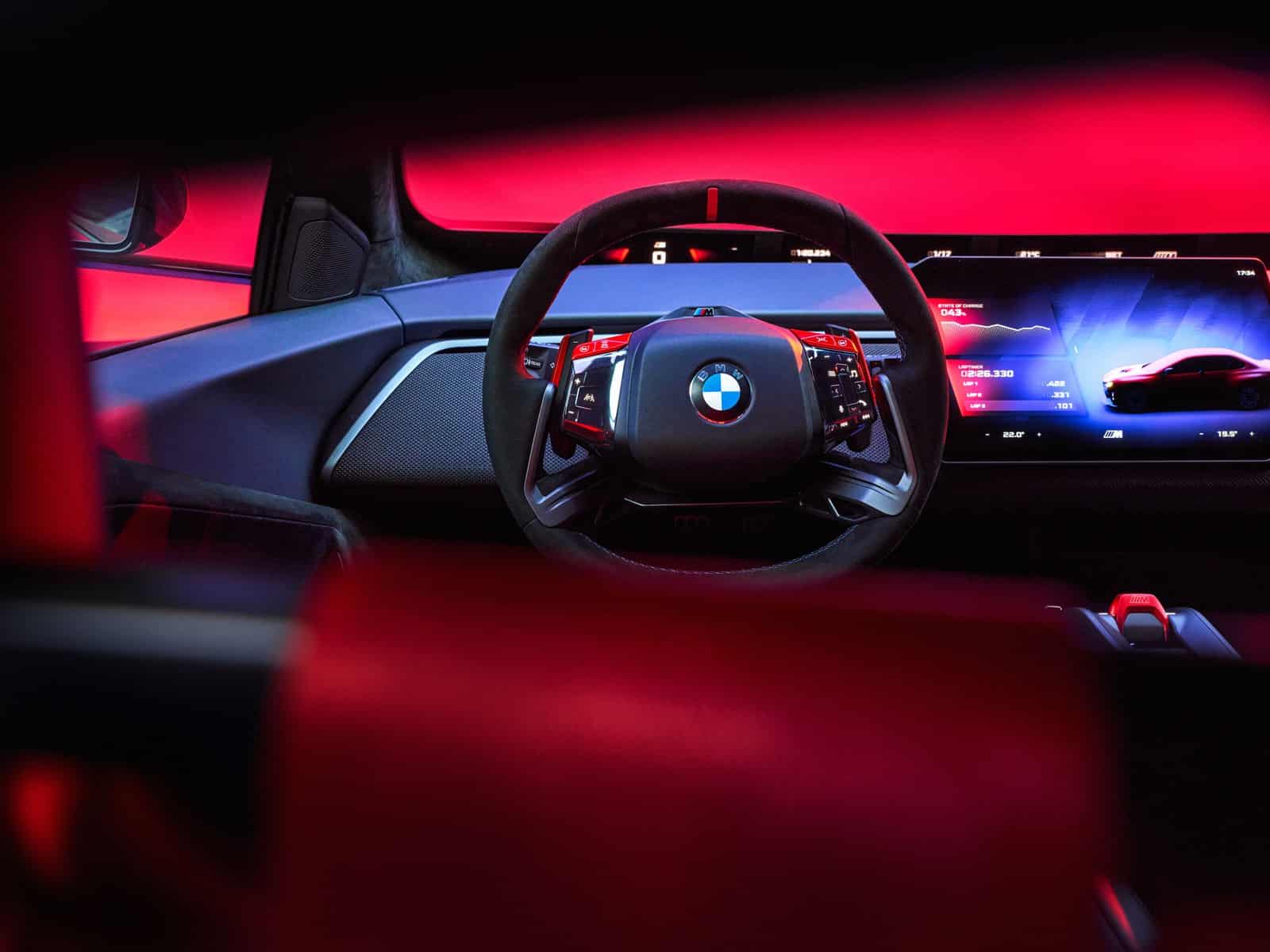
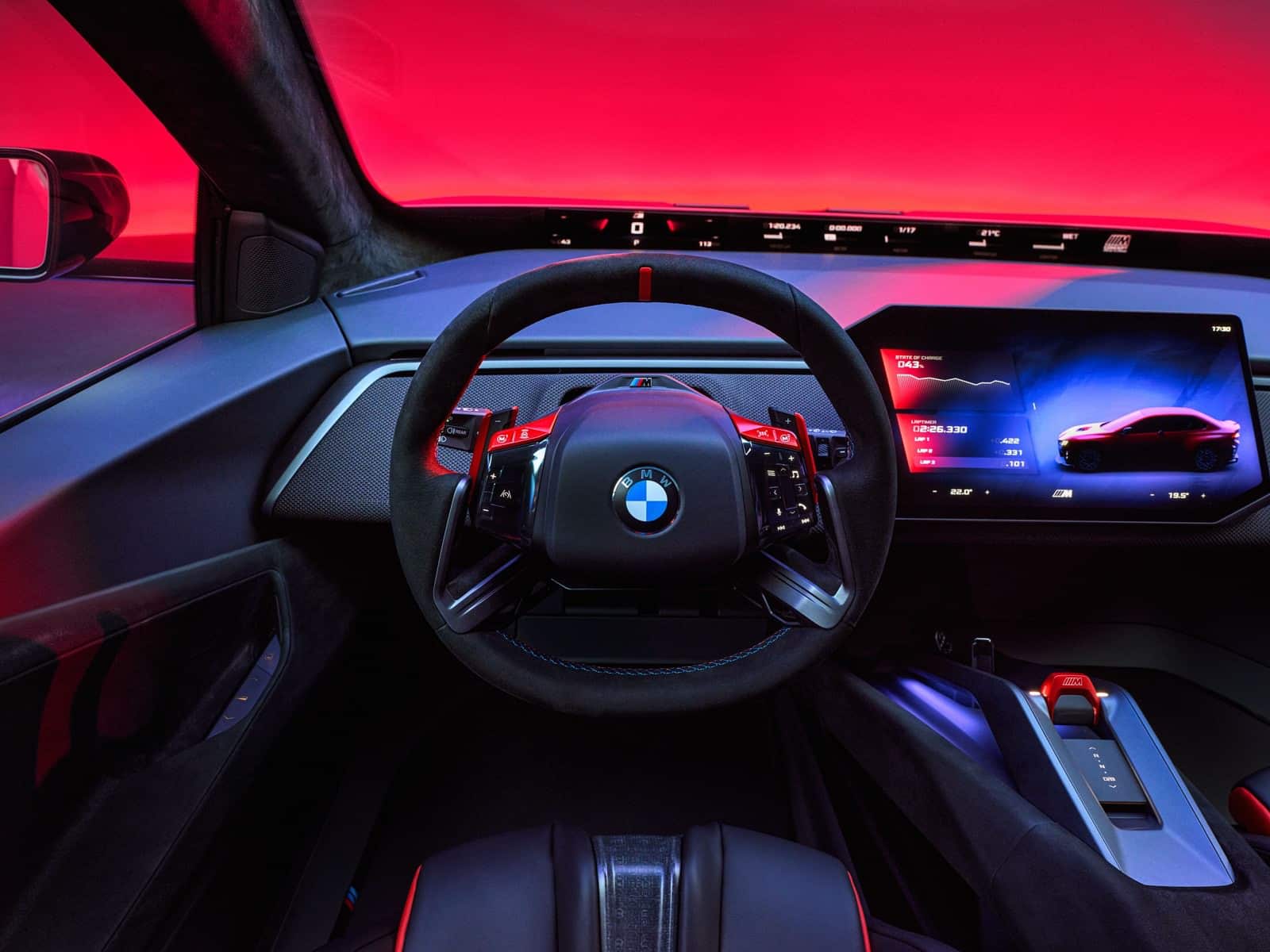
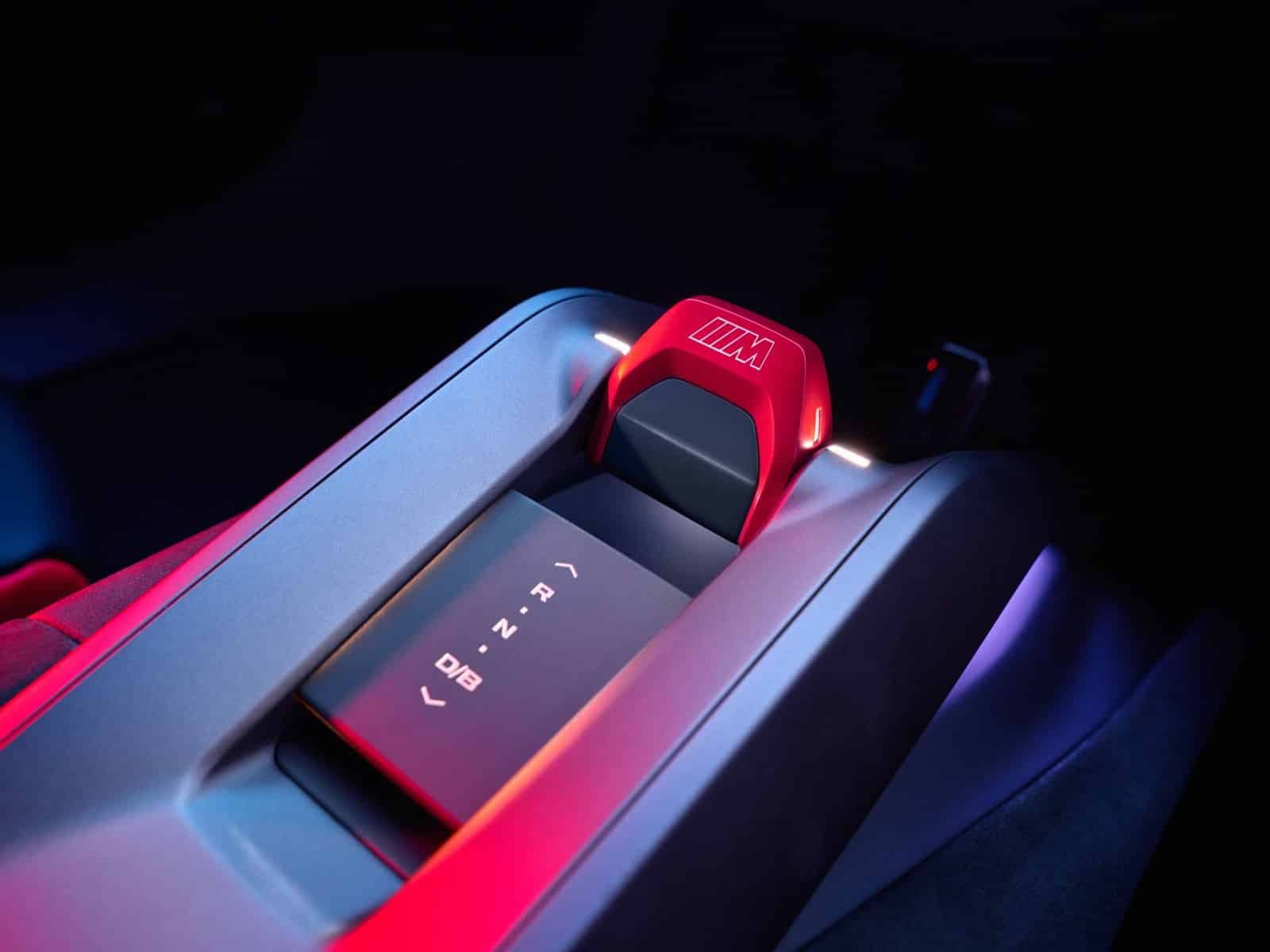
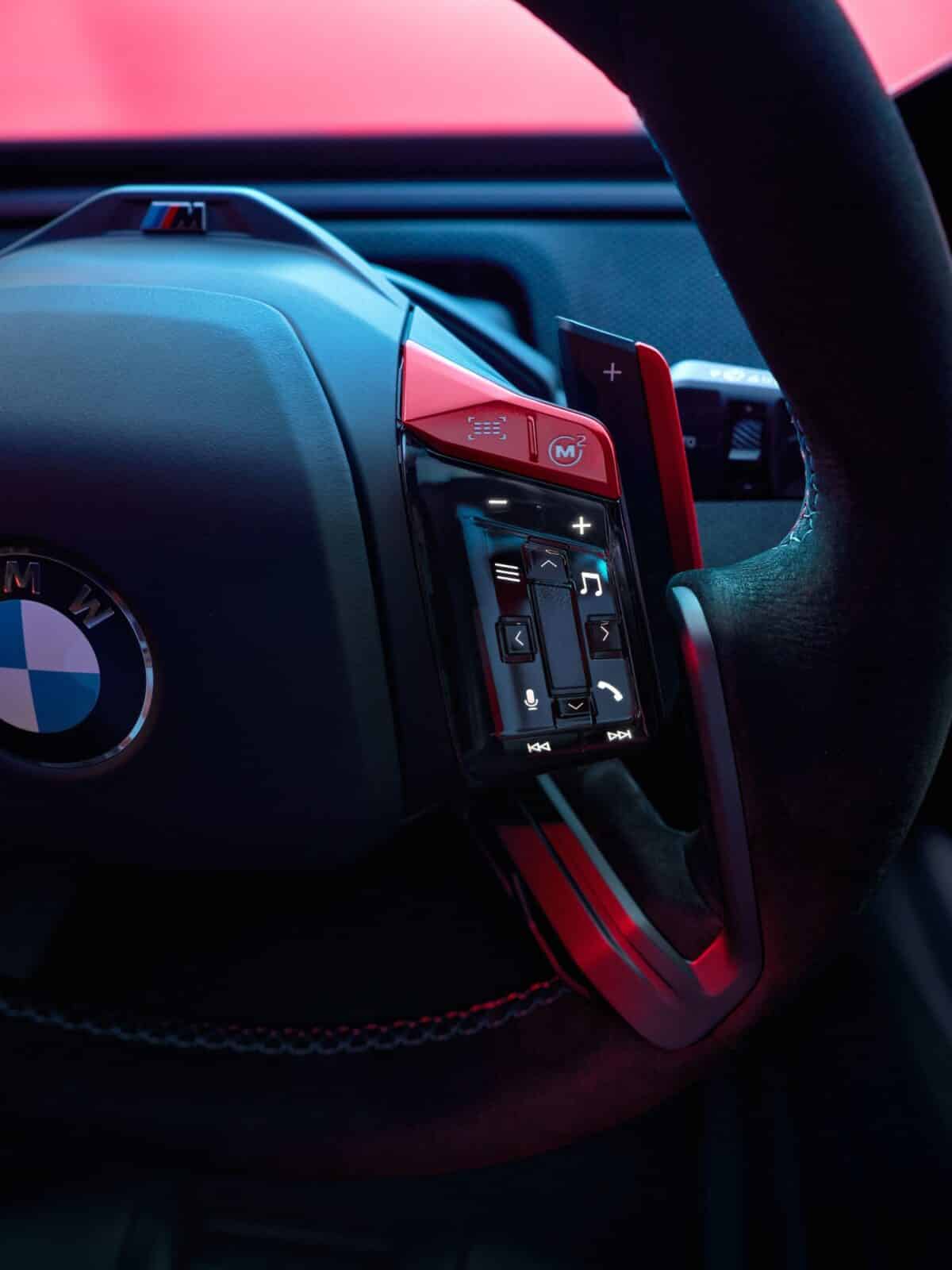
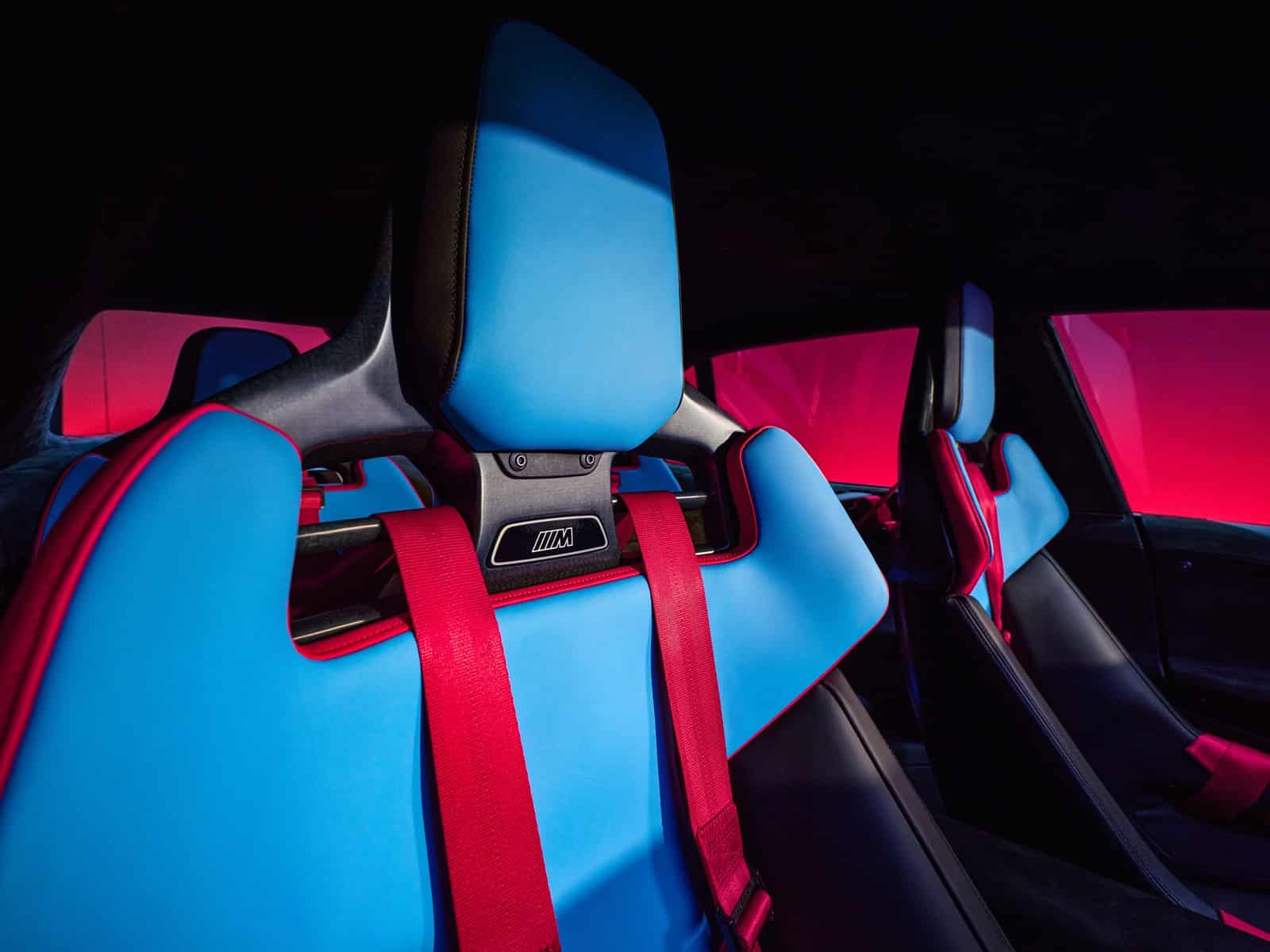
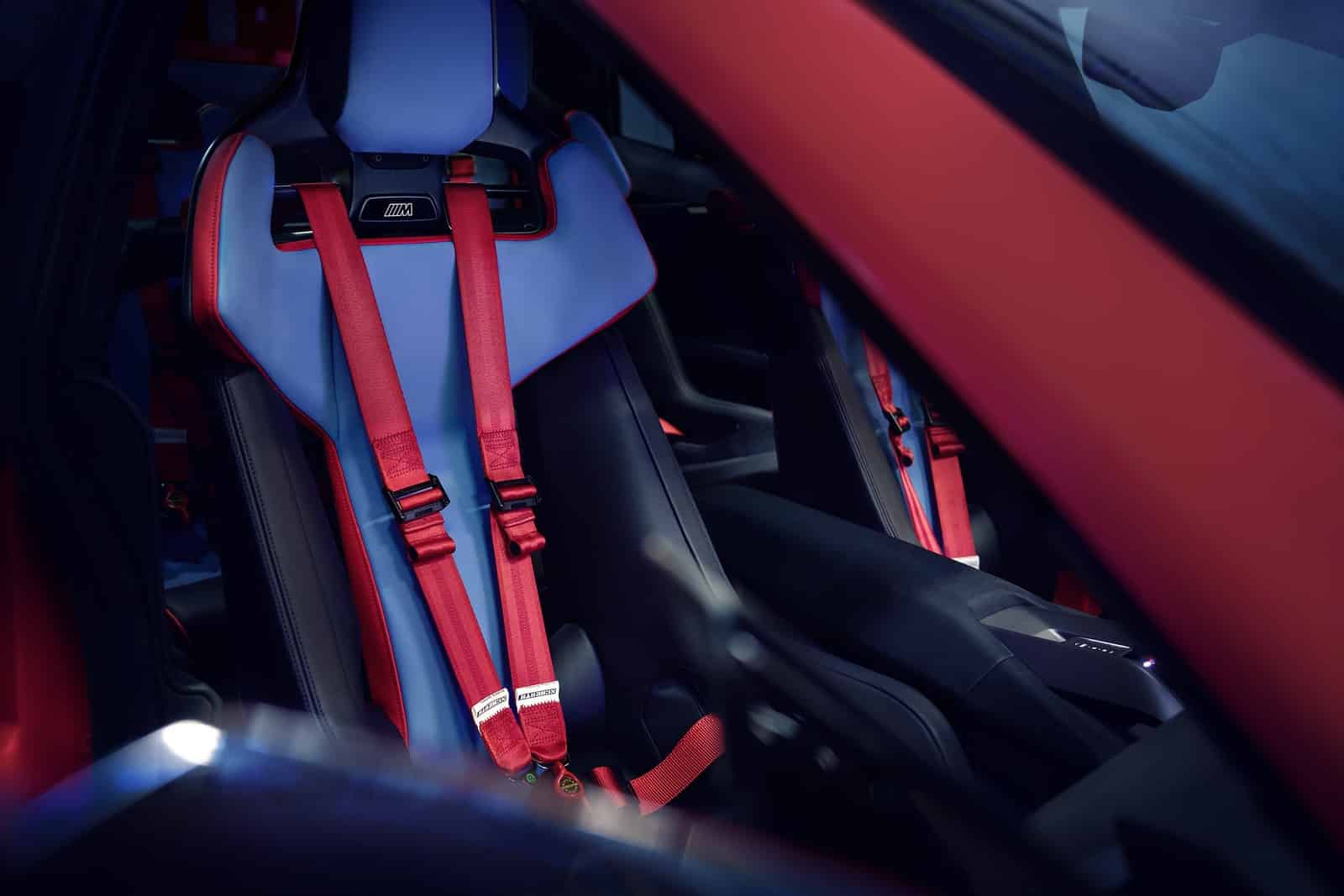
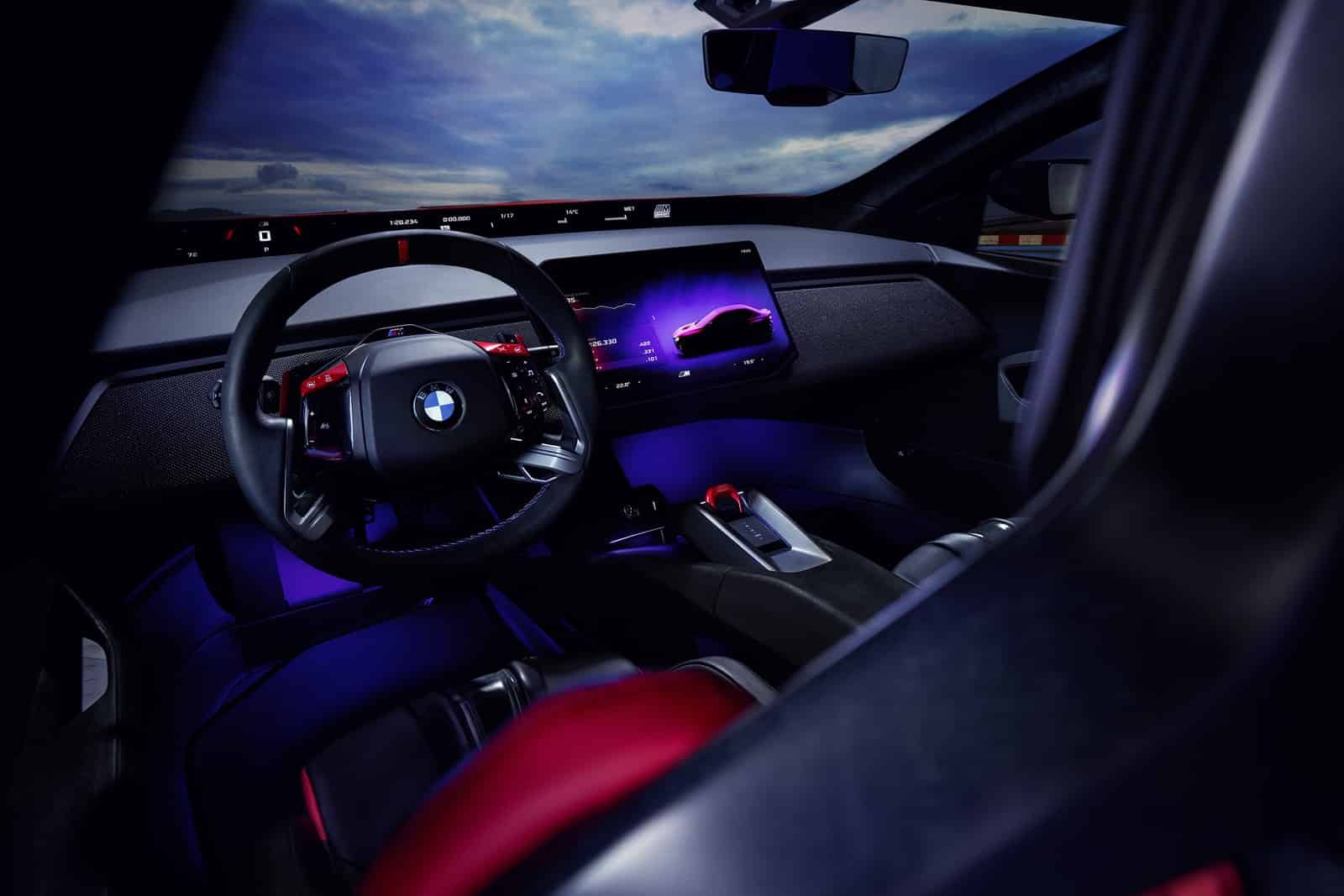
Inside, four new bucket seats mix natural-fiber structures with two-tone Merino leather in Bathurst Blue and Berry Red, plus red five-point harnesses. A roll bar spans the rear, wrapped in black nubuck leather, the first time BMW has put nubuck in an M car. “At BMW M, form consistently follows function. Every detail serves performance,” says Oliver Heilmer, Head of Design BMW Compact Class, Neue Klasse and BMW M.
The Production Car Arrives In 2027, Likely Without An i In The Badge
BMW will turn the M Concept Neue Klasse into a production car in 2027, sold alongside a new gasoline M3 generation that follows around 2028, and Motor1 reports the electric version will likely skip the iM3 badge and wear plain M3 lettering instead. The concept sits much closer to that production car than the wilder Vision Driving Experience study that preceded it.
EVXL reported in January that BMW has production penciled in for March 2027, with an electric X3 M following that November. The donor i3 starts series production in Munich in the second half of this year, and pre-production cars have been rolling off the line since early February.
EVXL’s Take
I’ve been waiting for this body since January 14, when I wrote up BMW M’s technical briefing: quad-motor hardware and the Heart of Joy computer in detail, nothing on output or price. The Le Mans reveal answers the design question and leaves the money question exactly where it was.
That January piece lined the electric M3 up against Hyundai‘s Ioniq 5 N, which delivers 641 horsepower for roughly half the price this car will command. Nothing shown at Le Mans changes that math. BMW’s bet is that a plain M3 badge carries enough weight to justify the gap.
BMW skipped the auto-show circuit and parked this car at Le Mans because the buyers it must convince aren’t EV shoppers. They’re M3 owners who need to see racing DNA before they’ll forgive the missing six-cylinder.
BMW fills in the missing number before the end of 2027: the production electric M3 debuts wearing a plain M3 badge and quoting at least 700 horsepower.
Sources: BMW Group PressClub, Motor1.
EVXL uses automated tools to support research and source retrieval. All reporting and editorial perspectives are by Haye Kesteloo.