
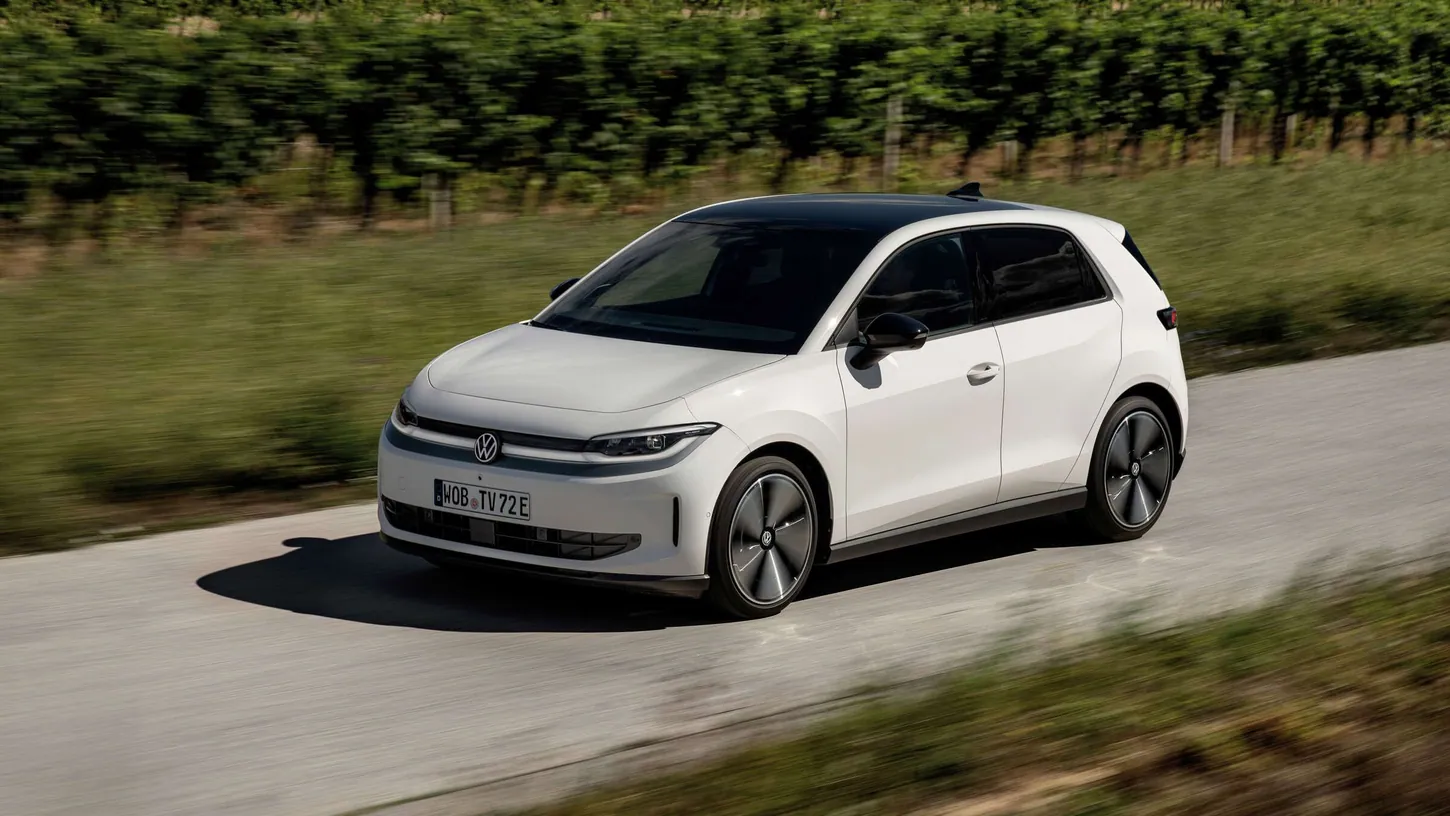
A German buyer who orders a Volkswagen ID. Polo today waits about 16 months for it, according to an analysis the comparison site Carwow did for Handelsblatt, published Sunday, November 29. Across all electric cars from German brands, the average wait is 11 months.
Chinese brands deliver in five to six months by the same count. VW’s new small EVs have the longest waits, and BMW’s new iX3 comes next at up to a year. Mercedes-Benz is quicker, at five to six months for its newest electric models. In the United States, new-EV sales have been flat all year.
VW’s Three Small EVs Drew 150,000 Orders and Now Wait Up to 16 Months
At the Paris auto show in October, VW brand chief Thomas Schäfer said the ID. Polo, Skoda Epiq and Cupra Raval had 150,000 orders combined, well above expectations. All three are small Volkswagen Group EVs, and their waits now stand at 16, 14 and 7 to 8 months.
Handelsblatt adds that, according to media reports, waits for the ID. Polo and the Epiq have reached 21 months. The paper says buyers are increasingly going to other brands.
BMW’s Neue Klasse iX3 Takes Nine to 12 Months in Germany
Carwow’s German delivery-time table, dated November 17, lists the new BMW iX3 at 9 to 12 months, the longest of any BMW. The electric Mercedes GLC is at six months and the electric CLA at five. The older Skoda Enyaq sits at 11 months and the Elroq at 10.
Other premium EVs arrive much sooner. The Porsche Taycan and Macan Electric are listed at four months and the Audi Q6 e-tron at three. A Tesla Model 3 takes six to seven months in Germany and a Model Y five to six, by Carwow’s count. Among Chinese-owned brands, the MG4 Electric is at three months and BYD’s EVs at four to six.
The iX3 is the first production car from BMW’s Neue Klasse, and the US version is already on the road here. BMW scheduled US deliveries to start September 25 at $61,500 plus $1,350 destination, as EVXL reported from its first drive.
A German Subsidy Drives Demand as the US Credit Stays Gone
Germany pays €1,500 to €6,000 toward a new EV, scaled by household income, under a program running from 2026 to 2029. Carwow’s own explainer on German delivery times credits that subsidy with a sudden, sharp jump in demand for electric cars.
The US $7,500 federal credit ended September 30, 2025, and new EVs have been stuck at about 6% of US sales this year.
Of the cars with the longest German waits, the iX3 is the one BMW also sells in the US.
EVXL’s Take
My read is that this is the best problem a European carmaker has had in years, and VW is still finding a way to lose sales on it. A 16-month wait on a small car is an invitation to walk into the MG or BYD showroom down the road, where the car arrives in three to six months, and Handelsblatt says buyers are already doing that. For American shoppers the useful part is the iX3. BMW has to split its Neue Klasse output between a German market with a year-long queue and a US market where EV sales are flat, and I’d expect the market with the queue to get first call. If BMW does it that way, a US shopper who finds an iX3 on a dealer lot shouldn’t count on it staying there long.
Sources: Handelsblatt, Carwow.de delivery times
EVXL uses automated tools to support research and source retrieval. All reporting and editorial perspectives are by Haye Kesteloo.


