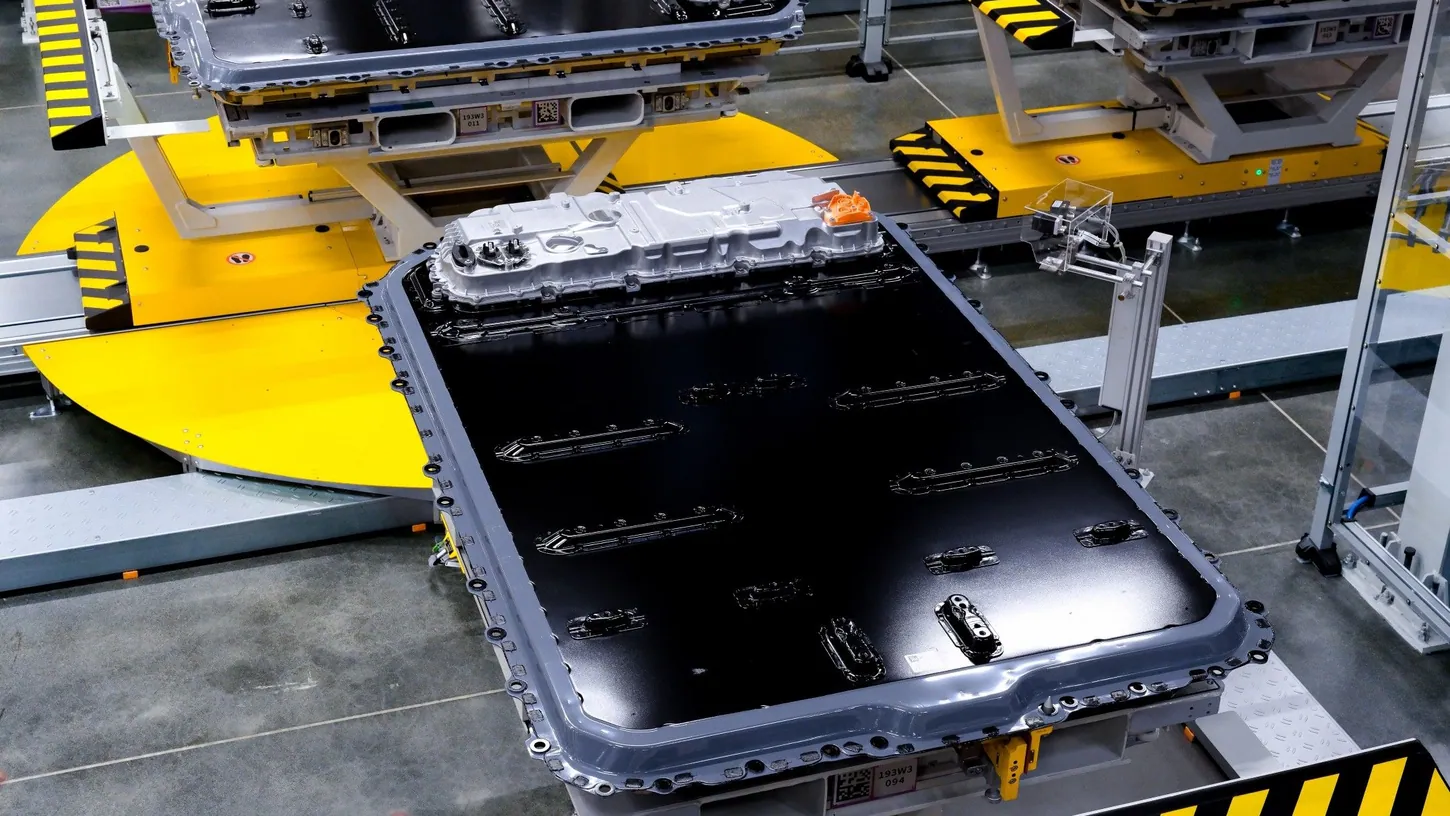
The European Union’s Euro 7 emissions standard took effect today, Sunday, November 29, and it is the first Euro standard with limits that apply to electric cars. Battery-electric cars and plug-in hybrids must keep 80% of their battery’s original energy for 5 years or 100,000 km (62,000 miles), and 72% up to 8 years or 160,000 km (99,000 miles).
The rule also caps the dust coming off brake pads, with a lower limit for battery-electric cars than for everything else. Exhaust limits largely stay where Euro 6 left them. Today’s date only covers newly approved models, though, and existing models get another year.
Every New Car in the EU Must Meet Euro 7 From November 2027
Regulation (EU) 2024/1257 applies from November 29, 2026 to new types of passenger cars and light vans seeking EU approval. From November 29, 2027, national authorities stop registering any new car or van that does not comply, whenever the model was first approved.
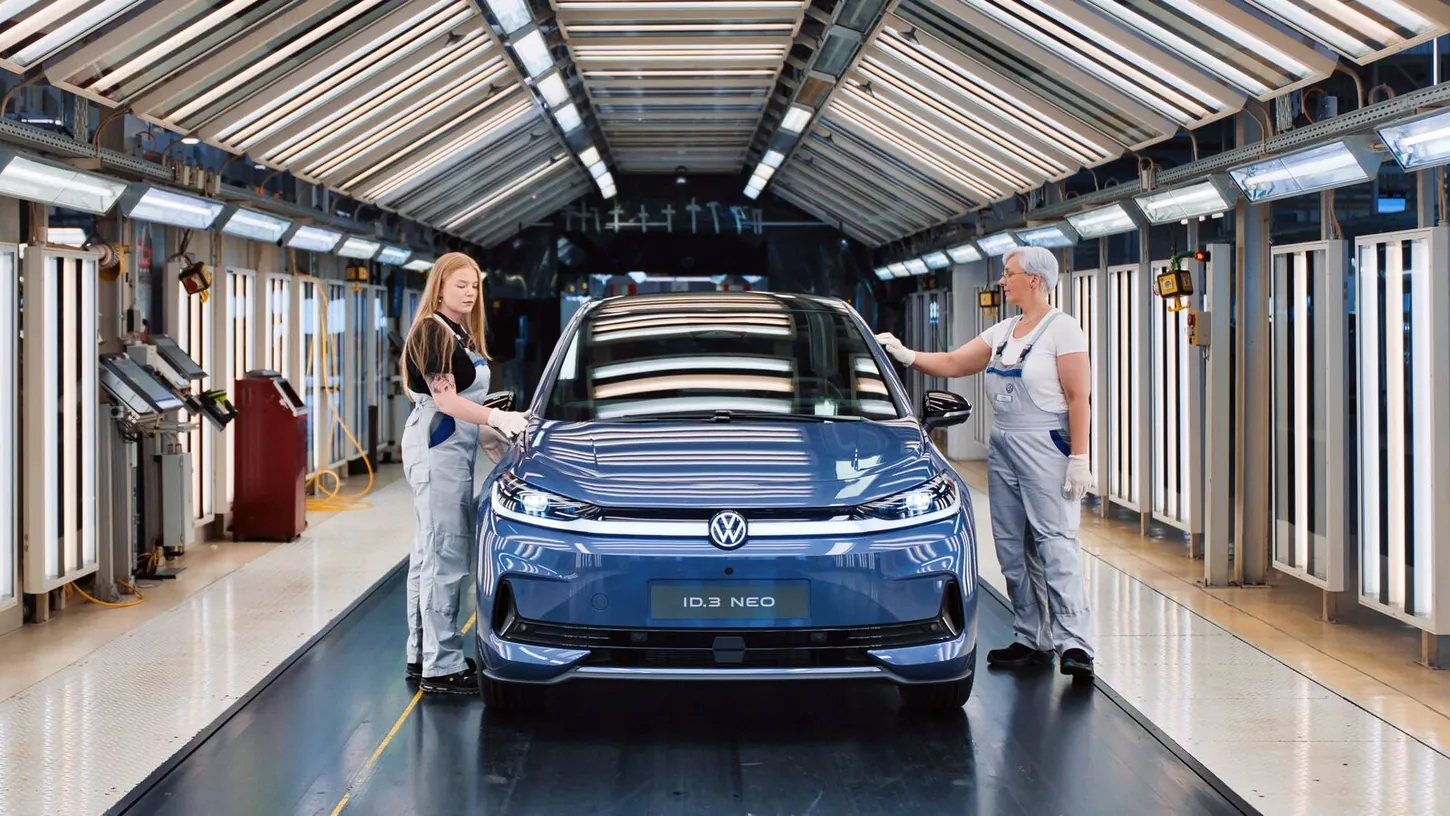
That second date is the one that matters for buyers. A model approved before today, such as a current Tesla Model Y or Volkswagen ID.3, can keep selling under the old rules for another year. The regulation’s text on EUR-Lex sets both dates in Article 21.
The Car Has to Measure Its Own Battery Health
Annex II sets the battery floors for cars, applying whichever age or mileage limit comes first, and the car must estimate how much of its certified energy remains. That onboard monitor is how the floors get checked. Electric and plug-in hybrid vans get lower floors of 75% and 67%.
The regulation says it took UN Global Technical Regulation No 22, the international battery-durability standard, into account. The same law creates an Environmental Vehicle Passport, which Euronews reports will give drivers data such as battery lifespan and electric range.
Ford’s own data shows how far above the floor today’s packs can sit. Its study of more than 36,000 model year 2021 cars, which EVXL reported on November 19, put average Mustang Mach-E battery health at 92% after five years.
EVs Get a 3 mg/km Brake Limit, Gas Cars Get 7 for Now
Until the end of 2029, battery-electric cars may emit no more than 3 mg/km of brake particles (PM10), while gas cars, hybrids, plug-in hybrids and fuel-cell cars are allowed 7 mg/km. From 2035, every powertrain must meet 3 mg/km, and the values for 2030 to 2034 await a review.
The lower EV figure reflects regenerative braking, which does much of the stopping without touching the pads. Heavier vans get 5 mg/km if electric and 11 mg/km otherwise. Tires come later: the regulation leaves the tire abrasion limits blank for now and applies them to new passenger-car tire types from July 1, 2028.
Euronews reports that brake and tire wear could soon make up as much as 90% of the particles road traffic gives off. EVXL wrote in September about a student-built EV that catches its own tire dust, aimed at the same particle problem these limits target.
Gas Cars With Unfixed Emissions Faults Face a 2,400 km Limit
For combustion cars, the EU’s Implementing Regulation 2025/1707 adds a countdown. Once onboard monitoring finds an emissions fault needing repair, the car may drive 2,400 km (about 1,490 miles) with the engine running. After that, a restriction chosen by the manufacturer kicks in at the start of the next trip.
auto motor und sport lists four options in the regulation. Two count down the remaining engine starts or the remaining distance, and the other two take effect at the next refueling. No option shuts the engine off while the car is moving. Plug-in hybrids don’t count electric-only kilometers toward the limit and can still drive on battery power once the engine is locked out.
EVXL’s Take
On Ford’s numbers, the 72% floor won’t trouble a carmaker building decent packs. A battery at 72% after eight years has lost more than a quarter of its range, and that is the worst case the law allows. The useful part of the rule is the monitor. Once the law requires the car to estimate its own battery health, a used-EV buyer in Europe gets a number from the car instead of a guess from the seller. American buyers should want that number too. The carmakers selling EVs in Europe now have to build that readout into every new model there, and I’d like to see one of them put it on US dashboards without being told to.
Sources: EUR-Lex, Regulation (EU) 2024/1257 (Euro 7), Euronews, auto motor und sport
EVXL uses automated tools to support research and source retrieval. All reporting and editorial perspectives are by Haye Kesteloo.