The UK government is expected to lower its zero emission vehicle (ZEV) mandate this week, cutting the rule that 80% of new cars sold in 2030 must be fully electric, the BBC reported Monday. Downing Street says no decision has been made. A government source told the BBC the issue would be handled in a “pragmatic and balanced” way.
The cut would come days after EVXL reported the mandate gap: electric cars took 26.6% of UK registrations through October, against a 33% headline target for 2026. Prime Minister Andy Burnham will not decide how far the target falls.
The Consultation Offered 2030 Targets of 70%, 60% or 50%
The Department for Transport’s consultation, open from August 14 to October 23, set out four alternatives to the current 80% target for cars in 2030. Three cut it to 70%, 60% or 50%. The fourth keeps 80% with looser compliance rules, and every path still reaches 100% in 2035.
The cuts barely touch next year. The consultation document keeps the 2027 target at 38% under current rules and sets it at 36%, 36% or 35% under the three cuts. The gap opens in 2029, where today’s 66% becomes 58%, 52% or 42%. The fourth option extends borrowing, banking and CO2 conversion, flexibilities that end in 2029 under today’s rules, through 2034.
These are headline numbers. Through 2029, carmakers can meet them with those flexibilities rather than electric car sales alone, which is why New AutoMotive put the effective 2026 requirement nearer 24.6%.
None of the options moves the 2030 end of new cars that run purely on petrol or diesel. The government confirmed in April 2025 that a new car sold from 2030 with a combustion engine must be at least a full hybrid, so mild hybrids go too.
Energy Firms and the Opposition Pull in Opposite Directions
Energy UK, the trade association for the energy industry, opposed a cut last month, warning it could damage “the investment certainty needed to deliver the infrastructure” for zero-emission transport. Sustainability groups say any weakening threatens the UK’s climate goals, with ministers heading to COP31 in Turkey.
The Conservatives want to go further. Leader Kemi Badenoch has promised to abandon the petrol car ban if her party wins the next election, calling it a “well-meaning, but ultimately destructive piece of legislation.” The European Union is already moving the same way: the European Commission proposed in December 2025 to soften its 2035 ban, replacing a 100% CO2 cut with a 90% one, a package the UK consultation describes as still under negotiation.
Burnham Stepped Aside, Leaving Louise Haigh to Settle a Cabinet Split
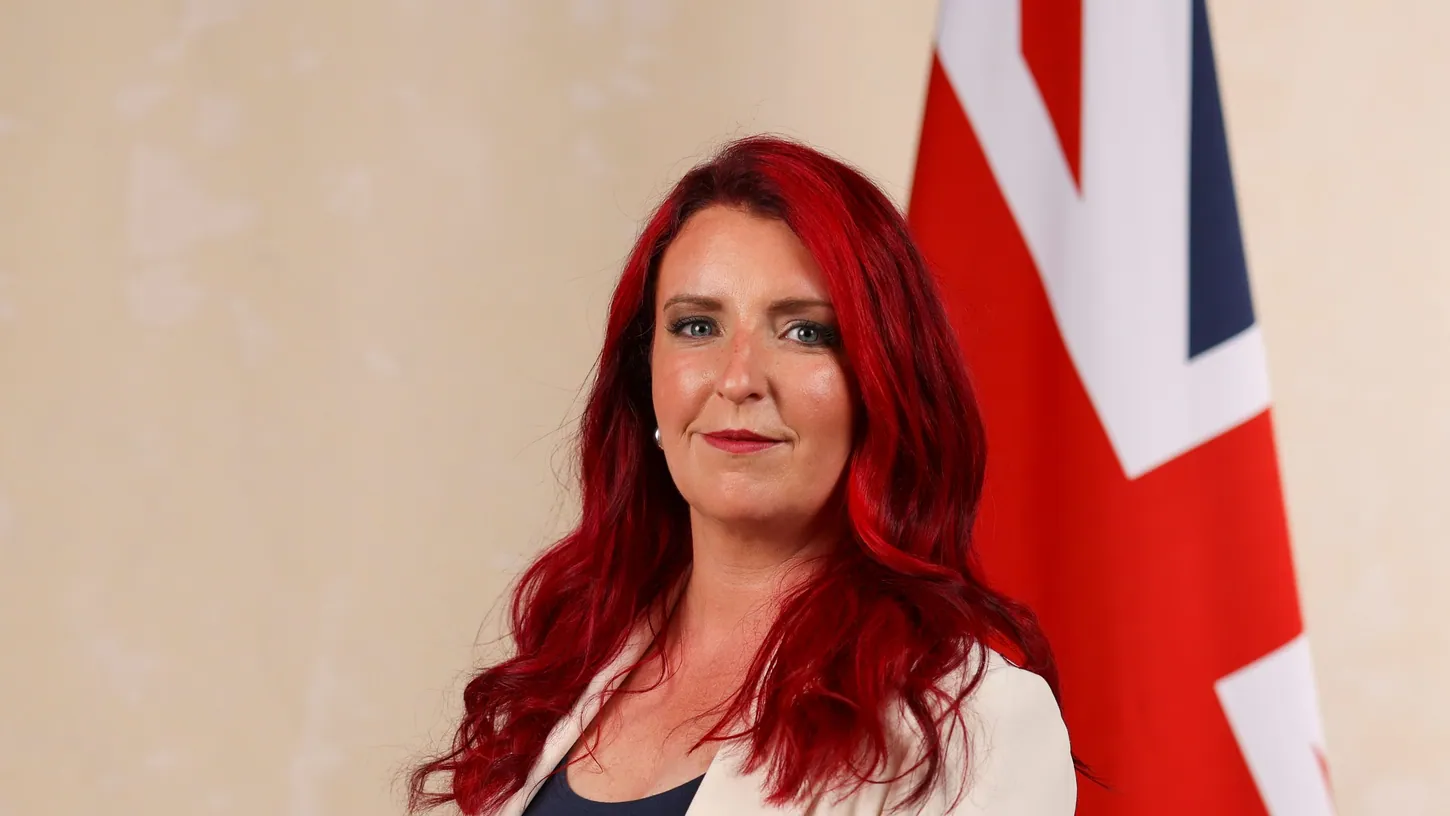
Burnham has recused himself because of his wife’s link to an electric vehicle company, according to the BBC, and Cabinet Office minister Louise Haigh will chair the meetings that set the new target. The Treasury and the business department reportedly want 50%.
The BBC says the pace of the switch has been “hotly debated, including within the cabinet.” The most detailed account of that split comes from EV Powered, which cited senior industry sources on October 25. It reported that Transport Secretary Heidi Alexander favors a figure nearer 60% and that the energy department wants no change. Treasury officials, per the same report, believe 50% is needed to persuade overseas carmakers to build future models in the UK.
Burnham’s wife, Marie-France van Heel, recently stepped back as chief marketing officer of Iduna Infrastructure, parent company of the Manchester charging network Be.EV, and still advises the Be.EV board, EV Powered reported. Downing Street did not comment on that report, though a spokesman said the government was united in its commitment to the 2030 phase-out. A government spokesperson repeated that commitment to the BBC on Monday, along with 100% zero-emission new car and van sales by 2035.
EVXL’s Take
A cut to 50% would be the wrong call for British buyers. SMMT chief executive Mike Hawes said last week that higher targets “may force supply, but they do not create demand.” Buyers have been living on that forced supply. In 2024, carmakers committed at least £2 billion of discounts to electric cars while chasing that year’s mandate target, and they still fell short. A lower target takes away the pressure that produced those prices.
SMMT forecasts a 37.5% electric share in 2028. The 50% path would set the 2028 target at 37%, against 52% under today’s rules. If Haigh’s meetings settle on 50%, the mandate will ask carmakers for less than SMMT already expects them to sell.
Sources: BBC, UK Department for Transport consultation, EV Powered, SMMT
EVXL uses automated tools to support research and source retrieval. All reporting and editorial perspectives are by Haye Kesteloo.