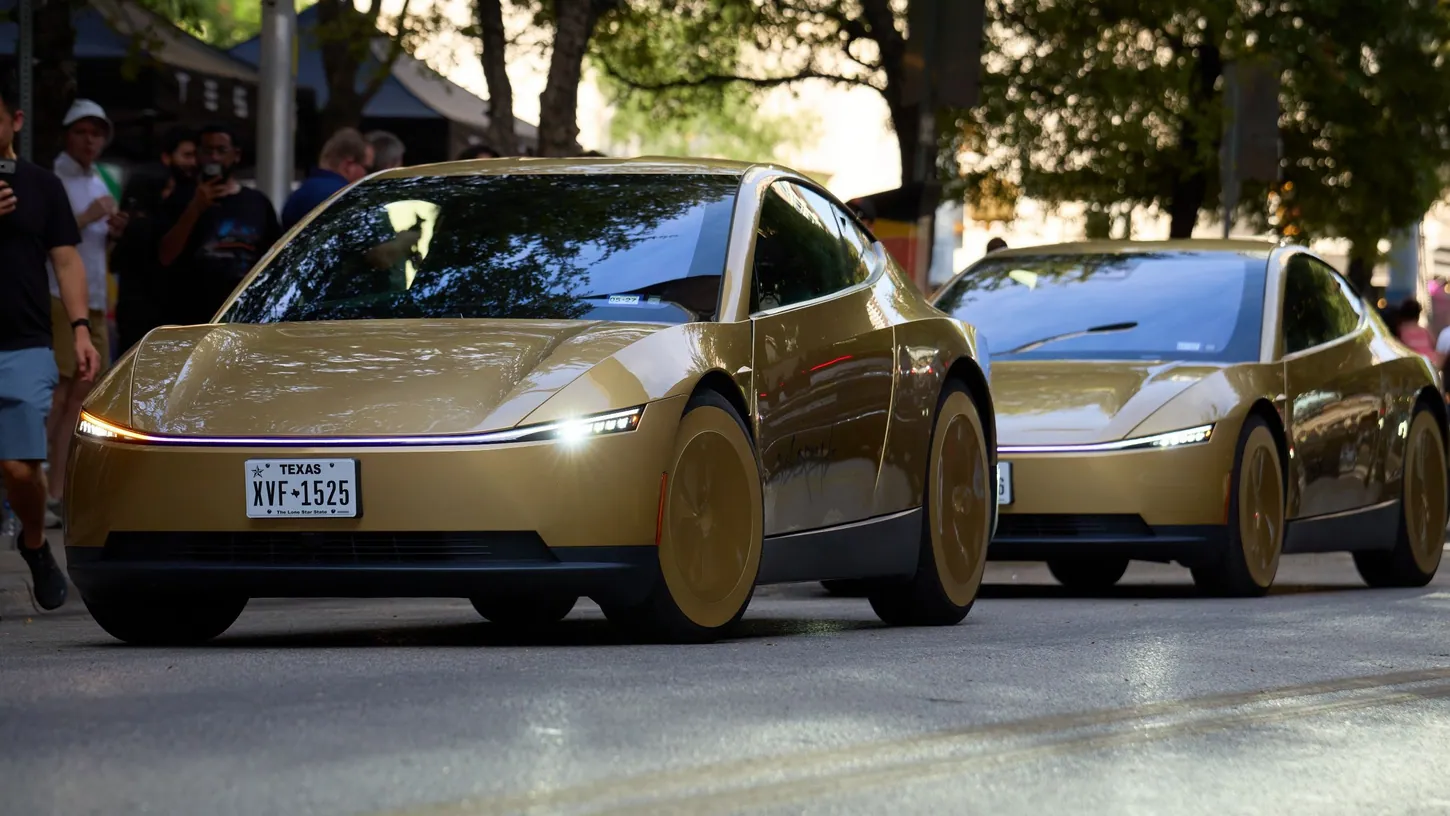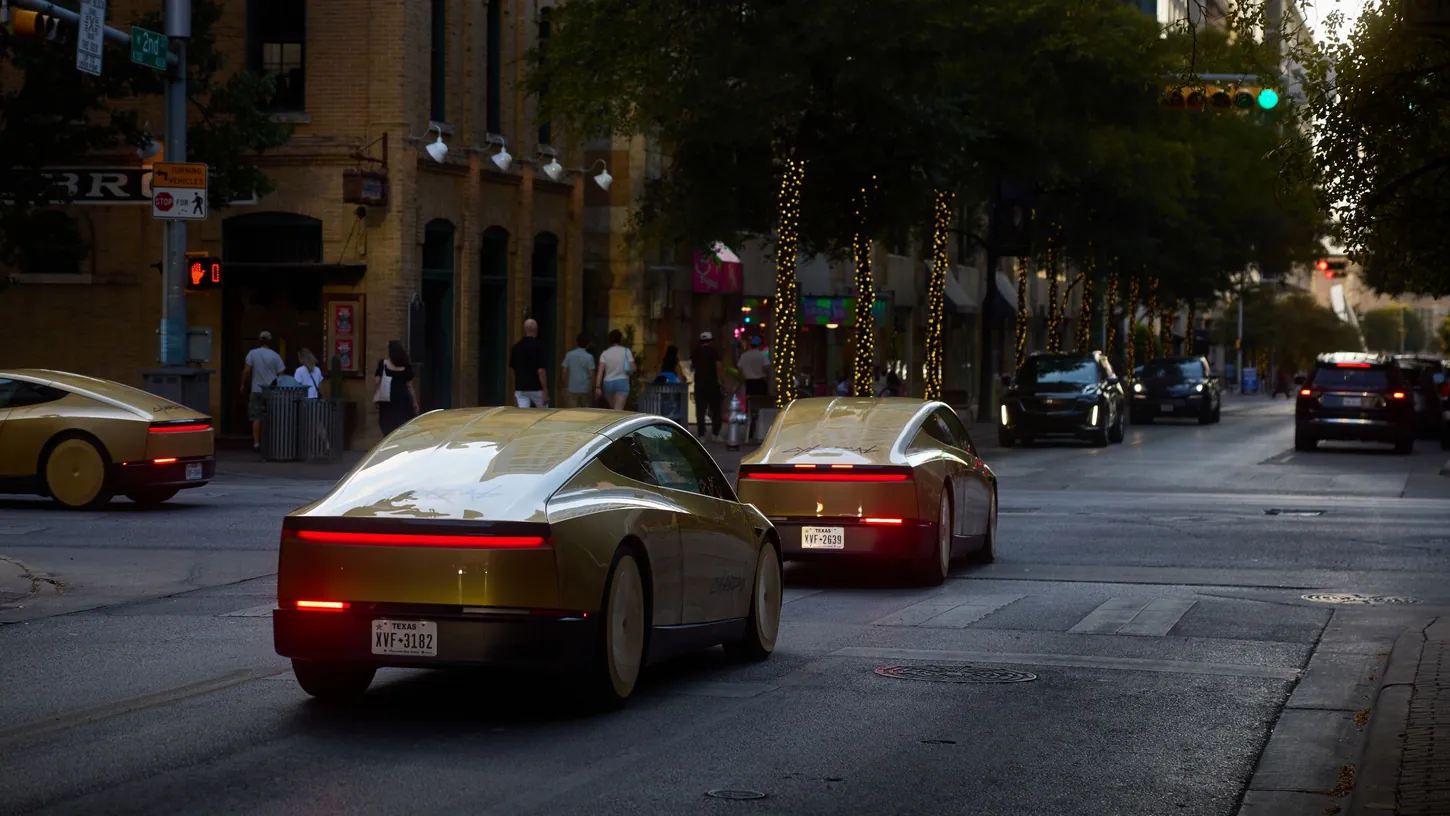
CATL has yet to unveil a lithium-air EV battery capable of driving 1,243 miles (2,000 km). Headlines circulating this week refer to a technology the Chinese battery maker is exploring, not a tested vehicle or announced production product.
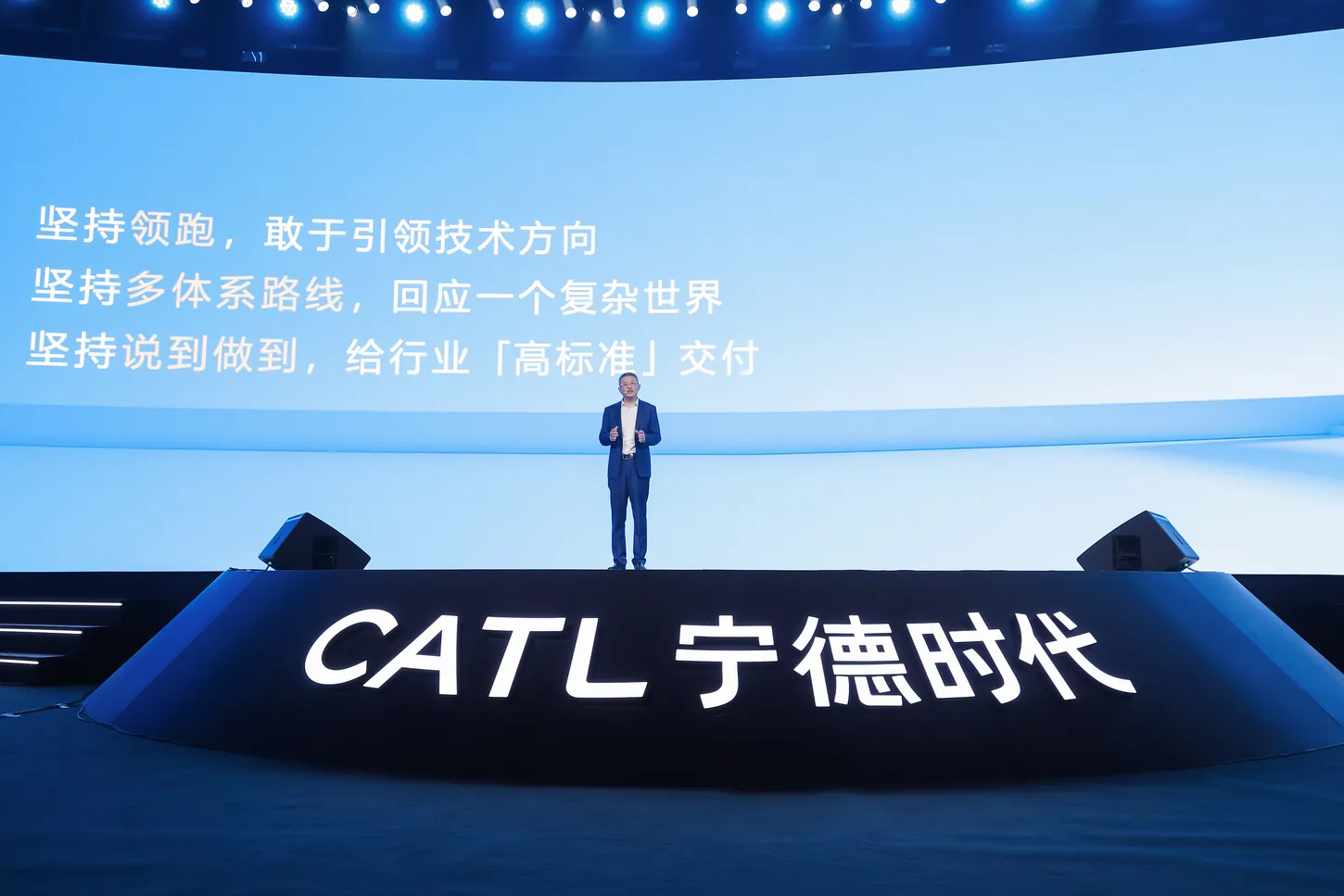
The story traces back to May 30, when CATL chief scientist Wu Kai discussed lithium-air batteries as a future research direction at an industry conference. IT Home revisited his remarks on November 6, pairing them with the chemistry’s theoretical figures, which are not CATL product specifications.
The 1,243-Mile Figure Comes From Theory, Not Vehicle Testing
A lithium-air battery reacts lithium with oxygen taken from outside the cell. Because it does not carry all its reactants inside, the chemistry could theoretically store much more energy per pound than conventional lithium-ion batteries.
IT Home cites a theoretical energy density of around 1,590 watt-hours per pound (3,500 Wh/kg) and speculates that a vehicle could exceed 1,243 miles (2,000 km) with this battery technology. The actual range would depend on the battery’s usable energy, weight and the vehicle’s efficiency. IT Home’s headline put the range at 2,000 km and the energy density at five times that of solid-state batteries, and CarNewsChina asked the same question in English a day later. The same IT Home article puts any commercial turning point for lithium-air batteries after 2030, and CarNewsChina had already reported Wu Kai’s remark and the chemistry’s theoretical ceiling in June.
EVXL previously covered a separate university experiment achieving high cell-level energy density, although such lab measurements should not be compared directly with a complete commercial battery pack.
Research Cells Still Face Major Obstacles
In a 2023 study in Science, researchers at Illinois Institute of Technology and Argonne National Laboratory developed an experimental lithium-air battery that survived at least 1,000 charging cycles at room temperature.
A separate 2024 study by researchers at Jilin University and the Chinese Academy of Sciences achieved an energy density of 344 Wh/lb (757.5 Wh/kg), meaning the battery could store more energy for its weight. The researchers also reported 241 charging cycles, but those came from a different test cell under laboratory conditions, not from the cell that reached 757.5 Wh/kg.
Moisture and carbon dioxide can damage lithium-air cells or leave deposits that interfere with the oxygen reaction. A vehicle would need air handling, filtration and humidity control, adding weight and increasing the amount of energy used. Recharge efficiency and long-term durability remain the biggest challenges.
CATL’s April announcement focused on Qilin, Shenxing and other batteries closer to production. EVXL also reported that Rimac expects solid-state battery cars around 2030, with battery costs potentially matching today’s conventional EV batteries by 2035. That timeline applies to solid-state batteries, not CATL’s lithium-air research.
EVXL’s Take
Lithium-air research could eventually change battery weight and range, but CATL has yet to show any evidence of a verified 1,243-mile vehicle, production schedule or commercial cell. The impressive results cited this week come from independent laboratories using different designs and test conditions. Until CATL publishes its own measured performance and a credible path to vehicle use, the range headline is speculation.
Sources: CarNewsChina, IT Home, Science, Advanced Energy Materials, CATL.
EVXL uses automated tools to support research and source retrieval. All reporting is by Damien Kesteloo, edited by Haye Kesteloo.