
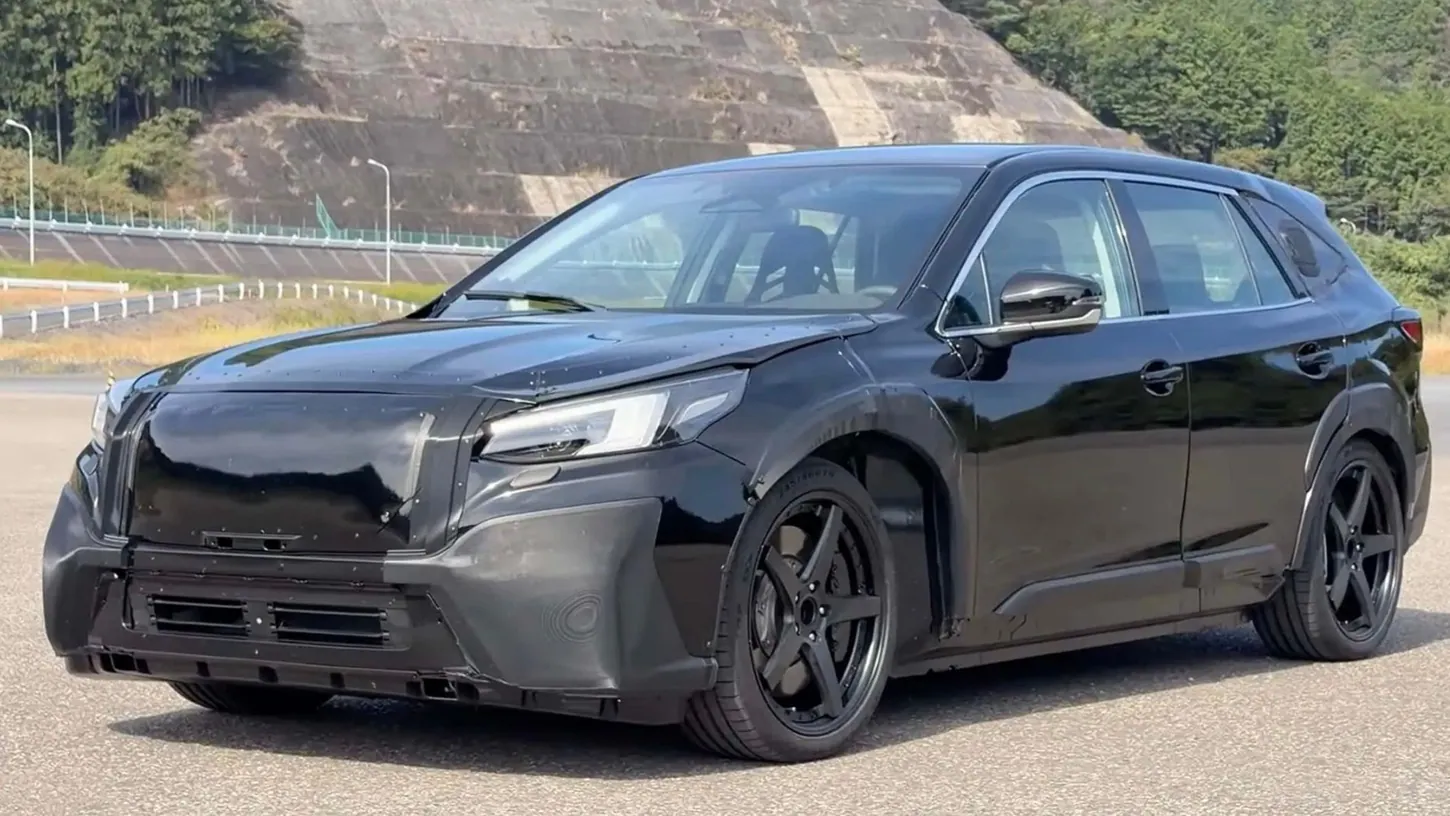
Subaru previewed new electric-vehicle technology at a press briefing at its research center in Sano, Japan, on October 18, 2026. The all-wheel-drive development vehicle produces 380 kW (about 510 horsepower) and accelerates from 0 to 62 mph (100 km/h) in under four seconds, Subaru told reporters.
The modified wagon is a test vehicle, not a confirmed production model. Subaru is developing its own EV architecture to gain insight and control over how its future vehicles handle and respond to drivers. The briefing came five months after Subaru postponed its first in-house EVs, which had been due by 2028, and a year after it first put its EV investments under review over US tariffs.
Subaru Wants More Influence Without Abandoning Its Partnerships
According to Automotive News, as relayed by InsideEVs, Subaru engineering executive Takatomo Watamori explained that developing more vehicle technology internally would help preserve the brand’s driving characteristics. Some of the technology could reach production around 2029, though Subaru has not confirmed a model or launch date.
That does not mean Subaru is ending its Toyota partnership or manufacturing every component independently. Toyota holds a 21% stake in Subaru, and the Solterra, Trailseeker, Uncharted and Getaway all share Toyota underpinnings.
Subaru’s 2024 Aisin agreement covers joint development of eAxles, which combine an electric motor, inverter and gearbox into a drive unit. Subaru also signed a Panasonic agreement for cylindrical lithium-ion batteries. Aisin developed the prototype’s drive units and Panasonic Energy supplied its cells.
Reuters reported on October 19 that Subaru currently does not plan to adopt Toyota’s Arene software platform, separate from the broader collaboration.
A Lighter Battery Could Improve Subaru’s Future EVs
The prototype report describes a target weight reduction of 220 pounds (100 kg) compared with Subaru’s current EVs. Its battery contains 4,000 cylindrical cells and reportedly weighs 25% less than an earlier Subaru battery. Engineers are also targeting energy density 20% above an unspecified industry average. Subaru has not disclosed the pack’s capacity, its range or its charging performance.
Subaru’s September 2024 factory announcement confirmed plans to manufacture next-generation cylindrical batteries with Panasonic in Japan, with a new plant in Oizumi, Gunma Prefecture, and 20 GWh of annual capacity by 2030. In May 2026 Subaru put the Oizumi plan under review when it delayed its in-house EVs, Just Auto reported, and the plant is now slated to build gasoline vehicles first.
The Test Vehicle’s Performance Is Not a Production Promise
Subaru’s development vehicle demonstrates the potential of its new electric hardware, but its modified Outback body should not be mistaken for a future electric Outback or STI. Eiji Shibata, Subaru’s chief digital car officer, told reporters at the briefing that the running prototype came about a year after digital development began, Motor Fan reported.
InsideEVs also reports a 30% improvement in motor efficiency without establishing a precise comparison baseline. That number cannot be turned into a range figure, because Subaru has published none.
Subaru’s Electronics Will Also Support Gasoline and Hybrid Cars
Subaru’s March announcement describes a microcontroller being developed with Infineon for the integrated electronic controller that coordinates EyeSight driver assistance and vehicle handling, including all-wheel-drive control. The chip at the controller’s core was co-developed with AMD, Reuters reported. Subaru is developing the technology for use across its whole lineup, including electric, hybrid and gasoline-powered vehicles.
According to Reuters, Subaru plans to introduce vehicles that will receive major improvements through software updates later this decade. The company also aims to reduce vehicle development times by approximately 40%.
Digital simulations and overlapping development work are the main methods Subaru plans to use to reach that target.
EVXL’s Take
EVXL previously covered Subaru’s European expansion and Uncharted pricing. The new prototype addresses a different target, developing electric vehicles that are made to feel more distinctly like Subarus.
The 510-hp figure attracts attention, but lower weight, greater control over vehicle electronics, and improved range could very well be more valuable to customers. Subaru still needs to show that these engineering improvements deliver measurable benefits in a production car.
Sources: Automotive News, InsideEVs, Reuters, Motor Fan, Just Auto, Subaru
EVXL uses automated tools to support research and source retrieval. All reporting is by Damien Kesteloo, edited by Haye Kesteloo.