Tesla has filed a patent for a glass roof structure designed to stop cabin overheating without giving up the automaker’s signature panoramic glass, according to a filing published by the US Patent and Trademark Office.
A Perforated Inner Pane With an Air Gap Wired to the HVAC System
The patent, titled “Automotive Perforated Glass Structure,” describes a double-layered glass panel: a solid outer pane for weatherproofing, and a separate inner pane facing the cabin that’s perforated with thousands of tiny holes. Between the two layers sits an air gap — small enough to stay hidden inside the roof structure but large enough to carry airflow.
That gap connects directly to the vehicle’s climate control system. Cool or warm air is pumped into the space between the panes, then filters evenly through the perforations and into the cabin, diffusing air across the entire roof surface rather than blasting it from dashboard vents. A honeycomb structure inside the gap keeps the dual-pane assembly rigid while also acting as an acoustic dampener, letting the design cut down on road and wind noise at the same time it manages temperature.
Aimed at Glass Roofs’ Biggest Complaint
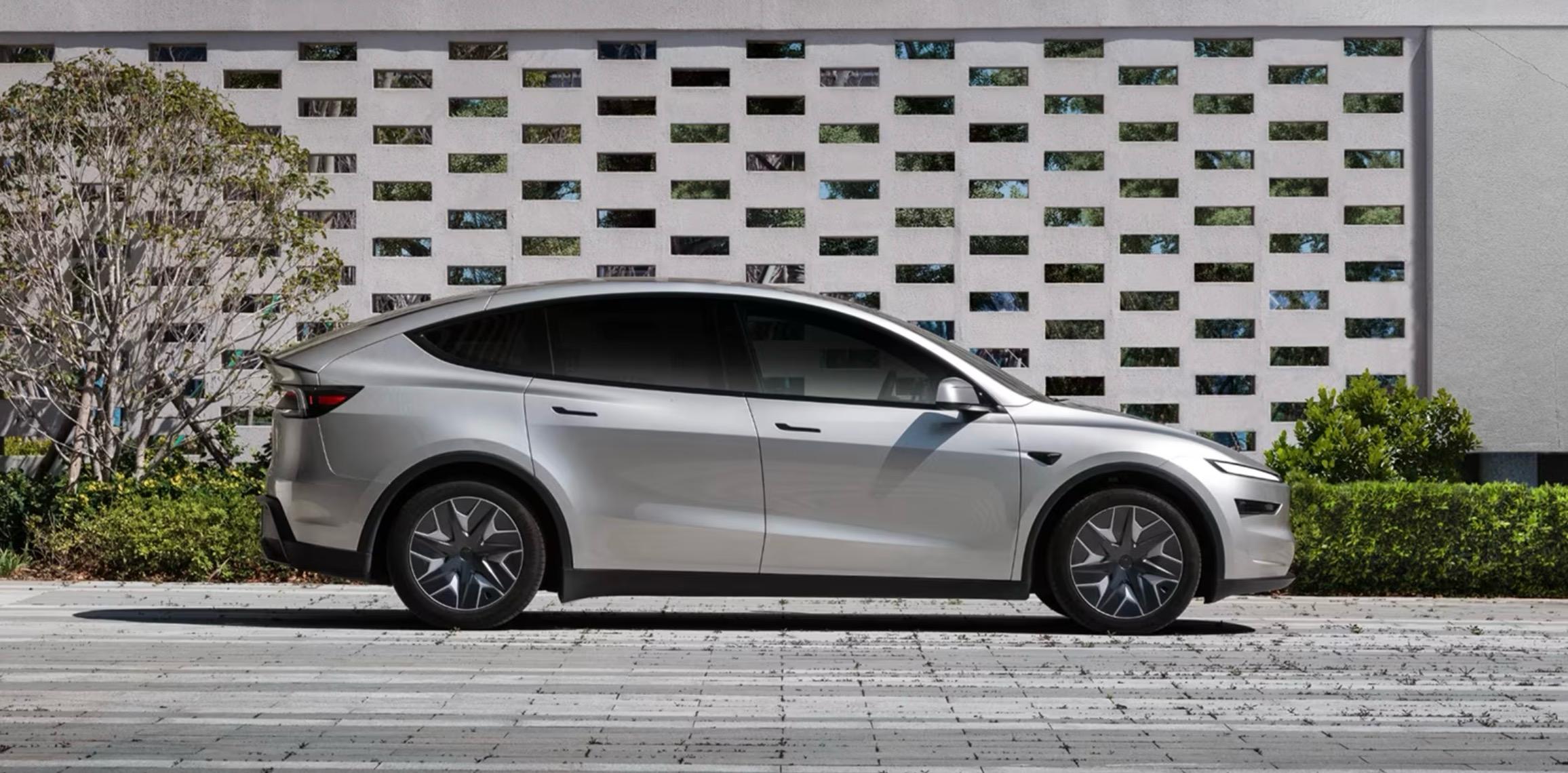
Tesla’s panoramic glass roofs have long drawn praise for structural strength and cabin openness, but also a common owner complaint: they turn into greenhouses on hot, sunny days, since tinting and UV coatings only do so much to block solar heat gain. By ventilating the glass itself rather than just treating it, Tesla could neutralize heat closer to where it enters the cabin — potentially clearing the way for even larger glass surfaces in future models without making the overheating problem worse.
It’s unclear whether or when this design would reach production. Patent filings describe engineering possibilities a company is protecting, not confirmed roadmap features.
EVXL’s Take
Tesla has filed a string of cabin-comfort patents this year aimed at the same complaint: glass roofs look great and feel spacious, but they bake occupants in direct sun. This one is clever because it doesn’t try to fix the problem with better glass — it turns the glass itself into the vent. Worth remembering this is a patent, not a production announcement; plenty of automaker patents never make it past a filing cabinet. But if Tesla can pull off diffuse ceiling-level cooling without the dashboard blast, that’s a genuine passenger-comfort upgrade, not just a spec-sheet curiosity.
Source: USPTO filing via Stuff
EVXL uses automated tools to support research and source retrieval. All reporting and editorial perspectives are by Haye Kesteloo.