

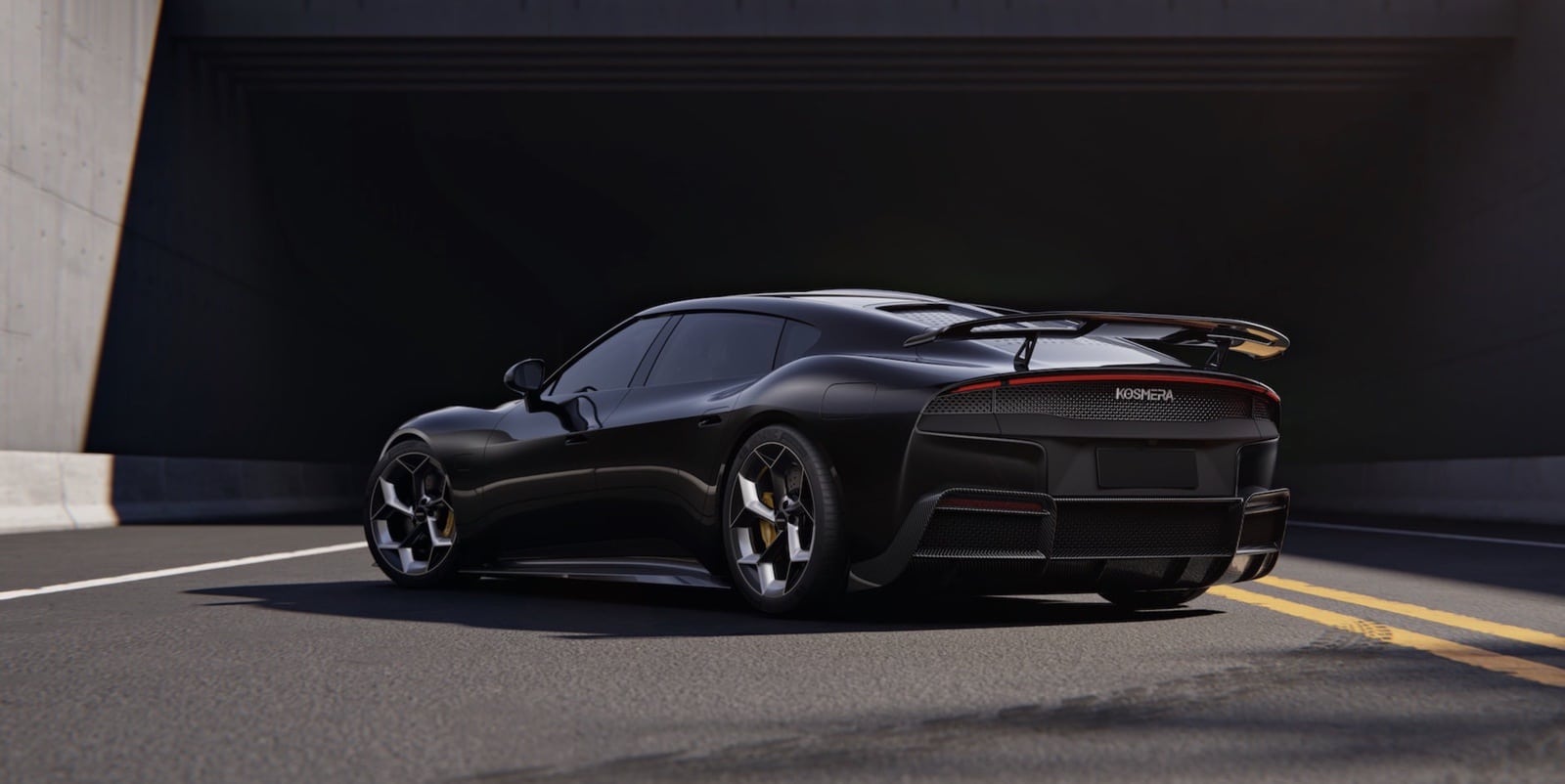
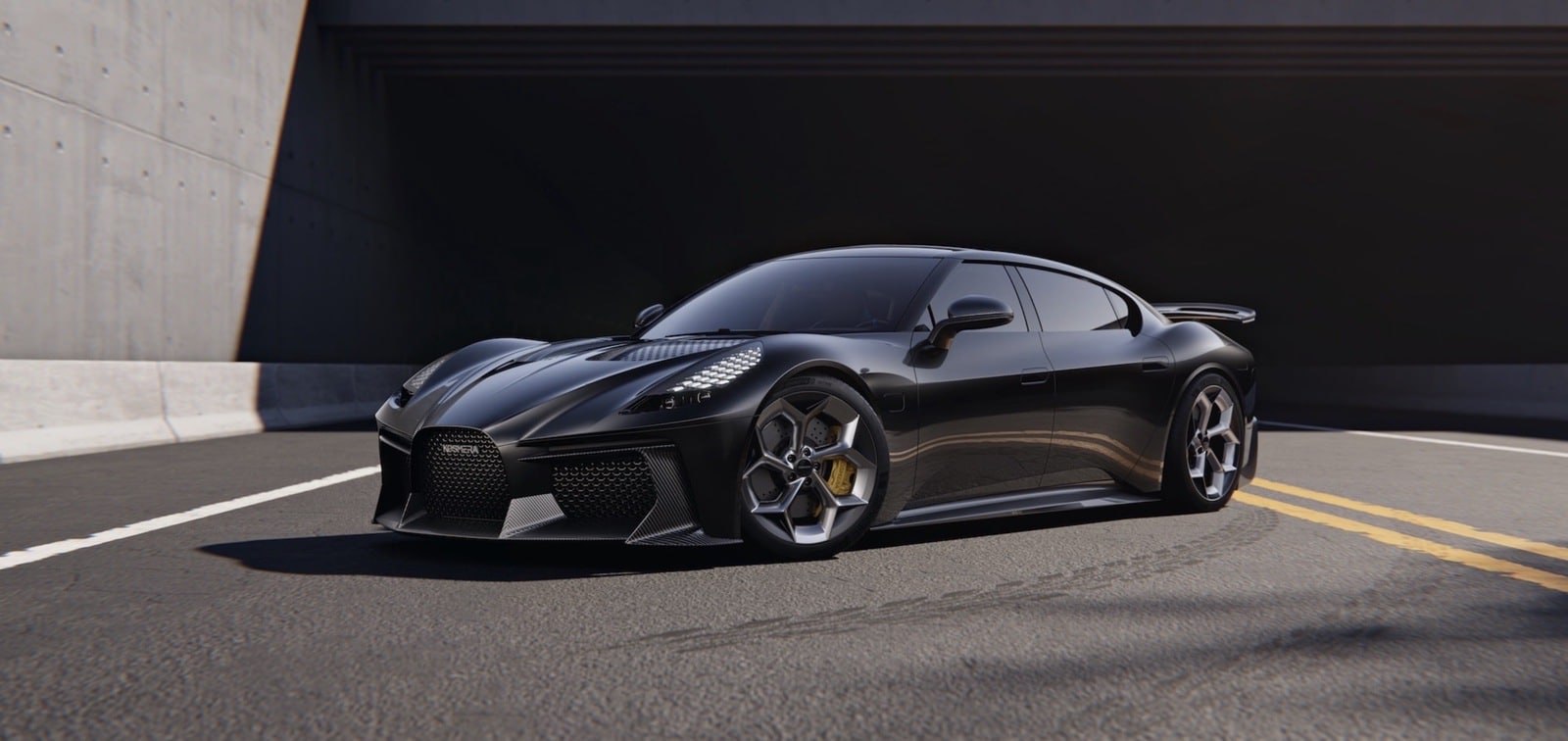
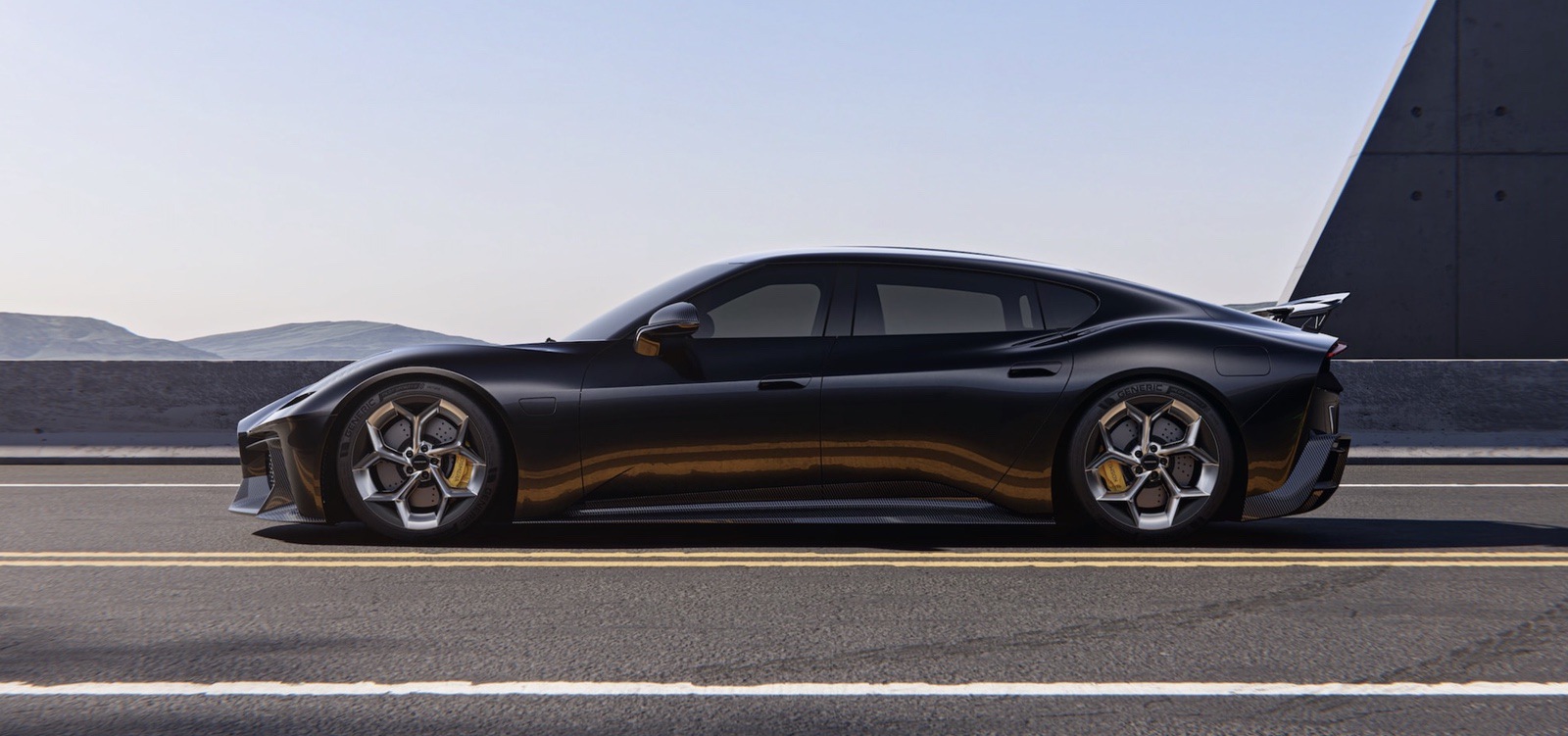
A Chinese vacuum-cleaner company now wants to build the most powerful electric car on the planet. Kosmera, the high-performance brand spun off from smart-home giant Dreame, has detailed a quad-motor powertrain targeting 2,320 kW, or 3,156 horsepower, for its upcoming Star Matrix and Star Razer grand tourers. The figure would put a first-year automaker above nearly every production EV on sale today.
The powertrain comes from Axion Power, Kosmera’s in-house propulsion unit, and runs on a 1,200-volt electrical architecture paired with axial flux motors and silicon carbide inverters. Kosmera says the system is still in pre-development, with patent filings in progress, and the brand does not expect its first vehicles on the road until 2029.
What makes this one worth a second look is the engineering target underneath the headline number. Kosmera is chasing sustained, repeatable output under load rather than a single launch-control party trick, and that ambition is harder to fake than a top-line horsepower figure.
Kosmera Built a Performance Brand on Top of a Home-Appliance Business
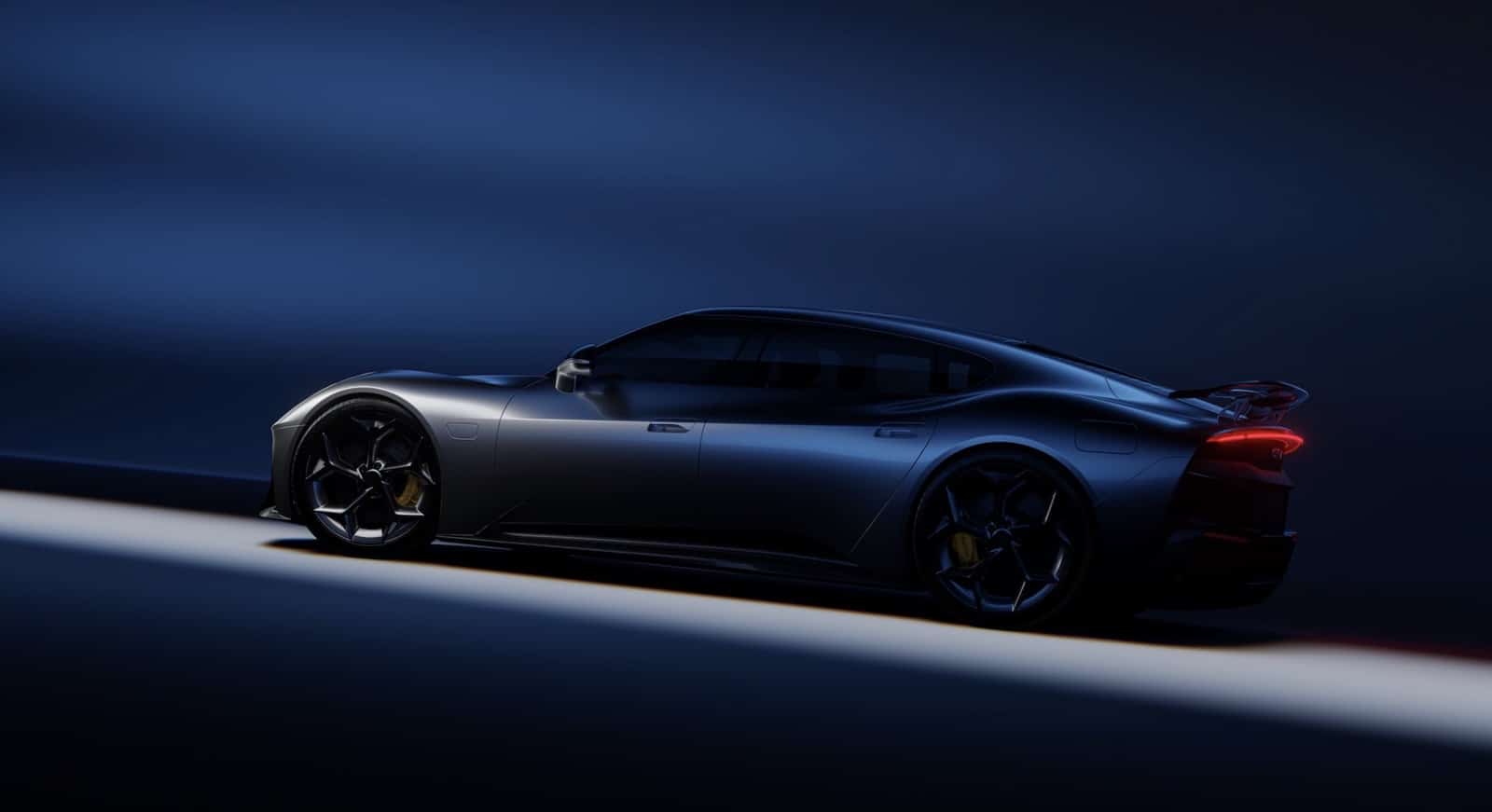
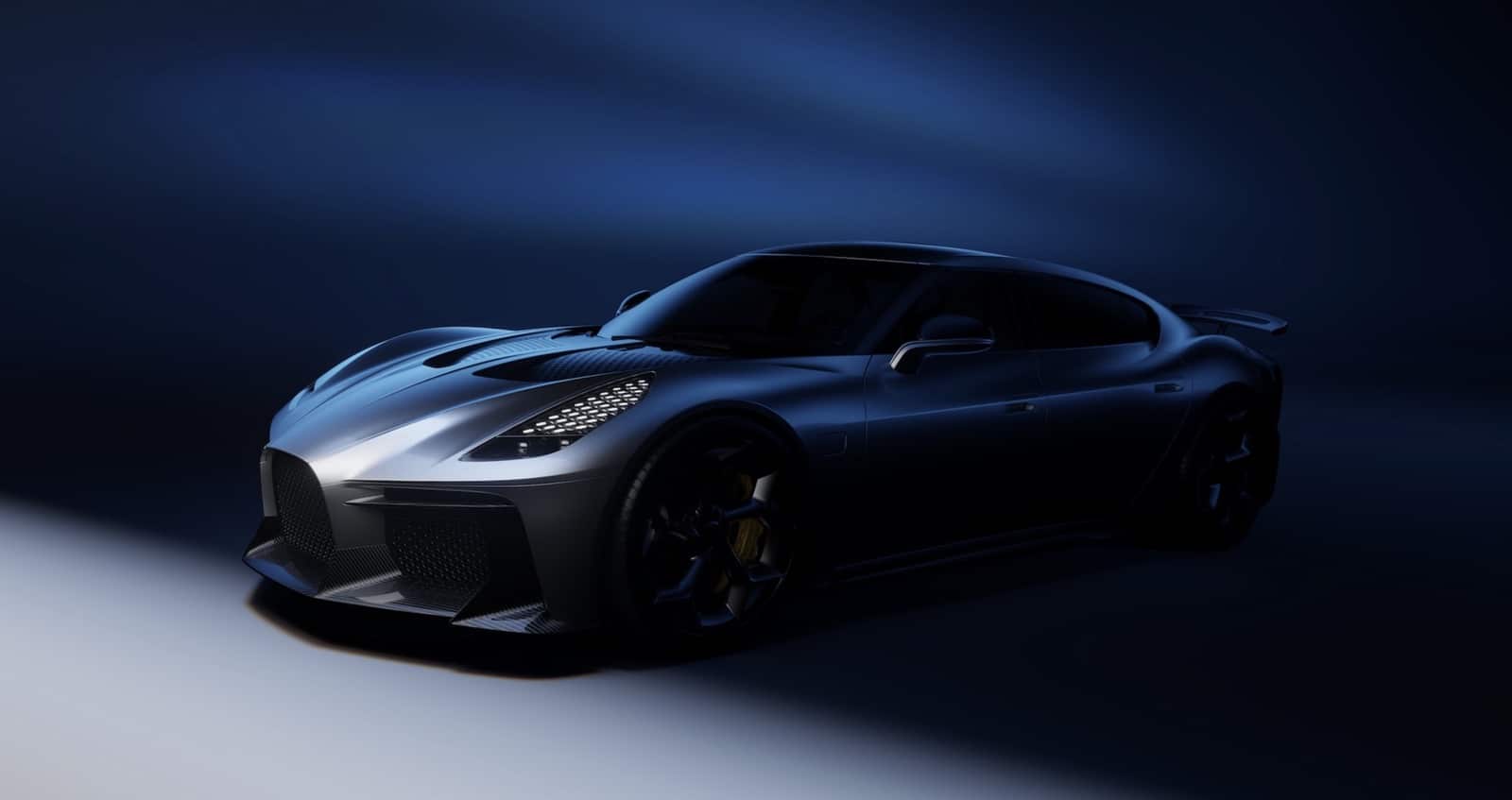
Kosmera is a premium electric-vehicle brand owned by Dreame, the Chinese consumer-electronics firm best known for robot vacuums and cordless cleaners. The company debuted two static prototypes, the Star Matrix and Star Razer, at CES 2026 in Las Vegas in January, then showed the Star Matrix again at AWE 2026 in Shanghai in March.
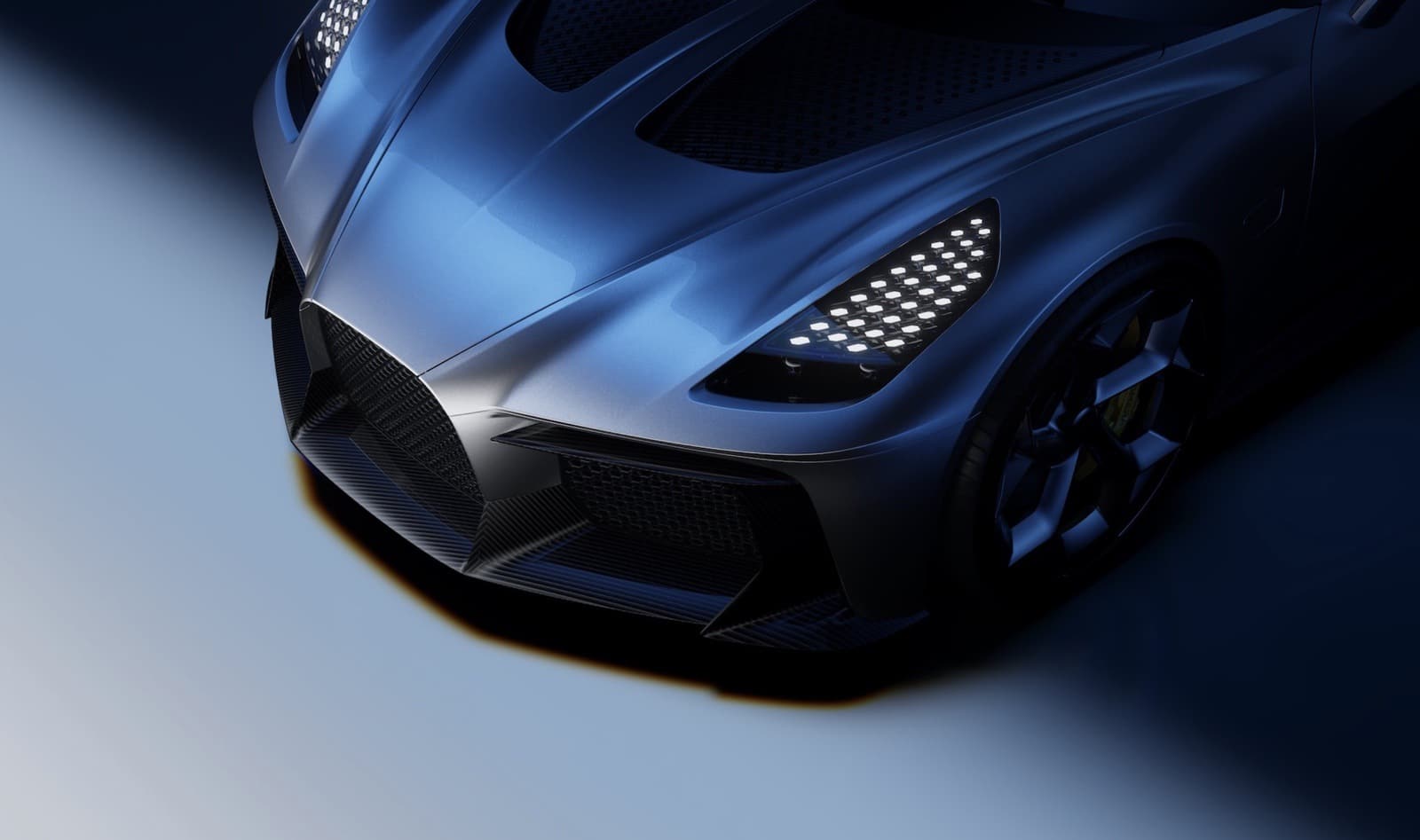
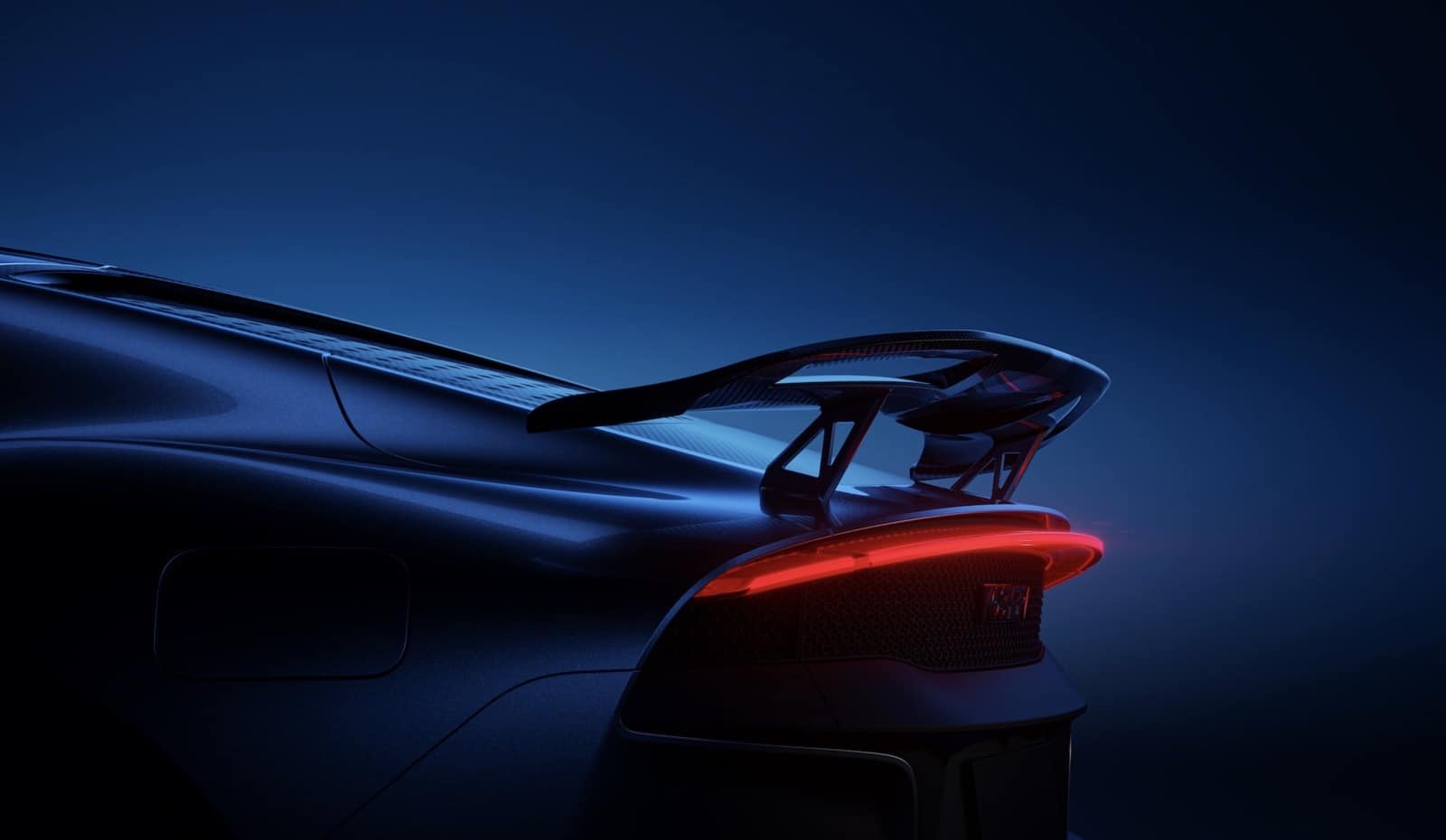
Both cars share one platform, and Kosmera plans a three-vehicle range that adds an SUV and a four-door GT alongside the hypercar. The brand already operates offices in several countries. The Star Razer prototype shown at CES leaned heavily on Bugatti-style proportions, a resemblance that drew immediate comparisons across the automotive press.
The Axion Power Drivetrain Prioritizes Thermal Stability Over Peak Bursts
Axion Power’s design uses four motors arranged in dual-motor modules, with one module on each axle, fed by a 1,200-volt system. The unit relies on axial flux motors, which route magnetic flow along the rotation axis rather than radially, producing a shorter magnetic path and more torque in a smaller package.
Kosmera claims a power density of 60.5 kW per kilogram, or 81.1 horsepower per kilogram, achieved with magnesium-aluminum alloy die-cast structures reinforced with carbon fiber. The company says it develops its own thermal management, bearing systems, and magnetic flux control in-house. The stated goal is output that holds up over repeated track laps instead of fading after one hard launch, which is the failure mode that has dogged heavy EVs on circuits.
These specs are targets, not measured results from a running car. No independent outlet has tested a dynamic Kosmera prototype, and the 3,156-hp figure rests entirely on the company’s own pre-development claims.
Kosmera Is Aiming Squarely at BYD’s Yangwang U9
The 3,156-hp target reads as a direct shot at domestic rival BYD and its Yangwang U9, the four-motor electric supercar that already pushes past 2,900 horsepower in its most extreme form. Beating that number would hand Kosmera the bragging rights it needs to register as a serious name overnight.
EVXL has tracked the U9 closely, including its 2.36-second 0-to-60 sprint and how it has eclipsed Tesla’s still-undelivered second-generation Roadster. The U9 set a Nurburgring lap of 7 minutes 17.9 seconds and a top speed near 244 mph, making it the fastest Chinese production car to date. Kosmera wants to leapfrog all of it before it has sold a single car.
The brand also name-checks Rimac and Koenigsegg as benchmarks. For context, Rimac’s Nevera R produces 2,107 horsepower and starts at $2.5 million in a run of just 40 cars. Kosmera’s headline number sits roughly a thousand horsepower above a hypercar that costs more than most houses.

The Horsepower Math Stops Making Sense Past a Certain Point
Peak power has turned into a cheap commodity in the electric era, and chasing 3,000-plus horsepower runs into hard physical limits. A street tire can only transmit so much force to asphalt, and human reaction time does not improve no matter how violent the acceleration becomes.
An ordinary electric sedan can already out-drag a decade-old supercar while weighing well over 5,000 pounds. Stacking another thousand horsepower onto a heavy battery car delivers diminishing returns on a public road and arguably on a track too. The genuine engineering here lives in the thermal management and motor packaging, not in the round number on the spec sheet. Kosmera’s axial flux work could matter for production EVs even if the hypercar itself never reaches a customer.
EVXL’s Take
This is the same arms race I flagged when covering how China’s EV strength grew from the ground up rather than a single top-down plan. A vacuum company building a 3,156-hp hypercar is not an outlier. It is what happens when battery and motor tech gets cheap enough that horsepower becomes a marketing input instead of an engineering achievement.
Here is the prediction. Kosmera will not deliver a customer car hitting anywhere near 3,156 horsepower by its stated 2029 window. Expect a dynamic prototype with an asterisk-laden number and a production figure revised downward well before any VIN gets stamped.
Source: Autoblog.
EVXL uses automated tools to support research and source retrieval. All reporting and editorial perspectives are by Haye Kesteloo.


