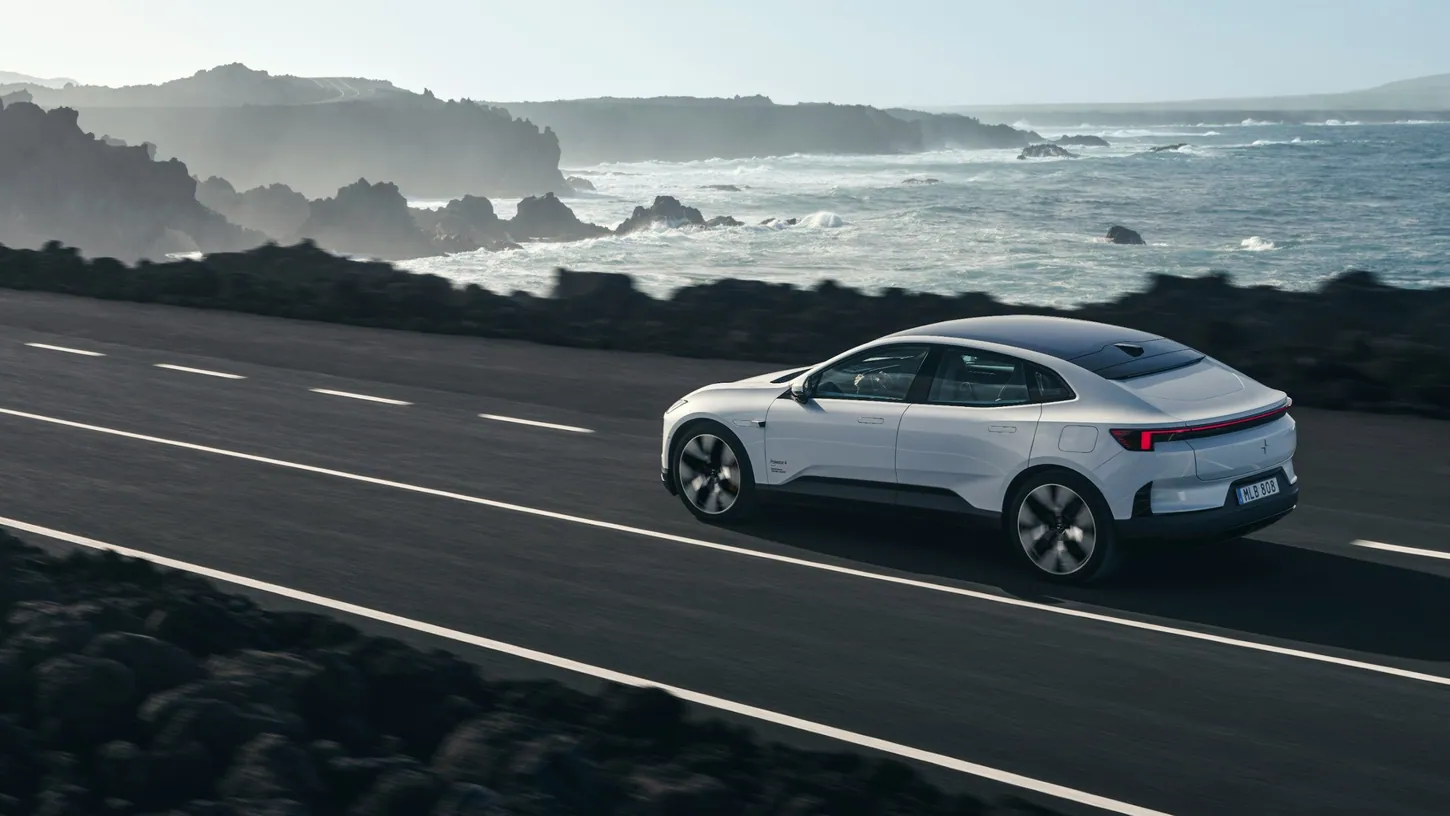
Polestar has beaten Tesla as the brand whose electric cars keep the most range in freezing weather. Recurrent studied data from more than 59,000 EVs in the U.S. and published the results on November 25. The 43 models in the study keep an average of 78% of their best range at 32°F (0°C), from 90% for the Tesla Model S with a heat pump down to 70% for the Toyota bZ4X.
Recurrent compares each car’s range in the cold with the best range it sees for that model in mild weather, usually 70°F to 80°F (21°C to 27°C), not with its EPA rating. The data includes several winters.
Polestar’s First Place Comes From One Car It Is Phasing Out
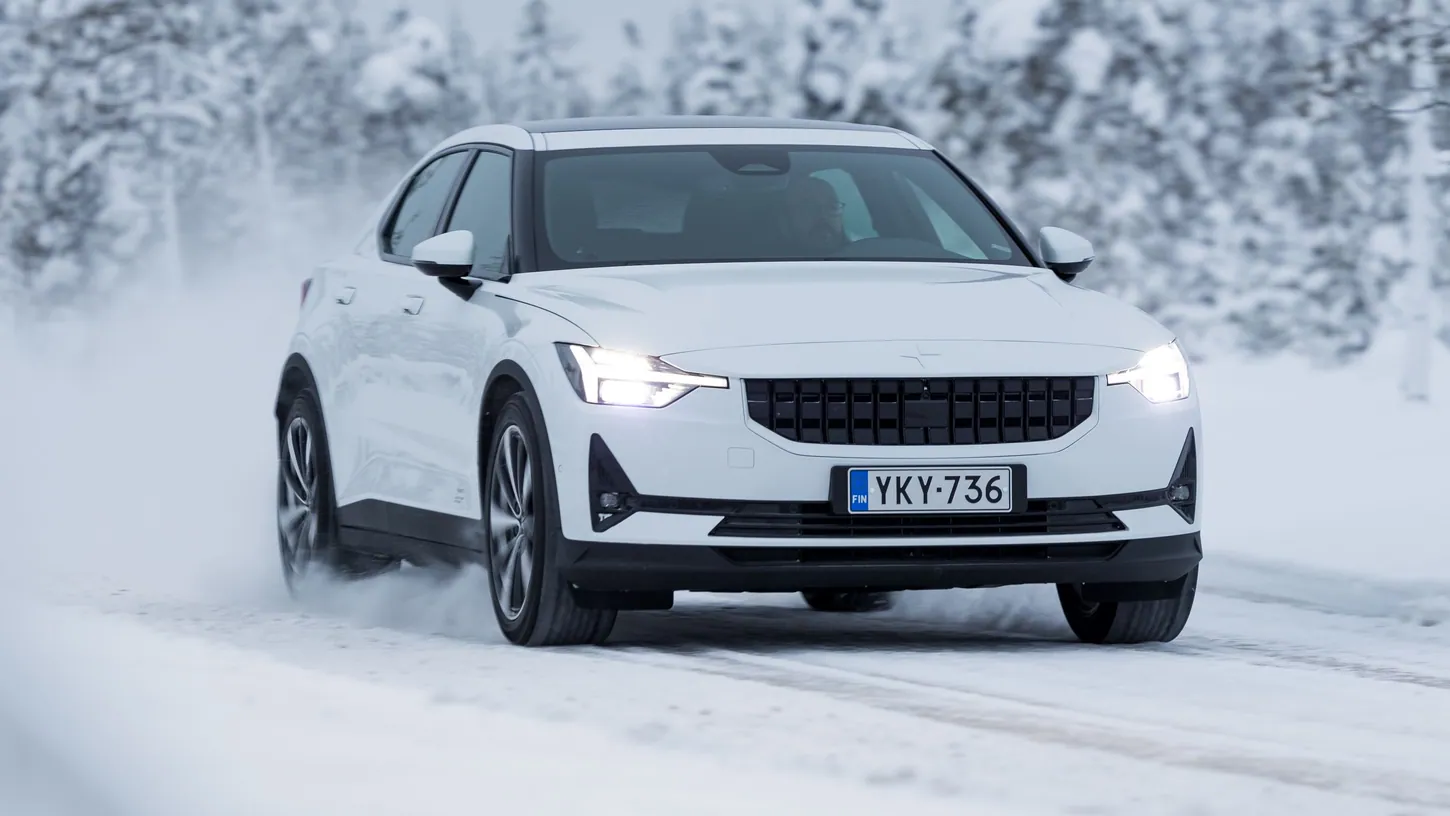
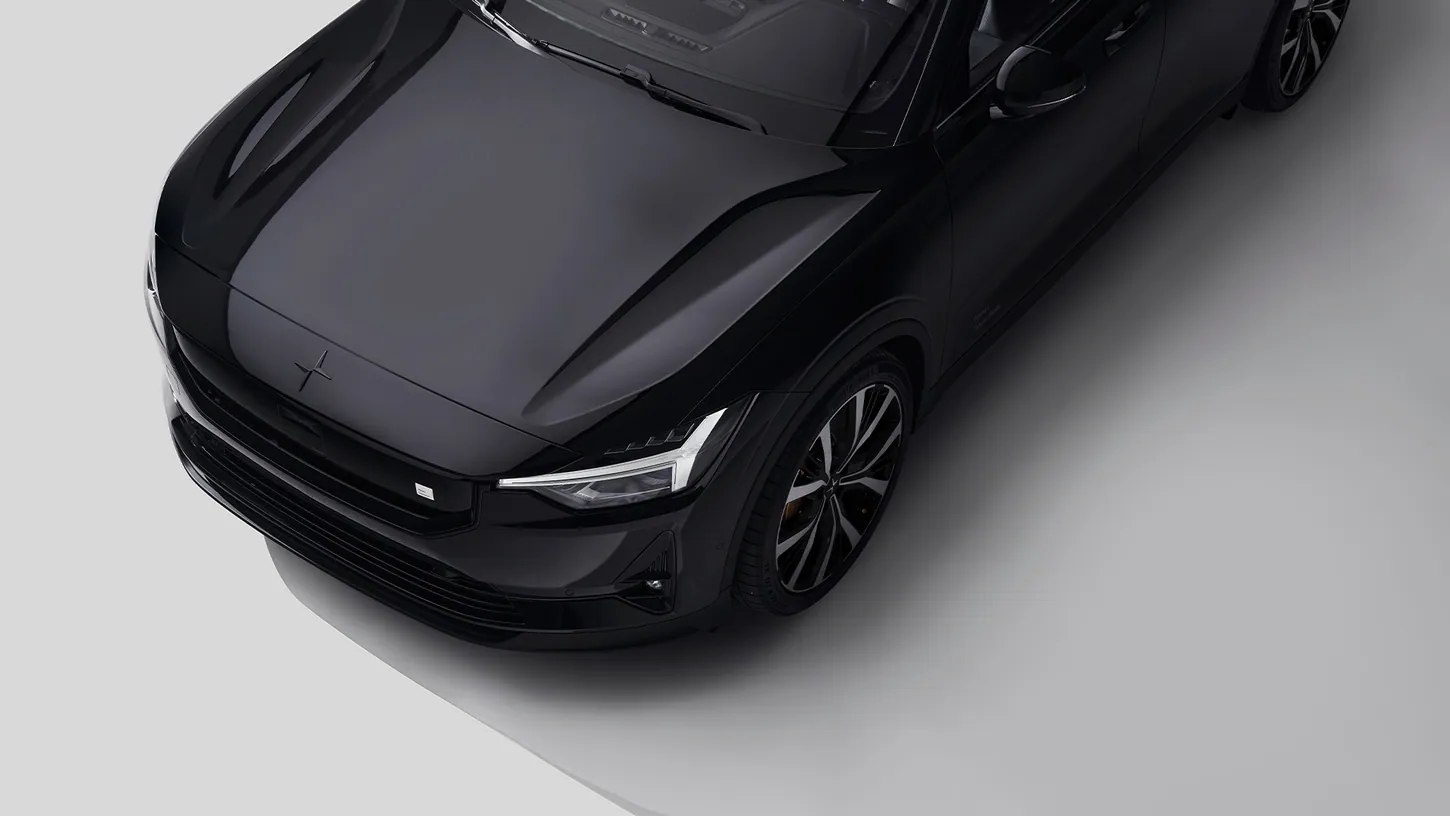
The Polestar 2 is the only Polestar in Recurrent’s study, so the brand’s percentage is based solely on that one car. It keeps 88% of its range at 32°F and 83% at 20°F (-7°C). Polestar’s third-quarter report mentions the “phase-out of the current Polestar 2 model,” as EVXL reported.
Polestar is also being forced to leave the U.S. It will not sell 2027 models here after the Commerce Department denied it approval under the Connected Vehicle Rule, and it is selling off its remaining Polestar 3 and Polestar 4 inventory, as EVXL reported. Existing owners keep service and warranty support.
Tesla Has the Two Best Models, Led by the Model S at 90%
Tesla is second of the 18 brands in the study, keeping 85% of its range at 32°F and 77% at 20°F, but it has the top two models. The Model S, 2021 and newer with a heat pump, keeps 90% at 32°F and 82% at 20°F. The Cybertruck keeps 89% and 83%.
The Model 3 keeps 85% at 32°F and 76% at 20°F, and the Model Y keeps 84% and 75%. Recurrent’s own write-up has a heading saying “Tesla Crushes the Cold,” even though its brand chart puts Polestar first. Tesla has five models in the study and Polestar only one, and Recurrent says all of Tesla’s models perform among the best.
Toyota Is Last, Keeping 59% at 20°F
Toyota is last of all 18 brands in the study, keeping 70% of its range at 32°F and 59% at 20°F. Its bZ4X is the lowest model in the study at 32°F, below the Chevrolet Blazer EV and Mercedes-Benz EQS at 71%. For every 100 miles of range in mild weather, a Polestar 2 keeps 83 at 20°F and a bZ4X keeps 59. That’s a big difference.
Several GM models rank low even though they have heat pumps, including the Cadillac Lyriq at 74%. Recurrent believes GM adds a backup resistive heater, a common practice that uses more energy, and suspects GM switches it on at a warmer temperature than other brands. That gives a warmer cabin but costs range.
A Heat Pump Adds Up to 8% of Range at 32°F
Recurrent says a heat pump adds up to 8% of range at freezing, and for some used EVs the model year can tell you whether the car has one. A Model S built from 2012 to 2020, which doesn’t have a heat pump, keeps 83% at 32°F instead of 90% with a heat pump. Another example is the Rivian R1S: a 2022 to 2024 R1S keeps 77% without a heat pump instead of 80% with one.
EVXL’s Take
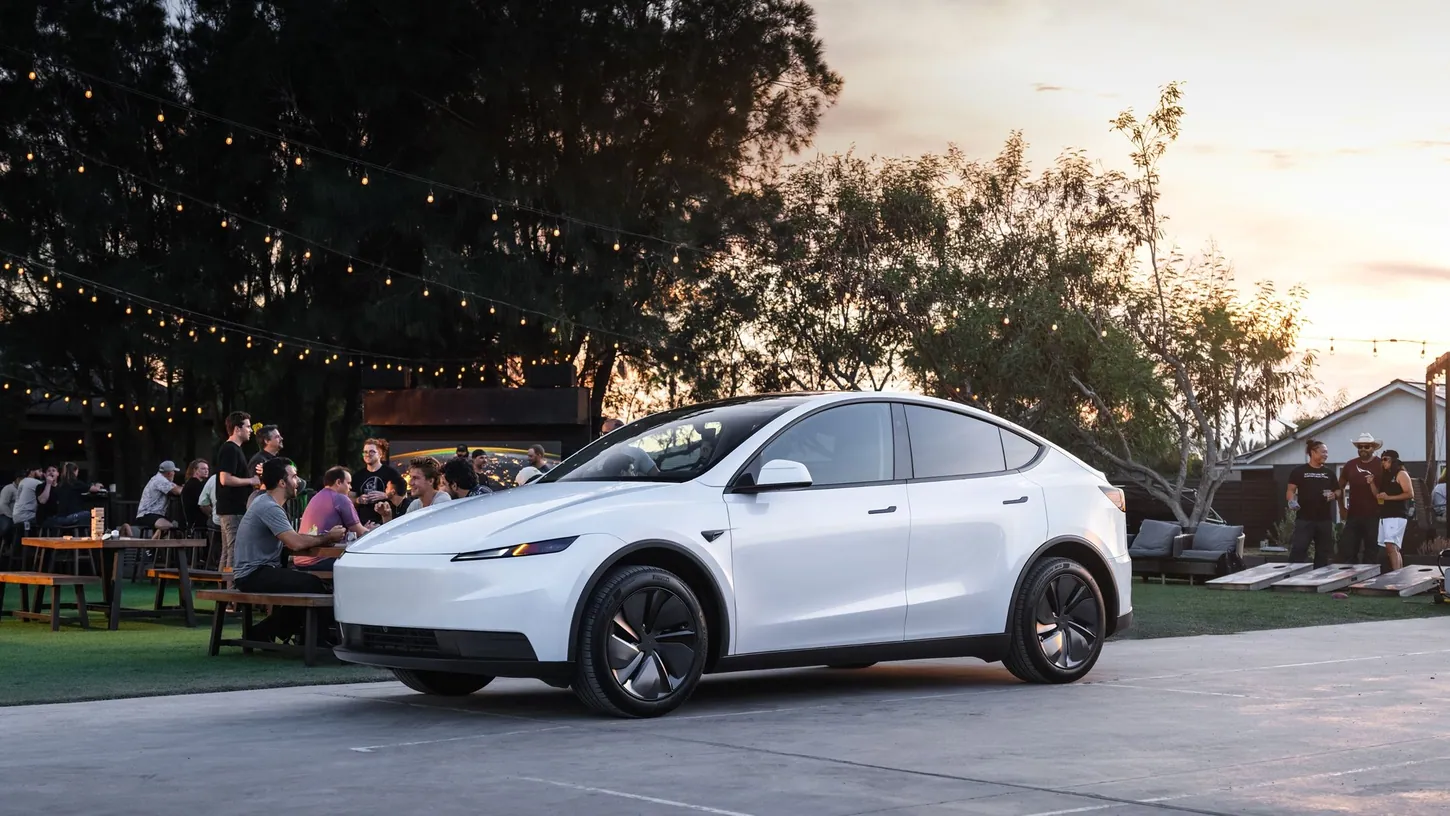
If I lived somewhere cold and were buying an EV this winter, and wanted to keep some spaciousness and SUV feeling, I’d pick the Tesla Model Y, which keeps 84% of its range at 32°F and 75% at 20°F. The better performing car in the cold would be the Polestar 2, at 88%. But Polestar is already phasing it out and Polestar as a whole is leaving the U.S., so the Model Y is the safer bet, especially if you want a brand new car.
Sources: Recurrent, Polestar Q3 2026 report (via EVXL).
EVXL uses automated tools to support research and source retrieval. All reporting is by Damien Kesteloo, edited by Haye Kesteloo.