

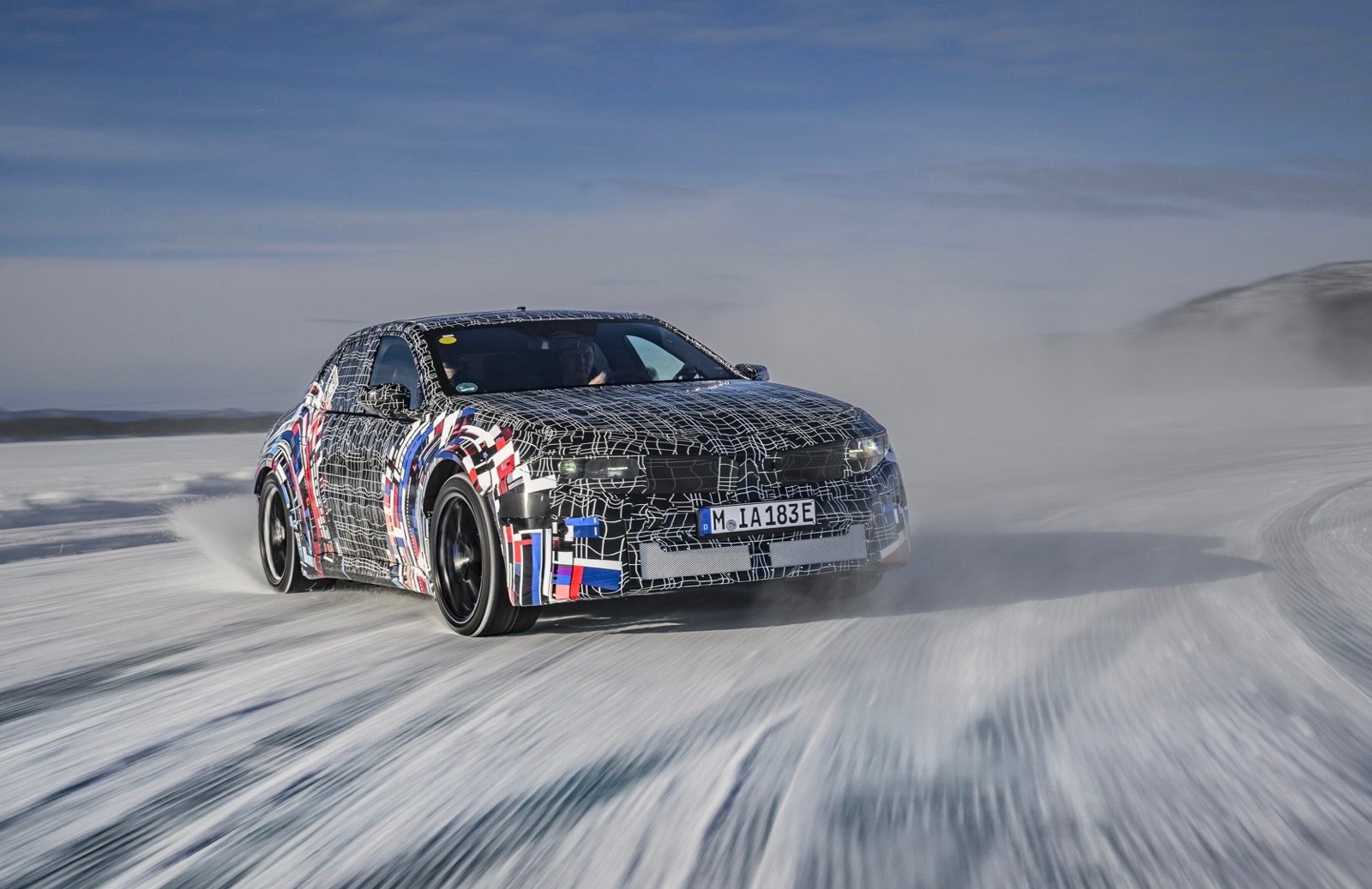
Four motors. No mechanical differentials. Software controlling every wheel independently. BMW just revealed the technical details behind its first fully electric M car, and while the spec sheet promises revolutionary performance, the real story is what this architecture means for the future of the driving experience that M badge buyers actually pay premium prices for.
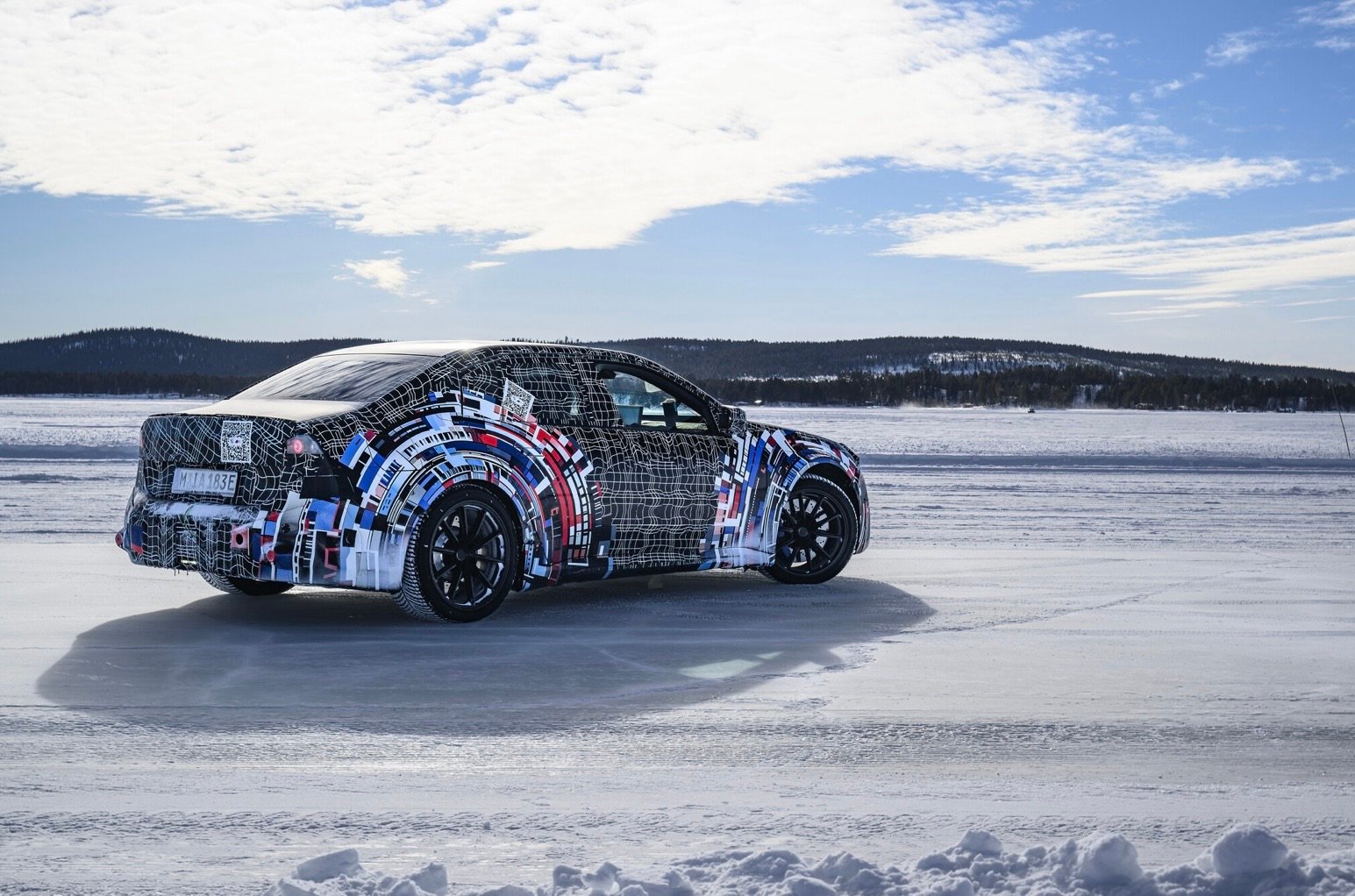
The BMW M Neue Klasse prototype, spotted testing on Arctic ice and detailed during a November 2025 technical workshop, confirms the quad-motor configuration we’ve been tracking since BMW first hinted at this powertrain direction. But the newly revealed specifics paint a more nuanced picture than the headline-grabbing “1,000+ horsepower” speculation that’s dominated coverage.
Here’s what BMW actually confirmed:
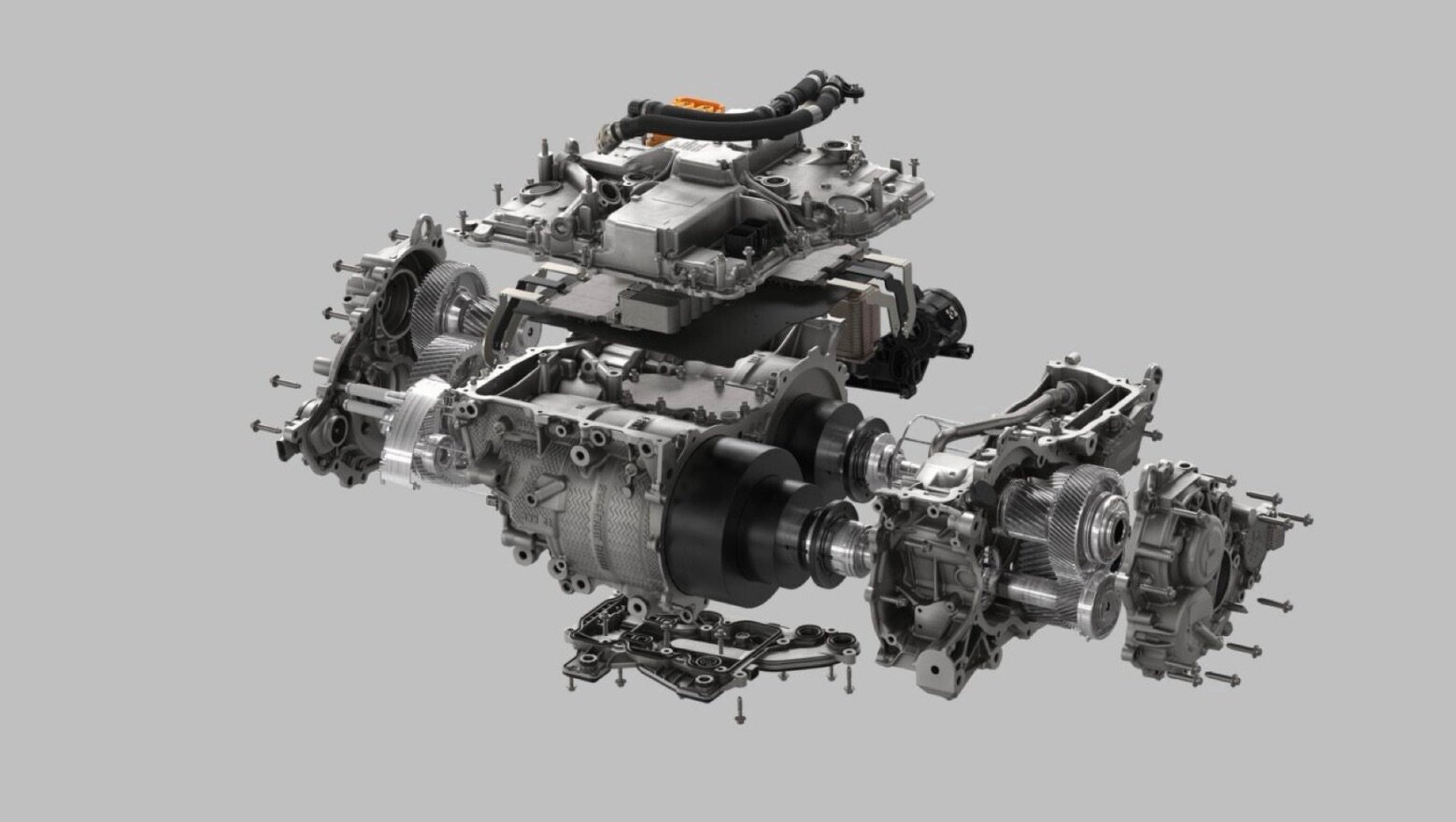
- The Architecture: Four electric motors arranged as two drive units (front and rear), with each unit containing two motors in parallel, one per wheel, each with its own gearbox
- The Control System: BMW M Dynamic Performance Control software running on the “Heart of Joy” supercomputer handles all torque vectoring, replacing the mechanical limited-slip differential that defined M3 handling since the E30
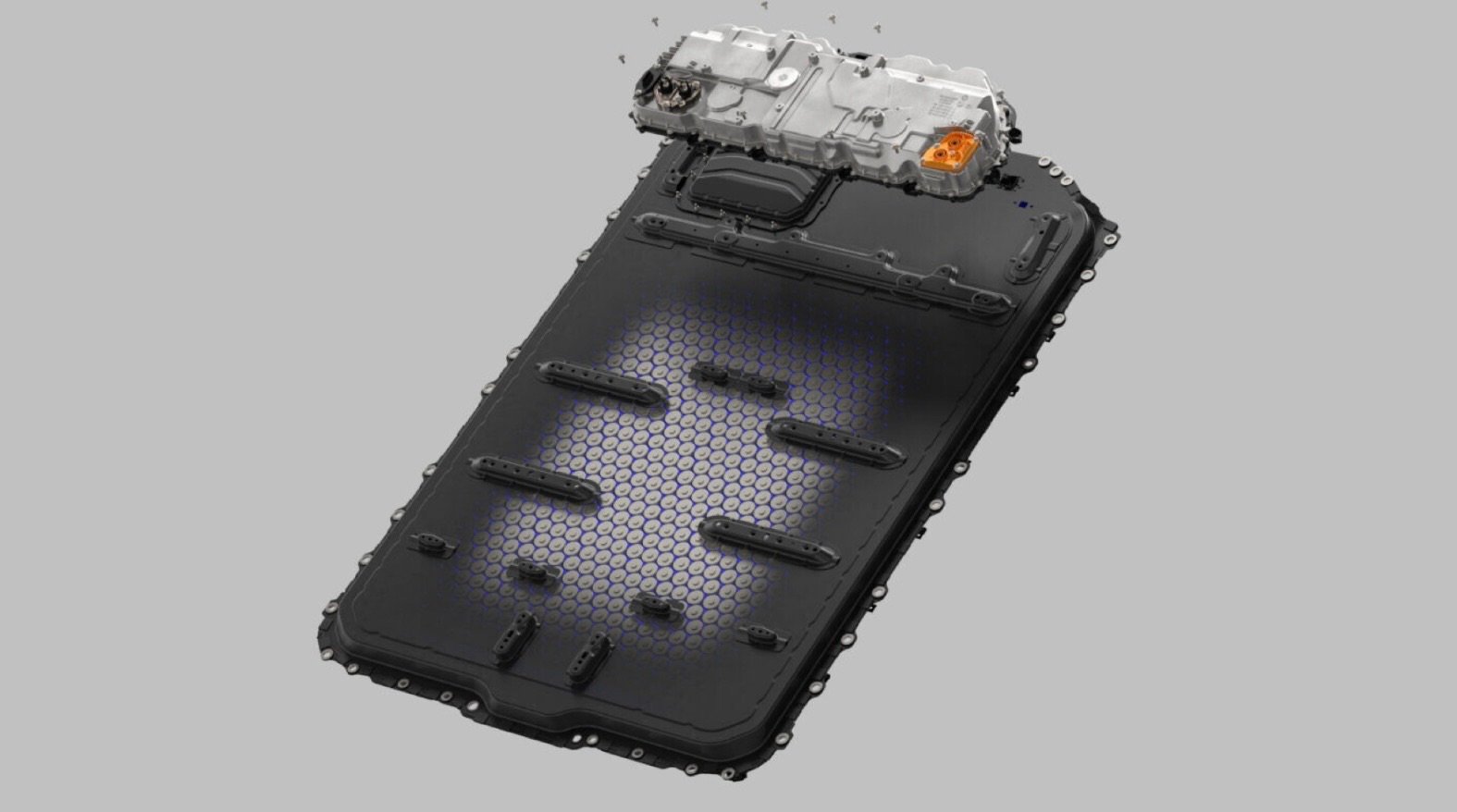
- The Battery: M-specific high-voltage pack exceeding 100 kWh (standard Neue Klasse battery is 108.7 kWh net), with optimized cylindrical cells featuring lower internal resistance and increased power density
- The Timeline: Production expected March 2027, ahead of the X3 M electric variant slated for November 2027
Why Four Motors Instead of Two?
The standard Neue Klasse iX3 uses two motors delivering 345 kW (469 horsepower). For the M variant, BMW doubled the motor count to achieve something mechanical differentials can’t: completely independent torque control at each wheel with response times measured in milliseconds.
“It’s one big single housing” per axle, confirmed Philipp Brunn, Head of Project BMW M Neue Klasse, during the technical briefing. “Two motors in parallel, each delivering power to one gearbox per wheel.” When pressed about mechanical links between wheels, the answer was unequivocal: “No, it’s complete. All wheels are completely separate.”
This configuration enables the classic M xDrive behavior where the front axle can be completely decoupled for pure rear-wheel-drive dynamics, improved highway efficiency, and the tail-happy character M buyers expect. The difference is that software, not hardware, now determines how that power reaches the road.
What BMW Isn’t Saying About Power Output
Despite speculation about four-digit horsepower figures, sources suggest the M3 ZA0’s power output will fall in the 800-900 hp range rather than exceeding 1,000 hp. That’s still a substantial increase over the current M3 Competition’s 503 horsepower, but it reflects the engineering reality that sustained track performance matters more than peak numbers.
BMW engineers declined to specify motor type when asked directly whether all four use permanent magnet technology, saying only “we’re not talking about the technology [at the moment].” ARS Technica reports suspecting permanent synchronous motors based on BMW’s briefings, though the evasion suggests BMW may be using different motor configurations front-to-rear.
The battery tells a clearer story. Philip Guerrero, project lead for high-voltage batteries at BMW, explained that while the M-specific cells look identical to standard Neue Klasse units, they feature lower internal resistance and increased power density through optimized cell chemistry. New two-sided cooling and a different cell layout within the pack prioritize sustained power delivery over maximum range.
The Hyundai Ioniq 5 N Playbook
BMW is taking a page directly from Hyundai’s approach with the Ioniq 5 N, which proved that simulated driving theatrics can create genuine emotional engagement in a performance EV. The M Neue Klasse will include simulated gear shifts using steering wheel paddles, lift-off regenerative braking mapped to pedal feel, and even a simulated “rev limiter” bounce for those who want maximum fidelity.
“The next generation of models are set to establish a new benchmark in the high-performance vehicle segment,” said Franciscus van Meel, Managing Director of BMW M GmbH. “With the latest generation of Neue Klasse technology, we are taking the BMW M driving experience to a new level and will inspire our customers with outstanding, racetrack-ready driving dynamics for everyday use.”
For those who find fake engine sounds offensive, the features remain optional. But the Ioniq 5 N’s success, which we covered when it was crowned Car and Driver’s 2024 EV of the Year with its 641 horsepower and simulated manual mode, demonstrated that enthusiasts will accept electric performance when manufacturers commit to the emotional experience rather than just the specifications.
The Sustainability Angle BMW Hopes You’ll Notice
BMW is positioning the M Neue Klasse as its most sustainable performance platform ever. The headline claim: natural fiber composites called Bcomp replace carbon fiber in certain applications, reducing CO2 emissions by approximately 40% during production while offering comparable strength-to-weight properties.
BMW M has accumulated experience with these materials in motorsport since 2019, particularly around durability and integration. Whether mainstream performance buyers care about production emissions remains questionable, but it’s worth noting that BMW is actually attempting to differentiate on sustainability rather than just making noise about it.
EVXL’s Take
BMW’s quad-motor M3 represents either a bold leap or a desperate gamble, depending on how you read the German automaker’s current position. The technical ambition is genuine: eliminating mechanical differentials entirely while claiming the software can react faster than any hardware solution is the kind of engineering confidence BMW built its reputation on.
But context matters. This announcement arrives while Porsche is reverse-engineering combustion capability back into platforms it spent billions making EV-only, and while Volkswagen drowns in billions of losses as its EV strategy unravels. BMW’s cautious multi-drivetrain approach has proven shrewd, allowing CEO Oliver Zipse to offer electric, hybrid, and combustion options while rivals face existential crises from overcommitting to electrification.
The M Neue Klasse continues that flexibility. BMW confirmed a gas-powered M3 will sell alongside the electric version, with both variants sharing nearly identical exterior designs but different powertrains. That’s smart positioning in a market where performance buyers remain skeptical of electric propulsion. As we reported earlier this year, Head of Design Adrian van Hooydonk emphasized that customers won’t be able to tell from a distance which M3 is electric and which is combustion.
The six-month prediction: BMW’s electric M3 will face the same fundamental challenge as every premium performance EV, namely, justifying substantial price premiums over equally capable competitors. The iX3’s proven 626-mile real-world range and Gen6 powertrain capabilities suggest the technology is ready. Whether M badge prestige can command $100,000+ pricing when Hyundai’s 641-horsepower Ioniq 5 N delivers comparable thrills for half the price remains the billion-dollar question.
The uncomfortable truth that headlines about quad motors and 800+ horsepower obscure: BMW isn’t just competing against other luxury automakers anymore. Chinese competitors continue gaining ground across Europe, development cycles that take BMW years happen in China in months, and the German engineering advantage that justified premium pricing for decades is eroding fast.
The M3 ZA0’s success won’t depend on whether its software-controlled torque vectoring outperforms mechanical differentials in track testing. It will depend on whether BMW can convince traditional M buyers that electric propulsion delivers the soul they’re paying for, while simultaneously convincing EV adopters that BMW’s brand premium delivers value that justified competitors lack.
That’s a harder engineering problem than controlling four motors independently. And unlike torque vectoring algorithms, there’s no software update that fixes brand perception.
Editorial Note: This article was researched and drafted with the assistance of AI to ensure technical accuracy and archive retrieval. All insights, industry analysis, and perspectives were provided exclusively by Haye Kesteloo and our other EVXL authors, editors, and Youtube partners to ensure the “Human-First” perspective our readers expect.
Discover more from EVXL.co
Subscribe to get the latest posts sent to your email.


 English
  Chinese
  Dutch
Dutch  French (Canada)
  French (France)
  German
  Norwegian
  Portuguese
  Spanish (Argentina)
  Spanish (Mexico)
  Spanish (Spain)