


We’ve been tracking the accelerating exodus of Chinese tech companies from U.S. markets, and today’s news confirms another major defection. Momenta, the autonomous driving startup powering self-driving systems for BMW, Mercedes-Benz, and Toyota, has confidentially filed for a Hong Kong IPO, according to Reuters.
The move comes after Momenta’s approval to list on the New York Stock Exchange expired in June 2025. Rather than reapply amid escalating U.S.-China tensions, the company chose Hong Kong, joining a growing wave of Chinese firms fleeing American exchanges.
This isn’t just another Chinese tech IPO. Momenta supplies the autonomous driving brains for vehicles you’ll soon see on roads worldwide.
Momenta: The Company Specs
| Metric | Detalles |
|---|---|
| Valuation | $5-6 billion (September 2025 funding round) |
| Total Funding | $1.42 billion across 9 rounds |
| Strategic Investors | Toyota, Bosch, GM, Mercedes-Benz, SAIC Motor |
| OEM Programs | 160+ vehicle programs committed |
| Production Models | 40+ models already on roads |
| Founded | 2016 (Beijing/Suzhou, China) |
| IPO Status | Confidential Hong Kong filing (December 2025) |
Why Momenta Matters More Than Pony.ai or WeRide
While competitors Pony.ai and WeRide chase the robotaxi dream, Momenta plays a different game entirely. The company supplies advanced driver-assistance systems (ADAS) directly to automakers, essentially selling picks and shovels in the autonomous driving gold rush.
The client list reads like a who’s who of global automotive:
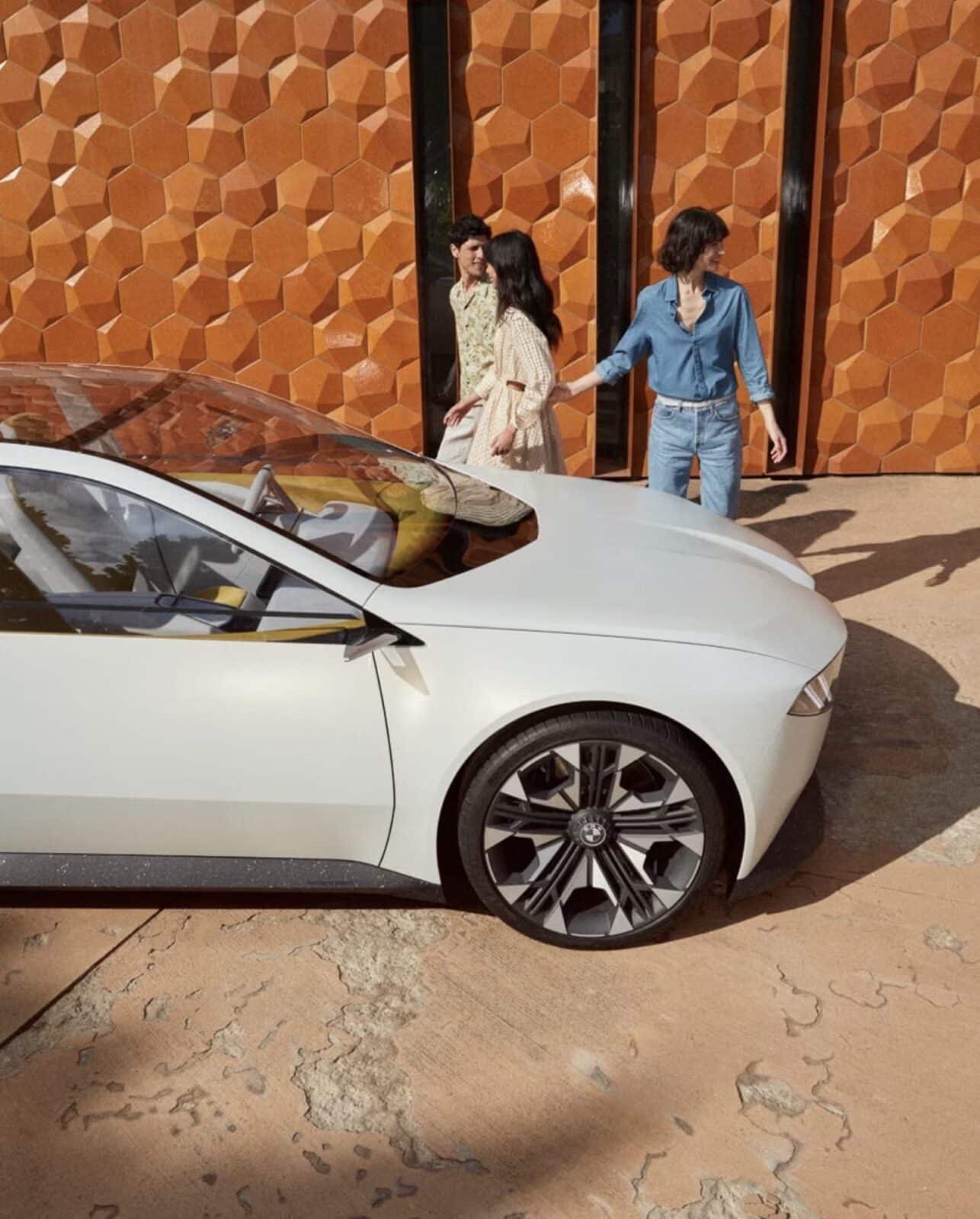
- BMW: Powering the entire Neue Klasse EV lineup in China starting July 2025
- Mercedes-Benz: Equipping the all-electric CLA and 40 future models
- Audi/SAIC: Joint venture announced August 2024
- Toyota: Strategic investor and development partner
- Nissan and Honda: End-to-end intelligent driving partnerships announced November 2024
- Uber: Robotaxi testing partnership launching in Munich, Germany in 2026
“The Chinese auto industry is advancing toward the top of the world’s value chain,” Huawei’s Richard Yu declared at a recent launch event. Momenta’s IPO filing proves the point.
The U.S.-China Tech Divorce Accelerates
Momenta’s pivot to Hong Kong fits a pattern we’ve documented extensively. Hong Kong IPO volumes surged 723% year-over-year in the first half of 2025, raising $14 billion as Chinese companies abandoned New York.
The numbers tell the story:
| Market | Chinese IPOs (2025 YTD) | Capital Raised |
|---|---|---|
| Hong Kong | 46 companies | $16.5 billion |
| Estados Unidos | 16 companies | $740.9 million |
Treasury Secretary Scott Bessent’s April statement that “everything is on the table” regarding Chinese delistings sent a clear message. Over 75% of U.S.-listed Chinese firms by market value now hold secondary listings in Hong Kong as a hedge.
CATL’s $4.6 billion Hong Kong IPO in May, battery maker Chery Auto’s pending $1.5 billion listing, and now Momenta, all signal Beijing’s strategic pivot away from American capital markets.
How Momenta Stacks Up Against Competitors
The Chinese autonomous driving sector is consolidating fast. Here’s where Momenta fits:
| Company | Focus | Market Cap | Listing Status |
|---|---|---|---|
| Momenta | ADAS for OEMs | $5-6B (private) | Hong Kong IPO filed |
| Pony.ai | Robotaxi | $6.7B | NASDAQ + Hong Kong |
| WeRide | Robotaxi/Multi-vehicle | $3.1B | NASDAQ + Hong Kong |
| Baidu Apollo Go | Robotaxi | Part of Baidu | NASDAQ (parent) |
Pony.ai and WeRide both completed dual listings in Hong Kong last month, raising a combined $1.16 billion. Both saw shares drop over 12% on their Hong Kong debut, a reminder that autonomous driving valuations remain speculative.
Momenta’s B2B model, selling technology to automakers rather than operating robotaxi fleets, offers a potentially faster path to profitability.
EVXL’s Take
Momenta’s Hong Kong IPO filing crystallizes a trend we’ve been tracking all year: Chinese autonomous driving technology is embedding itself into the global automotive supply chain while simultaneously decoupling from American capital markets.
The irony is thick. Western automakers are increasingly dependent on Chinese software to compete. As we reported when Volkswagen opened its $2.9 billion China development lab, German engineering couldn’t keep pace with Chinese competitors who develop vehicles in 18-24 months versus VW’s three to five years.
Now BMW, Mercedes-Benz, and Audi are licensing their self-driving brains from the same Chinese tech ecosystem that Washington is trying to wall off. That’s not a contradiction. It’s a reflection of where the technology actually lives.
This dynamic mirrors what we’ve covered in Tesla’s China strategy. While Tesla doubles down on its vision-only FSD approach, Chinese competitors like Momenta, Huawei, and BYD are racing ahead with LiDAR-equipped systems that regulators and automakers increasingly prefer.
The deeper concern is what Momenta’s defection means for U.S. investor access to autonomous driving’s future. When the company powering BMW and Mercedes self-driving systems chooses Hong Kong over New York, American investors lose a direct stake in one of the most consequential technology shifts of the decade.
We’ve documented how Chinese EV giants like BYD and Chery are outpacing Tesla, GM, and VW with faster development cycles and aggressive pricing. Momenta’s technology underpins that speed advantage, and now it’s listing where Chinese retail investors can buy in while American institutions watch from the sidelines.
The autonomous driving future is being built in Suzhou, not Silicon Valley. And increasingly, it’s being financed in Hong Kong, not New York.
What do you think about Momenta’s decision to abandon U.S. markets? Share your thoughts on the autonomous driving supply chain shift in the comments below.
Descubra más de EVXL.co
Subscribe to get the latest posts sent to your email.


 English
  Chinese
  Dutch
Dutch  French (Canada)
  French (France)
  German
  Norwegian
  Portuguese
  Spanish (Argentina)
  Spanish (Mexico)
  Spanish (Spain)